 Vita Construction
1 / 4
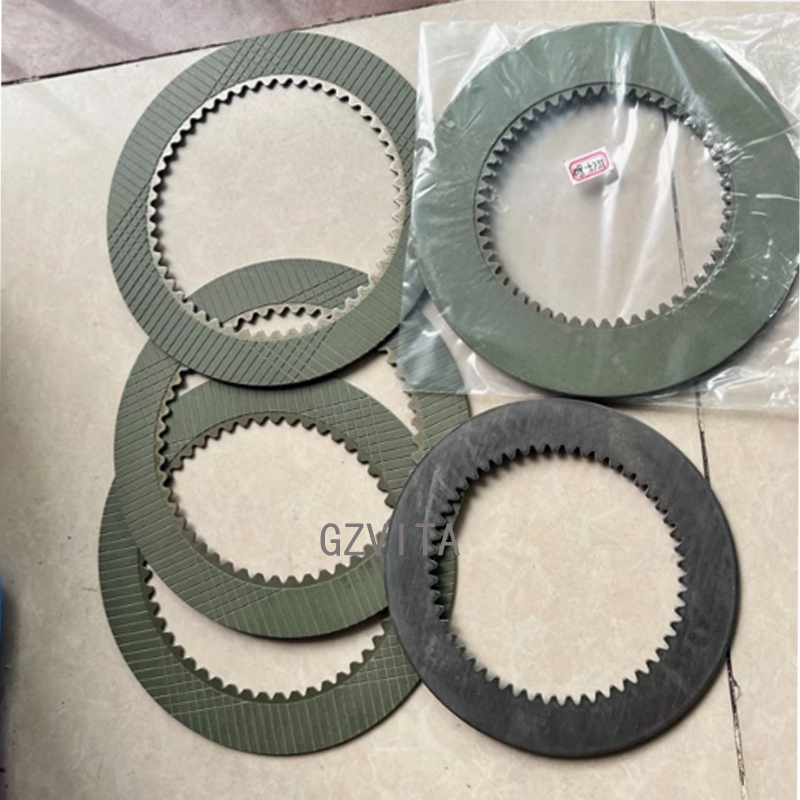
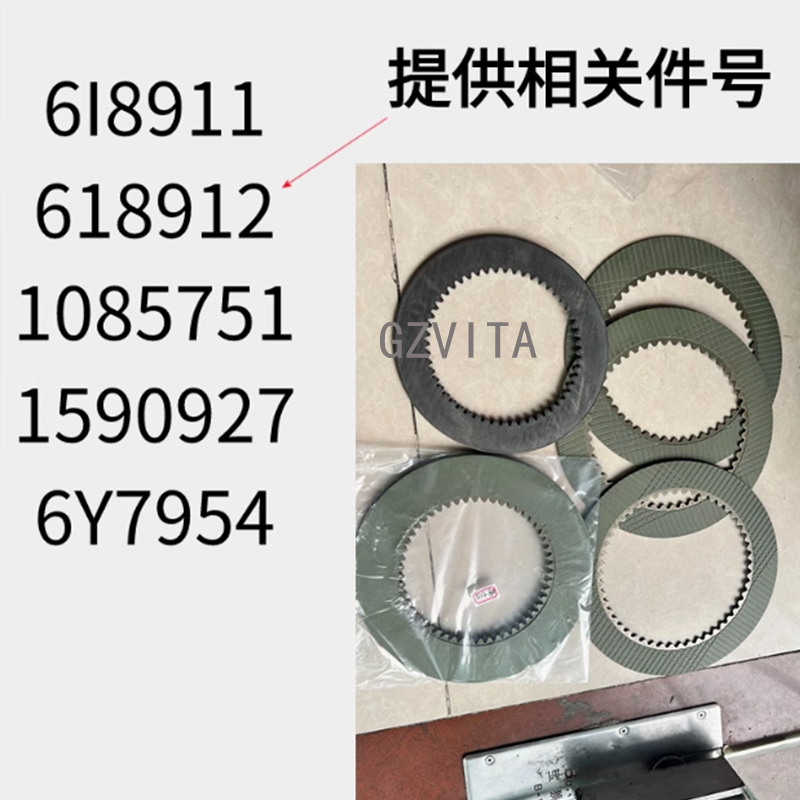
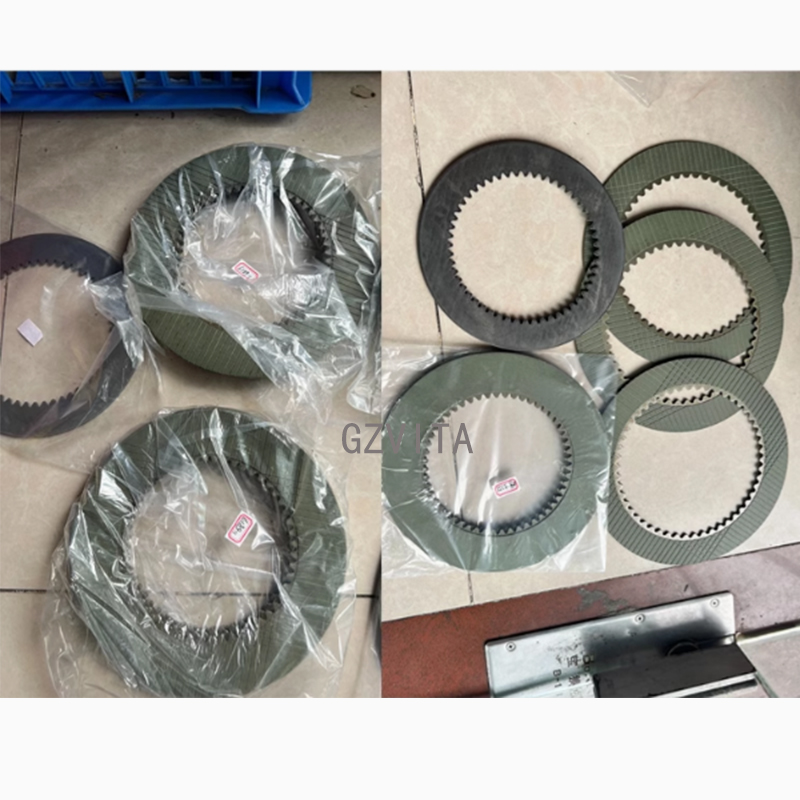
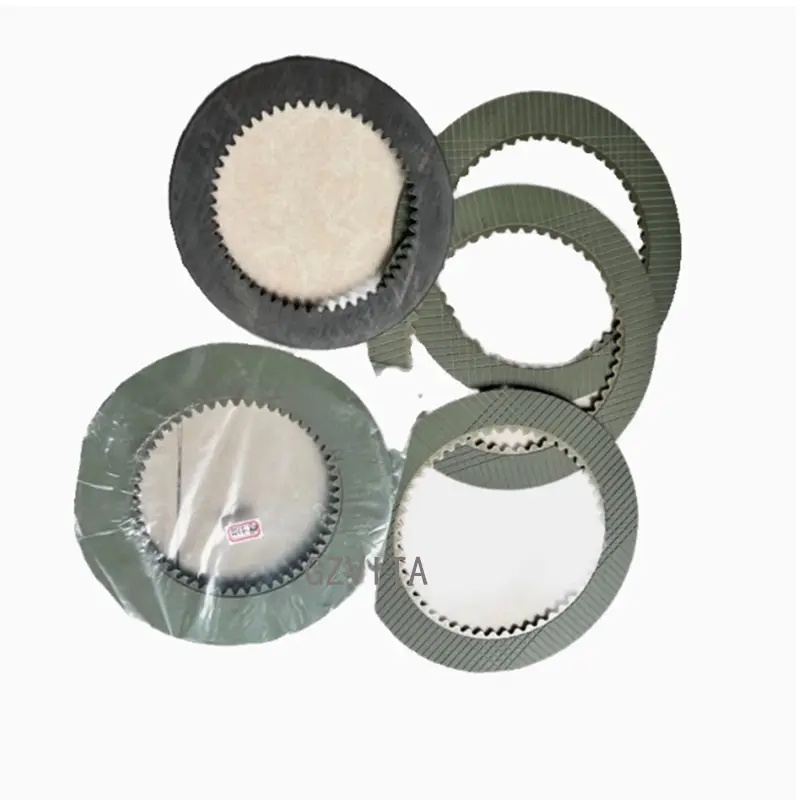
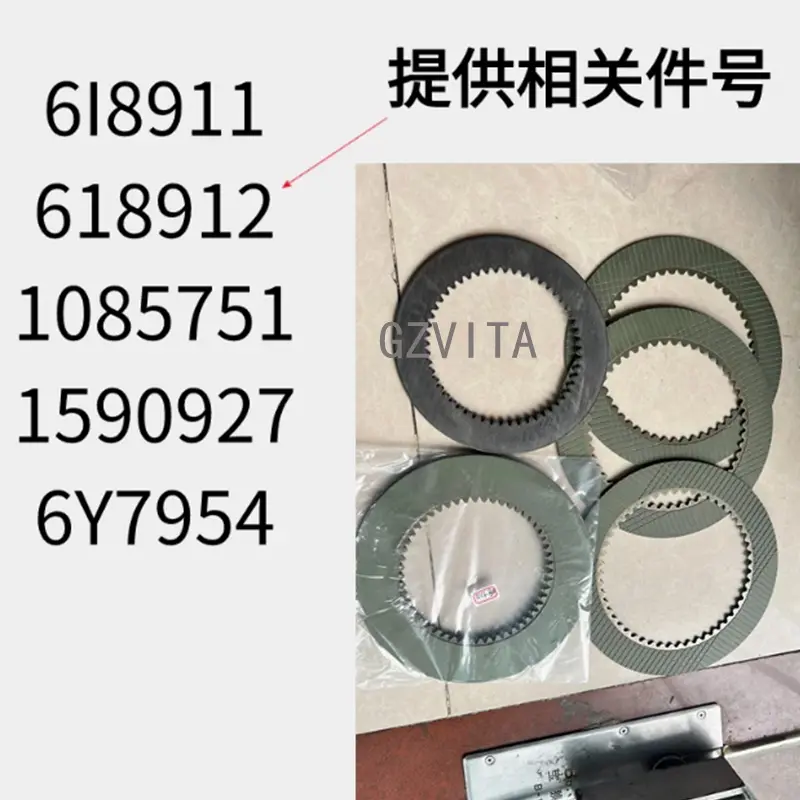
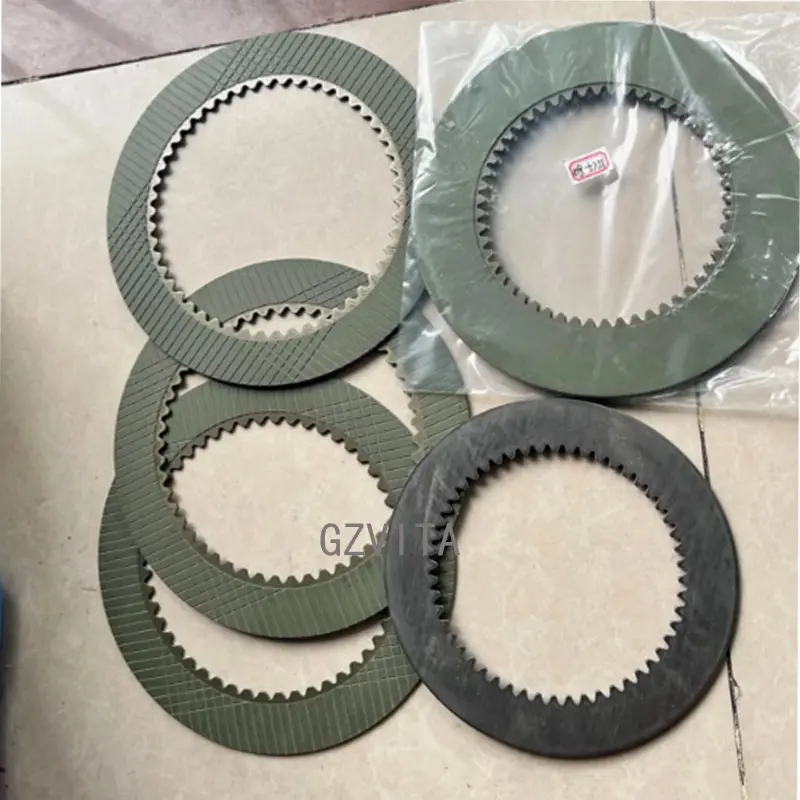
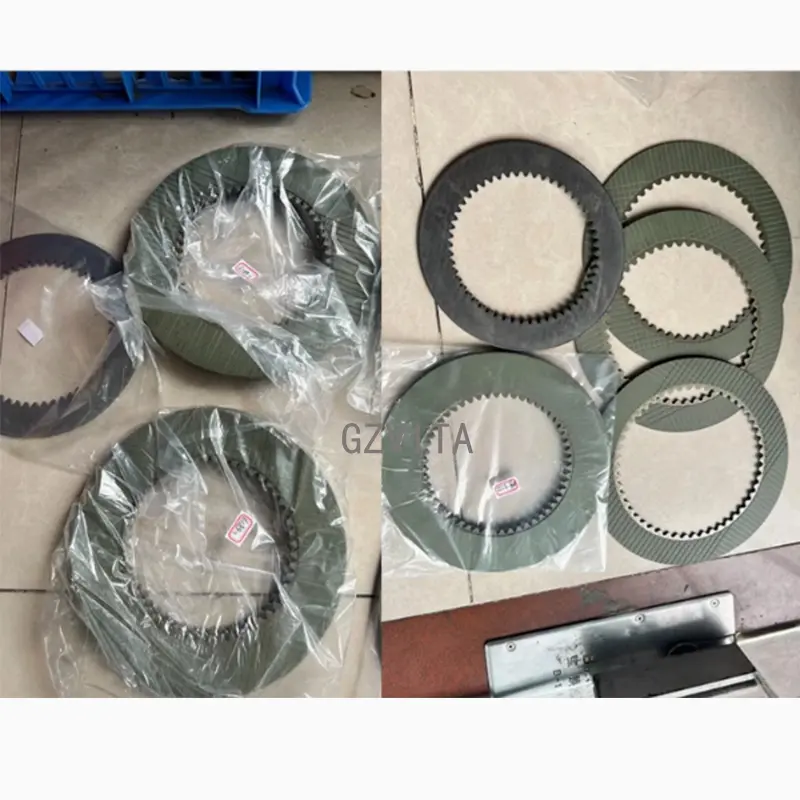
Clutch friction plates are essential components in the clutch system of various machinery, including excavators and other heavy equipment. They play a critical role in the engagement and disengagement of the engine's power to the transmission, allowing for smooth operation and control of the machine. Here's an overview of the importance of clutch friction plates:
Clutch friction plates are responsible for transferring power from the engine to the transmission. When the clutch is engaged, the friction plates grip the flywheel and allow the engine's power to be transmitted to the drivetrain, enabling the machine to move and perform tasks.
The design of clutch friction plates allows for smooth engagement and disengagement of the clutch. This is crucial for preventing sudden jerks or stalls when starting or stopping the machine, which can enhance operator comfort and control.
Clutch friction plates enable operators to control the speed and torque of the excavator. By modulating the engagement of the clutch, operators can adjust the power delivered to the wheels or tracks, allowing for precise movements during operations such as digging, lifting, or maneuvering.
High-quality clutch friction plates are designed to withstand the high temperatures and pressures generated during operation. Their durability is essential for maintaining the performance of the clutch system over time, reducing the need for frequent replacements and minimizing maintenance costs.
During operation, clutch friction plates generate heat due to friction. Well-designed plates can dissipate this heat effectively, preventing overheating and ensuring consistent performance. This is particularly important in heavy machinery, where prolonged use can lead to significant thermal stress.
Clutch friction plates are available in different materials and designs to suit various types of clutch systems, including single-plate, multi-plate, and wet or dry clutches. This versatility allows for their use in a wide range of applications, from excavators to other heavy equipment.
A properly functioning clutch system, including the friction plates, is vital for the safe operation of excavators. Malfunctioning or worn-out friction plates can lead to loss of control, making it essential to monitor their condition and replace them as needed to ensure safe operation.