 Vita Construction
1 / 2
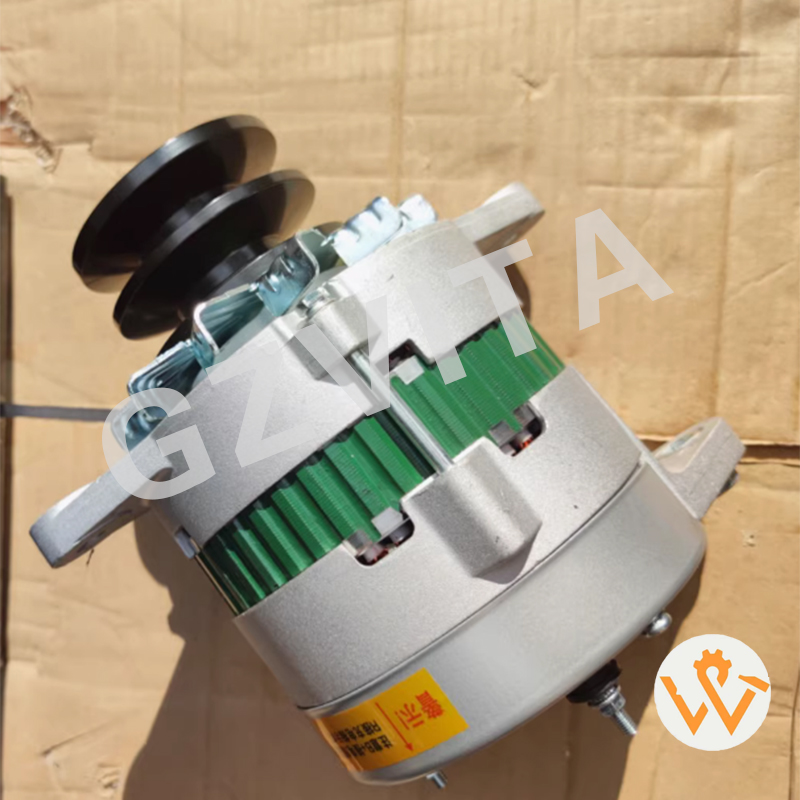
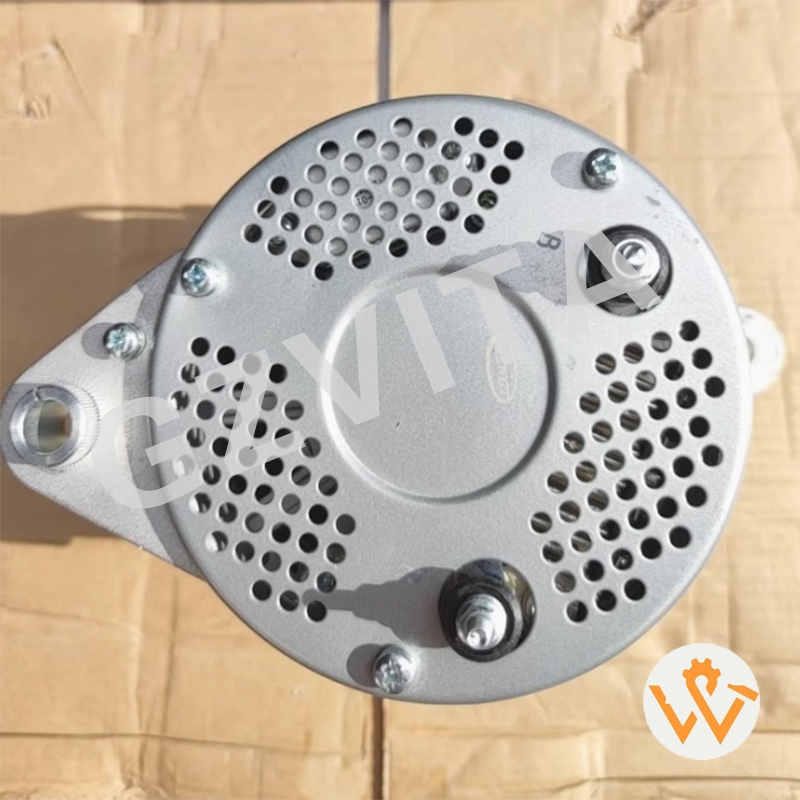
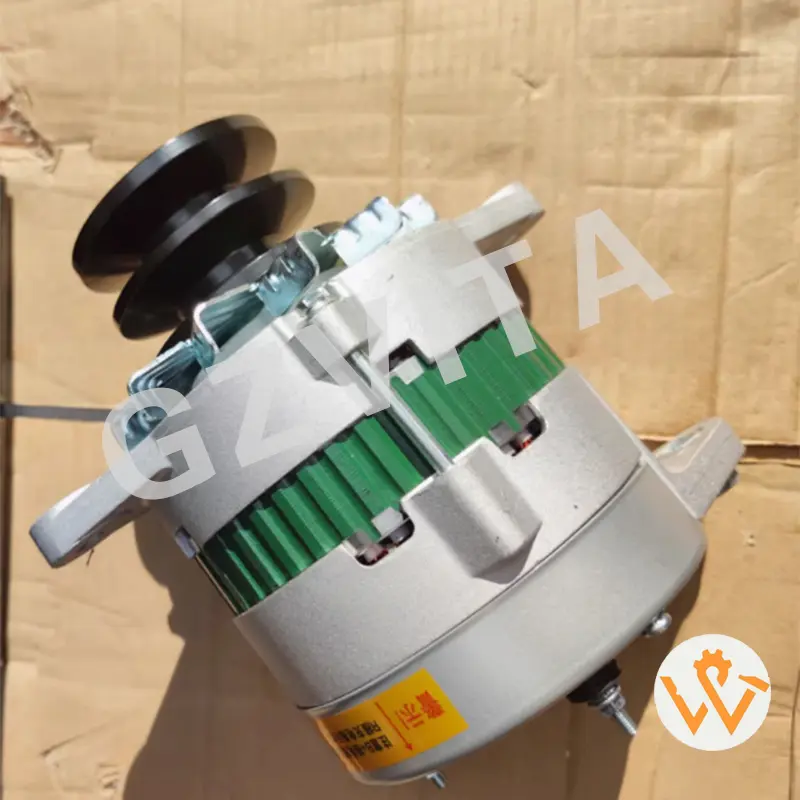
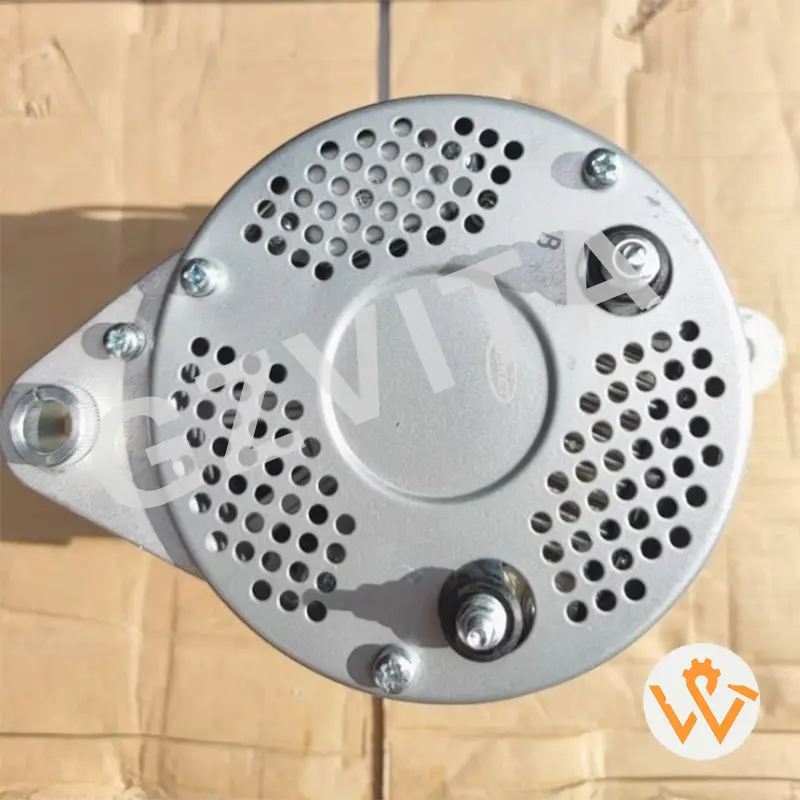
When using an alternator in construction machinery or any other application, it's important to follow specific guidelines to ensure proper operation and longevity. Here's a notice for using an alternator:
The alternator is responsible for converting mechanical energy from the engine into electrical energy, which powers the electrical systems of the machinery and charges the battery.
Ensure that the alternator is compatible with your machinery's electrical system. Verify the voltage and amperage ratings to match the requirements of your equipment.
Ensure the alternator is securely mounted to prevent vibrations and movement during operation.
Follow the wiring diagram provided in the service manual. Use appropriate gauge wires to handle the current load and ensure secure connections to prevent electrical shorts.
Ensure the alternator is properly grounded to avoid electrical issues.
Regularly check electrical connections for corrosion, wear, or loose fittings. Clean and tighten connections as necessary.
Check the tension of the drive belt that powers the alternator. A loose or worn belt can lead to poor performance or failure.
Ensure that the alternator is adequately cooled. Overheating can lead to premature failure.
Use a multimeter to check the voltage output of the alternator. It should typically be between 13.5 to 14.5 volts when the engine is running.
Monitor the battery's state of charge. If the battery is not charging properly, it may indicate an issue with the alternator.
If you experience electrical issues, such as dim lights or a dead battery, check the alternator first. Look for signs of wear, such as unusual noises, burning smells, or physical damage. If the alternator is suspected to be faulty, perform a thorough diagnostic check or consult a professional technician.
Always disconnect the battery before performing any maintenance or repairs on the alternator to prevent electrical shock or short circuits. Wear appropriate safety gear, including gloves and goggles, when working on electrical systems.
Always refer to the specific service manual for your machinery for detailed instructions, specifications, and troubleshooting tips related to the alternator.