 Vita Construction
1 / 4
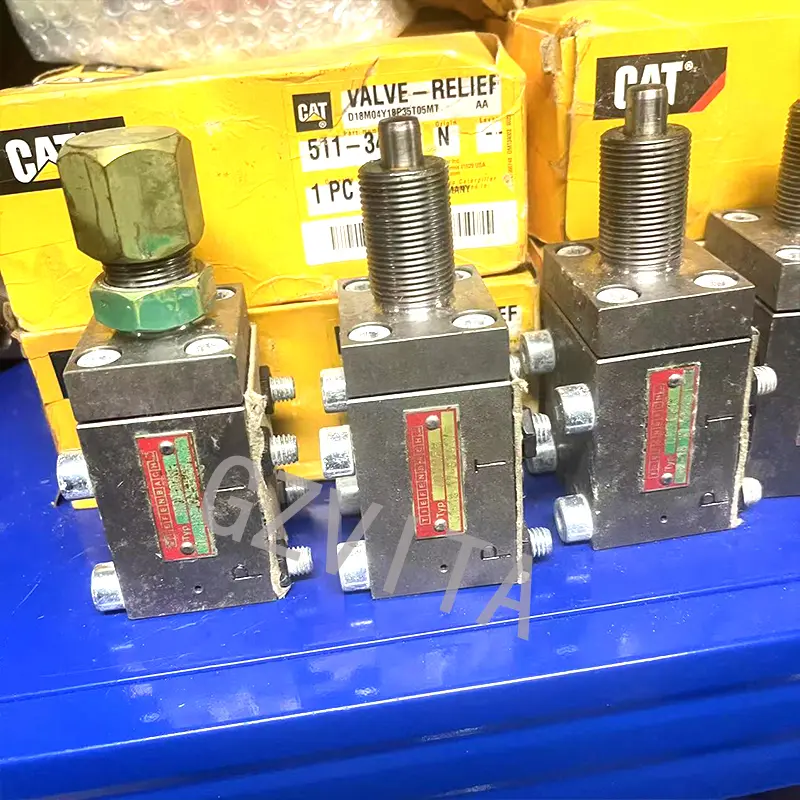
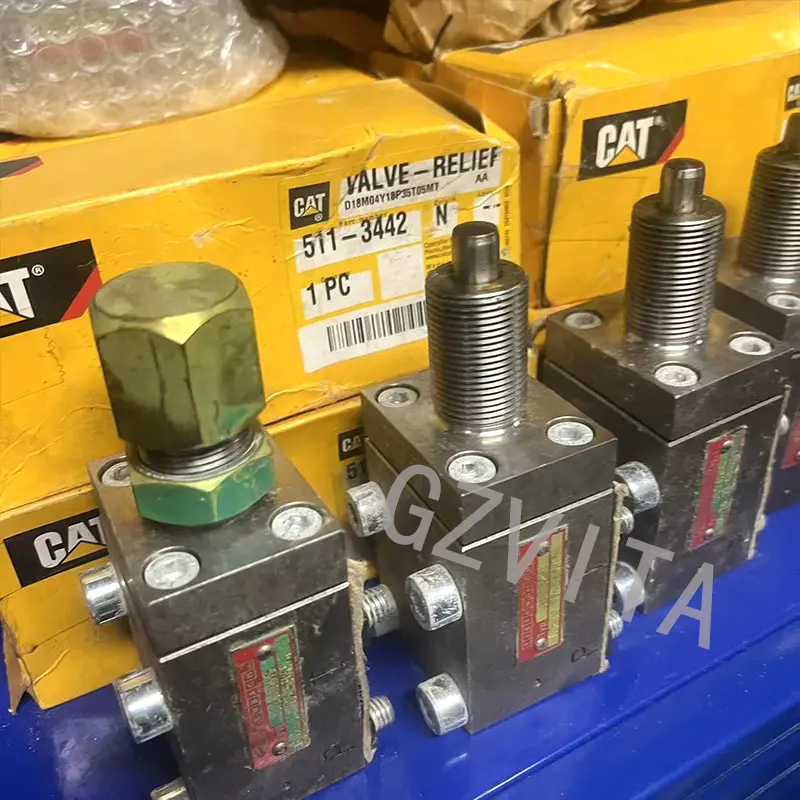
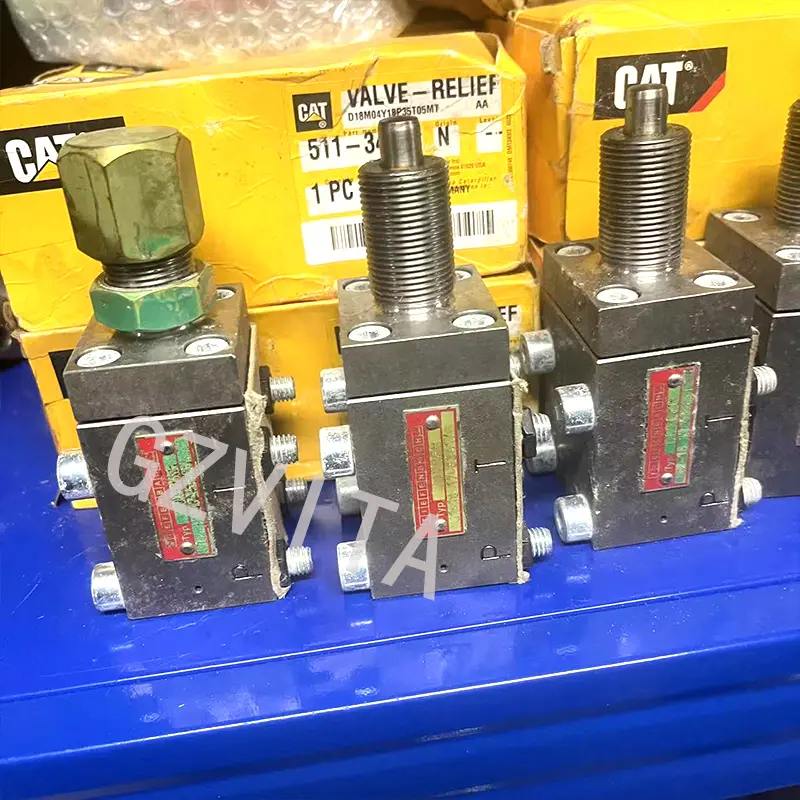
This is usually the primary relief valve that protects the hydraulic system from excessive pressure. It is typically located in the hydraulic pump circuit.
These valves are used in the pilot control system to regulate the pressure for the control circuits, ensuring that the operator can control the machine's functions smoothly.
If the excavator is equipped with auxiliary hydraulic functions (such as for attachments like grapples or hammers), there may be additional relief valves dedicated to those circuits.
Some excavators have specific relief valves for the boom and arm circuits to prevent overloading and ensure safe operation during lifting and digging.
While the exact number of relief valves can vary, excavators generally have several relief valves to manage different hydraulic circuits and ensure safe operation. For precise information, it is best to refer to the specific excavator's service manual or technical documentation.
The primary purpose of excavator relief valves is to limit the maximum pressure in the hydraulic circuits, protecting hoses, pumps, cylinders, and other components from damage due to excessive pressure.
Common signs of a faulty relief valve include slow hydraulic operations, loss of lifting power, high hydraulic oil temperature, unusual noises, or erratic attachment movement.
Pressure checking requires installing a pressure gauge to the test port in the hydraulic system. Adjustments are typically made by turning the adjusting screw on the relief valve assembly, which must align with the manufacturer's specified limits.
Different excavator functions require different load capacities. Boom and arm relief valves allow fine-tuned safety parameters specific to lifting and digging forces, preventing structural overload without affecting the main system pressure.
It is recommended to test the relief valve pressures during major scheduled maintenance checks, typically every 1000 to 2000 operating hours, or whenever you troubleshoot issues like slow cycle times or power loss.