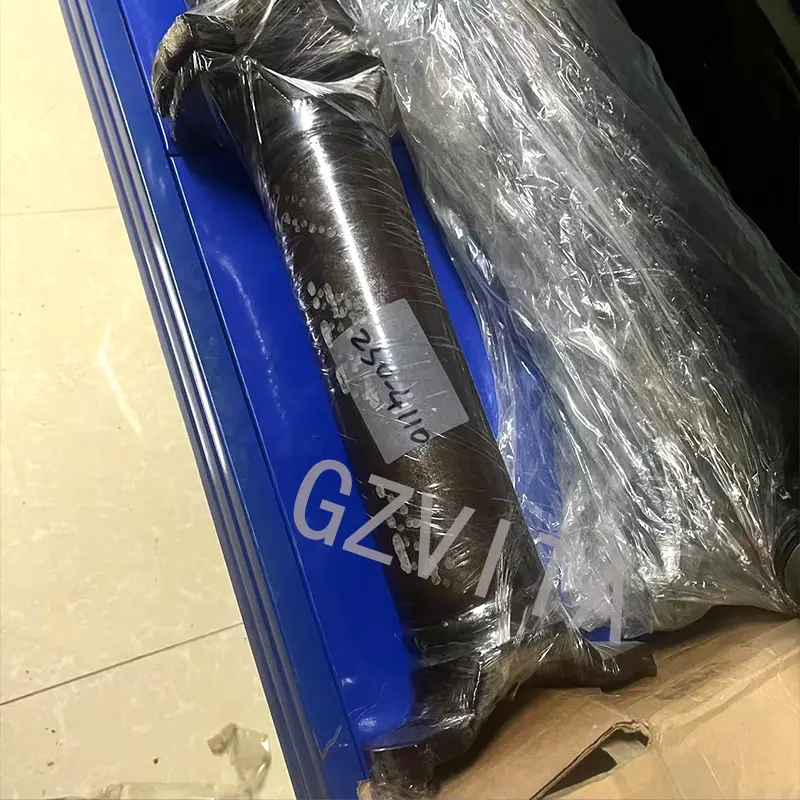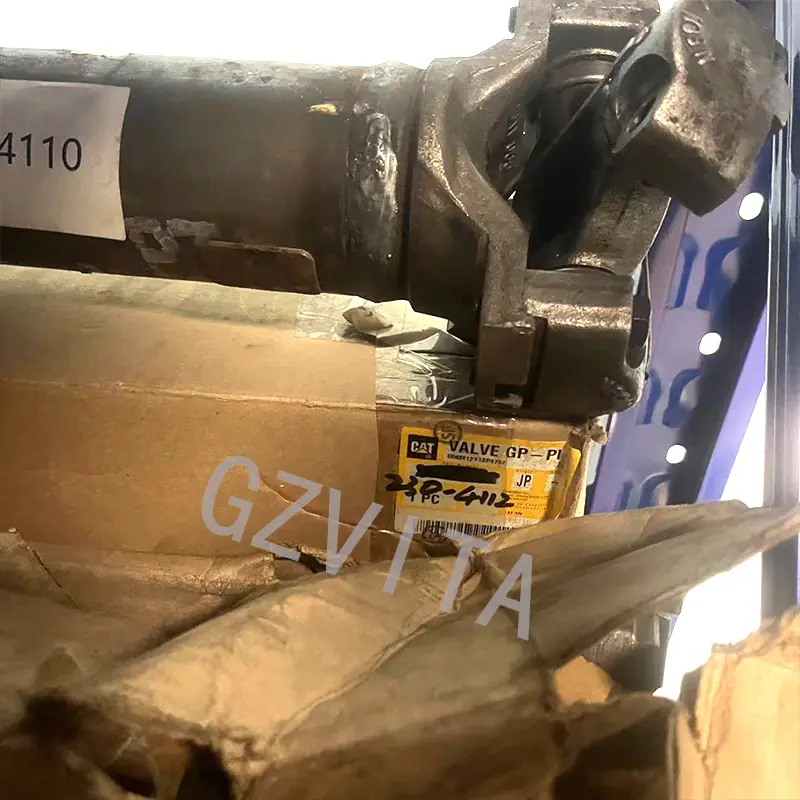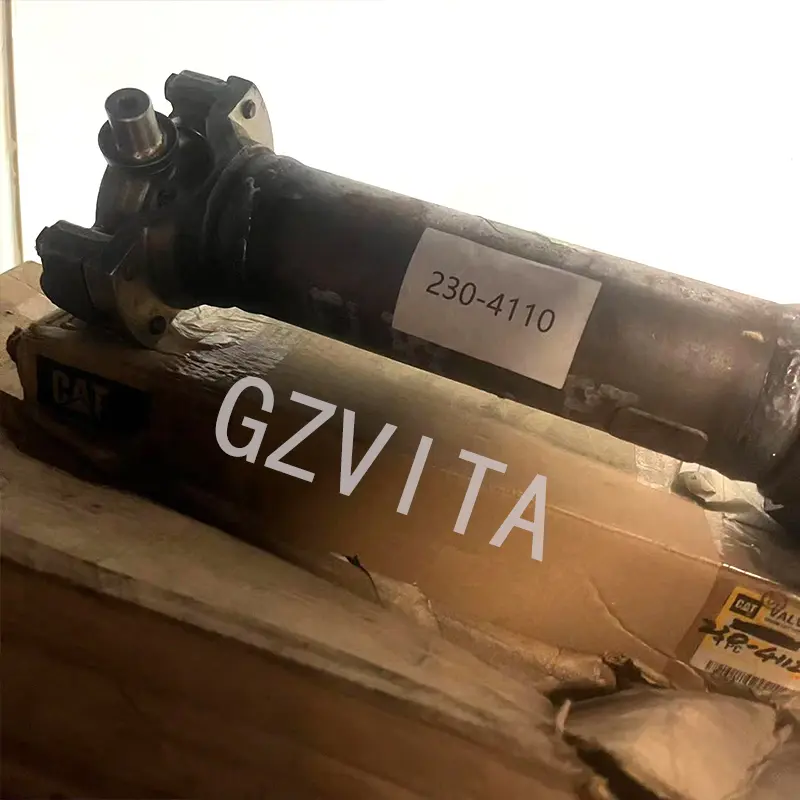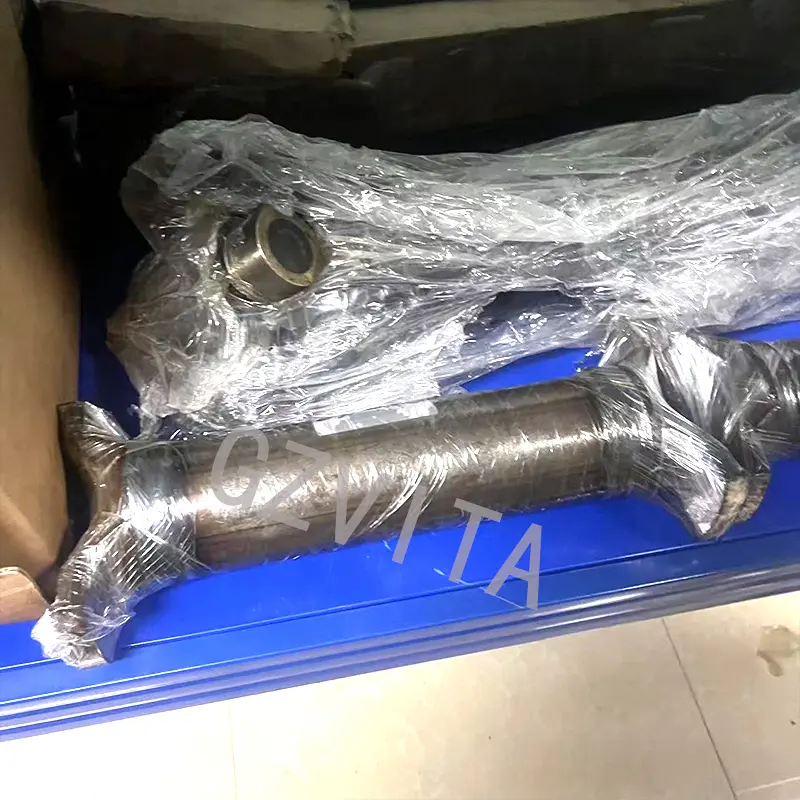
Custom Caterpillar Universal Joint Group 230-4110 For Truck 785C 785D 2304110 Manufacturer, Companies

1.Product Name:

Universal Joint Group

2.Part number:

230-4110

3.Compatible For:

Truck 785C 785D 875B/ Tractor 784C 784B

4.Leading time:

2-3 days

5.Packing way:

Neutral packing or CAT Genuine Part Packing

Product Description

The universal joint (U-joint) group is a critical component in a truck's drivetrain system, enabling the transmission of torque and rotational motion between two shafts that are not in a straight line. It accommodates angular misalignment and allows smooth power transfer even when the driving and driven shafts are at an angle.

Key Functions of a Universal Joint Group

Torque Transmission: Transfers power from the transmission to the differential or between driveline components.
Flexibility: Compensates for varying angles between connected shafts due to suspension movement.
Vibration Dampening: Helps reduce driveline vibrations for smoother operation.
Durability: Designed to withstand heavy loads and harsh operating conditions.

Main Components of a Universal Joint Group

Cross (Spider) Bearing: The central component with four arms that connect to the yokes.
Yokes: Fork-shaped mounts attached to the driveshaft and differential/transmission.
Needle Bearings: Reduce friction between the cross and yokes for smooth rotation.
Grease Fittings (Zerk Fittings): Allow lubrication to extend joint life.
Snap Rings/C-Clips: Secure the bearings in place.

Types of Universal Joints in Trucks

Cross-Type U-Joint

Most common design, engineered specifically for heavy-duty applications.

Constant Velocity (CV) Joint

Used in modern truck models to ensure smoother operations at higher angles.

Double Cardan Joint

A dual U-joint assembly configured to minimize driveline vibrations at steep operational angles.

Common Applications in Trucks

Driveshaft Connections: Linking the transmission to the rear axle.
Steering Columns: Implemented in older vehicle layouts.
4WD/AWD Systems: Directing torque from the transfer case to the front axle.

Maintenance & Failure Signs

Regular Lubrication: Essential to prevent excessive wear and overheating.
Inspection for Play or Noise: Clicking, clunking, or intense vibrations signal critical wear.
Replacement: Worn-out U-joints must be replaced immediately to avoid complete driveline failure.
A properly functioning universal joint group ensures efficient power delivery, reduces mechanical stress, and enhances the longevity of a truck's drivetrain. Regular inspection and maintenance are essential for optimal performance.

Frequently Asked Questions

What is the primary function of a truck's universal joint group?

The primary function is to transmit torque and rotational power between two non-aligned shafts within the truck's drivetrain. It accommodates suspension movements and changing angles between the transmission and the drive axle while maintaining a continuous flow of power.

What are the core components that make up a universal joint group?

A universal joint group is comprised of the Cross (or Spider) Bearing, Yokes, Needle Bearings to reduce friction, Grease (Zerk) Fittings for ongoing lubrication, and Snap Rings or C-Clips to secure the bearings in place.

What are the warning signs of a failing U-joint in a truck?

Common warning signs include clicking or clunking sounds when shifting or accelerating, unusual vibrations throughout the vehicle while driving, and visible play or looseness during manual inspection.

Why is lubrication critical for the maintenance of a U-joint?

Regular lubrication prevents metal-on-metal friction, reduces heat buildup, and expels contaminants. Without adequate grease, the needle bearings inside the cross caps will quickly wear out, causing joint failure.

What is the difference between a Cross-Type U-joint and a Double Cardan joint?

A Cross-Type U-joint is a single cross bearing setup suited for standard angular operations. A Double Cardan joint features two universal joints mounted back-to-back, allowing it to cancel out rotational velocity fluctuations and vibrations at steeper angles.
Related Products