 Vita Construction
1 / 3
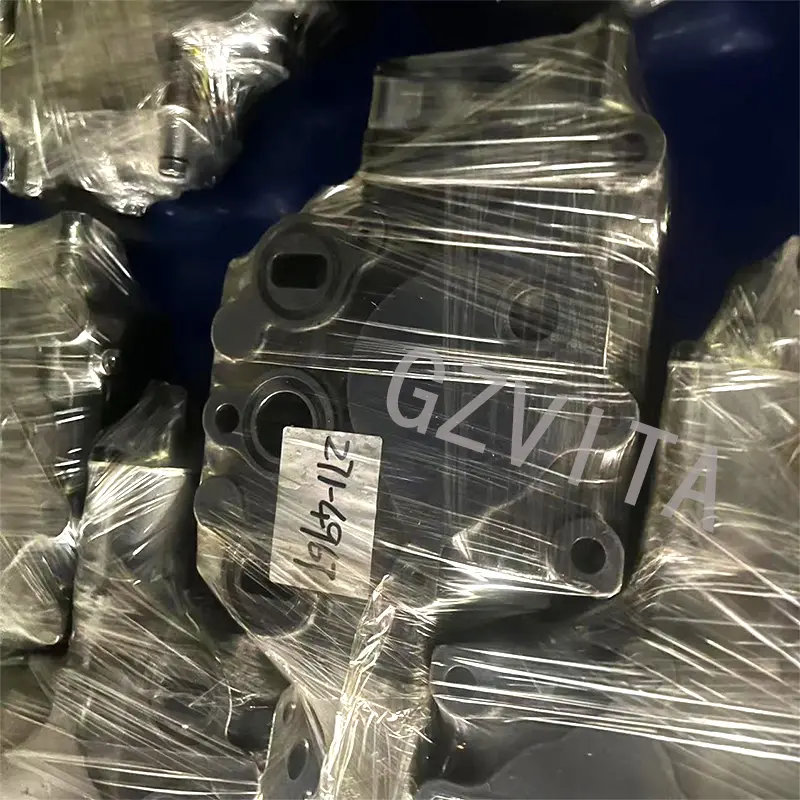
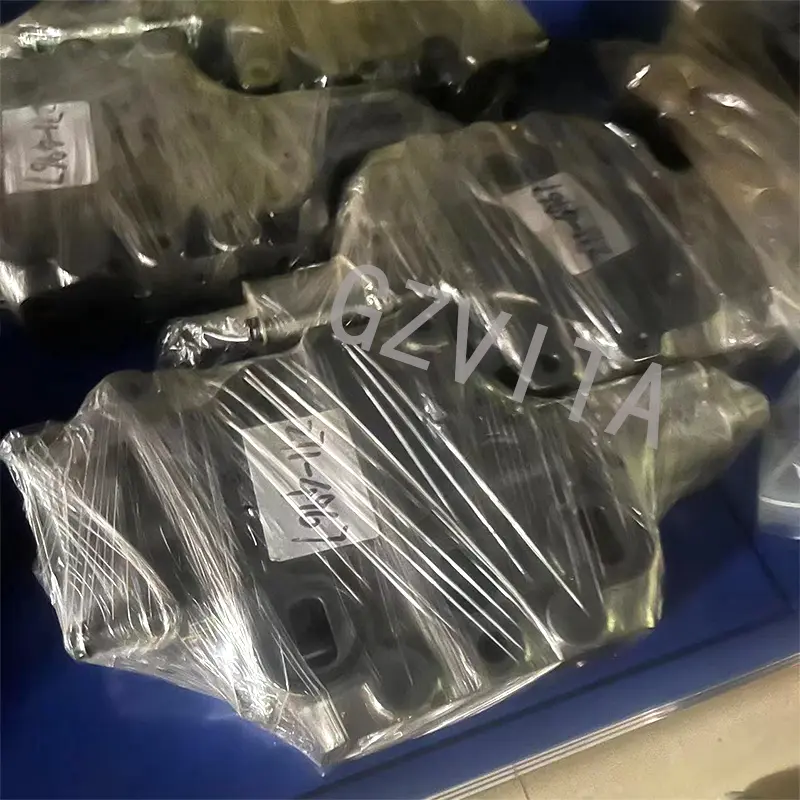
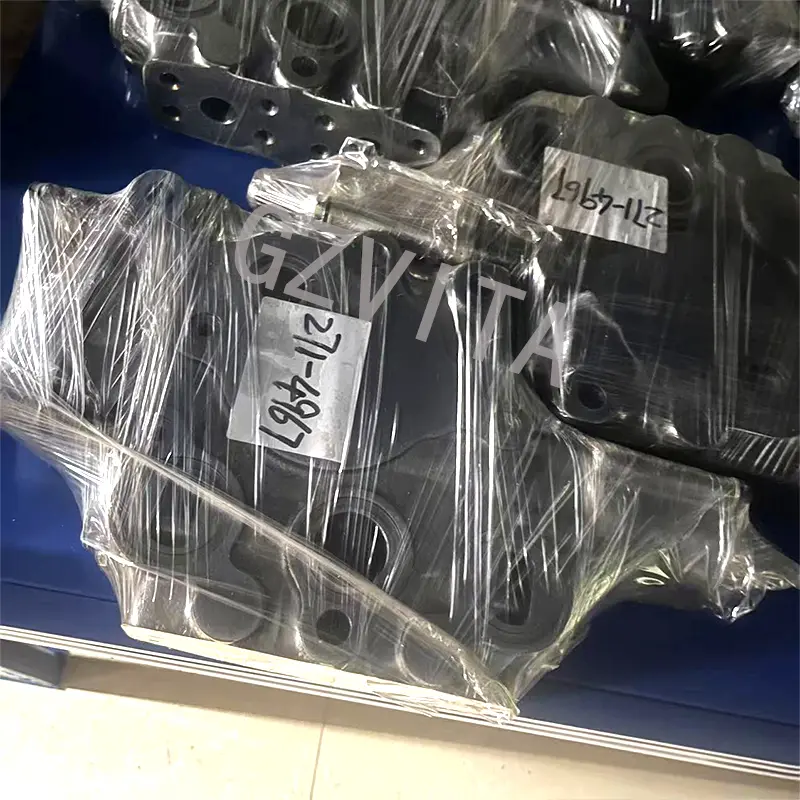
The valve group (or valve assembly) in a tractor is a critical component that plays a significant role in the overall performance and functionality of the machine. Here are some key points highlighting its importance:
The valve group regulates the flow of hydraulic fluid within the tractor's hydraulic system. This control is essential for operating various attachments and implements, such as plows, loaders, and other implements that require hydraulic power.
In tractors, hydraulic systems are often used to transmit power from the engine to various components. The valve group ensures that the hydraulic power is directed appropriately to perform tasks efficiently.
The valve group allows for precise control over hydraulic functions, enabling operators to make fine adjustments to the speed and force applied by hydraulic implements. This precision is crucial for tasks that require careful handling, such as planting or lifting heavy loads.
Many valve groups are equipped with safety features that prevent overloading and ensure that hydraulic systems operate within safe limits. This helps protect both the tractor and the operator from potential hazards.
A well-maintained valve group contributes to the overall longevity of the tractor's hydraulic system. Regular inspection and maintenance can prevent leaks and failures, ensuring that the tractor operates efficiently over time.
Versatility: The valve group allows for the integration of multiple hydraulic functions, making the tractor versatile for various agricultural tasks. Operators can switch between different implements and functions without needing extensive modifications.
Efficiency: By optimizing the flow and pressure of hydraulic fluid, the valve group enhances the efficiency of the tractor's operations. This can lead to reduced fuel consumption and lower operational costs.