 Vita Construction

1 / 3
Understand the specifications and capabilities of the heavy-duty bucket. Check the bucket’s capacity, weight, and any specific features (e.g., teeth, cutting edge) that may affect its performance.
Inspect the Bucket: Before use, inspect the bucket for any signs of wear, damage, or loose components. Check the cutting edge and teeth for wear and ensure they are securely attached. Check Hydraulic Connections: Ensure that the hydraulic connections to the bucket are secure and free of leaks.
Set the excavator to the appropriate mode for the task at hand. This may include adjusting the hydraulic flow rate or sensitivity settings to match the bucket’s requirements.
Position the excavator close to the work area, ensuring that you have a clear line of sight and enough space to operate. Make sure the ground is stable and level.
Use the joystick controls to lower the bucket to the ground. Ensure that the bucket is flat against the surface for effective digging.
To dig, pull the bucket towards you while simultaneously lowering it into the material. Use a smooth, controlled motion to avoid sudden jerks that could damage the bucket or the machine.
Once the bucket is filled, raise it by pulling back on the joystick. Ensure that the load is balanced and that you maintain control of the excavator.
When moving to a new location, keep the bucket close to the ground to maintain stability and visibility. Avoid lifting the bucket too high, as this can affect the center of gravity and increase the risk of tipping.
Position the bucket over the desired dumping area. Tilt the bucket forward using the joystick to release the load. Ensure that the area is clear of obstacles and personnel before dumping.
Continue the digging, lifting, and dumping process as needed. Maintain awareness of your surroundings and adjust your operations based on the terrain and material conditions.
After completing the work, inspect the bucket and the excavator for any signs of wear or damage. Clean the bucket to remove any debris and prevent corrosion.
Follow the manufacturer’s recommendations for regular maintenance of the heavy-duty bucket, including checking for wear on the cutting edge and teeth, lubricating moving parts, and inspecting hydraulic connections.
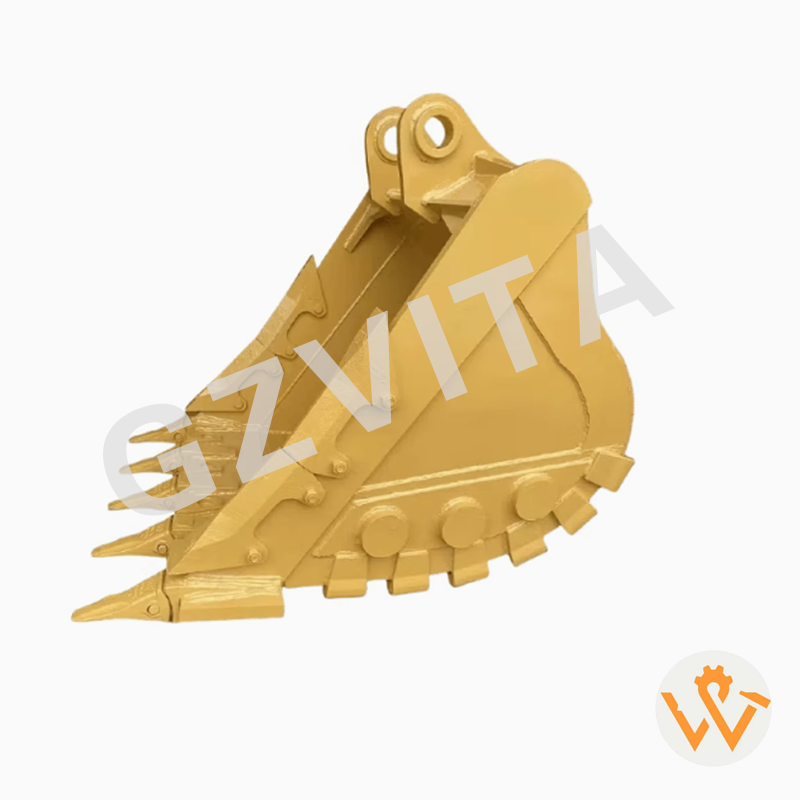
Heavy Duty Bucket 207-934-D605 For Excavator PC360-8M0

Heavy Duty Bucket 207-934-D605 For Excavator PC360-8M0 (01)
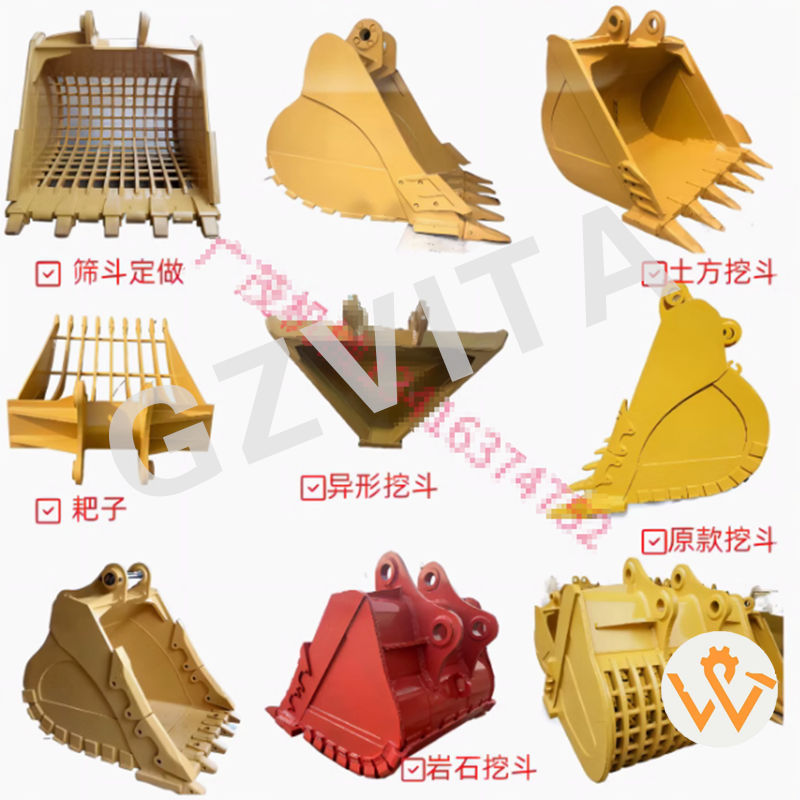
Heavy Duty Bucket 207-934-D605 For Excavator PC360-8M0 (02)
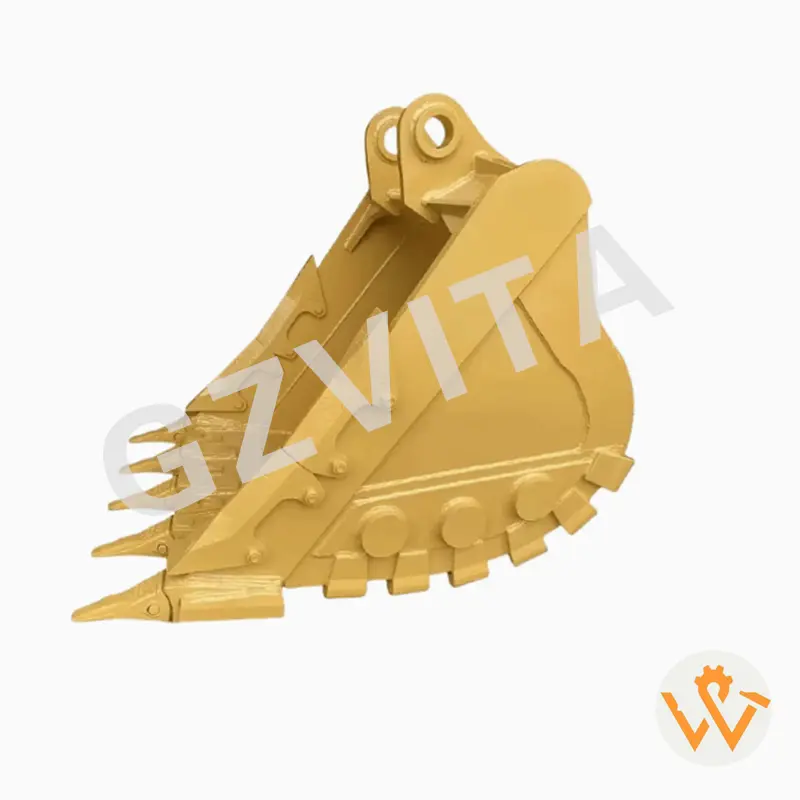
A heavy-duty excavator bucket is constructed from high-strength, abrasion-resistant steel and equipped with reinforced wear plates, thicker side cutters, and robust teeth. It is specifically designed to handle tough digging tasks involving rocks, gravel, and dense soils.
Choosing the right size depends on your excavator's operating weight, hydraulic capacity, and the density of the material you plan to move. Always check the machine's OEM specifications to avoid overloading and stability issues.
Inspections should be conducted daily before operation. Look for loose, cracked, or excessively worn teeth and cutting edges. Replacing wear parts early prevents structural damage to the main bucket shell.
Keep the bucket flat against the ground when starting the dig, and pull using a smooth, fluid motion of the joysticks. Avoid slamming the bucket into hard surfaces or using the bucket side-to-side for sweeping, as this stresses the excavator joints.
While heavy-duty buckets are highly durable, extreme demolition tasks (like breaking reinforced concrete or solid granite) are best performed using dedicated attachments like hydraulic breakers or extreme-duty rock buckets to prolong the life of your equipment.