 Vita Construction
1 / 4
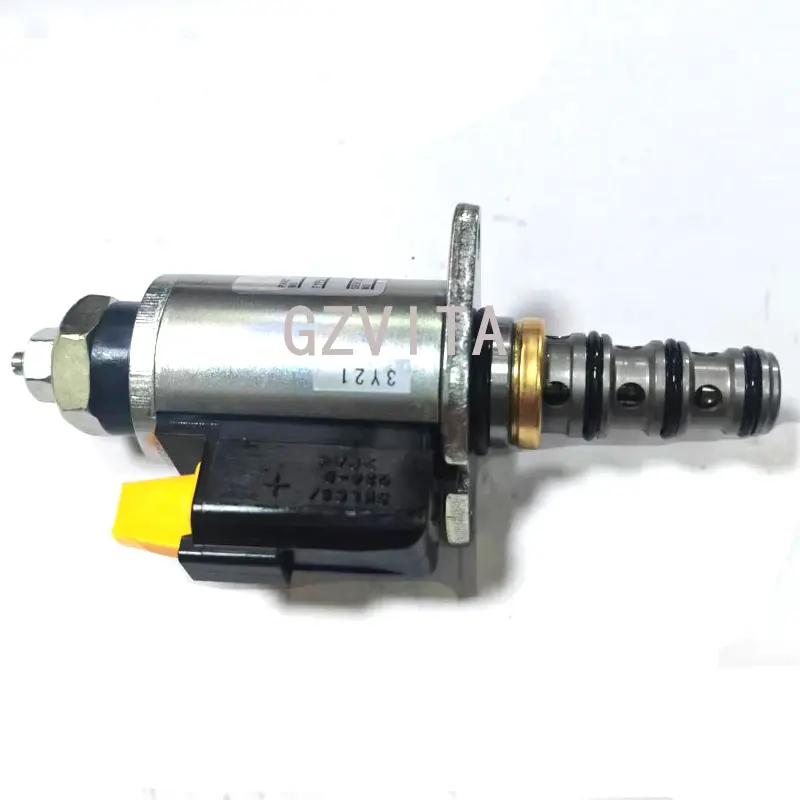
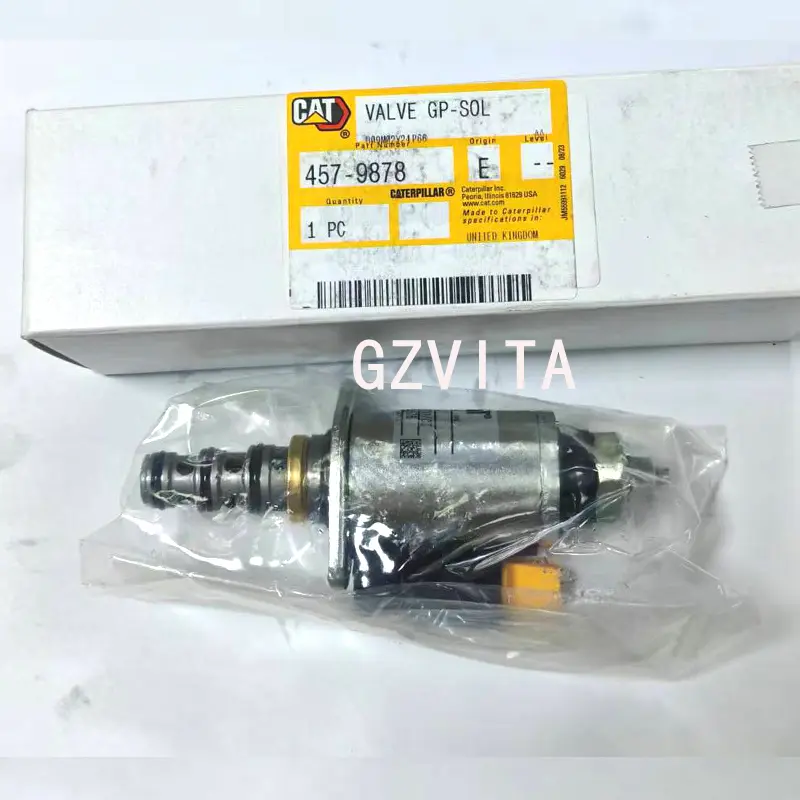
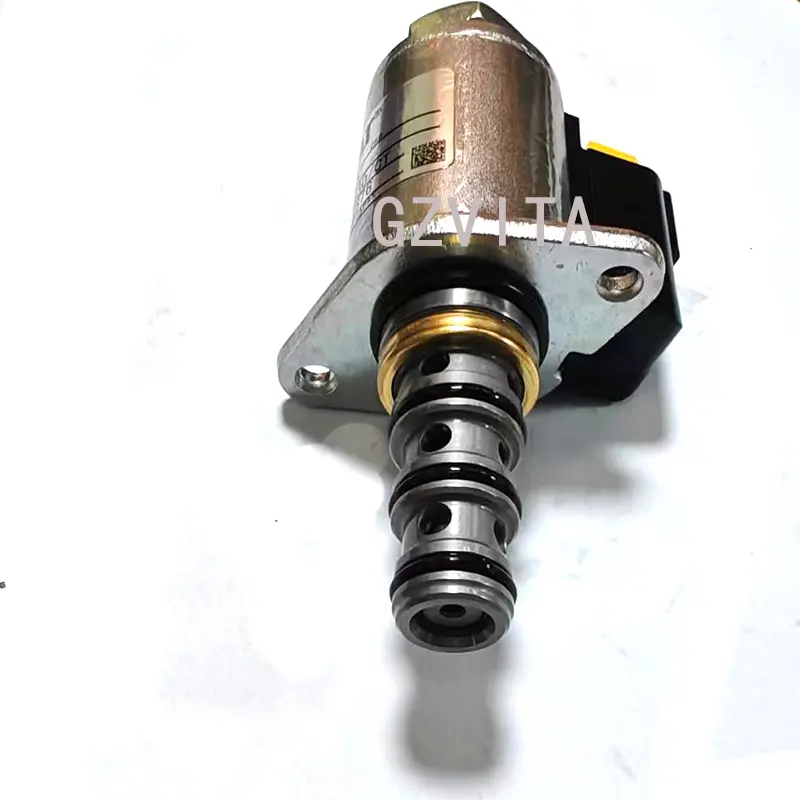
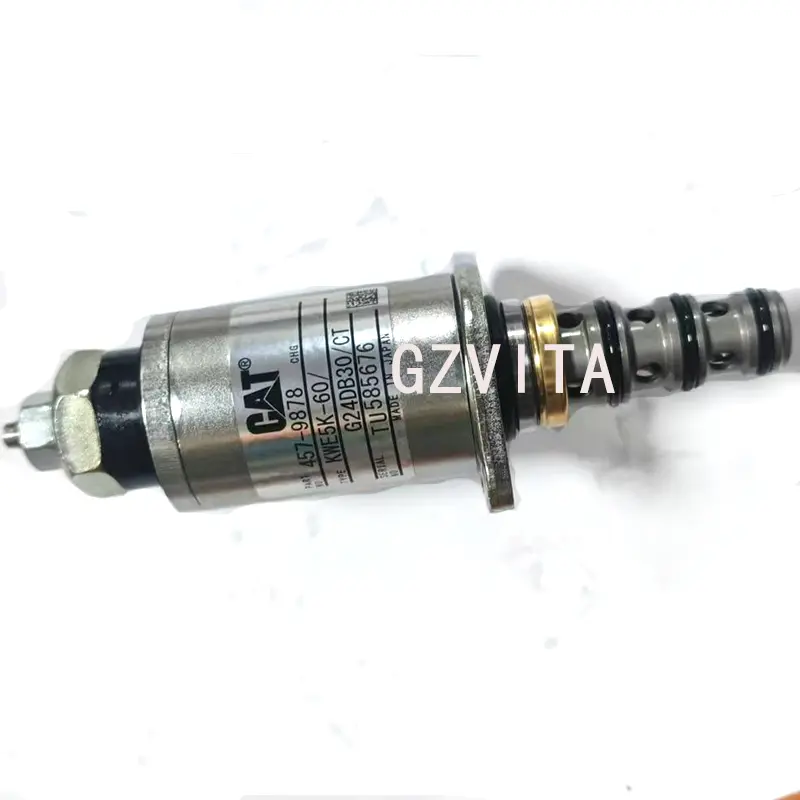
Selecting the right solenoid valve for an excavator is crucial for ensuring optimal performance and reliability of the hydraulic system. Here are the key factors to consider when choosing a solenoid valve:
Model Specifications: Ensure that the solenoid valve is compatible with the specific model of your excavator. Check the manufacturer's specifications and part numbers to find the correct valve.
Hydraulic System: Understand the hydraulic system of your excavator, including the pressure ratings and flow requirements. The solenoid valve must be able to handle the specific hydraulic pressures and flow rates of your system.
Functionality: Determine the type of solenoid valve needed based on its function. Common types include:
• Directional Control Valves: Used to control the direction of hydraulic fluid flow.
• Pressure Control Valves: Used to regulate pressure within the hydraulic system.
• Flow Control Valves: Used to manage the flow rate of hydraulic fluid.
Actuation Type: Decide whether you need a normally open (NO) or normally closed (NC) valve, depending on how you want the valve to behave when not energized.
Material: Choose a solenoid valve made from durable materials that can withstand the operating conditions of your excavator. Common materials include aluminum, brass, and stainless steel.
Sealing: Ensure that the valve has high-quality seals to prevent leaks and maintain performance under pressure.
Voltage Rating: Check the voltage rating of the solenoid valve to ensure it matches the electrical system of your excavator (e.g., 12V, 24V).
Coil Resistance: Consider the coil resistance and current requirements to ensure compatibility with the excavator's electrical system.
Flow Rate: Verify that the solenoid valve can handle the required flow rate for your hydraulic system. This is typically measured in liters per minute (L/min) or gallons per minute (GPM).
Pressure Rating: Ensure that the valve can withstand the maximum pressure of your hydraulic system. This is crucial for preventing valve failure and ensuring safe operation.
OEM vs. Aftermarket: Decide whether to choose an Original Equipment Manufacturer (OEM) solenoid valve or an aftermarket option. OEM parts are generally more reliable and compatible, while aftermarket parts may offer cost savings but can vary in quality.
Reputation: Research the reputation of the manufacturer or supplier. Look for reviews and feedback from other users to gauge the reliability and performance of the solenoid valve.
Ease of Installation: Consider how easy it will be to install the solenoid valve. Some valves may require special tools or expertise for installation.
Maintenance Requirements: Check if the valve requires regular maintenance or if it has features that reduce maintenance needs, such as self-cleaning or easy access for servicing.
Signs of a failing solenoid valve include erratic hydraulic function, slow response times of hydraulic components, fluid leaks, or error codes on the excavator's dashboard related to the electrical circuit.
No, you must match the voltage rating of the solenoid valve with the electrical system of your excavator. Using a 12V valve in a 24V system will cause the coil to burn out quickly, while using a 24V valve in a 12V system may result in the valve failing to open or close properly.
OEM (Original Equipment Manufacturer) valves match the exact specifications and quality standards of your excavator's original builder, offering maximum compatibility. Aftermarket valves are produced by third-party manufacturers, often costing less, but their build quality and fitment can vary.
If the flow rate is too low, it will restrict the hydraulic fluid, slowing down excavator movements. If the pressure rating is lower than the system's maximum operating pressure, the valve can suffer structural failure or internal seal blowouts.
Excavator solenoid valves are typically exposed to harsh environments, making brass, anodized aluminum, and stainless steel the best choices due to their resistance to corrosion and physical wear under high pressure.