 Vita Construction
1 / 4
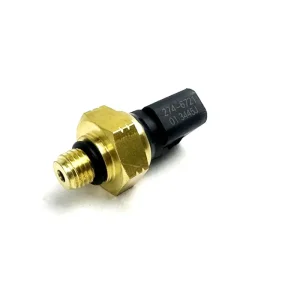
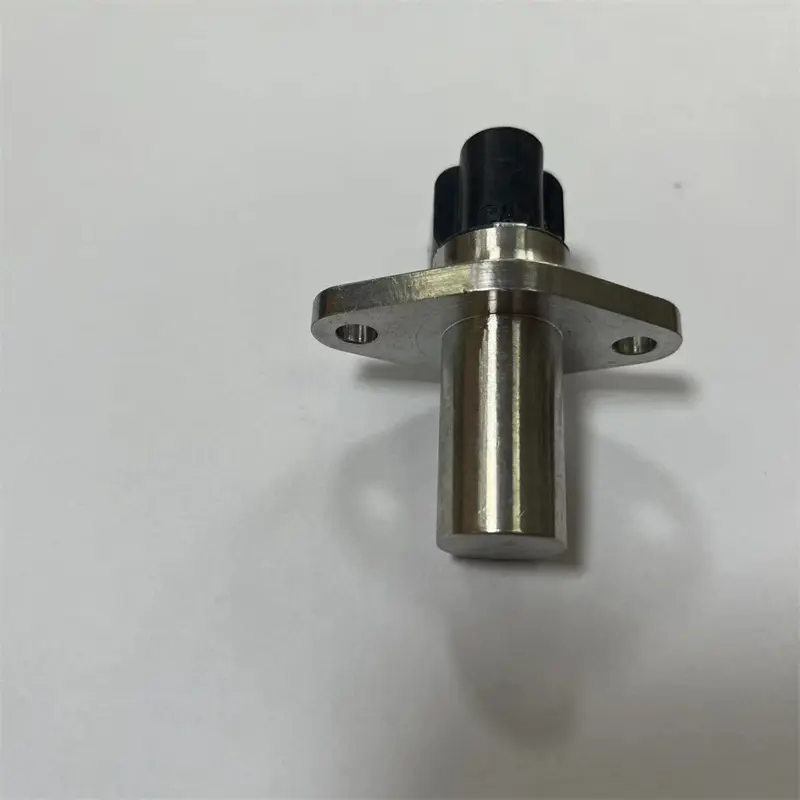
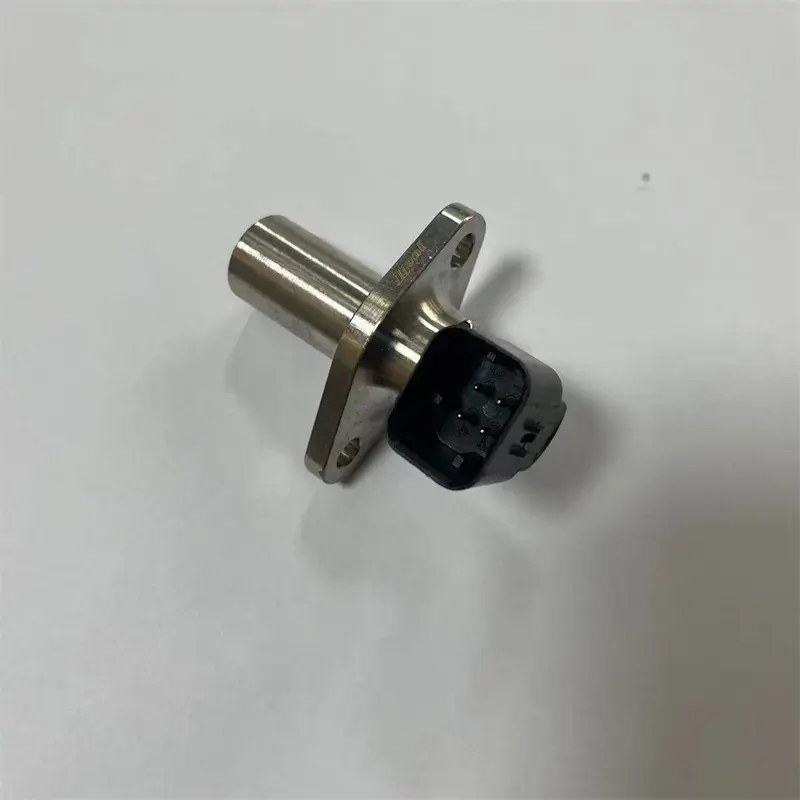
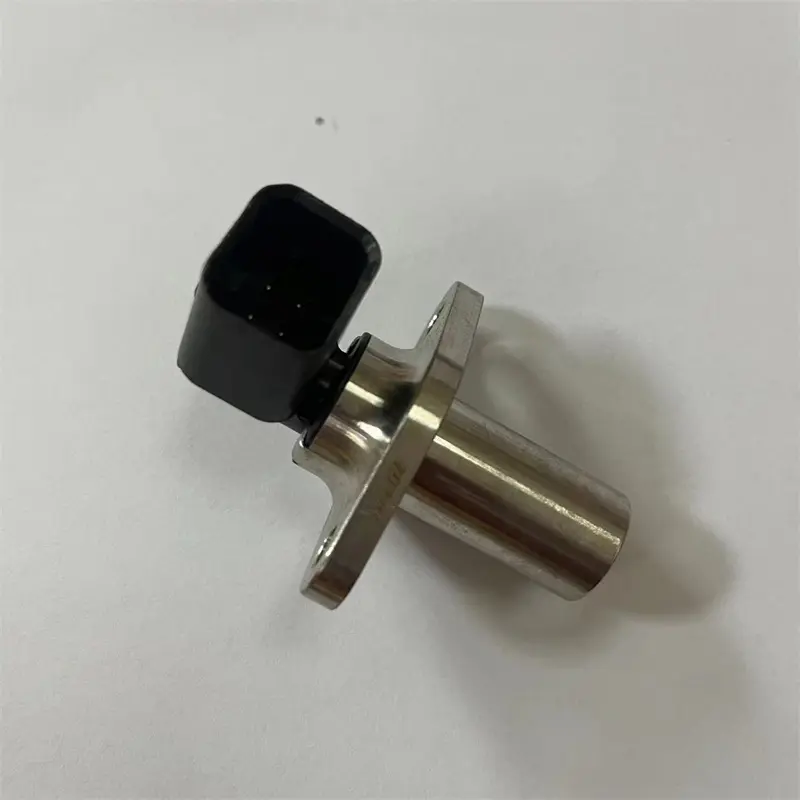
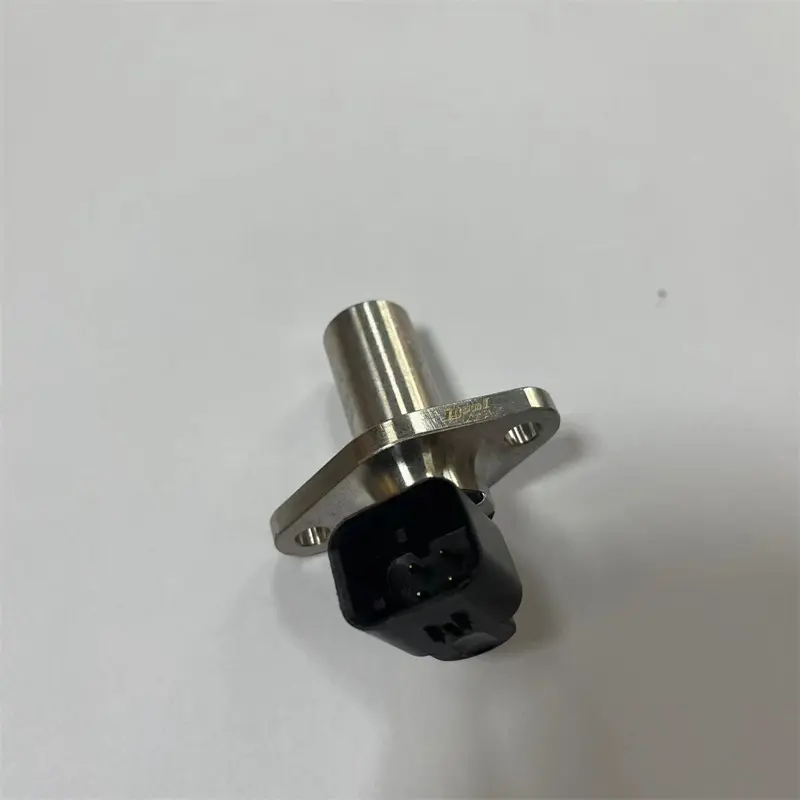
Installing a machinery speed sensor is an important task that helps monitor the speed of the equipment, ensuring optimal performance and safety. Here's a step-by-step guide on how to install a speed sensor on machinery, such as an excavator or other heavy equipment:
Ensure the machinery is turned off and parked on a stable surface. Engage the parking brake and disconnect the battery to prevent any accidental starts.
Refer to the machinery's service manual to locate the existing speed sensor or the designated mounting location for the new sensor. Common locations include near the transmission or on the axle.
If you are replacing an old speed sensor, carefully disconnect any electrical connectors. Use the appropriate tools to remove the sensor from its mounting location. Take note of how it is installed for reference.
Before installing the new sensor, inspect the mounting area for any debris, dirt, or damage. Clean the area thoroughly to ensure a proper seal and fit.
Position the new speed sensor in the designated mounting location. Ensure it is oriented correctly according to the manufacturer's specifications.
Use the appropriate bolts or fasteners to secure the speed sensor in place. If the manufacturer specifies a torque setting, use a torque wrench to tighten the bolts to the recommended specifications.
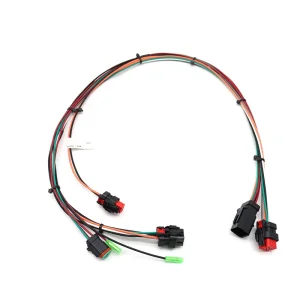
If the speed sensor has electrical connectors, reconnect them securely. Ensure that the connections are clean and free of corrosion. If necessary, use wire strippers and crimpers to attach new connectors.
Inspect the wiring leading to the speed sensor for any signs of wear or damage. Replace any damaged wiring to ensure proper functionality.
Once the sensor is installed and all connections are secure, reconnect the battery.
Start the machinery and monitor the speed sensor's readings. Check for any error codes or warning lights on the operator monitor. Ensure that the sensor is functioning correctly and providing accurate speed readings.
After testing, perform a final inspection to ensure everything is secure and functioning properly. Check for any leaks or loose connections.
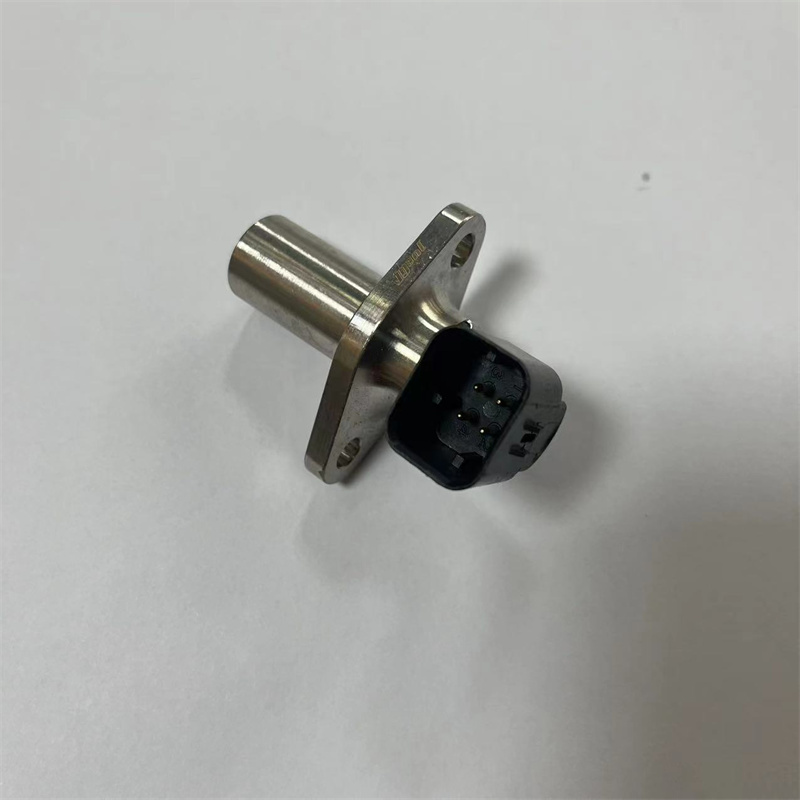
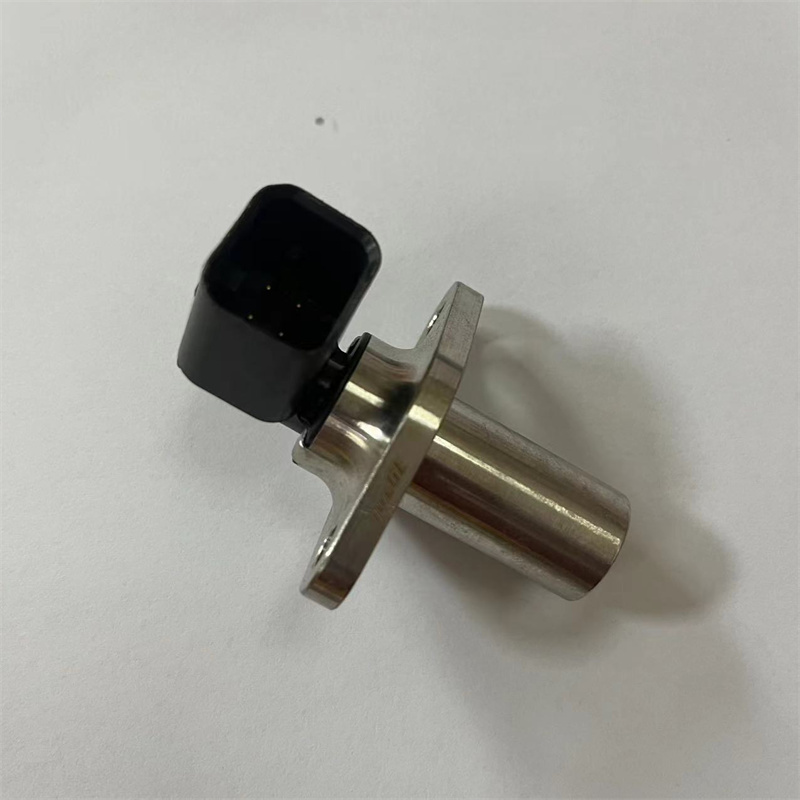
You will need a new speed sensor, wrenches and sockets, screwdrivers, a torque wrench, safety gear (gloves and goggles), clean rags, and potentially electrical connectors, wire strippers, and crimpers depending on the wiring state.
Ensure the machinery is completely turned off and parked on a stable surface. Always engage the parking brake and disconnect the battery to prevent accidental engine starts during the process.
The precise location depends on the model, but they are commonly mounted near the transmission or on the axle. Refer to your machinery's service manual to locate the exact spot.
Using a torque wrench ensures the bolts are tightened to the manufacturer's exact specifications. Over-tightening can damage the sensor housing, while under-tightening may lead to loose fittings and sensor misalignment.
Reconnect the battery, start the engine, and check the operator monitor for real-time speed readings. Ensure there are no active warning lights or speed-related error codes displayed on the dashboard.