 Vita Construction
1 / 3
Personal Protective Equipment (PPE): Always wear appropriate PPE, including gloves, safety glasses, and steel-toed boots, to protect yourself during the installation.
Machine Stability: Ensure the excavator is parked on a stable, level surface. Engage the parking brake and use wheel chocks to prevent movement.
Tools: Have the right tools ready, such as wrenches, sockets, a hydraulic jack, and a torque wrench.
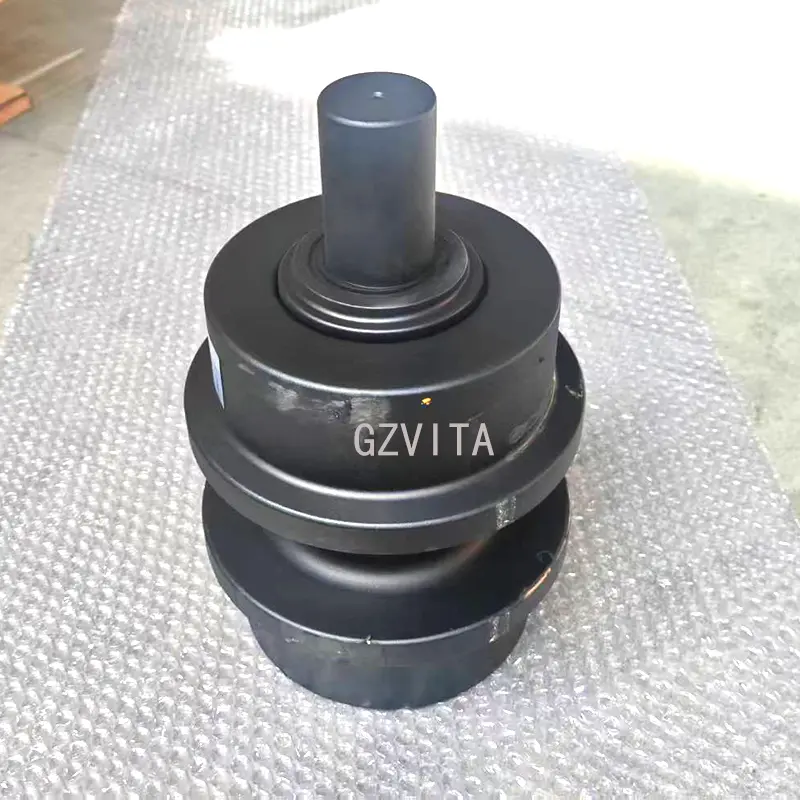
Replacement Parts: Ensure you have the correct carrier rollers and any necessary hardware (bolts, washers, etc.) for installation.
Before installation, inspect the new carrier rollers for any visible damage or defects. Ensure they are clean and free of debris.
If replacing old rollers, carefully remove them by loosening and removing the bolts or fasteners. Use a hydraulic jack to support the weight of the track and relieve tension before removal. Take note of the orientation and position of the old rollers for reference during the installation.
Clean the mounting surfaces on the excavator where the carrier rollers will be installed. Remove any dirt, grease, or debris to ensure a proper fit.
Position the new carrier roller in place, ensuring it aligns correctly with the mounting holes. Insert and hand-tighten the bolts or fasteners to hold the roller in place. Ensure that the roller is oriented correctly according to the manufacturer’s specifications.
Use a torque wrench to tighten the bolts to the manufacturer’s recommended specifications. This ensures that the carrier roller is securely fastened and prevents loosening during operation.
After installation, check the alignment of the carrier roller with the track. Ensure that it moves freely without any obstruction. Rotate the track to ensure that the roller engages properly and that there are no unusual noises or resistance.
Conduct a final inspection to ensure all connections are secure and that there are no loose components. Check for any signs of wear or damage in the surrounding components, such as the track and idlers.
Once the installation is complete, start the excavator and perform a few test movements. Monitor the operation of the carrier rollers to ensure they function correctly.
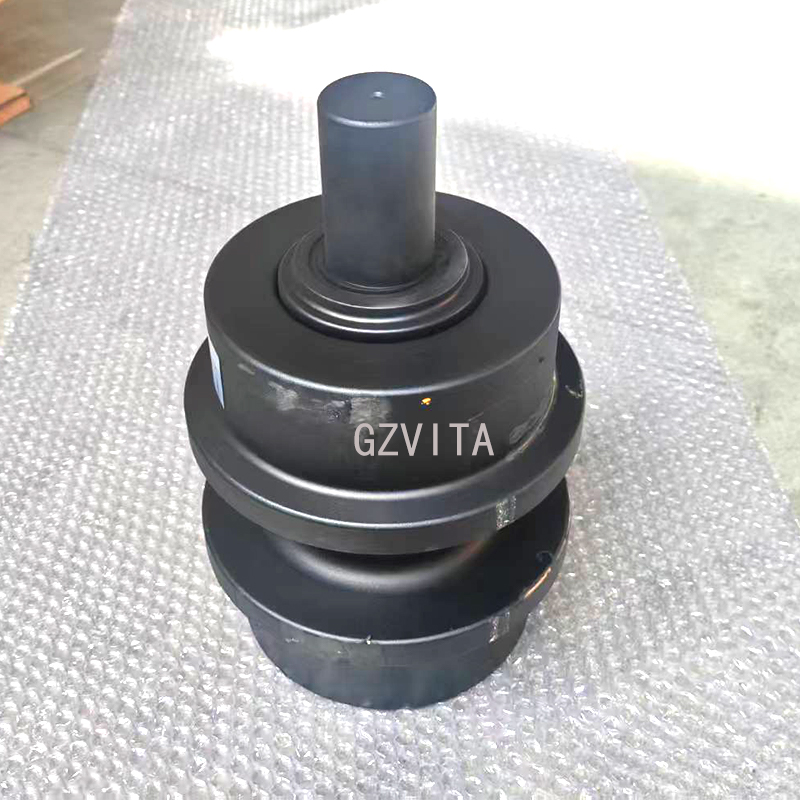
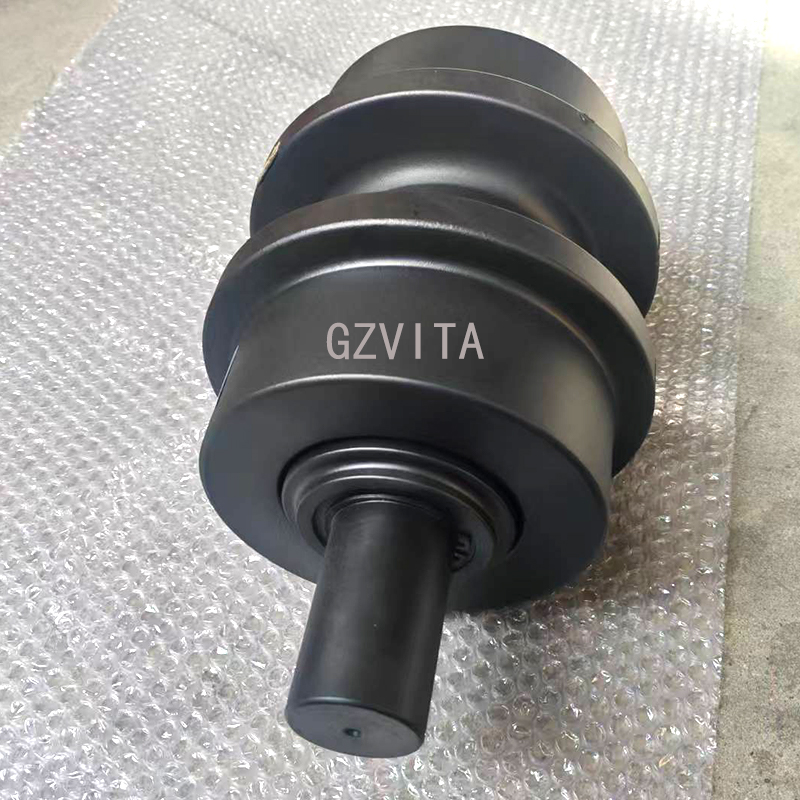
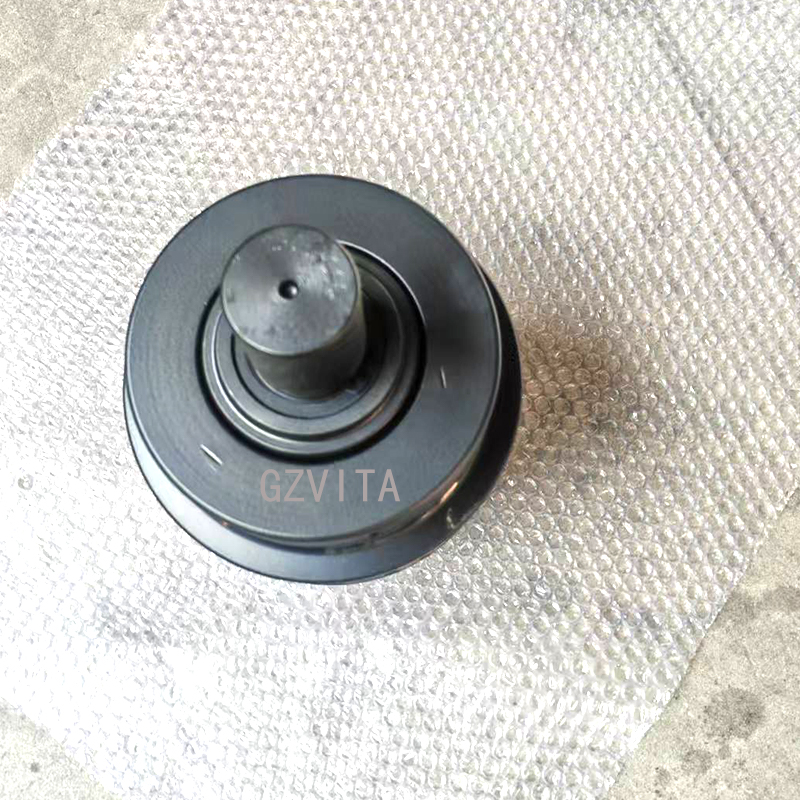
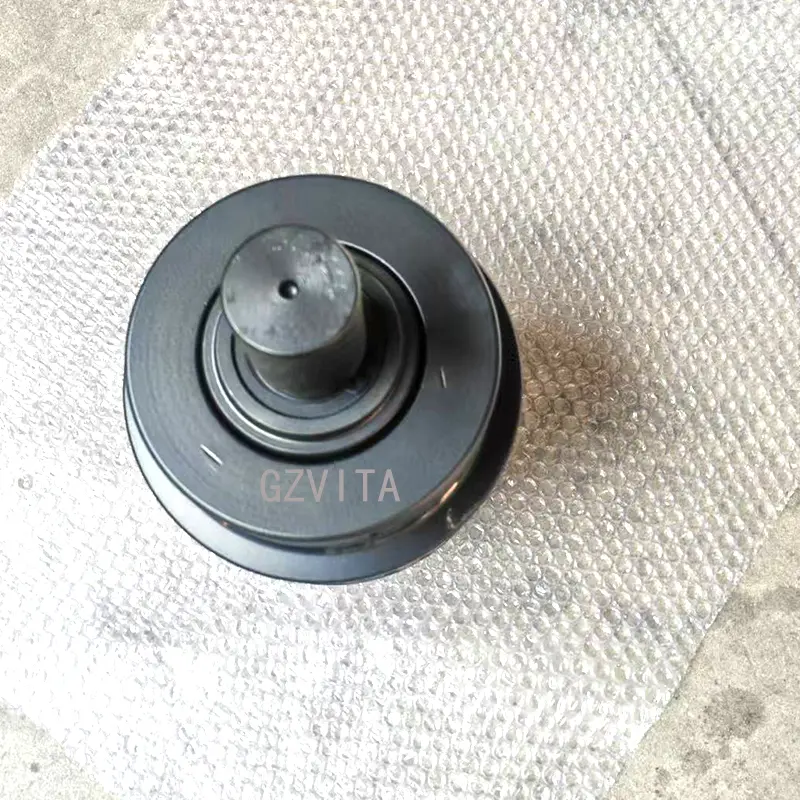
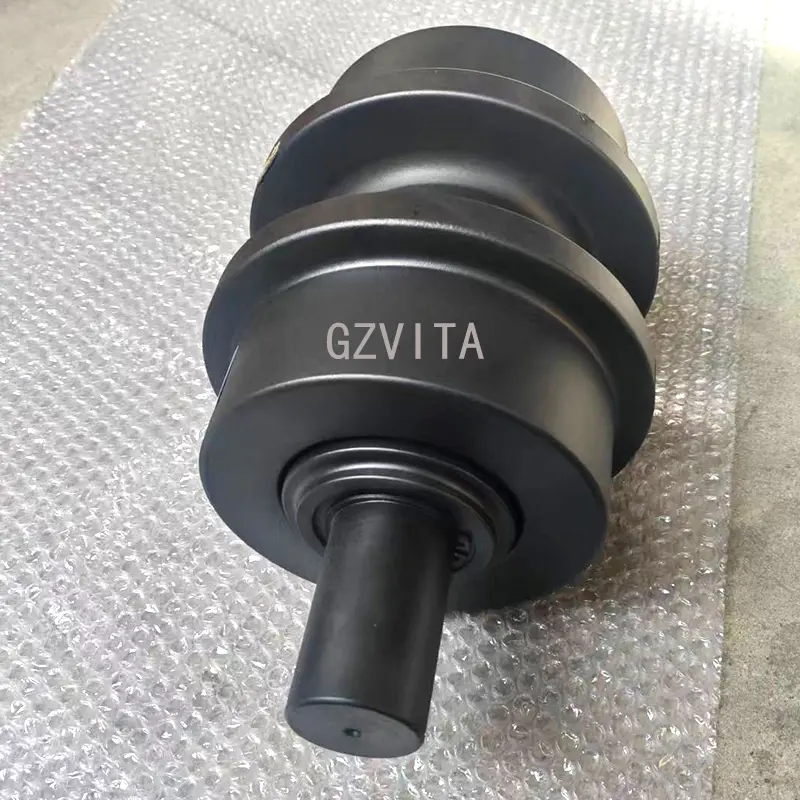
The carrier roller, also known as the top roller, is mounted on the upper part of the track frame. Its main function is to support the weight of the track chain, prevent the track from sagging, and guide the track smoothly during machine movement.
It is recommended to inspect carrier rollers daily for visible leaks, debris buildup, or flat spots. A thorough inspection of the undercarriage components, including bolt tightness and wear patterns, should be done every 250 operating hours.
Common indicators of failure include oil leaking around the roller seals, abnormal noises (such as squeaking or grinding), uneven track wear, or a flat surface on the roller wheel, which indicates that the roller has stopped rotating.
Proper torque ensures that the mounting bolts remain secure under extreme operating vibrations and stress. Under-tightening can cause the roller to fall off, while over-tightening can damage the threads or break the mounting bolts.
Yes, you can replace the carrier roller without removing the entire track. By using a hydraulic jack to lift the track slightly and relieve the tension, you can safely slide the old roller out and install the new one.