 Vita Construction

1 / 4
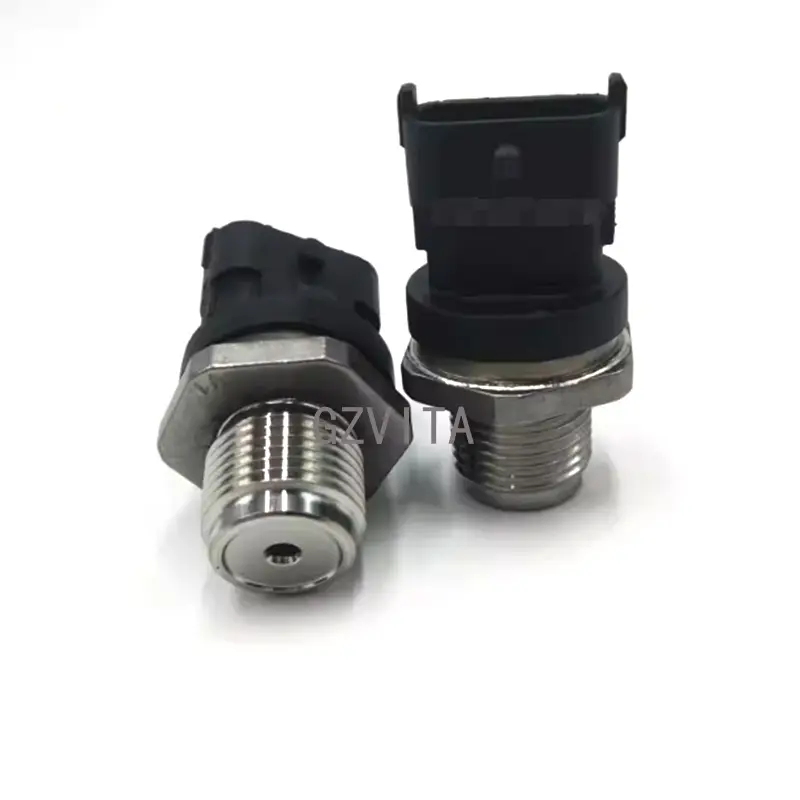
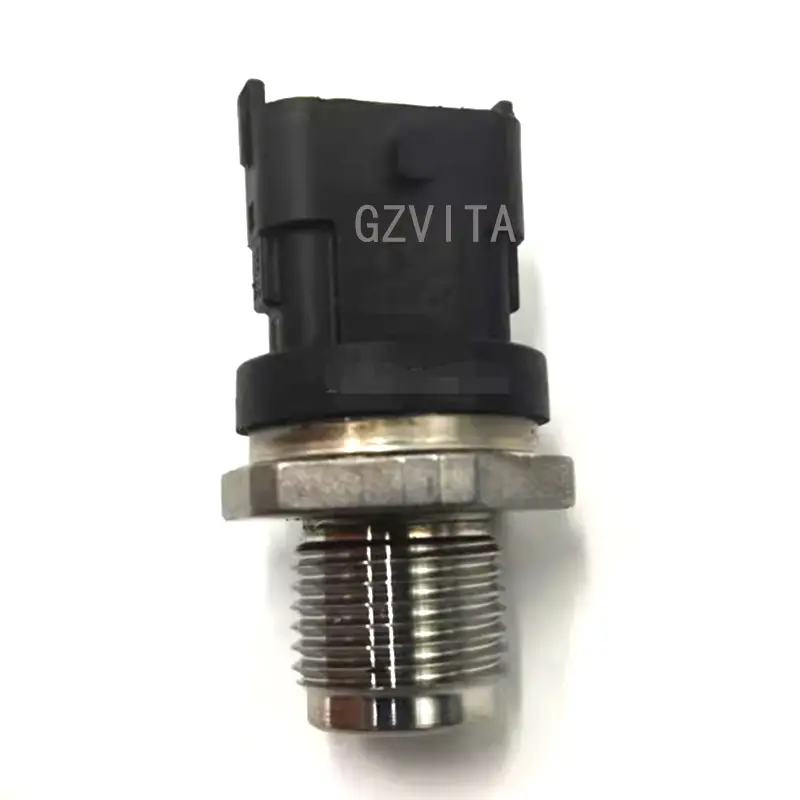
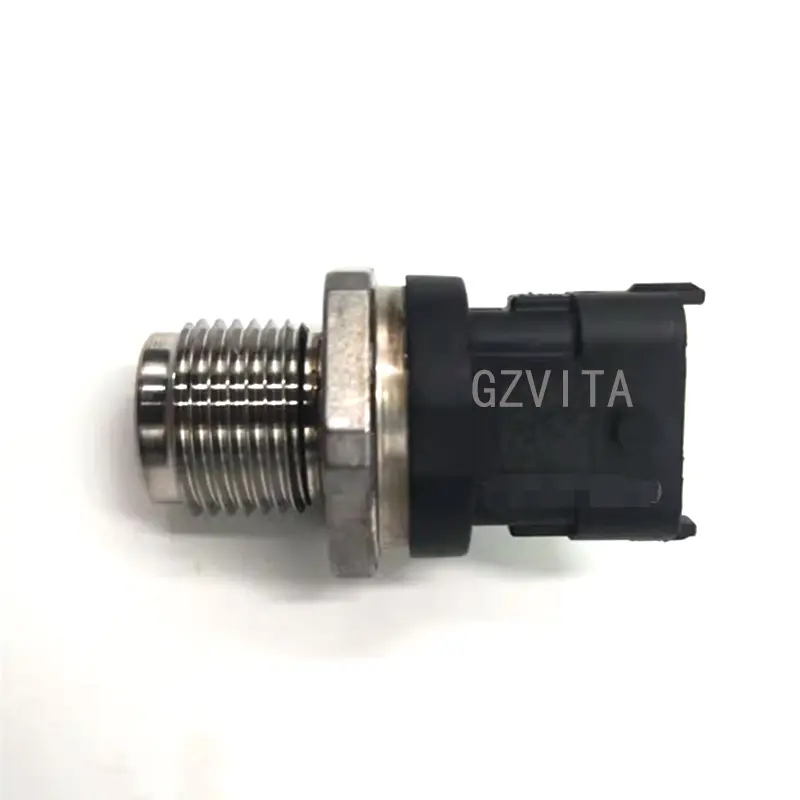
Yes, the common rail pressure sensor is an important component in diesel engines that use a common rail fuel injection system. Here are some reasons why it is significant:
The common rail pressure sensor measures the pressure of the fuel in the common rail. This information is crucial for the engine control unit (ECU) to determine the optimal timing and amount of fuel to inject into the combustion chamber.
Accurate pressure readings help ensure that the engine operates efficiently, providing the right amount of fuel for various operating conditions. This can lead to improved performance, better throttle response, and enhanced power output.
Proper fuel injection is essential for minimizing emissions. The common rail pressure sensor helps the ECU adjust the fuel delivery to meet emissions standards, reducing pollutants such as NOx and particulate matter.
By optimizing the fuel injection process, the common rail pressure sensor contributes to better fuel efficiency, which can lead to cost savings for the operator and reduced environmental impact.
The sensor can also play a role in diagnostics. If the pressure readings are outside of expected ranges, it can indicate issues with the fuel system, such as blockages, leaks, or pump failures. This allows for timely maintenance and repairs, preventing more significant problems.
The common rail pressure sensor is vital for the efficient and effective operation of diesel engines, impacting performance, emissions, fuel economy, and overall engine health.
It measures the real-time pressure of the fuel inside the common rail and feeds this data to the engine control unit (ECU) to optimize fuel delivery.
By providing precise pressure data, it allows the ECU to inject the exact amount of fuel needed for current driving conditions, improving power output and throttle response.
Yes. Without accurate pressure readings, the ECU cannot regulate fuel injection correctly, leading to incomplete combustion and higher output of pollutants like NOx.
Absolutely. It helps maintain the most efficient fuel injection cycles, minimizing wasted fuel and optimizing overall fuel economy.
It alerts the system when the rail pressure is abnormally high or low. These readings help technicians identify system leaks, blockages, or failing fuel pumps early.