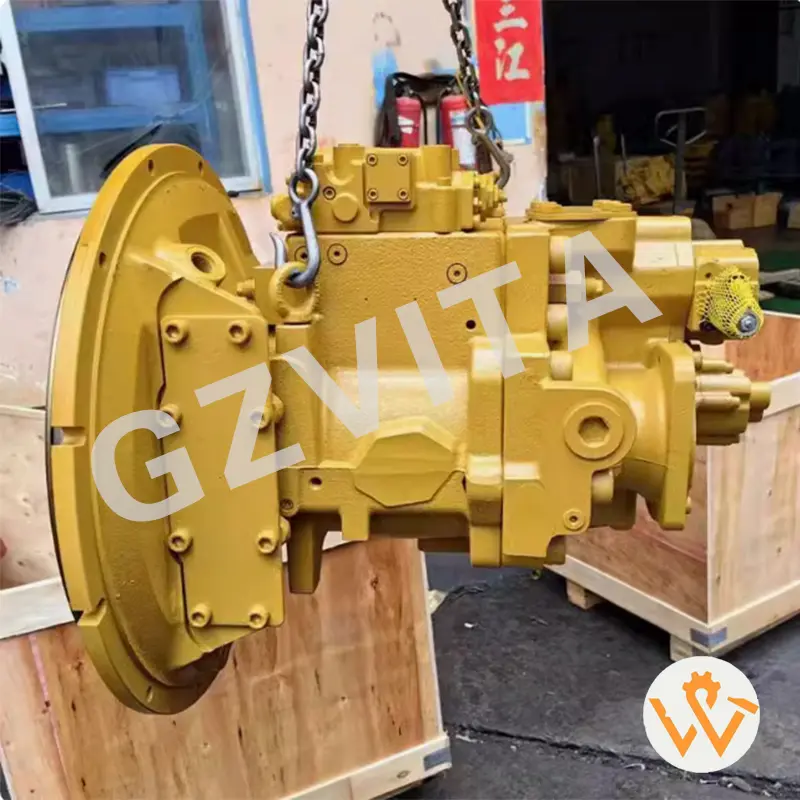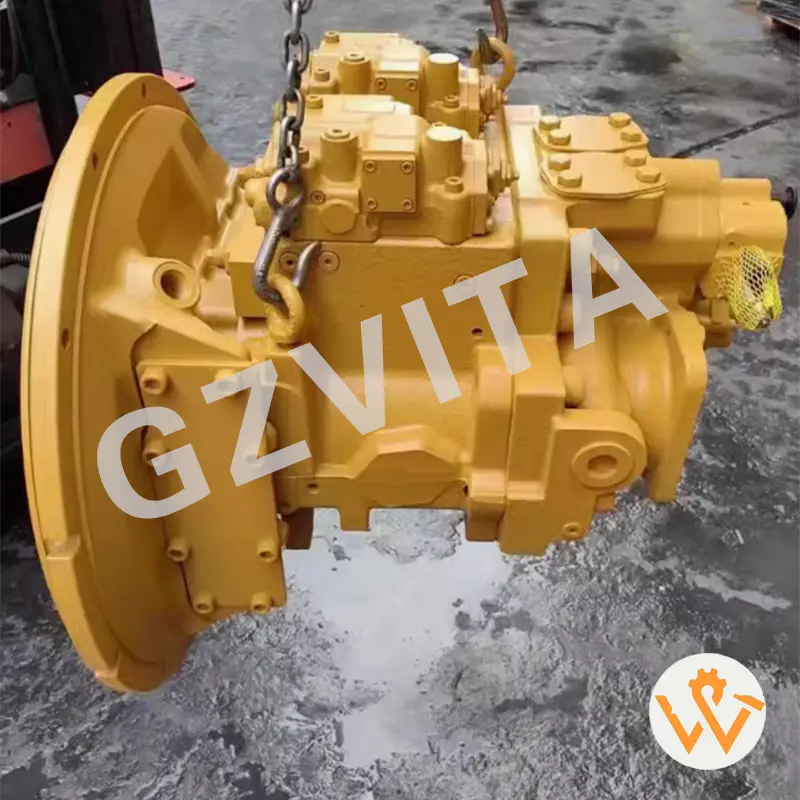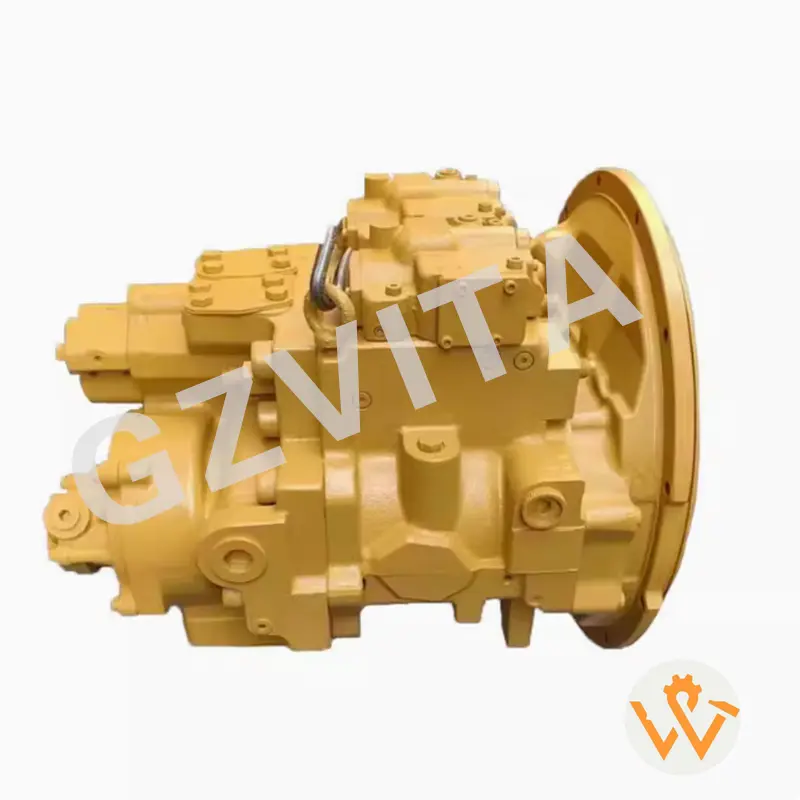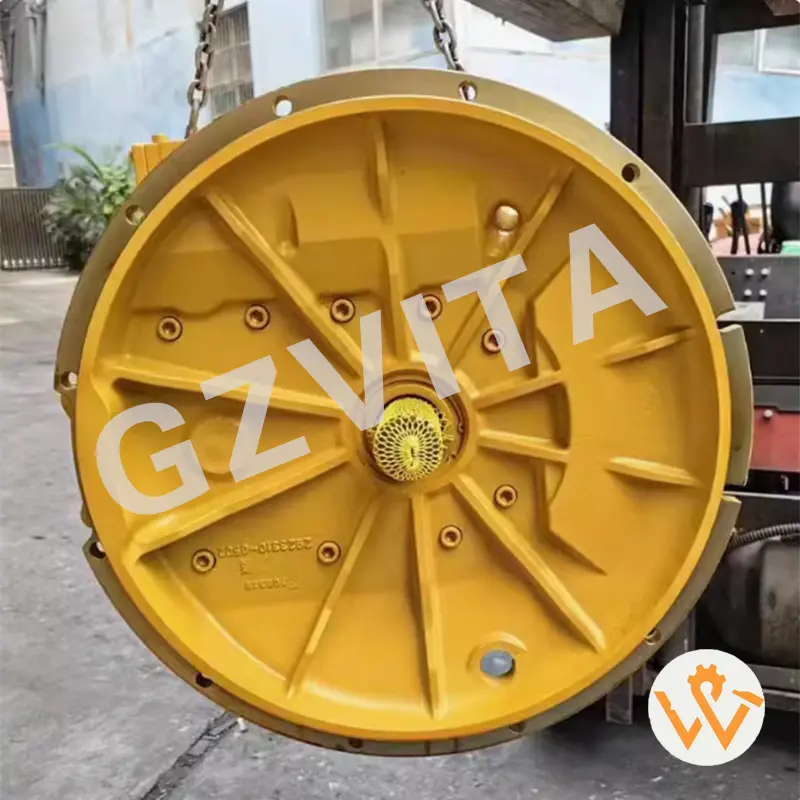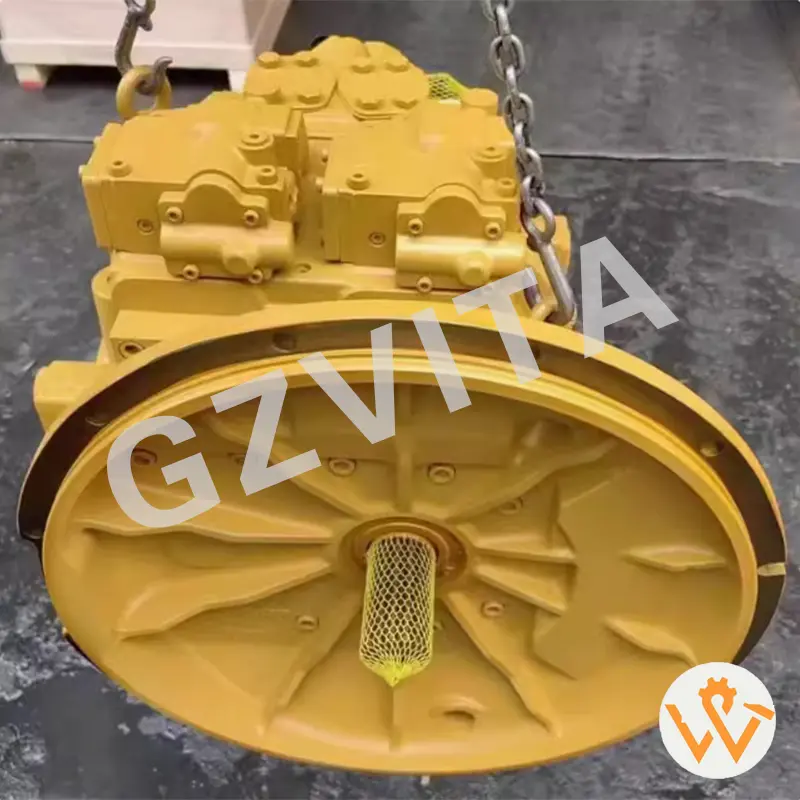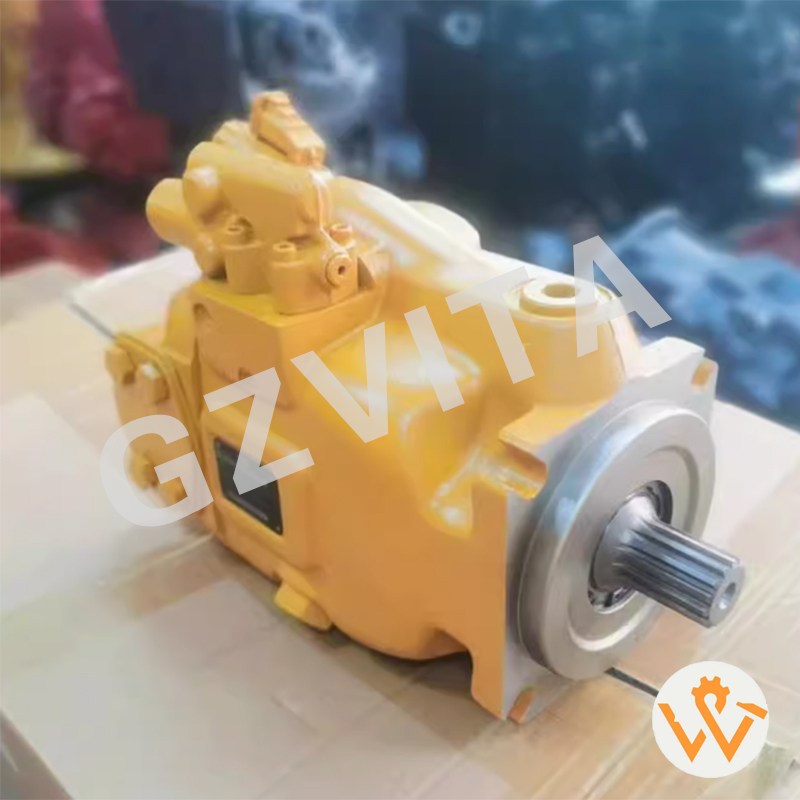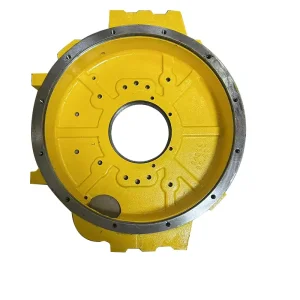
Wholesale Excavator Spare Parts K5V212 Hydraulic Pump for Cat 345D 349D 329DL Main Pump 497-8497 434-8189 295-9663 1948259 Caterpillar Supplier, Companies

Internal leakage​ – Excessive wear causing low flow/pressure.

Shaft seal failure​ – External hydraulic oil leakage.

Bearing wear/noise​ – Causing vibration and potential shaft damage.

Cavitation damage​ – From air ingress or restricted inlet flow.

Overheating​ – Due to inefficiency, high load, or poor cooling.

Pressure loss/drop​ – Inability to reach or maintain rated pressure.

Low flow output​ – Reduced machine speed and weak performance.

Erratic operation​ – Surging or inconsistent hydraulic action.

Unusual noise (whine/knock)​ – Indicating wear or cavitation.

Case drain flow excessive​ – Sign of severe internal wear.

Control response sluggish​ – Slow reaction to operator commands.

Pump housing cracks​ – From stress, freezing, or impact.

Coupling/shear pin failure​ – Due to shock load or misalignment.

Contamination damage​ – From abrasive particles in the oil.

Swashplate/cylinder wear​ – In variable displacement pumps.

Valve plate scoring​ – Leading to internal leakage and heat.

Slipper pad wear​ – Causing noise and loss of efficiency.

Servo piston sticking​ – In variable pumps, causing control failure.

Charge pump failure​ – In closed-loop systems, causing weak steering/travel.

Pressure compensator fault​ – Failing to maintain set pressure.

Flow compensator fault​ – Failing to deliver demanded flow.

Solenoid valve failure​ – In electronically controlled pumps.

Sensor failure (pressure/displacement)​ – Sending erroneous signals to controller.

Mounting bolt loosening​ – Causing misalignment and vibration.

Oil aeration​ – Pump drawing in air, causing noise and damage.

Water contamination​ – Leading to corrosion and reduced lubrication.

Incorrect oil viscosity​ – Causing poor lubrication or high resistance.

Over-pressurization​ – From relief valve failure, damaging internals.

Fatigue failure​ – Of internal components from cyclic loading.

General efficiency degradation​ – Gradual loss of performance and increased fuel consumption.

Product Description

Product Introduction

The excavator piston pump plays a crucial role in the hydraulic system of an excavator, which is essential for its operation. Here are the key functions and roles of the excavator piston pump:

Hydraulic Fluid Generation

The piston pump generates hydraulic fluid pressure by using pistons to compress hydraulic oil. This pressurized fluid is essential for powering various hydraulic components of the excavator.

Powering Hydraulic Functions

The hydraulic pressure produced by the piston pump is used to operate the excavator’s hydraulic cylinders, which control the movement of the boom, arm, bucket, and other attachments. This allows for precise and powerful movements necessary for excavation tasks.

Efficiency and Performance

Piston pumps are known for their high efficiency and ability to deliver a consistent flow of hydraulic fluid under varying loads. This ensures that the excavator can perform effectively in different working conditions.

Variable Displacement

Many excavator piston pumps are designed with variable displacement capabilities, allowing them to adjust the flow rate and pressure based on the demands of the hydraulic system. This feature enhances the machine’s performance and fuel efficiency.

Durability and Reliability

Piston pumps are built to withstand high pressures and harsh working environments, making them a reliable choice for heavy machinery like excavators. Their robust design contributes to the overall longevity of the hydraulic system.

Control and Precision

The hydraulic system, powered by the piston pump, allows for precise control of the excavator’s movements. Operators can make fine adjustments to the position and force applied by the excavator’s components, which is critical for tasks that require accuracy.
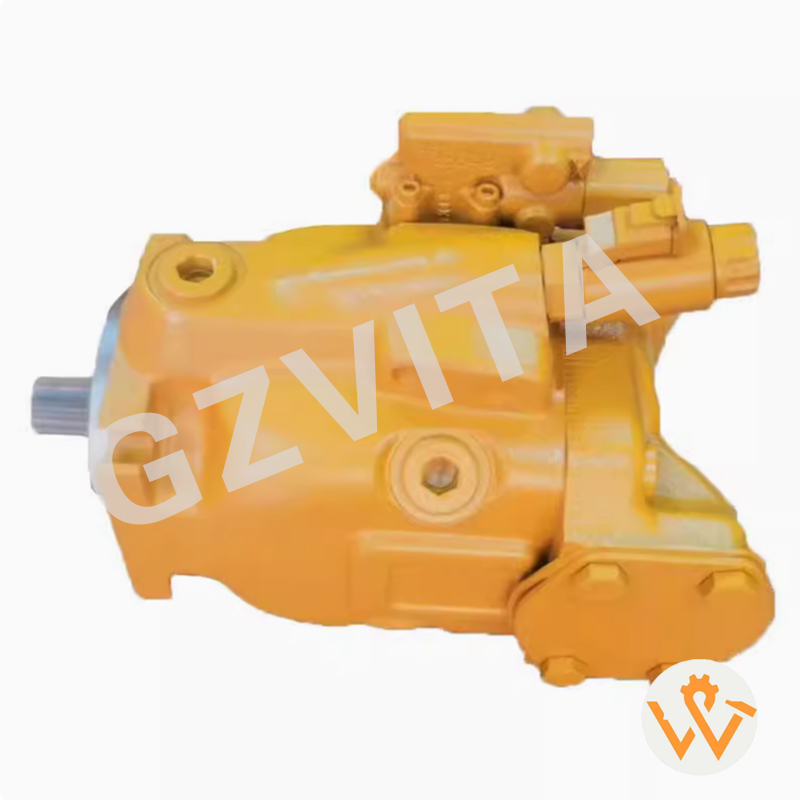
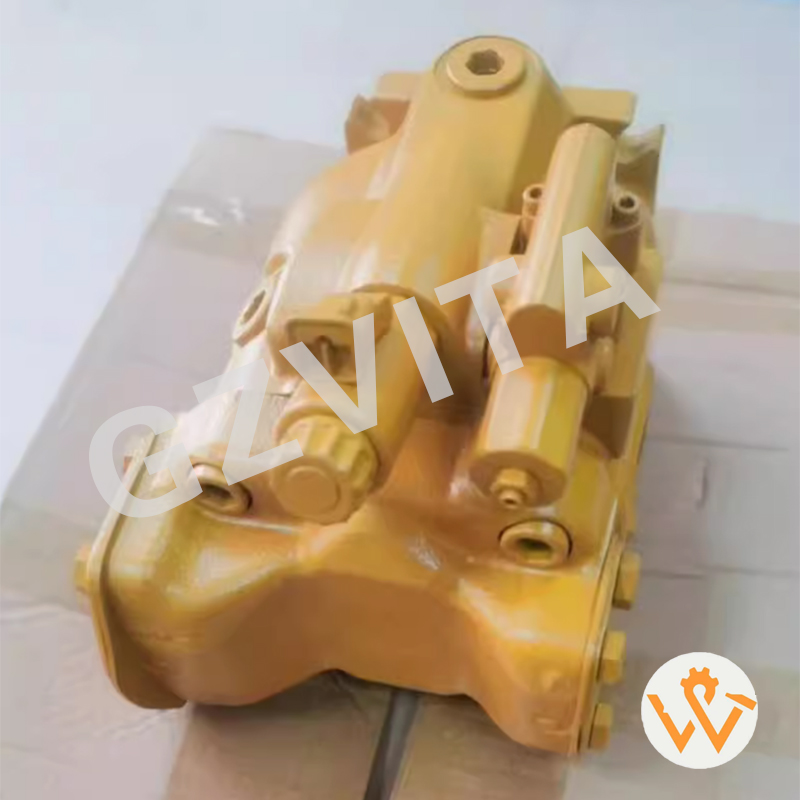
Excavator piston pump is a vital component that enables the hydraulic system to function effectively, providing the necessary power and control for the excavator’s operations.

Product Display

Frequently Asked Questions

What is the primary function of an excavator piston pump?

The main function of the piston pump is to generate high hydraulic fluid pressure. By compressing hydraulic oil using pistons, it provides the necessary force and flow to power the excavator's cylinders, boom, arm, bucket, and other attachments.

How does variable displacement benefit the excavator's performance?

Variable displacement allows the piston pump to automatically adjust the flow rate and pressure according to the system load requirements. This optimization prevents power loss, increases overall machine productivity, and improves fuel efficiency.

Why are piston pumps preferred over other pump types in excavators?

Piston pumps are highly efficient, reliable, and capable of operating under extremely high pressure and in harsh working conditions. Their robust construction ensures durability, which is essential for heavy-duty earthmoving machinery.

Can an excavator piston pump maintain consistent performance under varying loads?

Yes, excavator piston pumps are engineered to deliver a consistent flow of hydraulic fluid under changing workload demands, ensuring smooth and reliable operational performance during digging, lifting, and swinging actions.

Does the piston pump affect the accuracy of the excavator's movements?

Absolutely. The high-pressure hydraulic system driven by the piston pump enables precise control. Operators can make delicate adjustments to the position and force of the arm, bucket, and attachments, which is critical for tasks requiring high precision.
Related Products