 Vita Construction
1 / 4
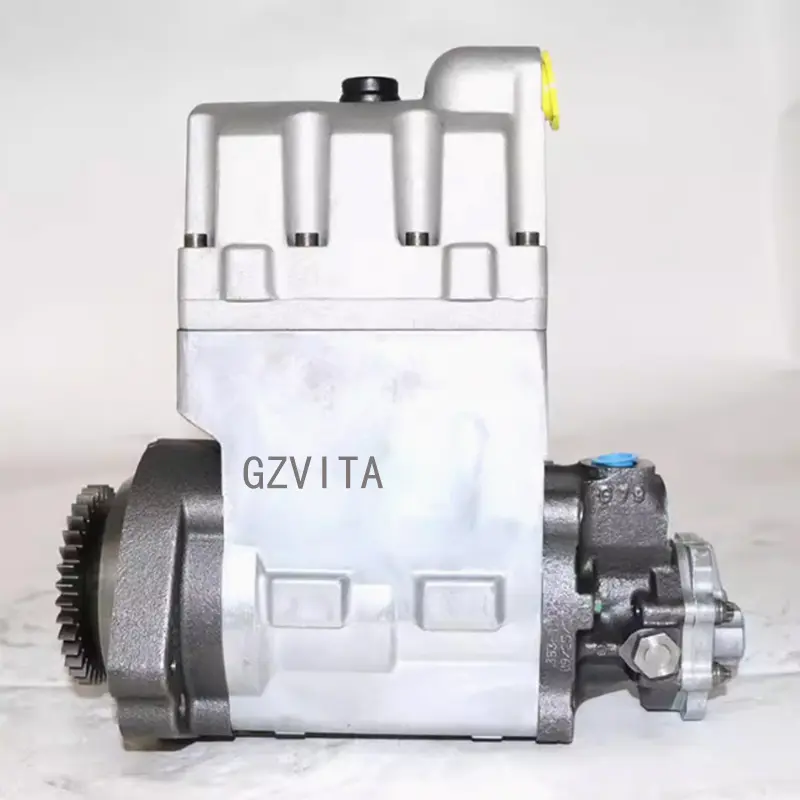
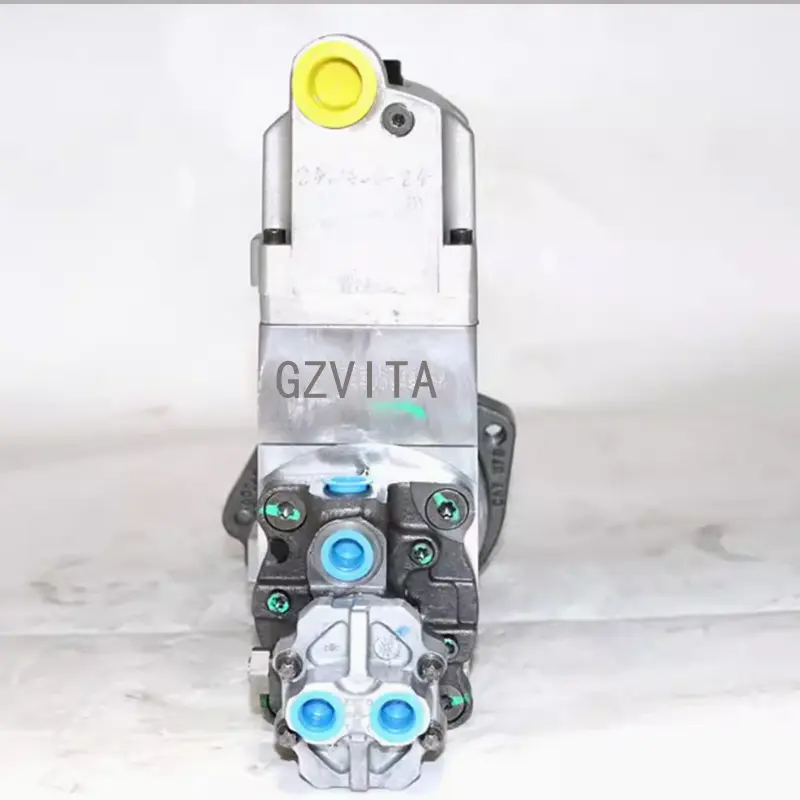
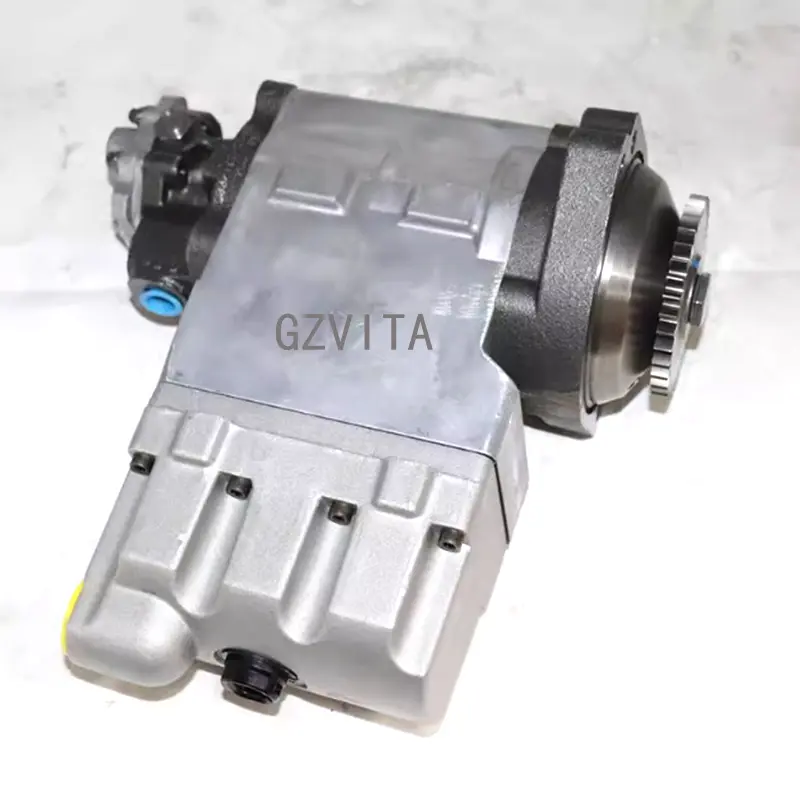
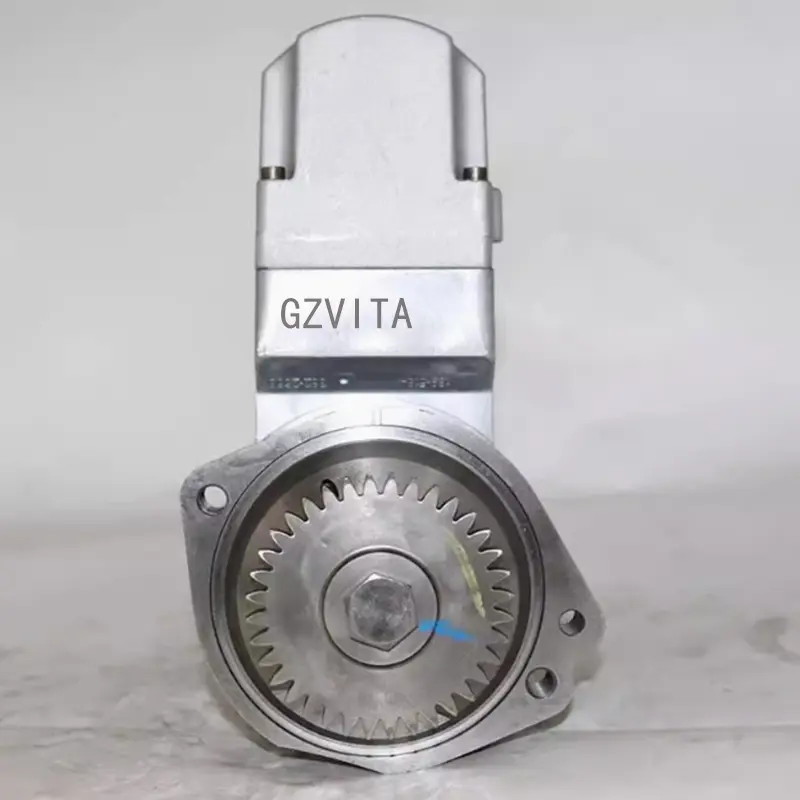
The primary function of a fuel injection pump is to draw fuel from the tank and deliver it to the engine. It ensures that the fuel is supplied at the correct pressure and volume, which is essential for efficient combustion.
The pump also plays a crucial role in timing the injection of fuel into the combustion chamber. Proper timing is vital for maximizing power output and minimizing emissions.
Fuel injection pumps maintain the necessary pressure for fuel delivery. This pressure is critical for atomizing the fuel, allowing it to mix effectively with air for combustion.
The pump helps in breaking down the fuel into fine droplets, which enhances the combustion process. Better atomization leads to more efficient fuel burning, resulting in improved engine performance and reduced emissions.
These pumps operate based on mechanical components and are commonly found in older excavator models. They rely on engine speed and load to adjust fuel delivery.
Modern excavators often use electronic fuel injection (EFI) systems. These pumps are controlled by an electronic control unit (ECU) that optimizes fuel delivery based on various parameters, such as engine speed, load, and temperature.
Some advanced excavators utilize common rail fuel injection systems, where a single rail supplies fuel to multiple injectors. This system allows for precise control of fuel delivery and timing, improving efficiency and reducing emissions.
A well-functioning fuel injection pump ensures that the engine operates at peak efficiency, which is crucial for reducing fuel consumption and operational costs.
Proper fuel delivery and timing directly impact the power output of the excavator. An efficient pump contributes to better performance during heavy lifting and digging operations.
With increasing regulations on emissions, fuel injection pumps play a vital role in minimizing harmful exhaust gases. Advanced injection systems help achieve cleaner combustion, meeting environmental standards.
The durability and reliability of the fuel injection pump are essential for the overall performance of the excavator. Regular maintenance and timely replacement of worn components can prevent breakdowns and ensure consistent operation.
The primary role is to deliver a precise amount of fuel to the engine's combustion chamber at the correct pressure and timing, ensuring the excavator's diesel engine runs efficiently and cleanly.
Fuel atomization breaks the fuel down into fine droplets, enabling a better mix with air. This results in more complete and efficient combustion, which maximizes engine power and reduces exhaust emissions.
Mechanical pumps rely on engine speed and load using physical linkages, commonly found in older machinery. Electronic injection pumps are managed by an Electronic Control Unit (ECU), adjusting fuel flow dynamically based on real-time parameters for improved efficiency.
It is an advanced injection design where a single high-pressure fuel rail feeds multiple injectors. This allows for superior, independent control over fuel injection timing and pressure, enhancing fuel efficiency and reducing emissions.
Regular maintenance and prompt replacement of worn pump components help sustain optimal engine power, prevent unexpected excavator breakdowns, optimize fuel consumption, and keep exhaust emissions within required environmental regulations.