 Vita Construction
1 / 4
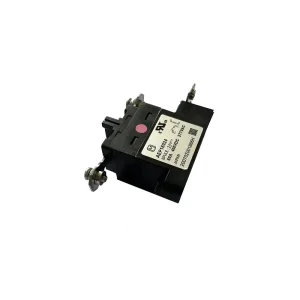
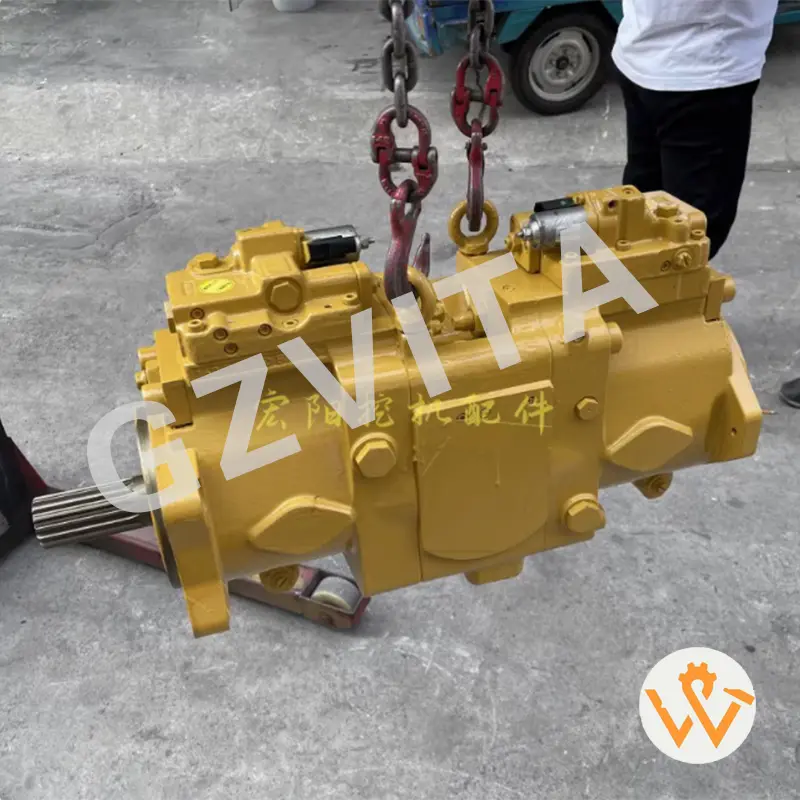
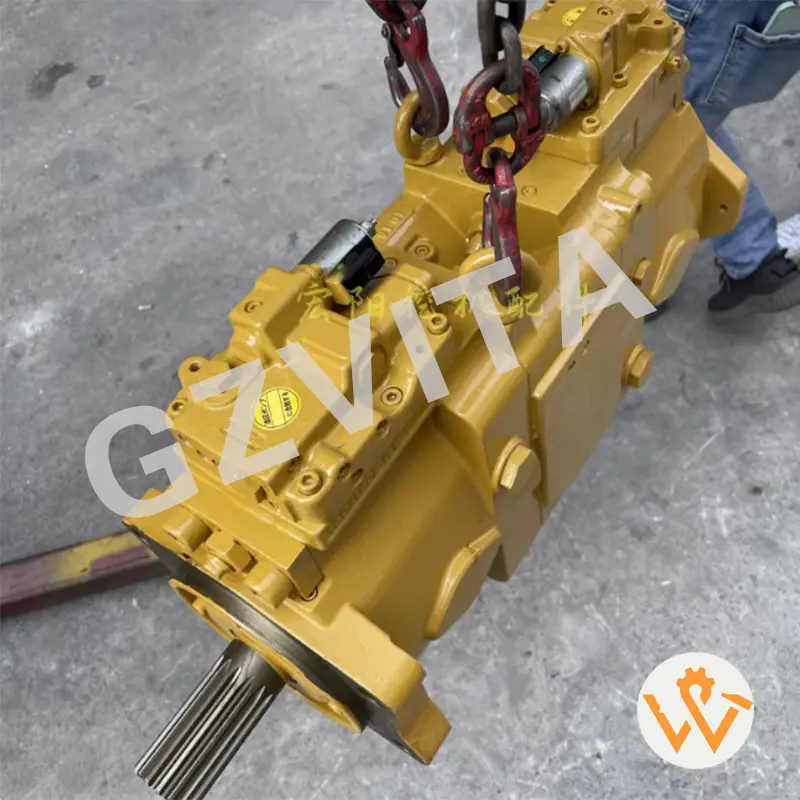
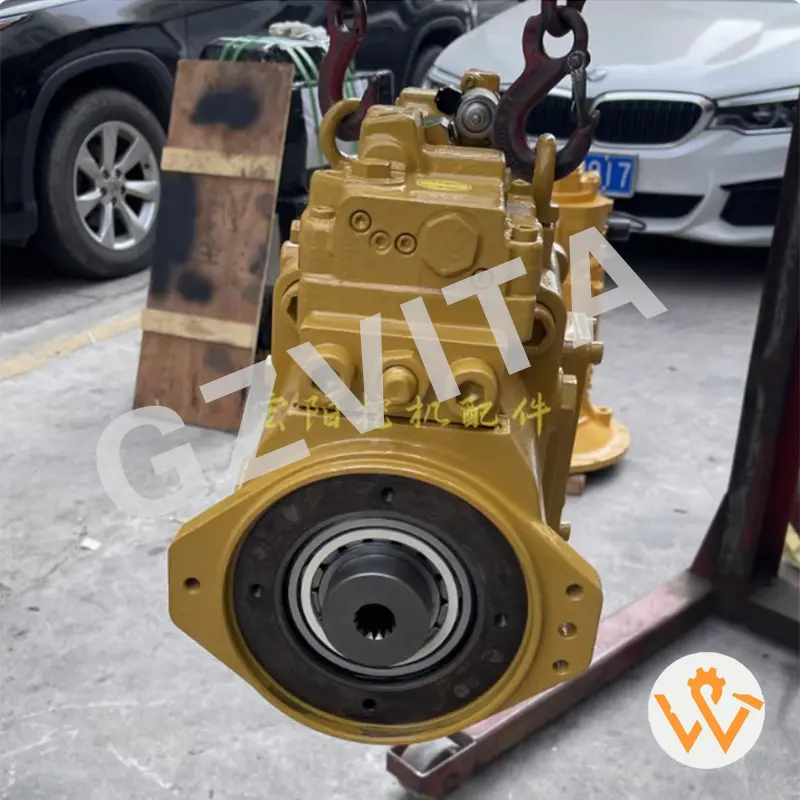
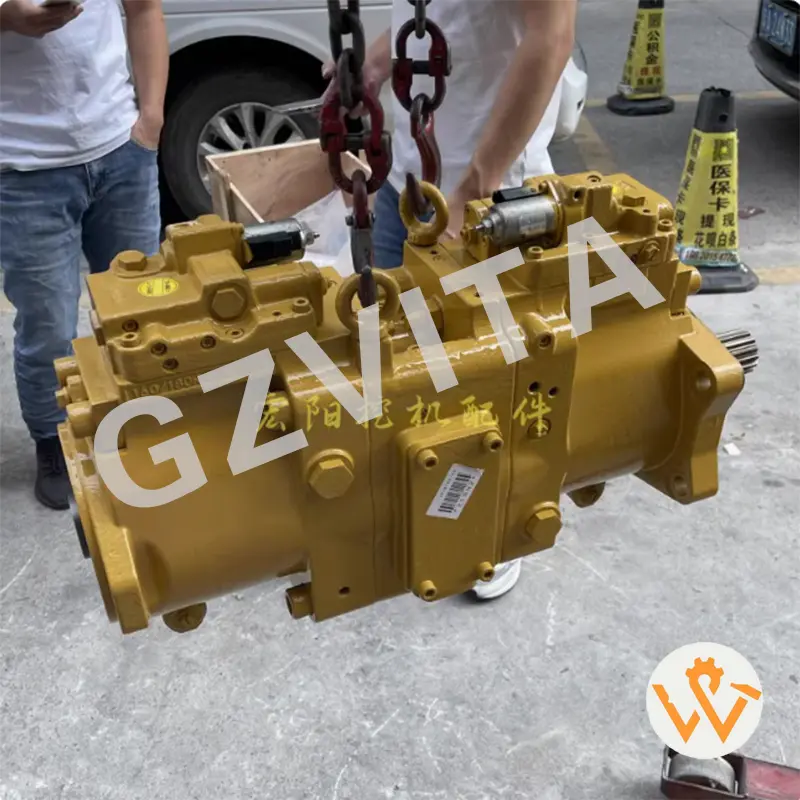
The Valve GP-Ban 563-3958 is a critical component in the hydraulic system of the CAT MH3040 material handler. This valve plays a significant role in controlling the flow and pressure of hydraulic fluid, which is essential for the efficient operation of the machine. Understanding the importance of this valve can help operators and maintenance personnel appreciate its role in the overall functionality and performance of the MH3040.
The Valve GP-Ban 563-3958 regulates the flow of hydraulic fluid to various components of the MH3040. By controlling the flow, it ensures that the hydraulic system operates smoothly and efficiently, allowing for precise movements of the machine's attachments.
This valve is also responsible for maintaining the appropriate pressure levels within the hydraulic system. Proper pressure regulation is crucial for preventing system overloads, which can lead to equipment failure or damage.
The valve acts as a safety feature by preventing backflow and ensuring that hydraulic fluid only moves in the intended direction. This helps protect the hydraulic system from potential damage and enhances the overall safety of the machine.
The performance of the MH3040 is heavily reliant on the proper functioning of the Valve GP-Ban 563-3958. A malfunctioning valve can lead to a range of issues, including:
Regular inspection and maintenance of the Valve GP-Ban 563-3958 are essential to ensure its optimal performance. Operators should be vigilant for signs of wear, leaks, or irregularities in hydraulic performance. Timely replacement of the valve, when necessary, can prevent more significant issues and extend the lifespan of the hydraulic system.
The Valve GP-Ban 563-3958 regulates the flow and pressure of hydraulic fluid in the CAT MH3040 material handler. This ensures that the system operates smoothly, allowing for precise movements of machine attachments.
Proper pressure regulation maintains correct pressure levels to prevent system overloads. Without it, the machine could experience component failure, damage, or premature wear and tear.
It serves as a safety feature by preventing the backflow of hydraulic fluid, ensuring that the fluid moves only in the intended direction. This protects the overall system from damage and increases operator safety.
Key indicators include reduced machine efficiency, sluggish or unresponsive controls, unexpected pressure drops, visible fluid leaks, or unusual mechanical wear on hydraulic parts.
Neglecting maintenance can result in reduced system efficiency, accelerated wear and tear on components leading to breakdowns, and critical safety hazards for operators and the environment.
The valve should be replaced as soon as there are noticeable signs of wear, internal or external leaks, or irregularities in hydraulic pressure that cannot be resolved through basic maintenance.