 Vita Construction
1 / 3
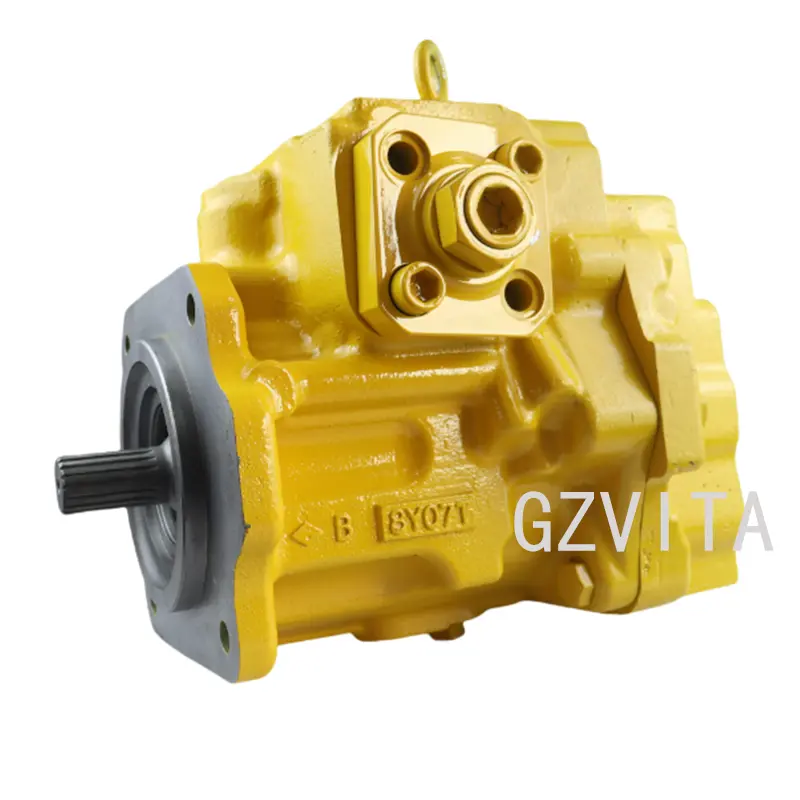
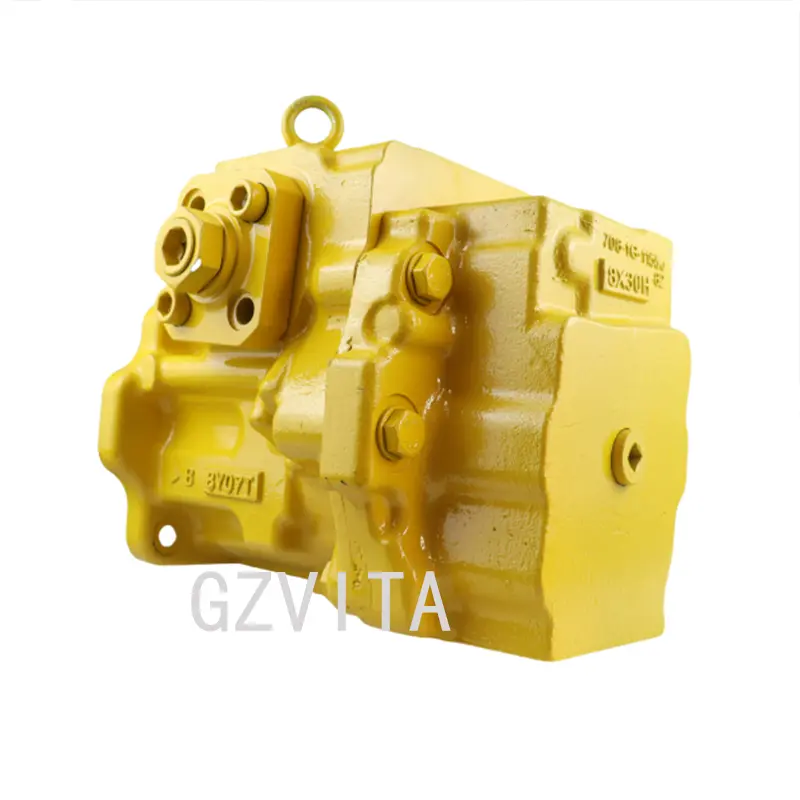
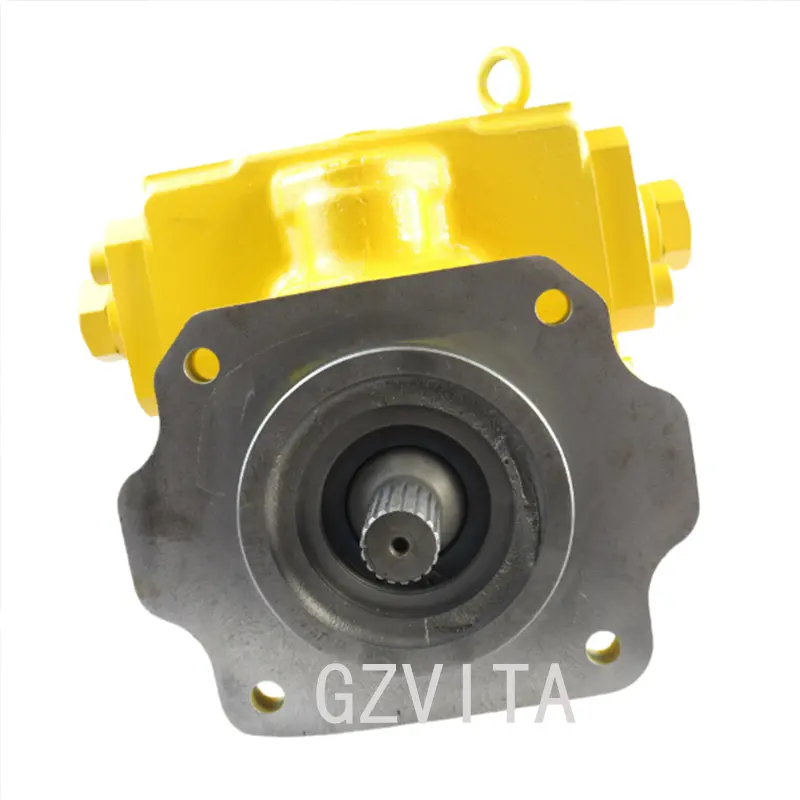
A loader steering pump is a specialized hydraulic pump used in the steering systems of wheel loaders and other heavy machinery. These pumps are essential for providing the hydraulic pressure needed to assist in steering the vehicle, allowing operators to maneuver large and heavy equipment with ease.
Loader steering pumps typically operate on hydraulic principles, using hydraulic fluid to transmit force. This allows for smooth and responsive steering, which is crucial for operating heavy machinery in tight spaces.
These pumps are designed to generate high pressure and flow rates to ensure that the steering system can respond quickly and effectively, even under heavy loads.
Given the demanding environments in which loaders operate, steering pumps are built to withstand harsh conditions, including dust, dirt, and extreme temperatures. They are often constructed from robust materials to ensure longevity and reliability.
Commonly used in loader applications, gear pumps are efficient and provide a consistent flow of hydraulic fluid.
These pumps can also be found in some loader steering systems, offering smooth operation and good performance.
The loader steering pump generates hydraulic pressure that assists in moving the steering mechanism, allowing the operator to turn the loader’s wheels with minimal effort.
The pump circulates hydraulic fluid through the steering system, ensuring that the steering gear receives the necessary pressure for effective operation.
When the operator turns the steering wheel, the pump responds by increasing fluid pressure, facilitating quick and precise steering adjustments.
Loader steering pumps enhance the maneuverability of heavy machinery, making it easier to navigate construction sites, warehouses, and other environments where space is limited.
By reducing the physical effort required to steer, these pumps contribute to operator comfort and reduce fatigue during long hours of operation.
A well-functioning steering pump is crucial for the safe operation of loaders, ensuring that the machine can be controlled effectively, especially in challenging conditions.
Regularly checking and maintaining hydraulic fluid levels is essential for optimal performance and to prevent pump damage.
Hydraulic systems can develop leaks, which can lead to a loss of pressure and reduced steering effectiveness.
Unusual noises or vibrations from the steering pump may indicate issues such as low fluid levels, air in the system, or pump wear.
Over time, steering pumps can wear out, necessitating inspection and potential replacement to maintain performance.
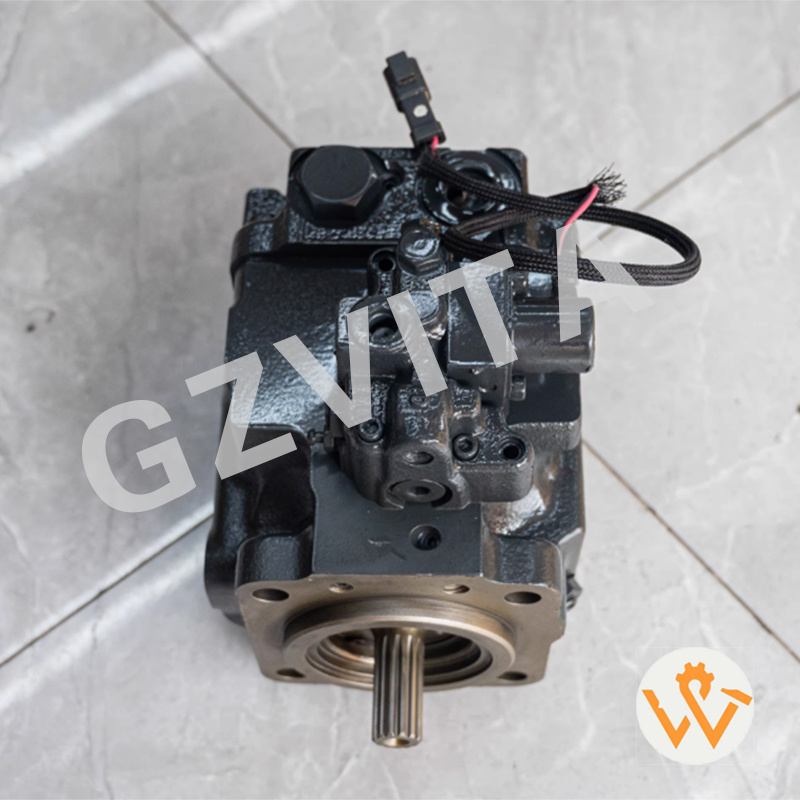
708-1W-00731 Steering Pump Assembly for Komatsu Loader WA500-6
The steering pump generates the hydraulic pressure required to assist the steering mechanism of loaders, enabling operators to control and maneuver heavy machinery with minimal effort.
Gear pumps are widely chosen for their efficiency and capability to deliver a steady, consistent flow of hydraulic fluid, whereas vane pumps are commonly preferred for providing quieter and smoother operation.
Typical indicators of pump issues include visible hydraulic fluid leaks, stiffness in steering, and unusual noises or heavy vibrations during operation.
Loaders consistently operate in demanding environments filled with dust, debris, and extreme temperatures. Durable construction materials ensure the pump withstands these conditions and functions reliably.
By reducing the physical force needed to turn the steering wheel, it minimizes operator fatigue during long shifts and ensures rapid, precise steering response in critical situations.
Regularly check and top off the hydraulic fluid, inspect hoses and seals for leaks, and address any odd noises or air pockets in the hydraulic system immediately.