 Vita Construction
1 / 2
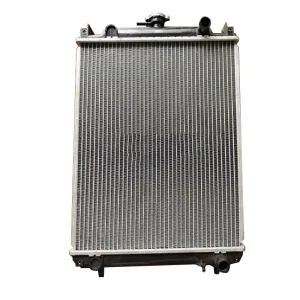
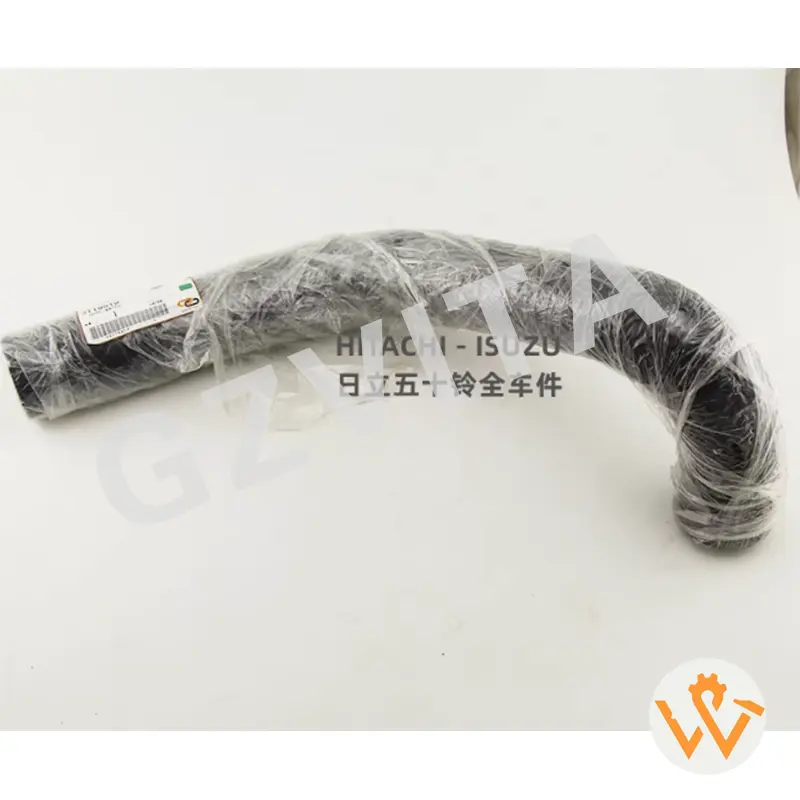
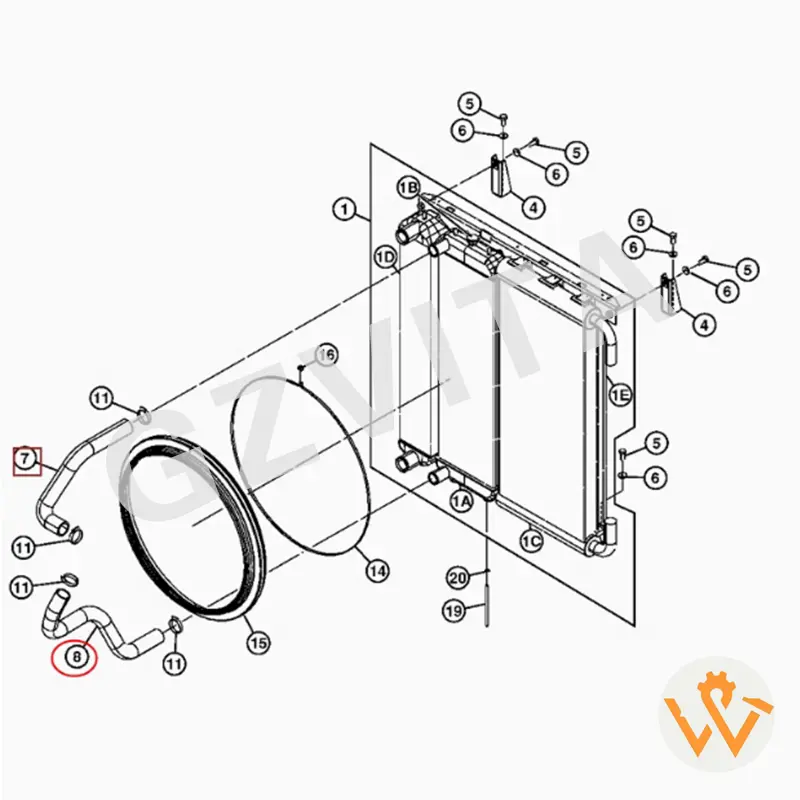
The upper radiator hose is a critical component in the cooling system of an excavator. It plays a vital role in maintaining optimal engine temperature by facilitating the flow of coolant between the engine and the radiator. Here's an overview of its function, importance, and considerations for maintenance:
The upper radiator hose transports hot coolant from the engine to the radiator. As the engine operates, it generates heat, and the coolant absorbs this heat to prevent overheating.
Once the hot coolant reaches the radiator, it passes through the radiator core, where it is cooled by airflow (either from the movement of the excavator or from a fan). The cooled coolant then returns to the engine via the lower radiator hose.
The upper radiator hose is designed to withstand the pressure generated within the cooling system, ensuring that coolant flows efficiently without leaks.
A properly functioning upper radiator hose is essential for preventing engine overheating, which can lead to severe damage and costly repairs.
An efficient cooling system ensures that the excavator operates at optimal performance, enhancing productivity and fuel efficiency.
A worn or damaged upper radiator hose can lead to coolant leaks, resulting in low coolant levels and potential engine failure.
Periodically check the upper radiator hose for signs of wear, such as cracks, bulges, or leaks. Inspect the hose clamps to ensure they are secure.
If any damage is detected, replace the upper radiator hose promptly to avoid overheating issues. It's advisable to replace hoses as part of routine maintenance, especially if they are several years old.
When replacing the upper radiator hose, use high-quality OEM (Original Equipment Manufacturer) or equivalent parts to ensure compatibility and durability.
Regularly monitor the coolant levels in the system. Low levels can indicate a leak in the upper radiator hose or elsewhere in the cooling system.
The primary role of the upper radiator hose is to transport hot coolant from the engine block back to the radiator, where the heat is dissipated to maintain a safe engine temperature.
Common symptoms include visible cracks or splits in the rubber, structural bulges, coolant dripping beneath the machine, low coolant levels, and the engine running hotter than normal.
Radiator hoses should be inspected visually as part of your daily walk-around checks, and thoroughly examined during scheduled preventative maintenance services or coolant changes.
Yes, if the hose leaks or bursts, it will cause a rapid loss of coolant. Without adequate coolant circulation, the excavator's engine will overheat quickly, which can lead to warped cylinder heads, blown head gaskets, or total engine failure.
OEM or equivalent parts are molded to the exact shape and size of the excavator model. This ensures a perfect fit, prevents contact with hot or moving engine components, and guarantees the hose can handle the cooling system's design pressures.
Yes, it is highly recommended to replace the hose clamps during a hose replacement. Over time, clamps can lose their tension or rust, which may lead to coolant leaks even with a brand-new hose installed.