In heavy-duty internal combustion engines—particularly those engineered by Caterpillar (CAT) for heavy construction machinery—the crankshaft is the central heart of mechanical energy conversion. Over thousands of operational hours, extreme frictional heat, hydrodynamic shear stress, and cyclical loads inevitably result in journal wear, scoring, or minor dimensional distortion. When rebuilding these high-capacity engines, replacing the worn crankshaft is economically prohibitive and wasteful. The industry standard is to remanufacture the crankshaft by grinding the rod and main journals down to an exact undersize specification, typically 0.25mm (equivalent to 0.010 inches).
A Custom CAT 0.25 bearing (often categorized as +0.25mm thickness or 0.25mm undersize) features an increased wall thickness exactly calibrated to compensate for this ground-down journal. This restores the crucial oil clearances (hydrodynamic lubrication gap) required for structural stability, oil pressure regulation, and component longevity. The production of these critical elements requires micron-level tolerance management, advanced metallurgy, and strict adherence to geometric configurations such as wall eccentricity and oil-groove alignment.
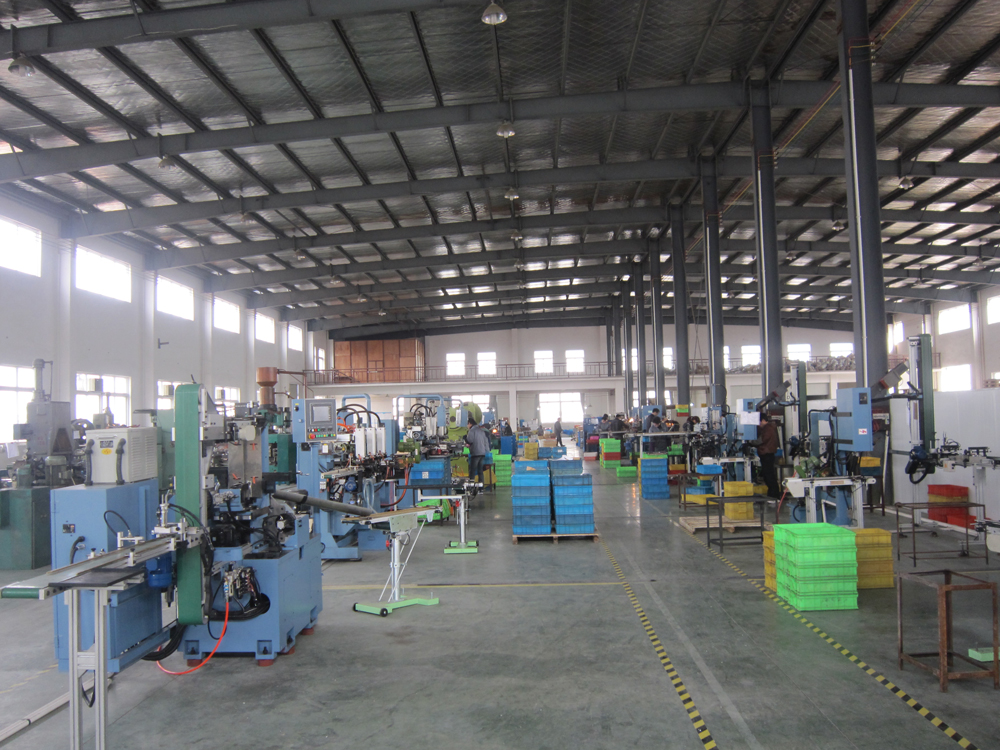
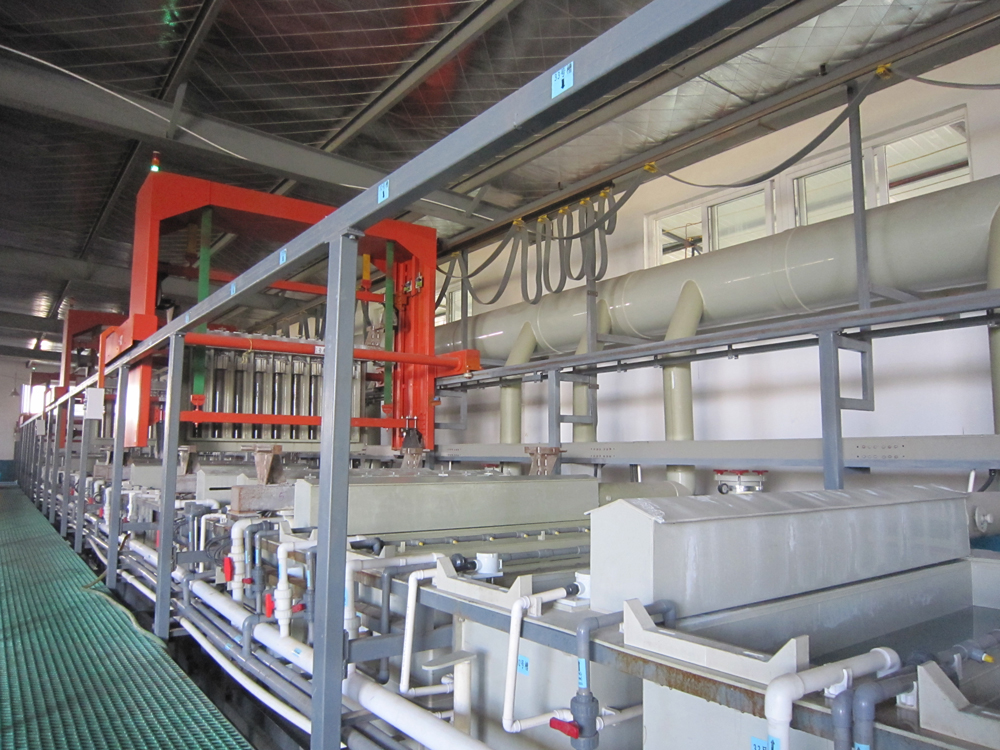
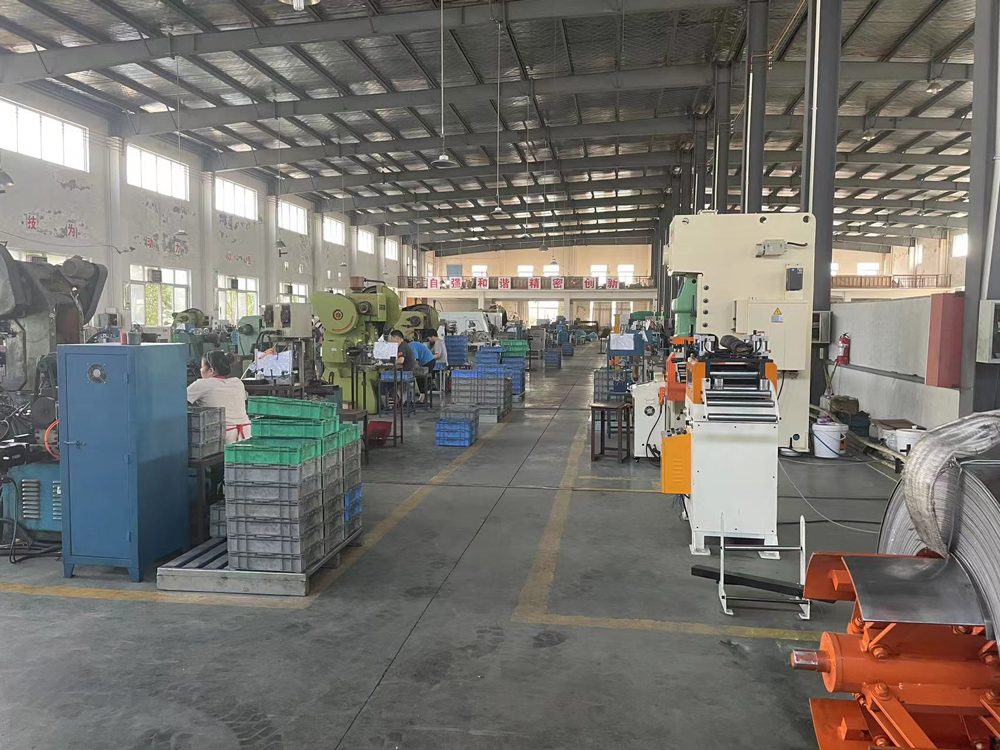
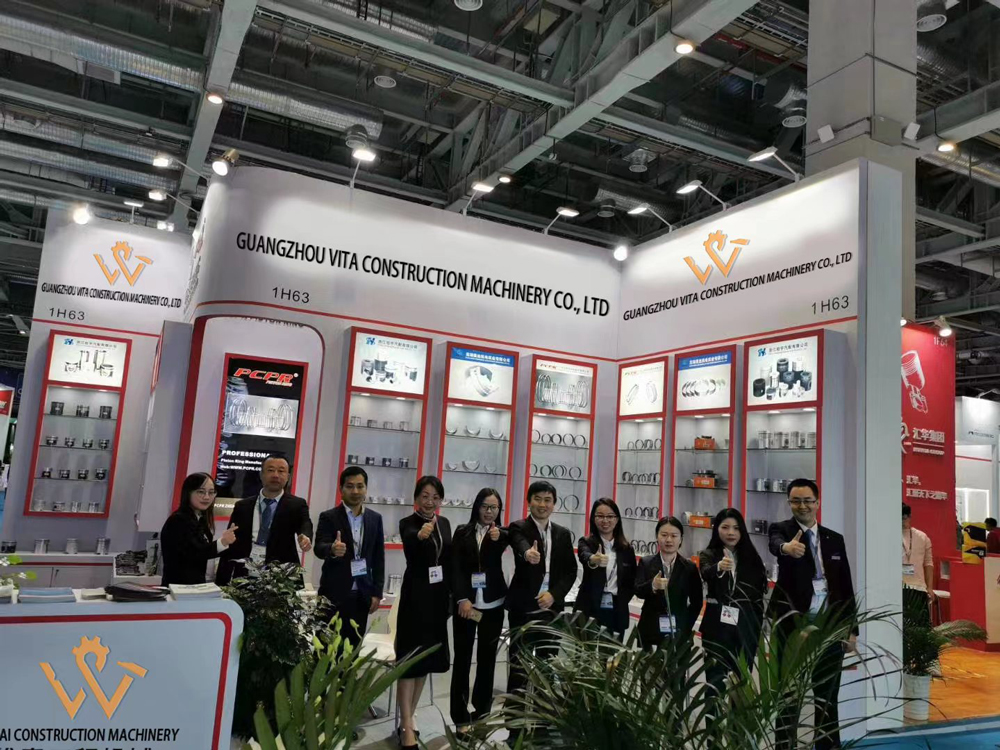
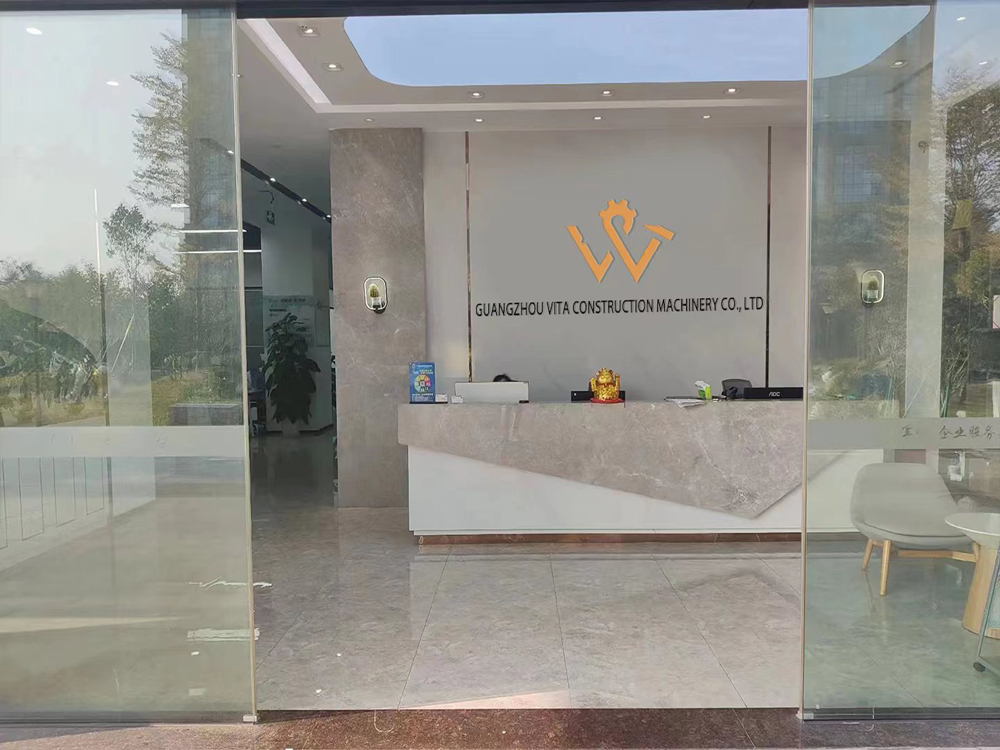
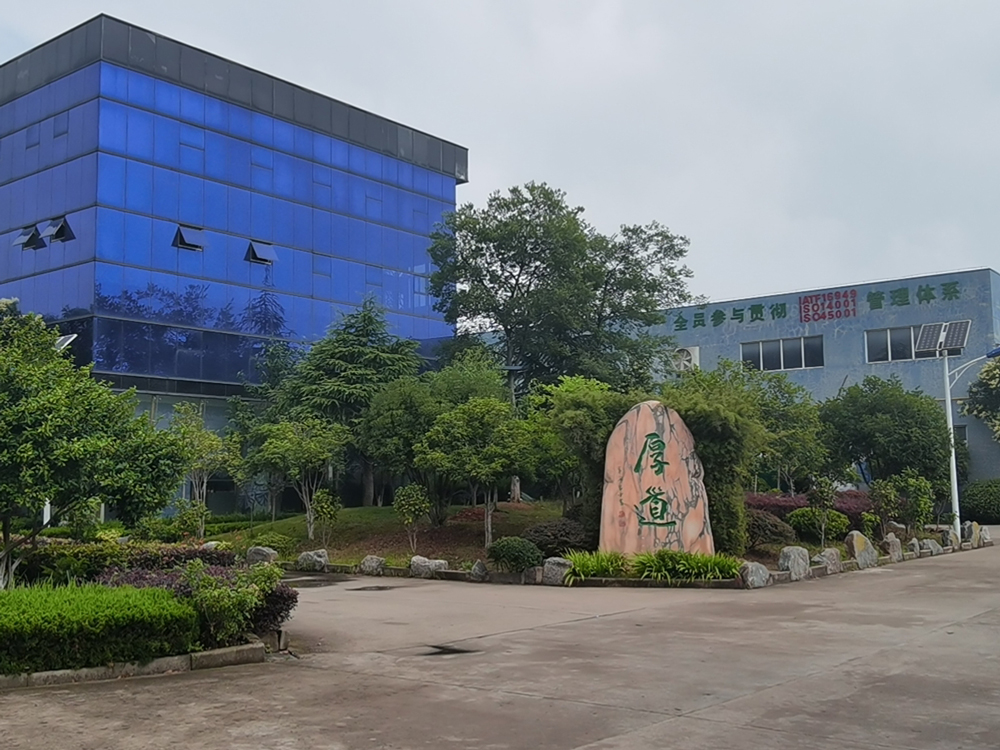
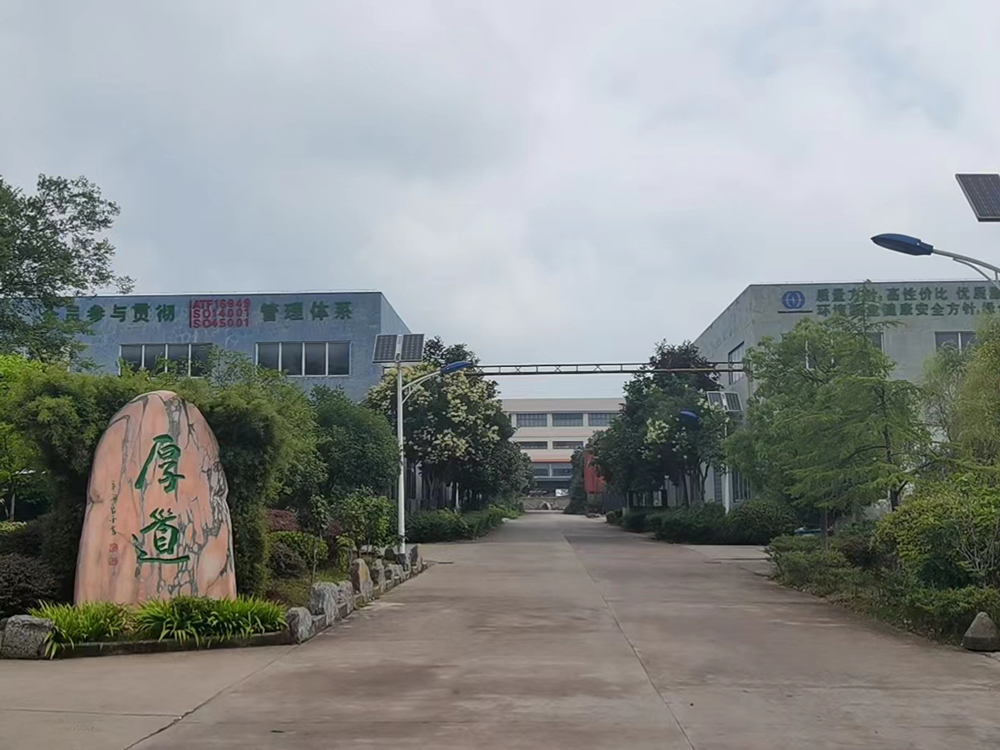
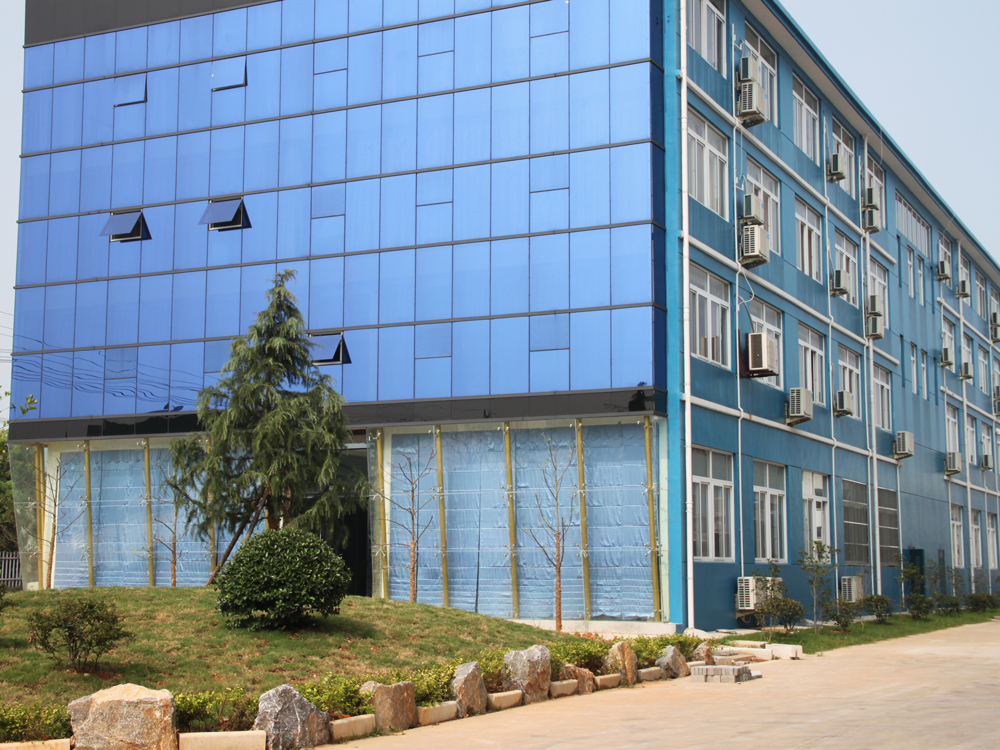
Guangzhou Vita Construction Machinery Co., Ltd. stands as a premier global enterprise integrating advanced manufacturing facilities with specialized international trade capability. Our heavy industrial production hub is strategically situated in Xiangyang City, Hubei Province, China. This state-of-the-art facility features a 18,000 square meter modern workshop equipped with advanced, automated CNC machining complexes, automatic electroplating lines, and non-destructive testing suites.
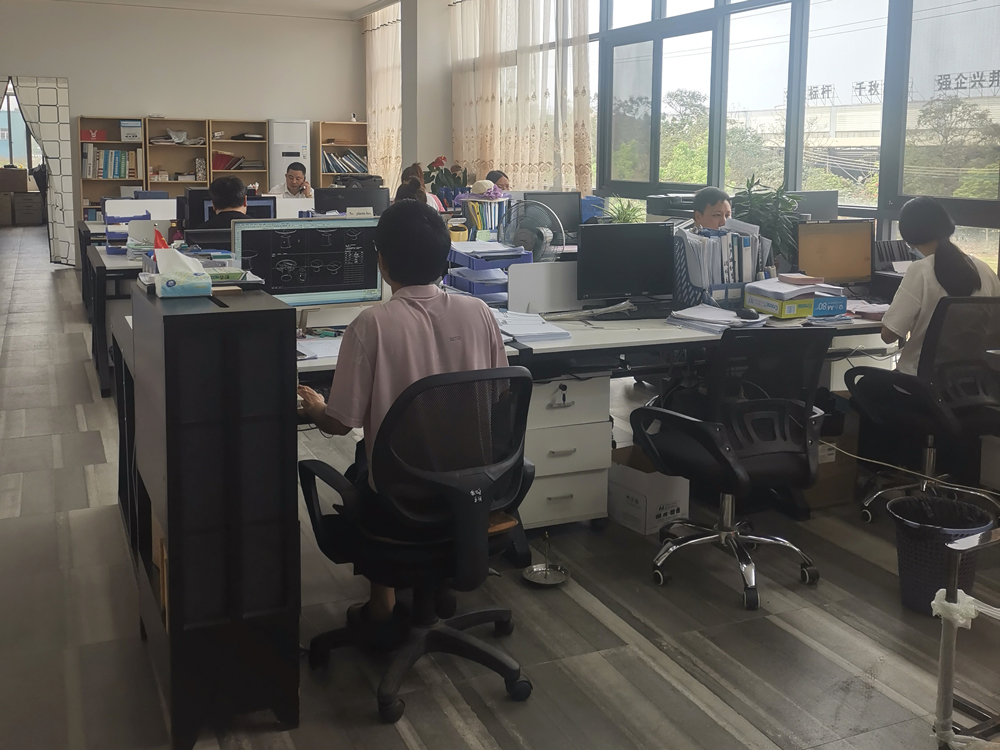
Our operational workforce comprises more than 278 well-trained and highly skilled technicians alongside a core engineering department of 8 experienced metallurgical and mechanical engineers. This deep engineering capability guarantees that every engine bearing, crankshaft, hydraulic component, or undercarriage part produced in our factory matches or exceeds the rigorous performance profiles of OEM components. We ensure rapid, highly accurate delivery timelines to minimize downtime for heavy operations globally.
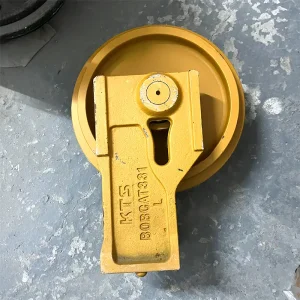
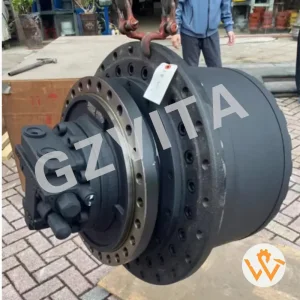
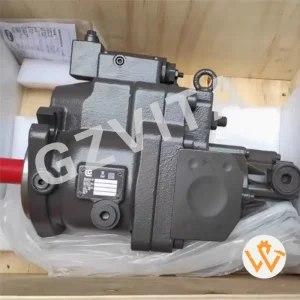
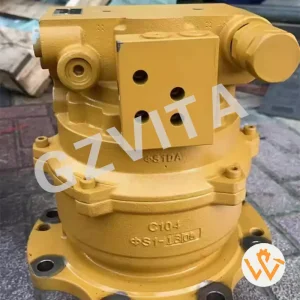
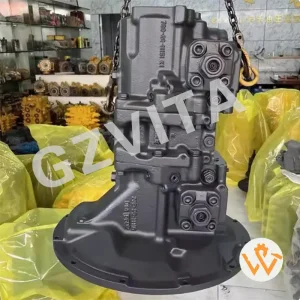
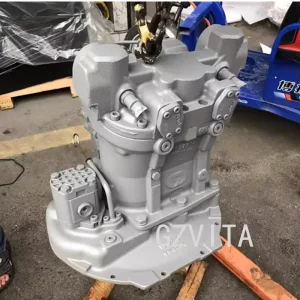
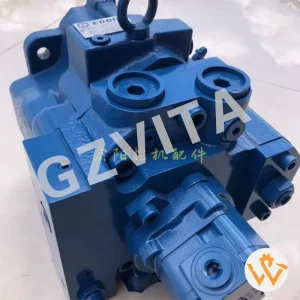
Our product portfolio specializes in the manufacturing, development, and global distribution of a comprehensive range of construction machinery components. Beyond our core engine bearings (including main bearing and connecting rod bearing series), we supply complete engine assemblies, hydraulic piston pumps, final drives, electric generating sets, crankshafts, engine valves, gear pumps, cylinders, specialized filtration systems, excavator buckets, and robust undercarriage components for both excavators and bulldozers.
Our replacement parts are designed for compatibility across leading international machinery brands, including: Komatsu, Volvo, Sumitomo, Caterpillar, Kubota, Hitachi, John Deere, Kobelco, Hyundai, Kato, Sany, XCMG, and SUNWARD, among other globally recognized brands.
The manufacturing landscape for heavy-duty diesel engine bearings is transitioning rapidly due to demanding environmental constraints, higher peak cylinder pressures, and the global push for carbon neutrality. Our technology roadmap focuses on three main developments:
Moving from traditional copper-lead-tin alloys to next-generation sinter-spun matrices and high-tin aluminum bimetals to eliminate environmental lead while maintaining fatigue resistance.
Implementing PVD sputtering technologies to apply micro-thickness overlays of highly wear-resistant materials, increasing bearing load capability by over 50% under boundary lubrication conditions.
Utilizing structural surface textures that trap wear debris and act as micro-reservoirs for engine oil, guaranteeing hydrodynamic lubrication even during start-stop cycles.
By investing in these advanced metallurgical techniques, Guangzhou Vita Construction Machinery Co., Ltd. ensures that our 0.25mm undersize bearings handle higher cyclic loads and adapt to modern low-viscosity synthetic oils, which are increasingly adopted to optimize fuel efficiency in large-scale machinery operations.
Engine bearings do not operate in isolation. In the context of heavy equipment operations—such as mining fleets, open-pit quarrying, marine propulsion, and large infrastructure construction—a bearing failure can stop an entire logistics line. We offer comprehensive solutions that address the complete crankshaft system assembly:
Through our dedicated Engine Maintenance and Development Department, we look beyond the supply of components. We analyze issues related to oil filtration quality, crankcase pressure, cooling system heat dissipation, and alignment errors. By analyzing the dynamic oil clearance patterns, our engineers provide customized recommendations on oil grade selections, structural bolt torque specifications, and break-in schedules to maximize component lifetimes.
Our production facility in Hubei Province operates under advanced manufacturing principles that merge automation with real-time quality control. This structural advantage directly benefits our global clients through cost-effectiveness and supply chain security:
Through these systems, we manage consistent output levels even during peak production periods, offering reliable lead times and predictable shipping schedules for global distributors.
We work closely with procurement officers, global import directors, and engine workshop managers. We understand that ordering replacement engine parts requires precise technical specification to ensure perfect field compatibility. When ordering custom CAT 0.25 bearings, we review several parameters:
Our commitment to quality extends beyond the shipment of products. Guangzhou Vita Construction Machinery Co., Ltd. provides comprehensive technical support and field troubleshooting:
To optimize our service delivery, we have established our own dedicated engine maintenance and technical team. This allows us to help customers resolve complex installation problems, calculate oil clearances, and troubleshoot engine wear patterns in the field. When required, our senior technical representatives can travel internationally to assist corporate clients in auditing engine overhauls or inspecting large fleet failures.
Furthermore, all our processes comply with major international quality and environmental regulations. Our production facilities maintain ISO 9001 and IATF 16949 quality certifications. This ensures that every replacement component is produced to the highest industry standards and can be directly integrated into heavy equipment fleets operating worldwide.
 Vita Construction