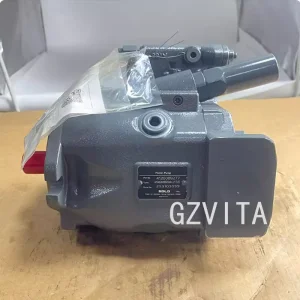
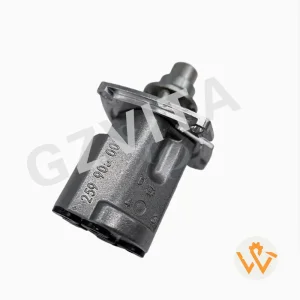
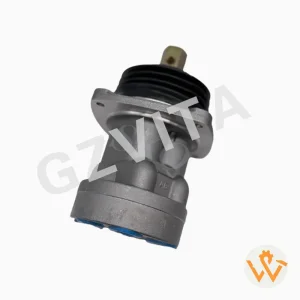
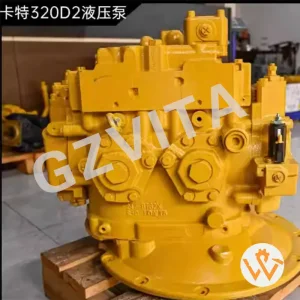
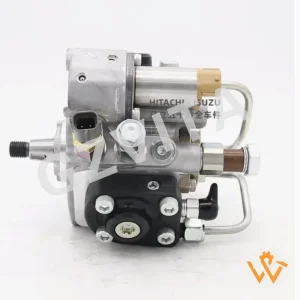
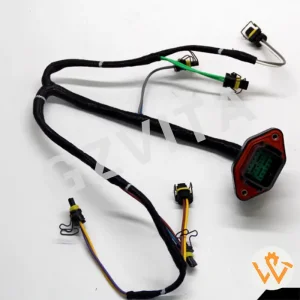
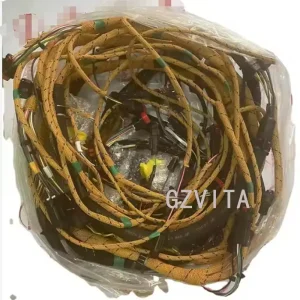
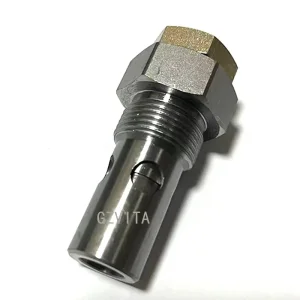
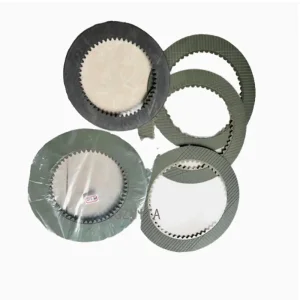
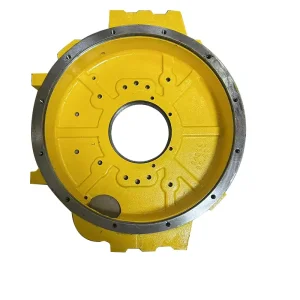
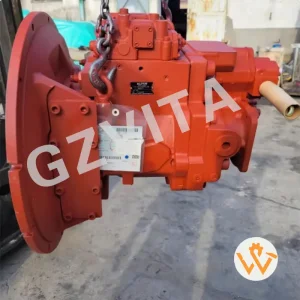
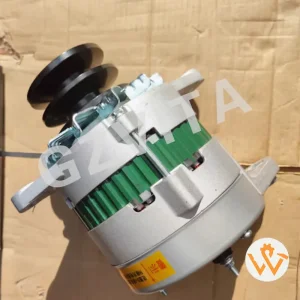
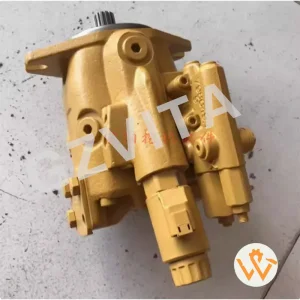
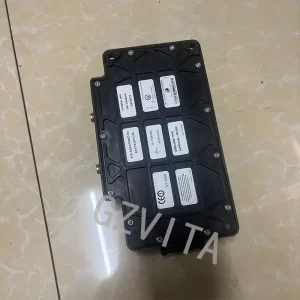
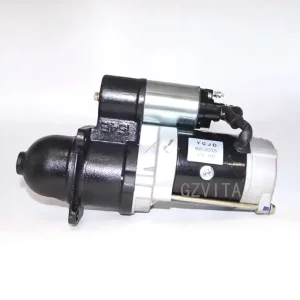
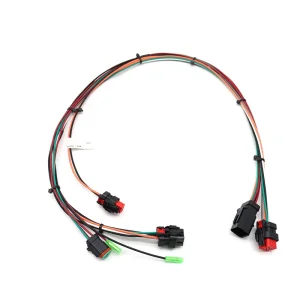
Explore our featured powertrain, hydraulic, and structural assemblies engineered for maximum runtime in high-load industrial operations.
In the modern arena of heavy-duty machinery, high-performance racing, and industrial gas compression, reciprocating internal combustion engines and compressors operate under extreme conditions. The connecting rod (conrod) serves as the mechanical bridge converting the linear thrust of the piston into the rotational torque of the crankshaft. Because it experiences alternating cycles of extreme tension and compression, any micro-structural defect can lead to catastrophic engine failure.
Selecting a premium custom connecting rods forged supplier ensures access to components engineered through precise thermomechanical processes. Compared to powder metallurgy or cast iron alternatives, forged steel connecting rods feature optimized grain flow configuration aligned along the principal stress directions. This alignment drastically enhances yield strength, impact toughness, and fatigue limits, satisfying the strict requirements of Tier-4 and Stage-V industrial engines.
The global market for custom forged connecting rods is driven by two main demands: the pursuit of higher power-density in downsized engines and the structural demands of high-displacement earthmoving machinery. Today, engineering organizations are moving away from off-the-shelf standard parts, turning instead to customized forging factories that can deliver precise grain orientation, weight matching within ±1 gram, and optimized rod-cap interfaces (such as fractured-joint technology).
As emission regulations become stricter worldwide, heavy machinery engines must endure higher peak cylinder pressures. This shift demands next-generation forged steels like 4340 chromoly, 300M, and custom titanium alloys, requiring precise thermomechanical treatment. Working with an OEM-certified manufacturer guarantees structural reliability from raw billet to finish machining.
Integrating state-of-the-art manufacturing facilities and comprehensive foreign trade support for global supply chains.
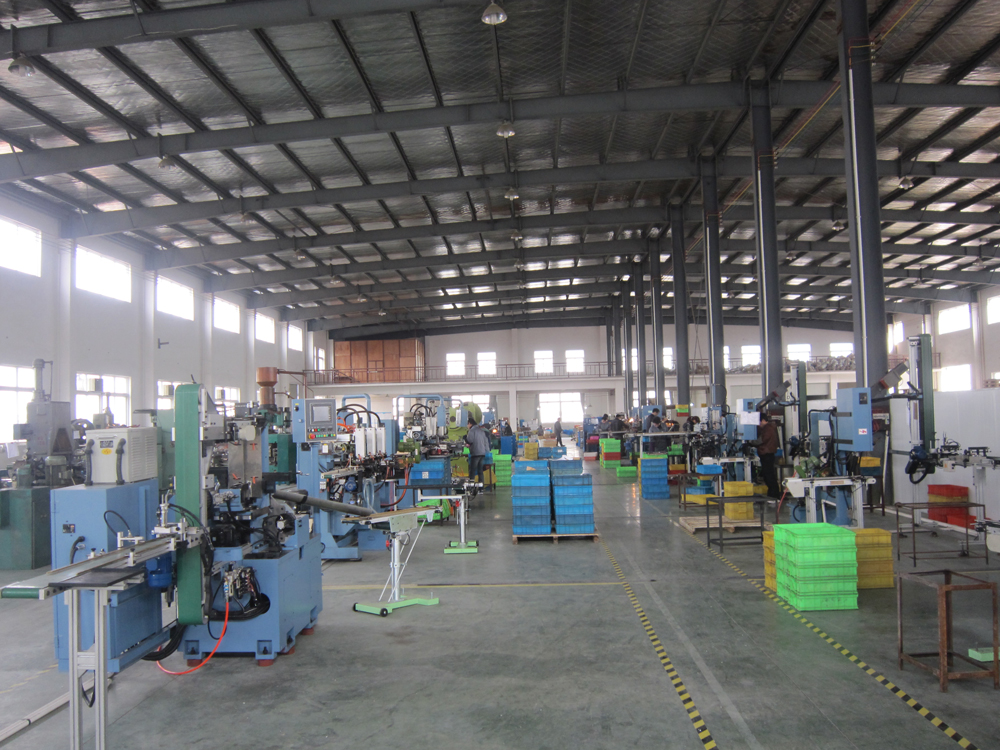
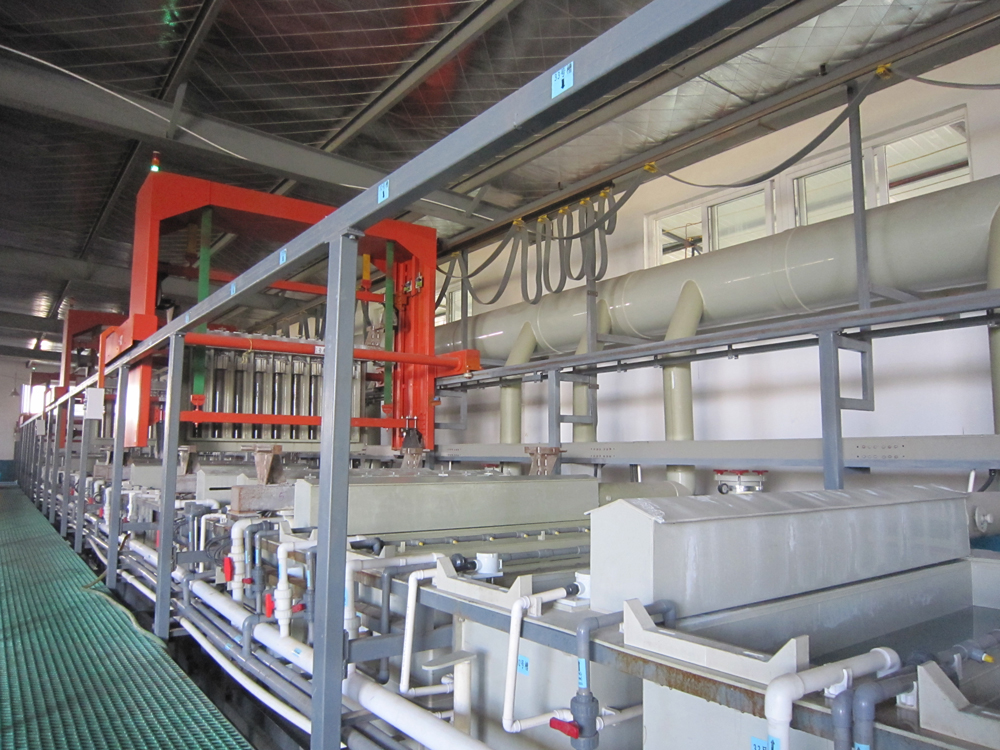
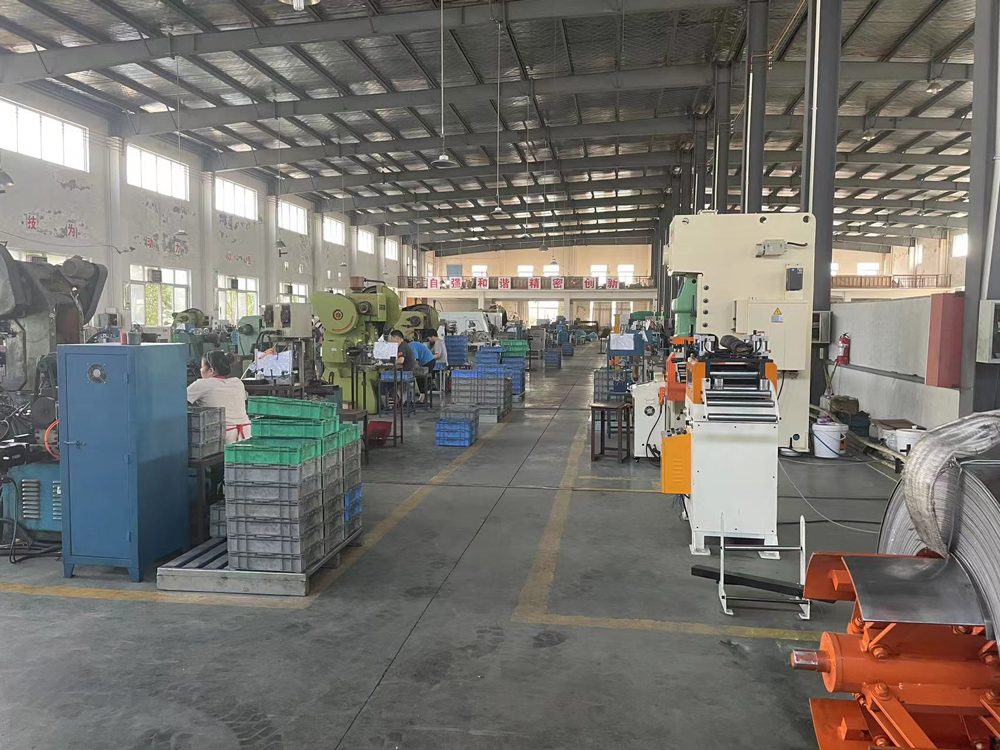
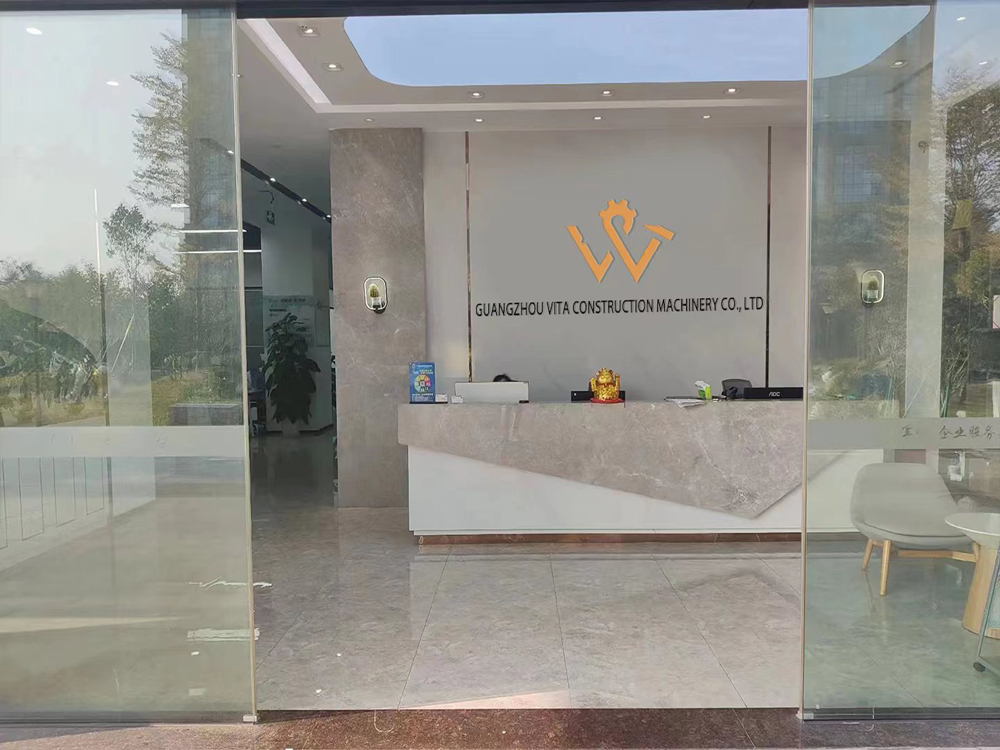
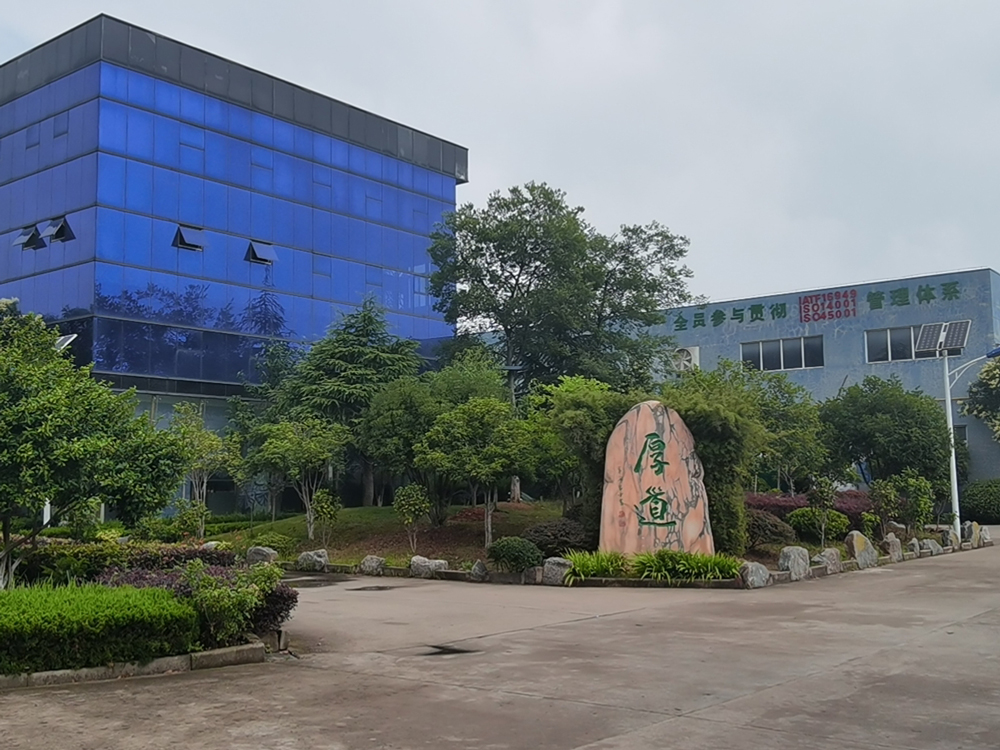
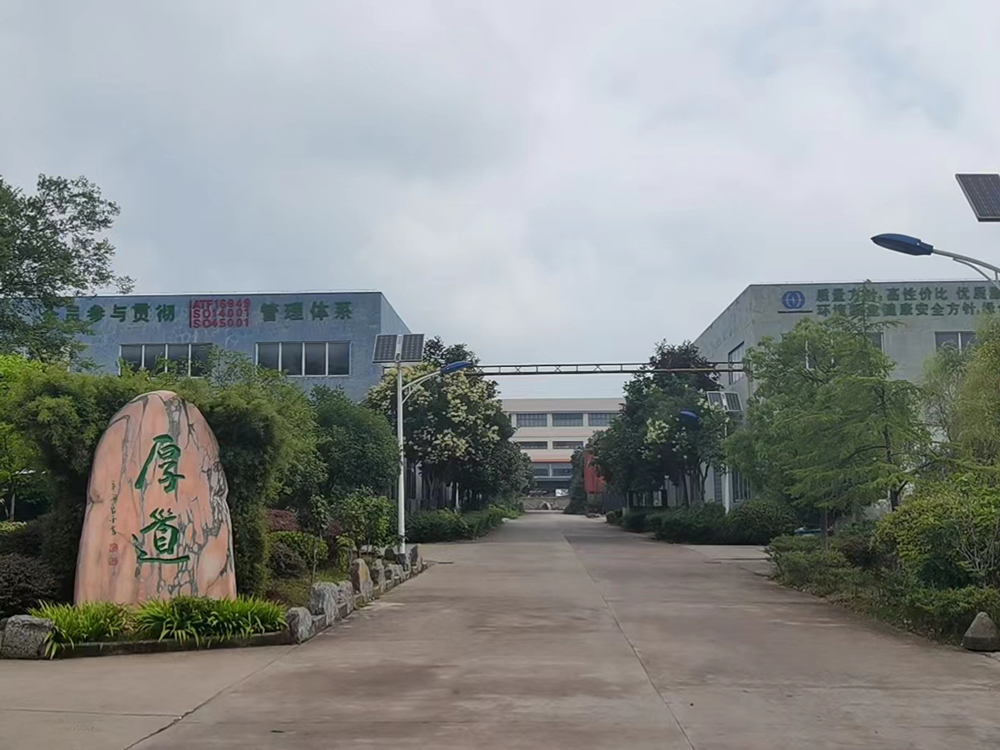
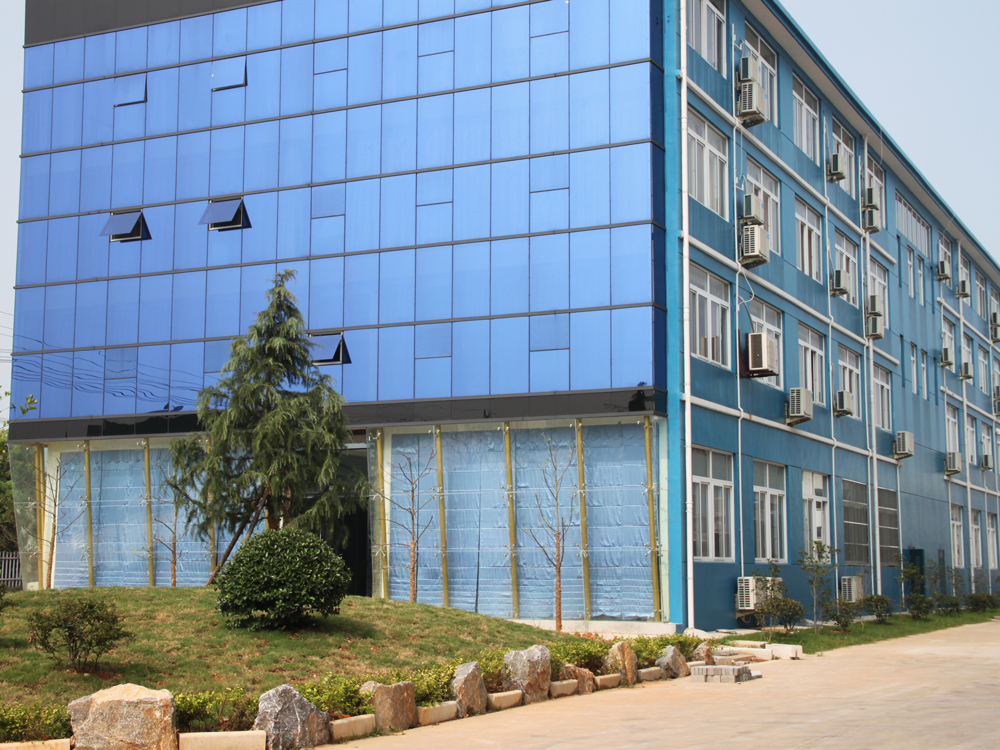
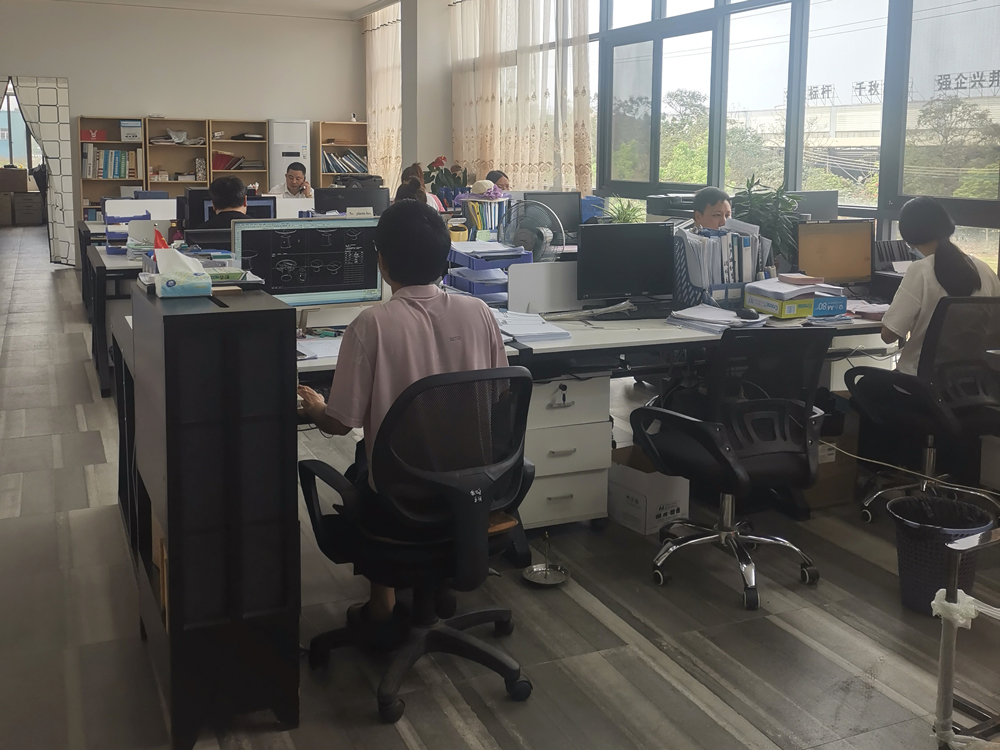
Guangzhou Vita Construction Machinery Co., Ltd. is one of the largest companies that combines factory operations and foreign trade. Our production facility is located in Xiangyang City, Hubei Province, spanning a modern workshop of more than 18,000 square meters. Equipping several advanced production machines, staffed by more than 278 well-trained and skilled workers, and supported by around 8 experienced engineers, we ensure exceptional product quality alongside fast and accurate delivery schedules.
We specialize in producing, developing, and selling a comprehensive range of construction machinery parts. This includes engine assemblies, hydraulic pumps, final drives, electric generating sets, and critical engine bearing series (including Main bearings and Connecting Rod Bearings). We also manufacture crankshafts, engine valves, gear pumps, cylinders, industrial filters, excavator buckets, and undercarriage components for excavators and bulldozers.
Our engineered components serve as high-durability replacements for globally recognized machinery brands. We manufacture parts compatible with:
In the fast-paced world of construction, the reliability and efficiency of your machinery can make or break a project. We understand that high-quality parts are essential for optimal performance. Our goal is to provide top-notch construction machinery parts to keep customer's machinery running smoothly.
To improve our service, we set up an engine maintenance development division. In addition to providing customers with premium engine assemblies and forged connecting rods, we help clients solve various technical problems encountered during the operation and assembly of high-torque engines.
We maintain an experienced professional maintenance team. Our technicians are frequently invited by customers to travel abroad, delivering expert, on-site support to rebuild, calibrate, and service high-horsepower powerplants directly in the field.
Analyzing the geometric profiles, stress distribution vectors, and steel formulations that define high-performance forged connecting rods.
Custom forged connecting rods are designed based on the mechanical demands of the target application. Engineers balance mass reduction (to minimize rotating and reciprocating inertia) against structural stiffness (to prevent bending and buckling under combustion loads).
"Optimizing the transitions between the big-end bore, the shank body, and the small-end wrist pin bore is critical for mitigating stress concentration points."
To achieve these parameters, we select high-purity alloy steels. AISI 4340 Chromoly Steel remains the industry standard, offering excellent depth hardenability and fatigue resistance when quenched and tempered. For extreme environments, such as high-boost motorsport or deep-well reciprocating pumps, we utilize 300M (silicon-modified 4340) or ultra-lightweight Ti-6Al-4V Titanium alloy.
| Rod Design | Torsional Rigidity | Weight Efficiency | Primary Use Case |
|---|---|---|---|
| H-Beam Profile | Excellent | Moderate | High-torque diesel, off-highway tractors, turbo applications |
| I-Beam Profile | Moderate | Superior | High-RPM naturally aspirated engines, high-speed rail |
| X-Beam Profile | Maximum | High | Extreme marine diesel, custom high-horsepower tuning |
As global manufacturing transitions toward Industry 4.0, our technical roadmap focuses on integrating digital modeling and metallurgical science. We are implementing Finite Element Analysis (FEA) and generative design to simulate dynamic gas pressure and inertia forces. This allows us to reduce mass without sacrificing structural integrity, lowering bearing loads and extending engine life.
We are also advancing our heat treatment processes. By using controlled-atmosphere induction hardening alongside vacuum tempering, we achieve a hard, wear-resistant outer shell with a tough, ductile core. Additionally, automated shot peening is standard, introducing compressive residual stresses that increase fatigue resistance by up to 30%.
Custom forged connecting rods perform differently depending on the operating environment. In remote mining operations like the Canadian oil sands, cold temperatures increase material brittleness. Our customized rods utilize micro-alloyed steels with added nickel to maintain high impact toughness even at sub-zero temperatures.
Conversely, in high-temperature environments like Middle Eastern oilfield generators, thermal expansion must be minimized to maintain bearing clearances. Here, we adjust the thermal expansion coefficients of our alloys and apply wear-resistant coatings (like Diamond-Like Carbon) to the wrist pin bore to ensure consistent performance.
Operating from Hubei Province, our factory utilizes the region's strong industrial infrastructure and supply chains. Hubei is a historic center for automotive and steel manufacturing, giving us direct access to high-quality raw materials, specialized heat treatment facilities, and advanced testing labs.
This vertical integration helps us keep production costs low while maintaining strict quality control. From selecting raw steel billets to final precision honing, every production stage is monitored. Advanced CAD/CAM software controls our automated forging presses and CNC machining centers, ensuring dimensional consistency and reducing material waste.
This manufacturing capability is backed by our logistics center in Guangzhou. As a major global trading hub, Guangzhou allows us to coordinate fast shipping, manage customs clearance, and provide direct technical support to clients in North America, Europe, and Southeast Asia.
We operate under a strict quality management system certified to ISO 9001:2015 and align our processes with the automotive quality standard IATF 16949. Every batch of custom forged connecting rods undergoes non-destructive evaluation, including magnetic particle inspection (MPI) to detect surface defects and ultrasonic testing to identify internal voiding.
Our quality commitment is backed by comprehensive engineering documentation. We provide full material traceability, including chemical ladle analysis, hardness surveys, CMM dimensional reports, and balance verification sheets. This ensures that every component delivered to your assembly line meets the required specifications.
Our Quality Assurance Protocol Includes:
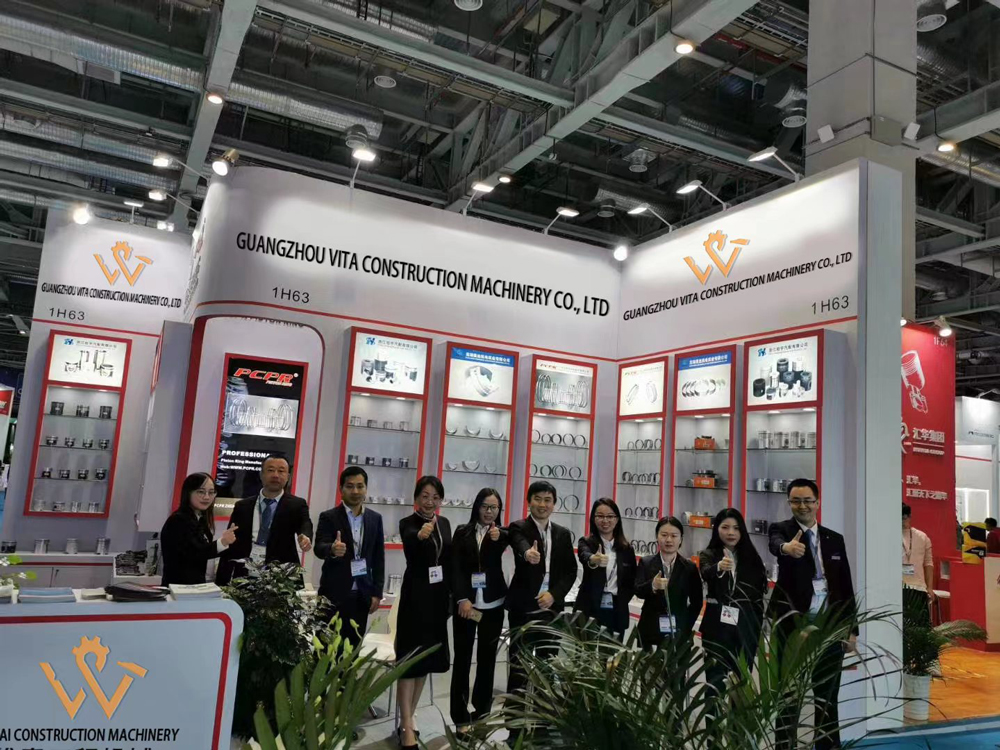
Get an inside look at our advanced manufacturing lines, forging machinery, and testing facilities in Xiangyang, Hubei.
Technical answers to common questions about forged connecting rod metallurgy, customization options, and procurement logistics.
View our heavy machinery parts catalog, designed to optimize power transmission and system uptime.
 Vita Construction