Technical Whitepaper & Global Standards
To avoid downtime caused by faulty pressure transducers and bad sensor components, industrial operations require robust mechanical integration. Discover our heavy machinery spare parts engineered to withstand extreme pressures.
In modern diesel, heavy machinery, and industrial automotive systems, the oil pressure sensor acts as the primary sensory gatekeeper. When an operator receives a low oil pressure warning, or when the system experiences a "bad" reading, differentiating between a sensor electrical failure and a mechanical loss of oil pressure is a high-stakes decision. Treating a bad sensor as a mechanical failure causes unnecessary maintenance costs, whereas dismissing a mechanical failure as a simple bad sensor can lead to complete engine block seizure.
From an engineering perspective, a custom sensor fails because it operates in harsh micro-climates. High-frequency vibrations, thermal shock (cycling between -40°C and 150°C), and corrosive soot-laden motor oil systematically attack the silicone gel barriers and gold wire-bonds inside modern pressure transducers. Sourcing heavy-duty alternatives with robust ceramic or metal thin-film sensors is the only long-term corrective action.
The global demand for oil pressure sensors in industrial construction equipment and power systems is undergoing a rapid evolution. Sourcing departments at OEMs are moving away from cheap, white-label component suppliers ("Bad Companies") who deliver high failure rates under mechanical strain. Instead, companies seek specialized manufacturers capable of balancing competitive volume pricing with ISO-certified testing regimens.
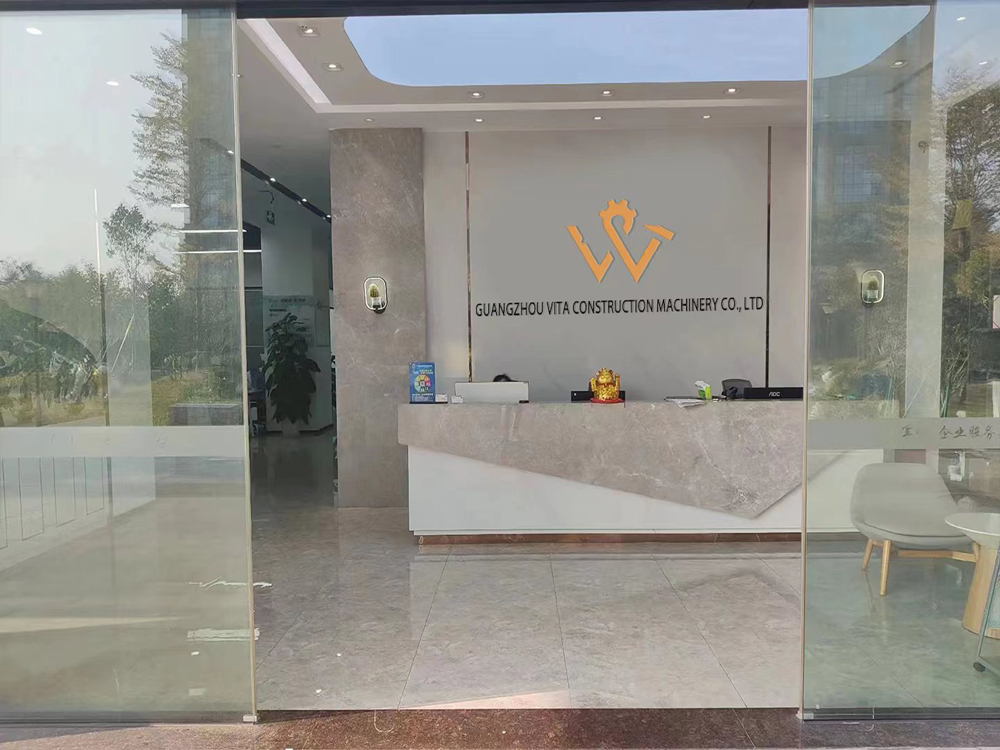
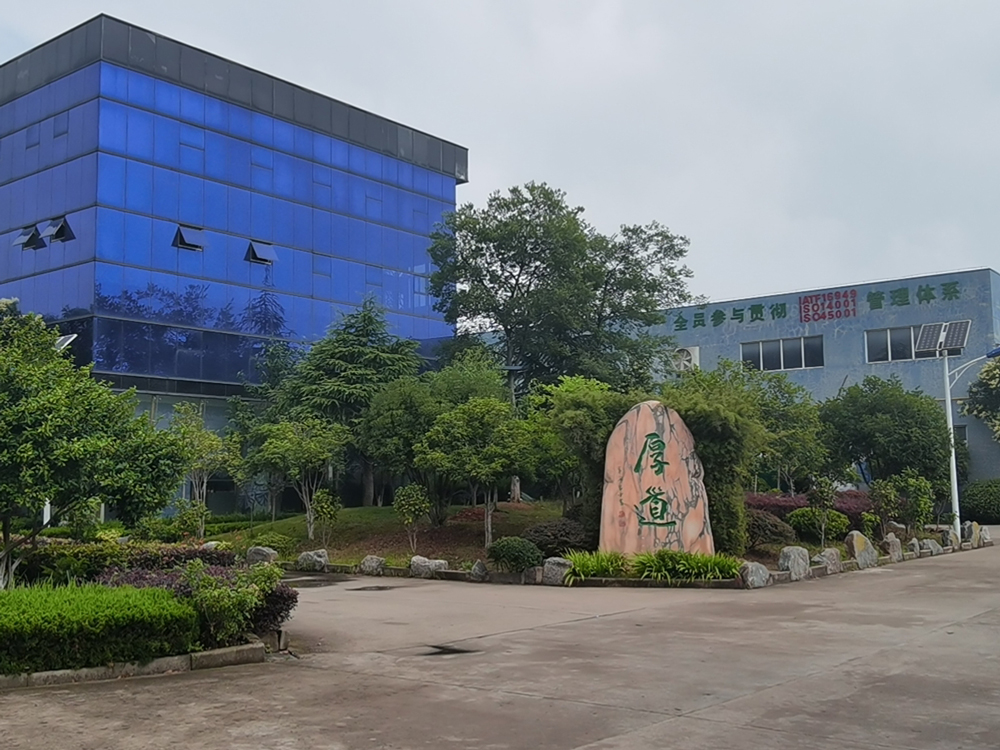
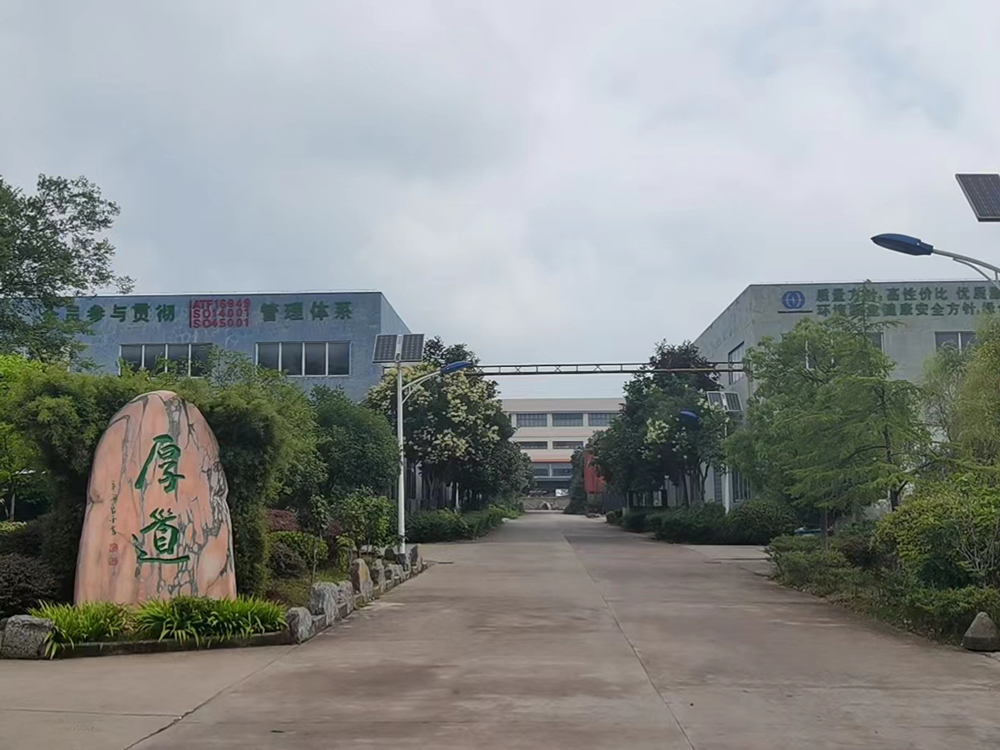
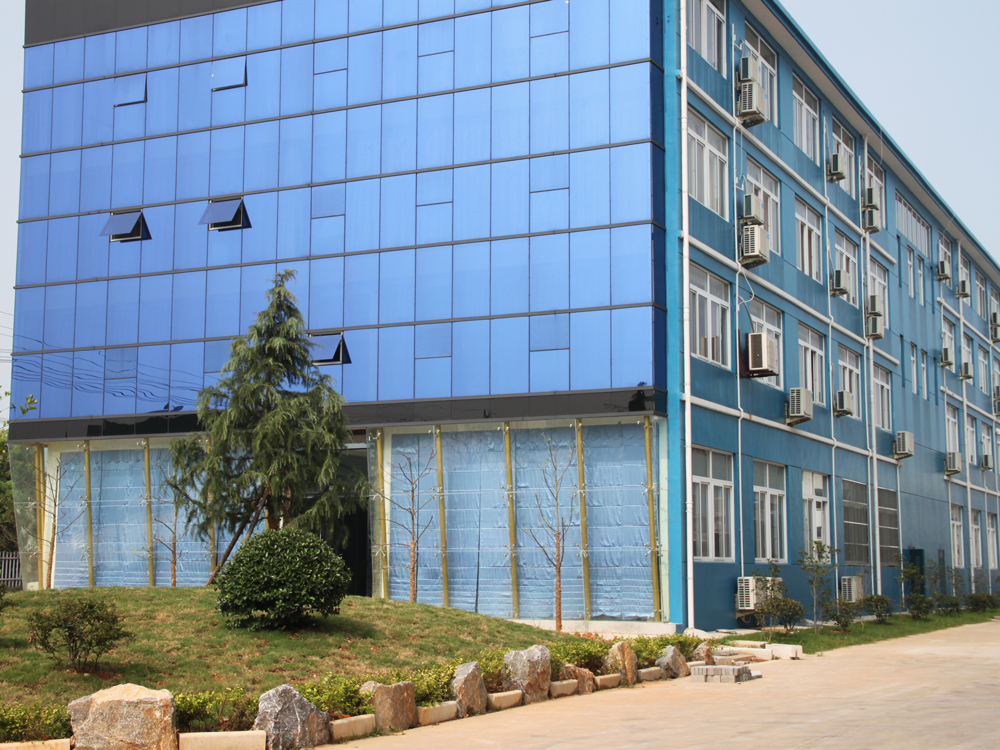
Guangzhou Vita Construction Machinery Co., Ltd. has established a strong presence in this landscape. By operating a dedicated 18,000-square-meter facility in Hubei Province, the company offers a robust manufacturing process that minimizes the risk of component failures.
Low-tier manufacturers often omit critical production steps, such as vacuum encapsulation and environmental testing chambers. These omissions lead to early-stage micro-cracks in the sensor housing. Understanding these production details allows procurement officers to protect heavy machinery fleets from unexpected sensor failures.
To prevent premature component failure under pressure fluctuations, modern engines are moving away from traditional mechanical bimetallic pressure switches. Today, advanced piezoresistive silicon and ceramic capacitive sensor designs are the preferred choices.
Micro-Electro-Mechanical Systems (MEMS) integrate sensor and logic units on a single chip, offering fast response times and compact packaging.
Features a robust ceramic diaphragm that resists high pressure peaks, abrasives, and harsh chemicals, preventing premature sensor failure.
Utilizes CAN-bus protocols (SAE J1939) to provide real-time temperature and pressure diagnostic telemetry directly to the ECU.
Industrial sensors must perform reliably across different operational environments:
Excavator fleets from manufacturers like Komatsu, Sany, Caterpillar, and Volvo experience constant pressure fluctuations. Sourcing compatible, high-quality replacement sensors ensures stable pressure readings and prevents unnecessary safety shutdowns.
Stationary generators running continuously need sensors that resist calibration drift over thousands of operational hours. A failing sensor can trigger a false low-oil-pressure shutdown, leading to unexpected power outages.
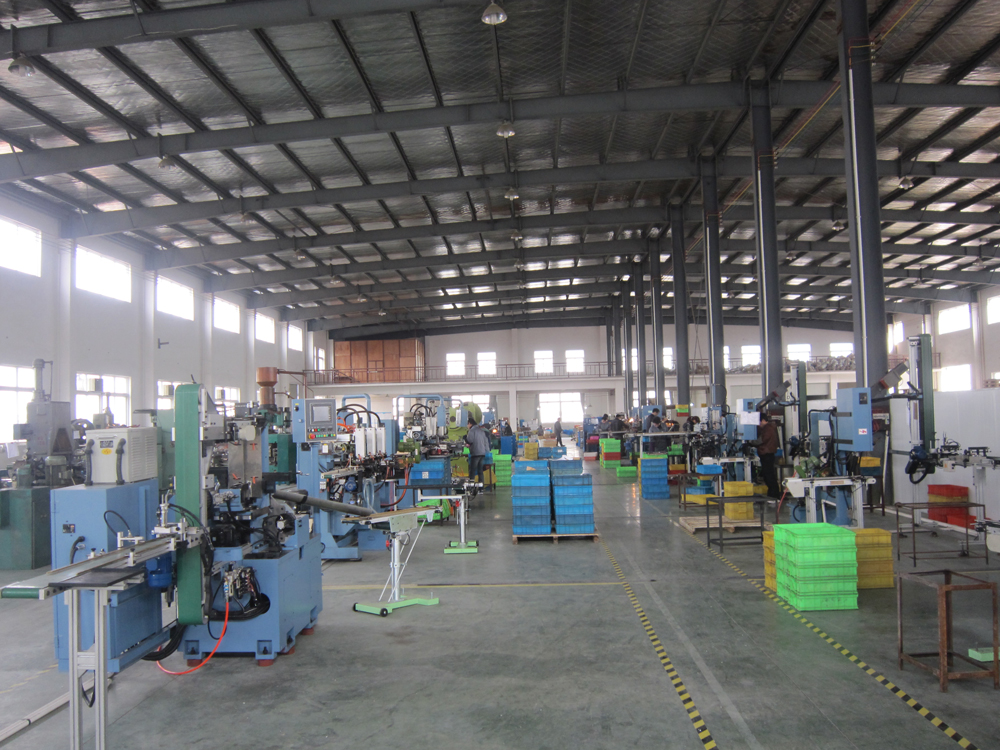
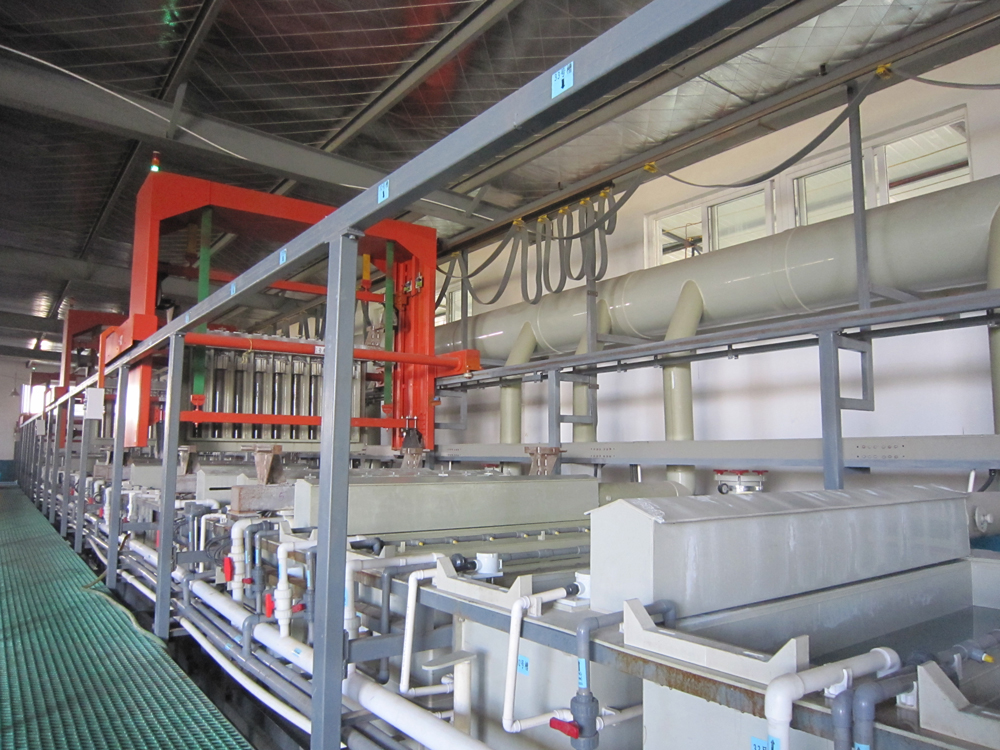
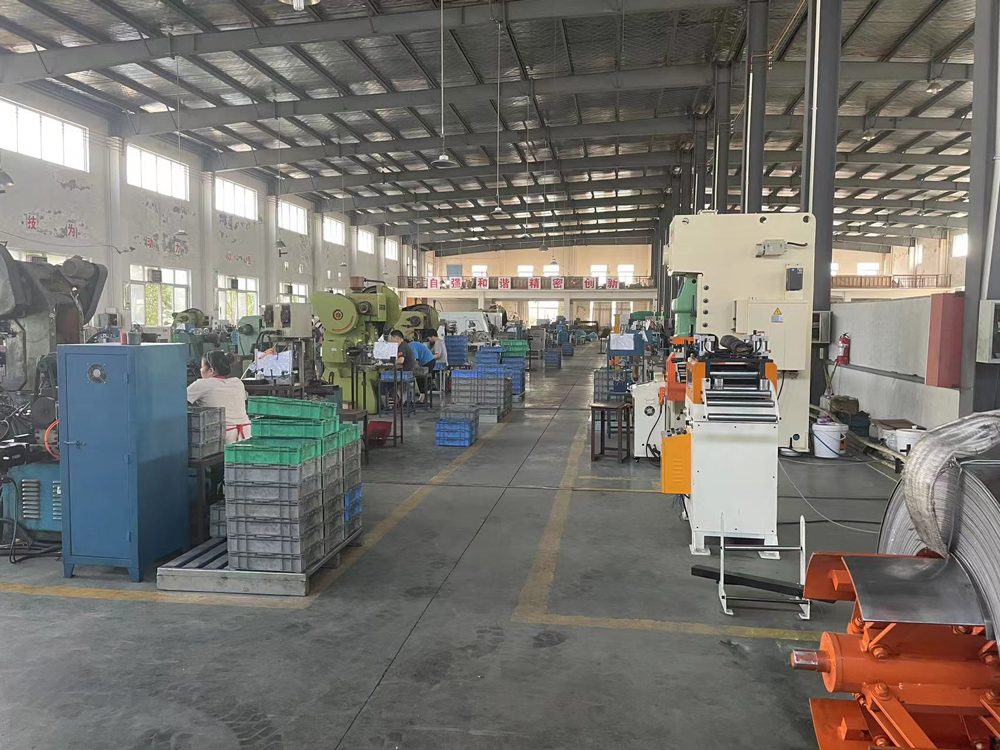
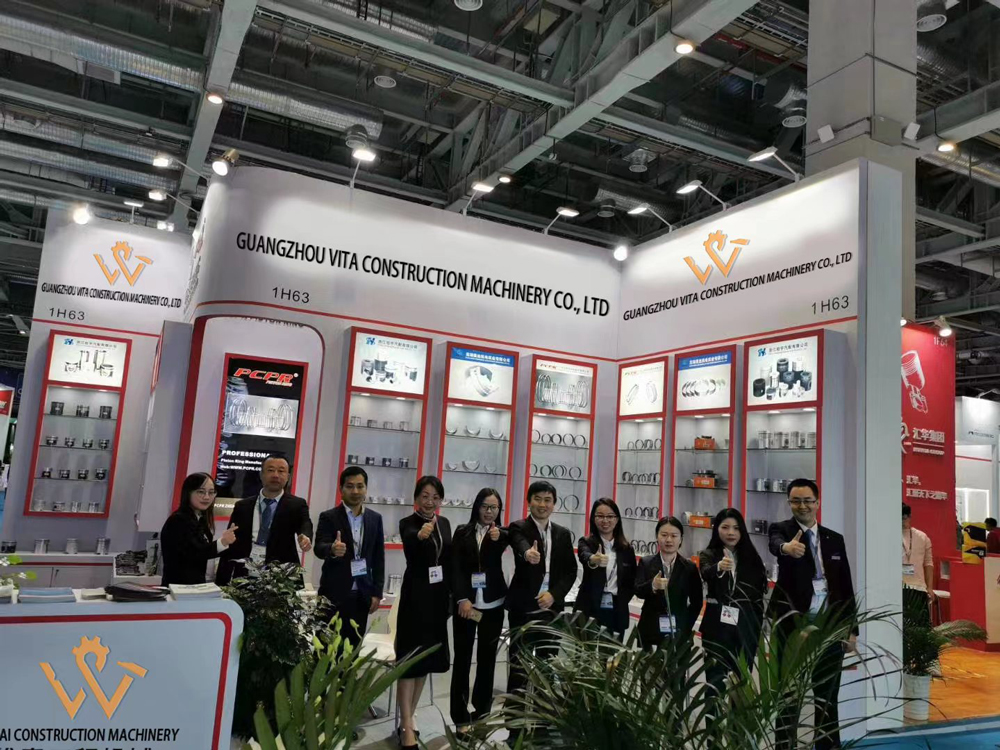
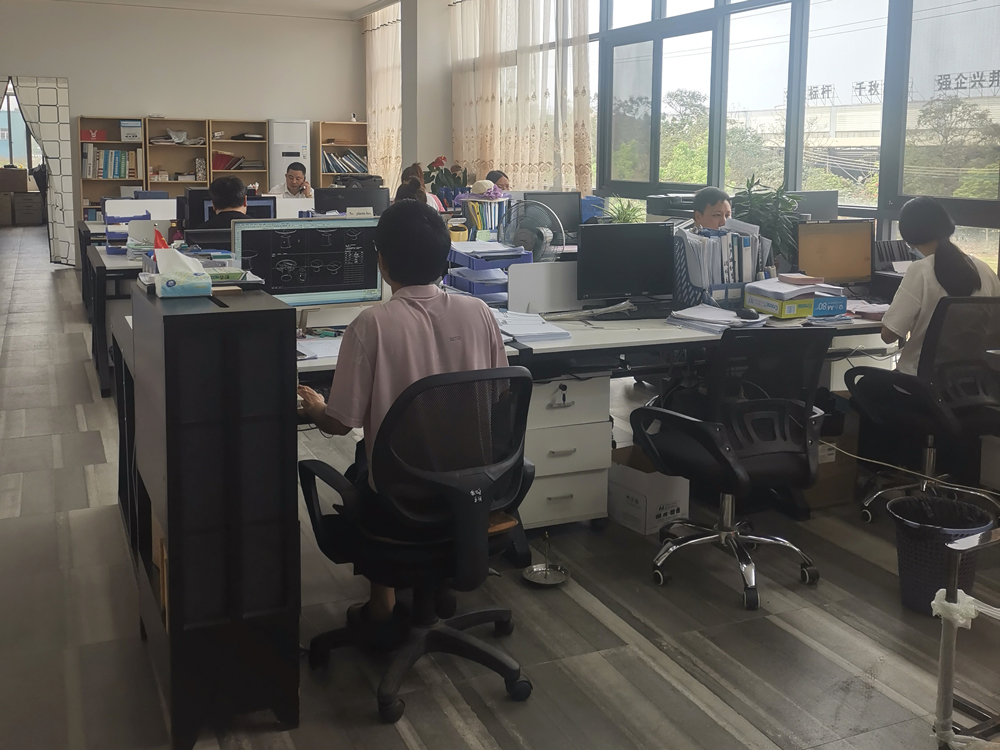
Guangzhou Vita Construction Machinery Co., Ltd. is one of the largest companies that combines factory and foreign trade. The factory is located in Xiangyang City, Hubei Province, where there are more than 18,000 square meters of workshop with several advanced production machines, more than 278 well-trained and skilled workers, and around 8 experienced engineers who assure good product quality as well as fast and accurate delivery.
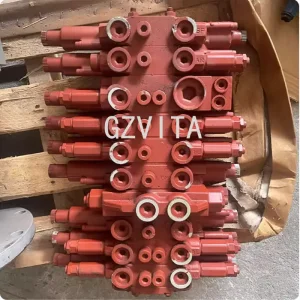
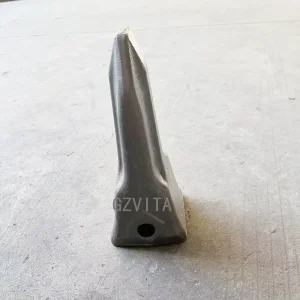
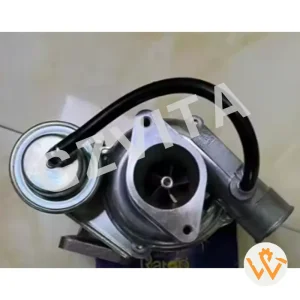
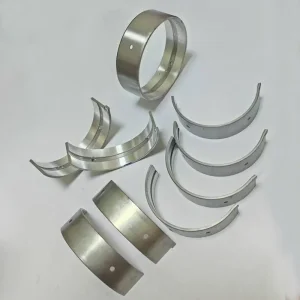
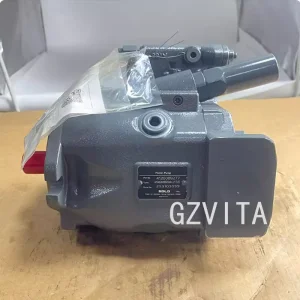
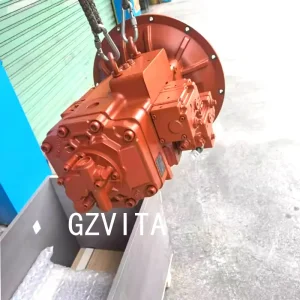
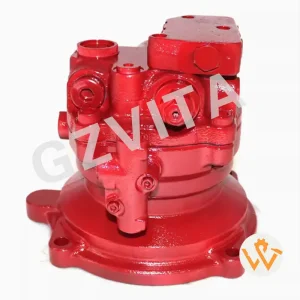
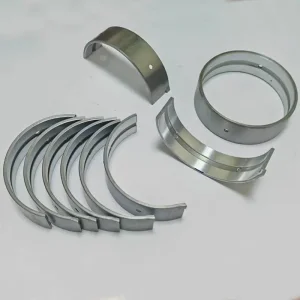
We specialize in producing, developing, and selling the whole range of construction machinery parts. Such as engine assembly, hydraulic pump, final drive, electric generating set, engine bearing (Main bearings con Rod Bearing series), crankshafts, engine valves, gear pumps, cylinder, all kinds of filters, excavator bucket, undercarriage parts for excavator and bulldozer... which are used as replacements of many types of machines, the brands include Komatsu, Volvo, Sumitomo, Caterpillar, Kubota, Hitachi, John Deere, Kobelco, Hyundai, Kato, Sany, XCMG, SUNWARD, and other well-known brands.
In the fast-paced world of construction, the reliability and efficiency of your machinery can make or break a project. We understand that high-quality parts are essential for optimal performance. So we aim to provide top-notch construction machinery parts to keep customer's machinery running smoothly.
To improve our service, we set up engine maintenance development. In addition to providing customers with engine assemblies, we can also help customers solve various technical problems encountered in the operation and assembly of engines.
We have our own professional maintenance team and can even be invited by customers to arrange for maintenance technicians to go abroad to help customers repair engines.
Take a virtual look inside our 18,000+ sqm modern manufacturing plant and quality control labs:
Explore our range of heavy machinery replacement parts, manufactured to meet OEM specifications for long-term field reliability.
 Vita Construction