Engine components, hydraulic configurations, and critical replacement parts optimized to eliminate severe failures and mechanical wear.
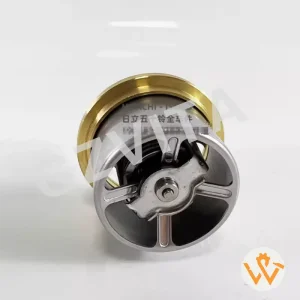
In heavy-duty internal combustion engines, few diagnostic phrases trigger as much urgency as "throwing a rod". This term refers to a catastrophic structural failure where a piston's connecting rod breaks, detaches from the crankshaft, and is violently driven through the engine block by the inertia of the reciprocating assembly.
A connecting rod acts as the vital mechanical bridge between the piston and the rotating crankshaft, converting linear combustion force into rotational torque. When a rod fails under load, it immediately compromises the structural integrity of the cylinder block, leading to total engine loss, sudden stop of operations, and significant safety hazards.
Understanding the root causes of this failure is critical for fleet operators, marine engineers, and heavy machinery owners. By isolating the symptoms early, costly overhauls can be averted and replaced with scheduled, highly controlled component replacements.
Recognizing the warning signs of connecting rod fatigue before catastrophic failure occurs can save up to 90% of replacement costs.
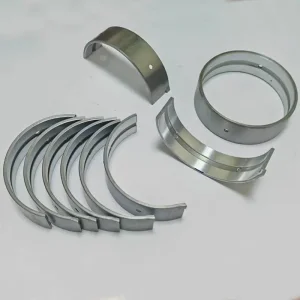
A deep, metallic tapping or knocking sound that accelerates with engine RPM. This noise indicates excessive clearance between the connecting rod journal and the crankshaft due to worn-out rod bearings.
When connecting rod bearings wear down, the oil path clearance increases, allowing lubricating oil to escape rapidly. This causes a dramatic drop in system-wide oil pressure, starving the upper valvetrain.
A bent connecting rod alters the piston stroke geometry, reducing compression in the affected cylinder. This imbalance manifests as violent engine vibration, rough idling, and persistent misfire codes.
During the final stages of failure, intense friction heats up the crankcase. Oil may vaporize, showing as thick blue smoke from the exhaust, accompanied by external oil leaks near the oil pan seam.
In heavy industries, a thrown rod leads to complete replacement of the short-block, costing upwards of $30,000 to $150,000 depending on machine scale.
In global commercial sectors—including mining, civil infrastructure, marine propulsion, and backup power generation—heavy-duty internal combustion engines are required to operate for thousands of hours without failure. In these environments, engine reliability directly dictates business profitability.
With the rise of predictive maintenance systems, the industrial trend has shifted from reactive repair to proactive prevention. Engine bearing components and high-tensile connecting rods are now engineered with tighter tolerances, utilizing advanced metallurgy and surface coatings (such as DLC - Diamond-like Carbon) to withstand temporary oil starvation.
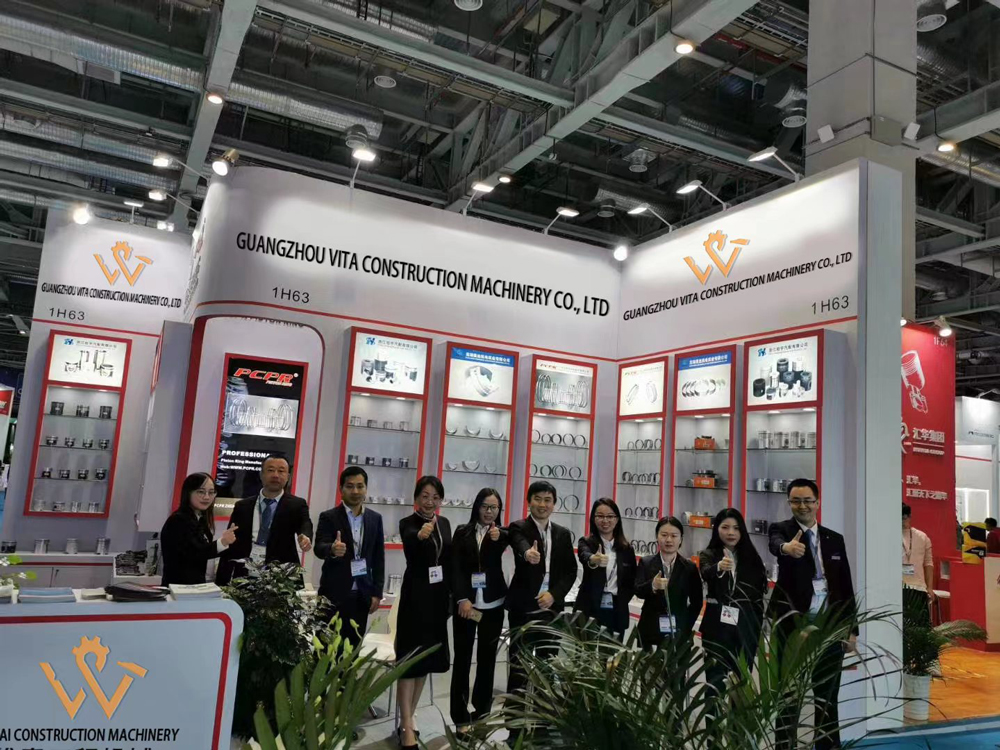
As a global component manufacturer and supplier, Guangzhou Vita Construction Machinery aligns its engineering processes with this shifting landscape. By producing high-grade forged steel parts, we assist global operators in avoiding sudden failures on worksites from East Asia to South America.
Square Meters Workshop
Skilled Production Specialists
Senior Engine Engineers
Quality Assurance Inspections
Your Premier Manufacturing Partner for Heavy-Duty Excavator & Engine Components
In the fast-paced world of construction, the reliability and efficiency of your machinery can make or break a project. We understand that high-quality parts are essential for optimal performance. So we aim to provide top-notch construction machinery parts to keep customer's machinery running smoothly.
To improve our service, we set up engine maintenance development. In addition to providing customers with engine assemblies, we can also help customers solve various technical problems encountered in the operation and assembly of engines.
We have our own professional maintenance team and can even be invited by customers to arrange for maintenance technicians to go abroad to help customers repair engines.
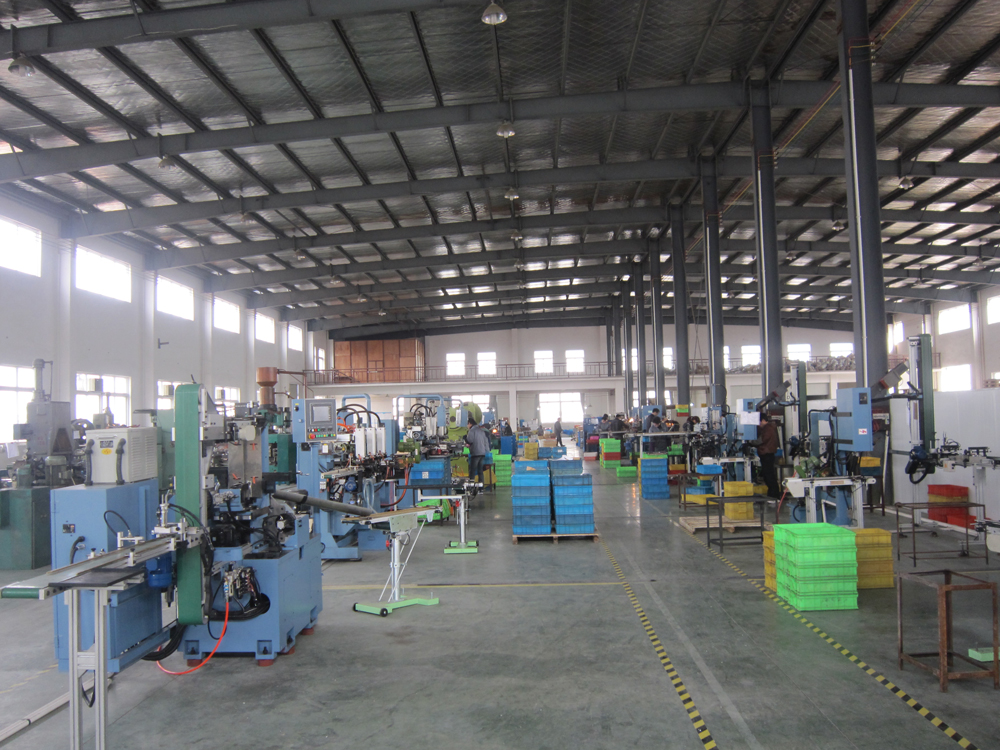
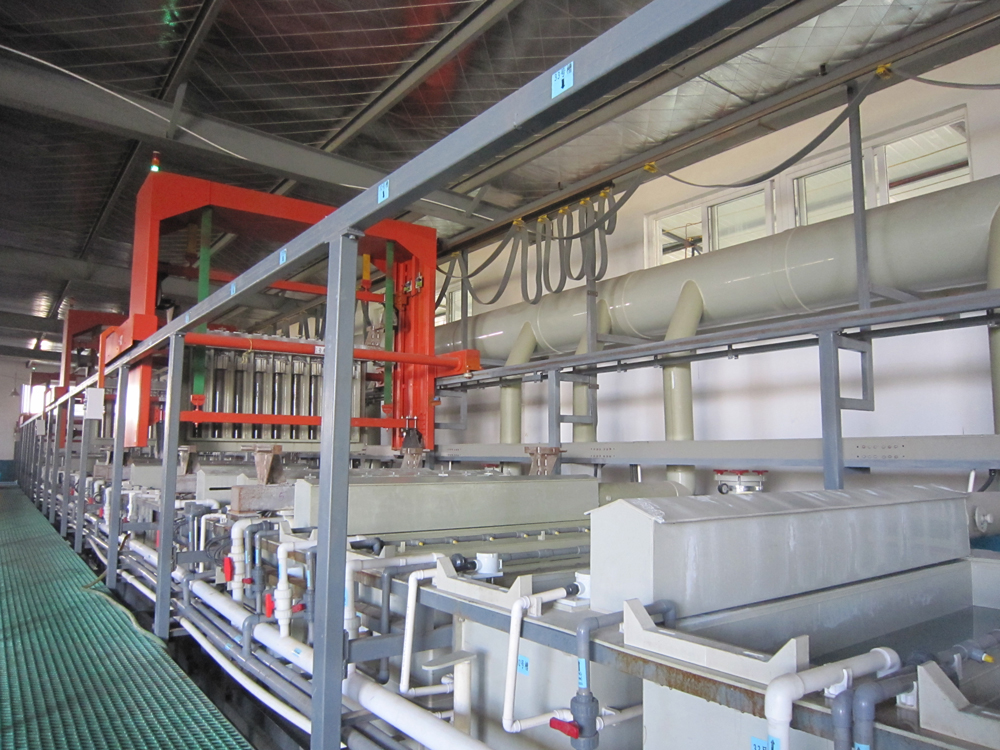
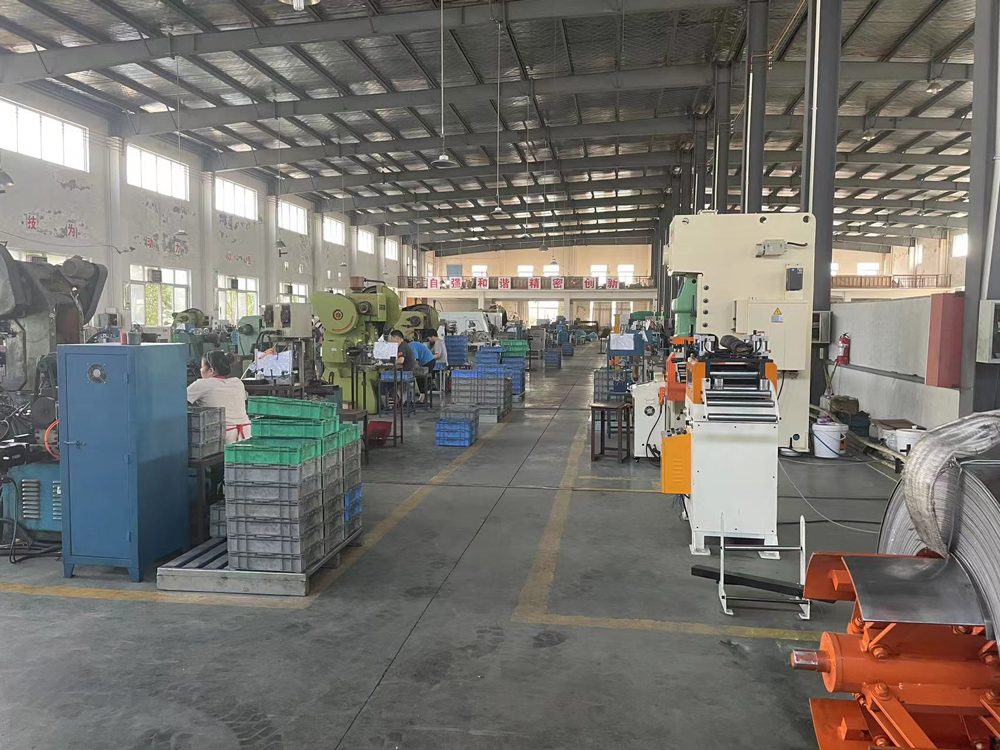
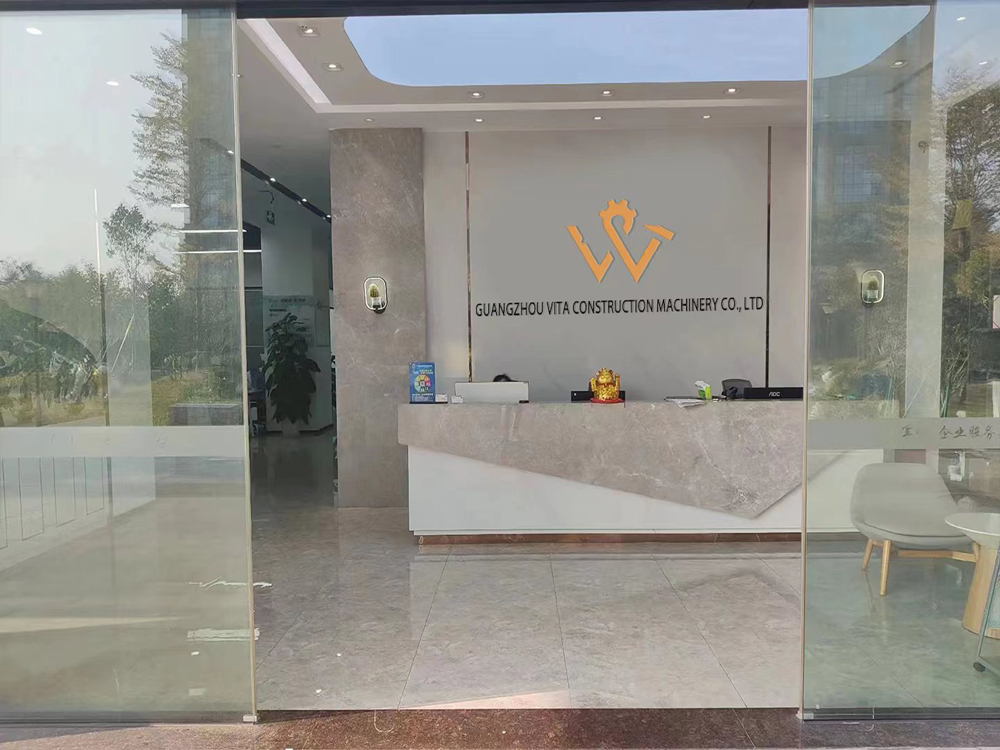
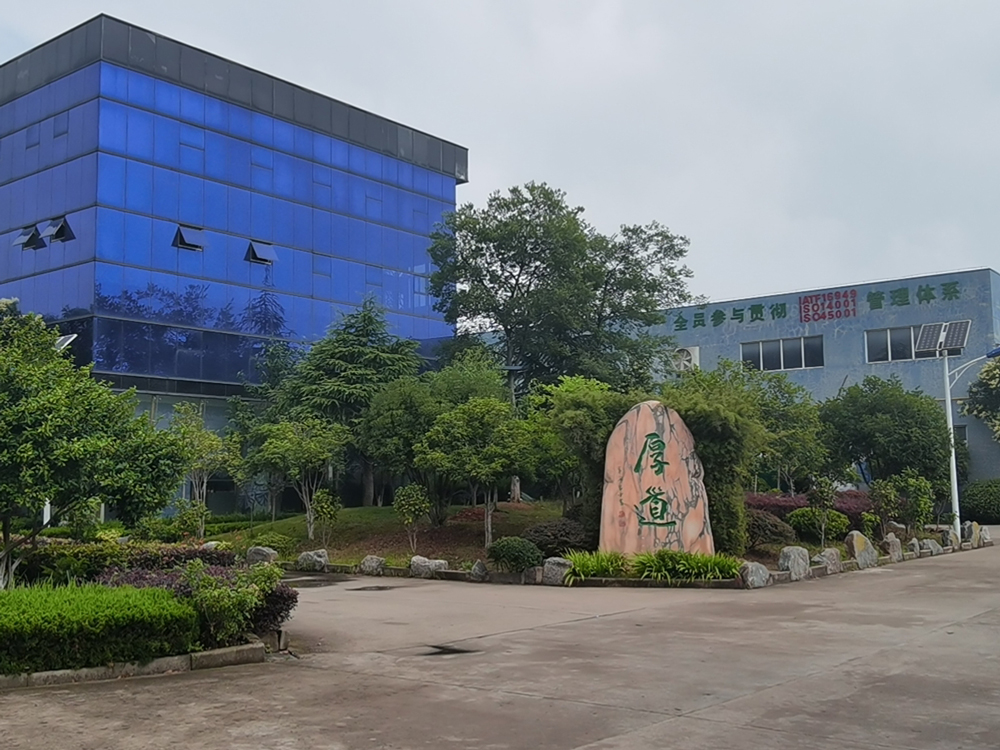
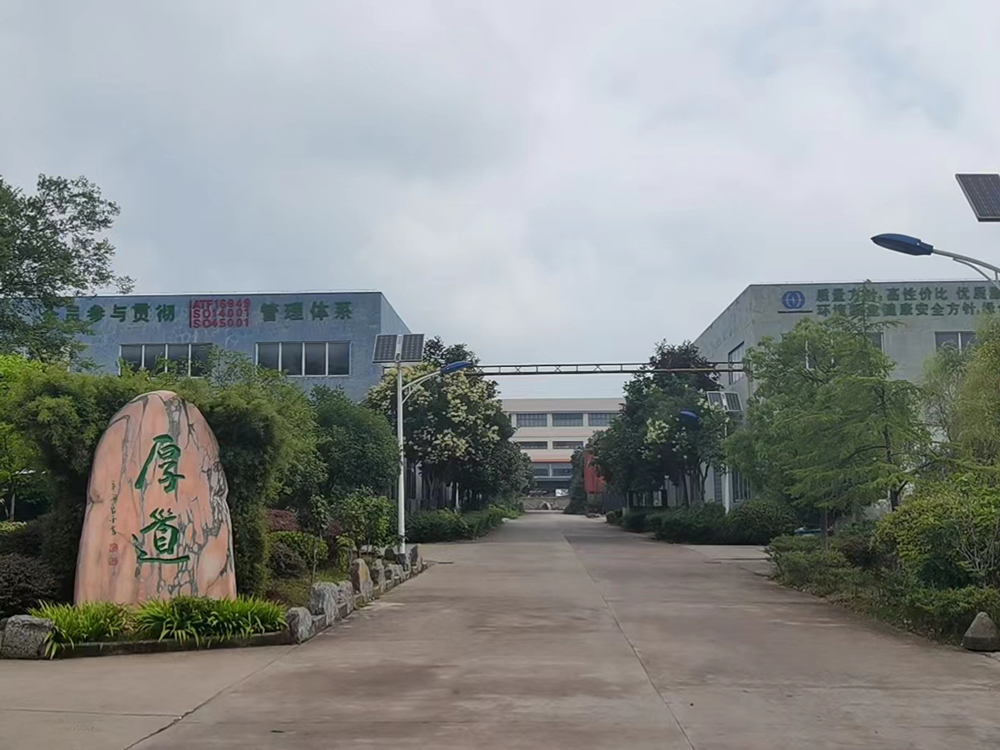
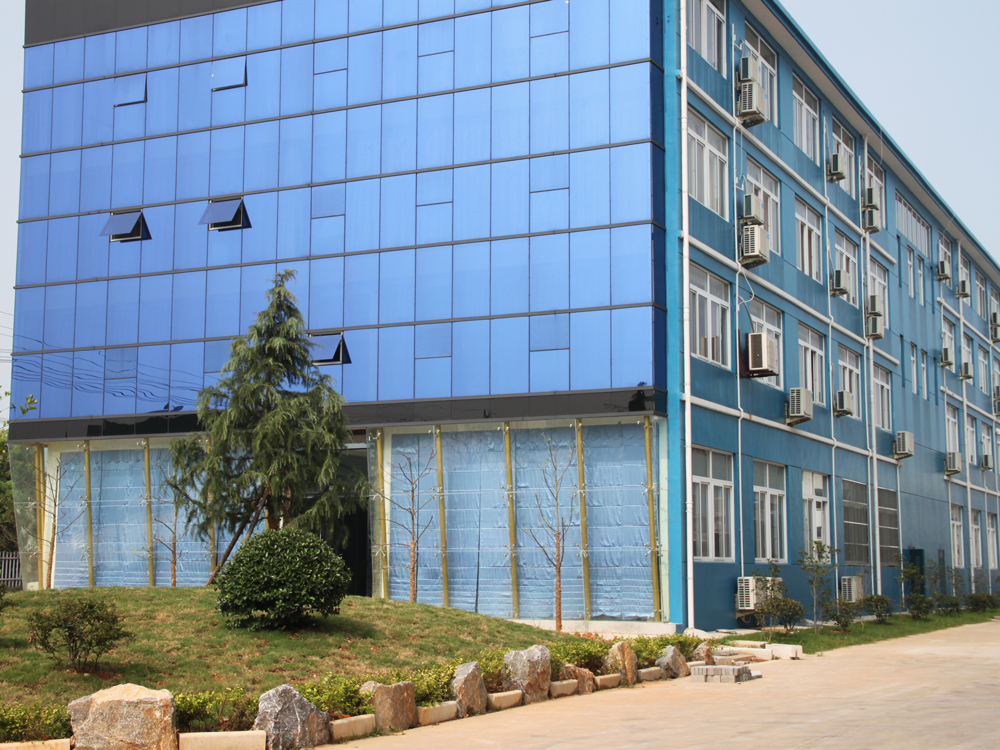
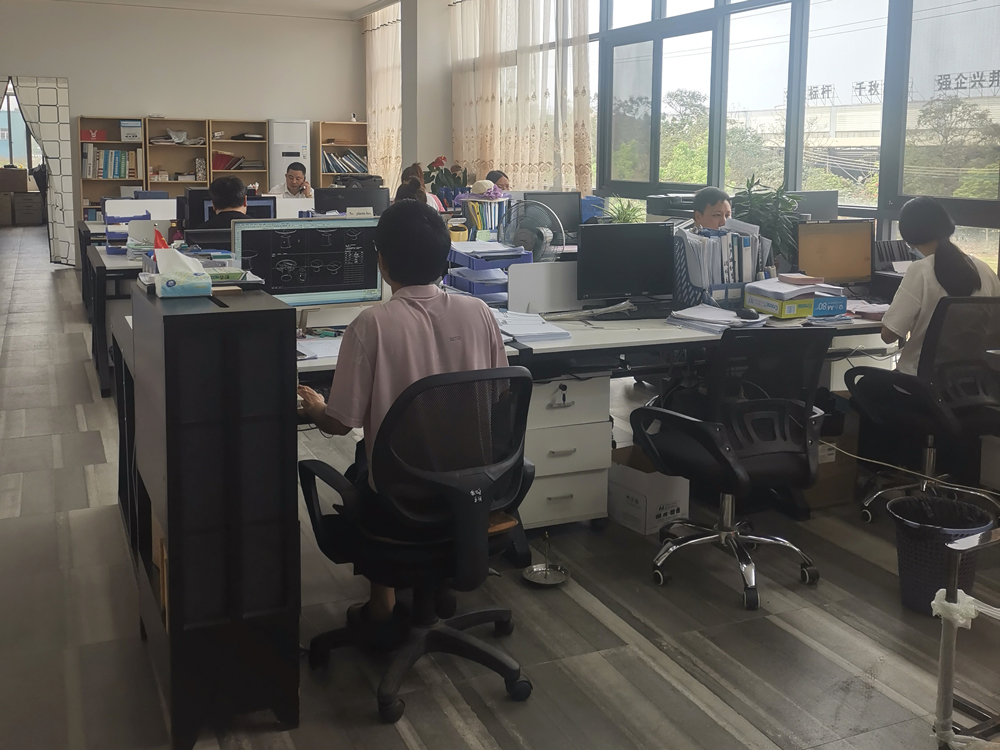
Take a virtual look inside our 18,000+ sqm state-of-the-art production facility and warehouse.
To eliminate connecting rod failure in next-generation powertrains, we are investing in advanced predictive diagnostics and material science innovations. Our research focuses on three major areas:
Through these preventative solutions, Guangzhou Vita is committed to reducing catastrophic machinery failure on worksites around the world.
Follow this industrial baseline routine to optimize heavy engine life cycle performance:
Answers to common questions about connecting rod failures, diagnostic practices, and preventative parts sourcing.
No. If you detect knocking noises or oil pressure drops, stop the engine immediately. Operating an engine with failing rod bearings can cause the rod to break, punch through the block, and ruin the entire engine assembly.
Rod knock is a deep, heavy metallic sound heard from the bottom of the engine block, and it gets louder under load. Lifter tick is a lighter, rapid clicking sound from the top cylinder head area, and it typically changes speed with RPM but does not react strongly to load changes.
A high-quality hydraulic or engine oil filter traps abrasive particulates. If these particles bypass the filter, they can scratch the soft metal overlay of the rod bearings, causing localized friction, overheating, and bearing failure.
Heavy-duty engines operate with tiny clearance tolerances (often less than 0.05 mm) between bearings and crankshaft journals. High-precision bearings are necessary to maintain a stable oil film and prevent metal-on-metal contact under heavy loads.
Our 18,000 sqm factory uses advanced testing equipment and CNC machinery. Our QA team inspects all critical dimensions, hardness levels, and material structures to ensure our parts match or exceed OEM specifications for Caterpillar, Komatsu, Volvo, and Hitachi machinery.
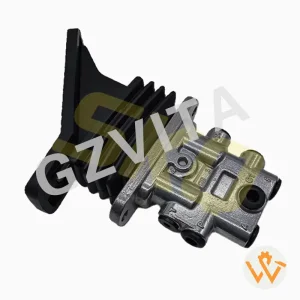
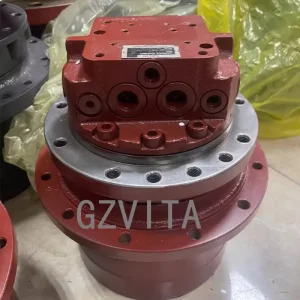
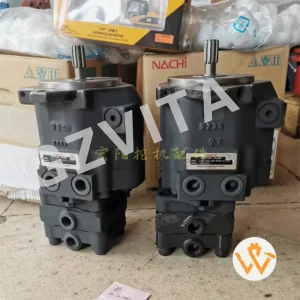
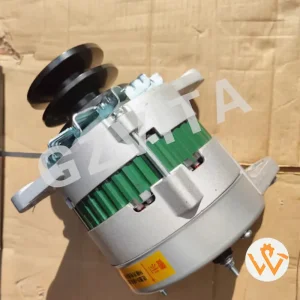
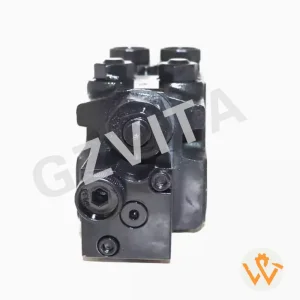
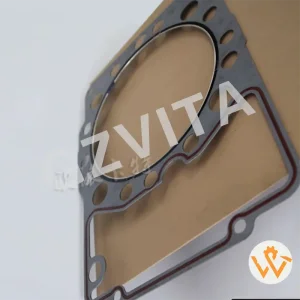
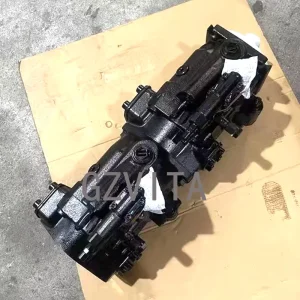
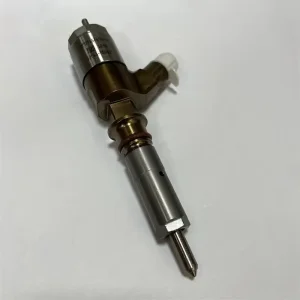
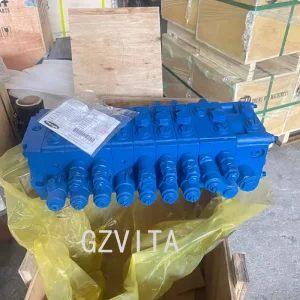
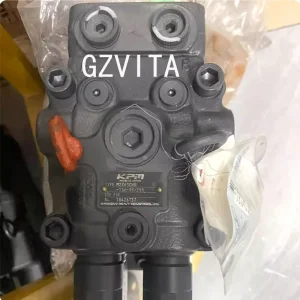
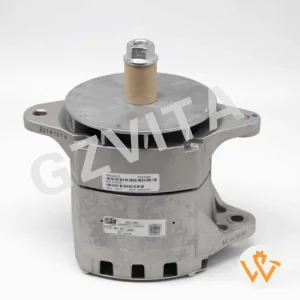
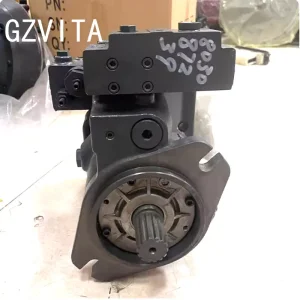
Browse our selection of heavy-duty replacement parts, including pumps, control valves, alternator assemblies, and travel gears.
 Vita Construction