High-performance hydraulic, undercarriage, and fuel management assemblies for heavy machinery replacement
Understanding structural integrity, metallurgical properties, and dynamic force balancing in small-displacement off-highway engines.
In modern off-highway machinery and high-efficiency marine propulsion, the 3-cylinder diesel engine block has emerged as the definitive standard for balancing space-saving requirements with reliable thermal efficiency. Unlike larger inline configurations, the three-cylinder engine block offers a compact layout that significantly reduces internal friction and weight. This layout, however, subjects the crankcase and block structural ribs to unique primary and secondary unbalanced shaking forces. Designing and manufacturing a block that withstands these dynamic loads requires deep metallurgical and machining expertise.
SEO Insight & Information Gain: Sourcing managers must evaluate key manufacturing variables including graphite morphology (typically ASTM A48 Class 35/40 or DIN EN 1561 GJL-250/300) to ensure the block handles cylinder pressures exceeding 180 bar without macro-deformation or cylinder bore distortion.
Guangzhou Vita Construction Machinery Co., Ltd. focuses on high-strength Gray Cast Iron (HT250 and HT300 class) to guarantee structural integrity. High-density cast iron structures provide excellent vibration-damping capacities, crucial for dampening the natural secondary imbalances inherent to 3-cylinder configurations. For specialized lightweight industrial designs, we utilize high-strength aluminum alloys (e.g., A356-T6) cast via low-pressure die-cast (LPDC) or gravity die-cast methodologies, featuring cast-in-place gray iron cylinder sleeves.
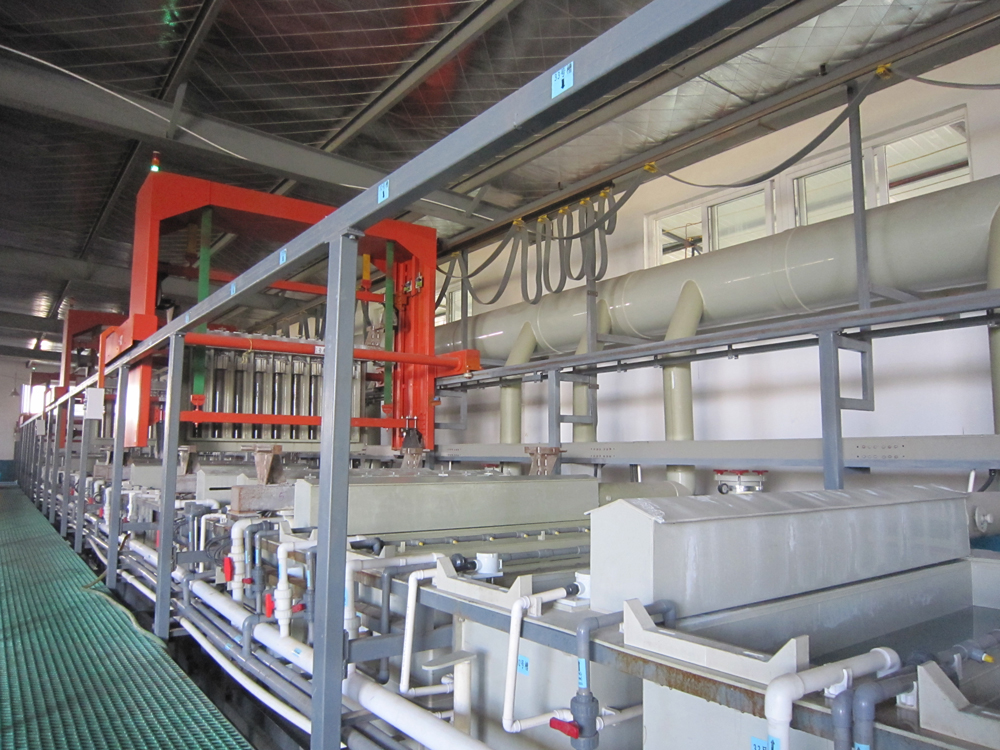
Our casting processes incorporate precise mold flow analysis and strict temperature management to prevent micro-shrinkage, cold shut defects, and gas porosity inside critical areas like the bulkheads, main bearing bores, and coolant jackets.
Guangzhou Vita Construction Machinery Co., Ltd.
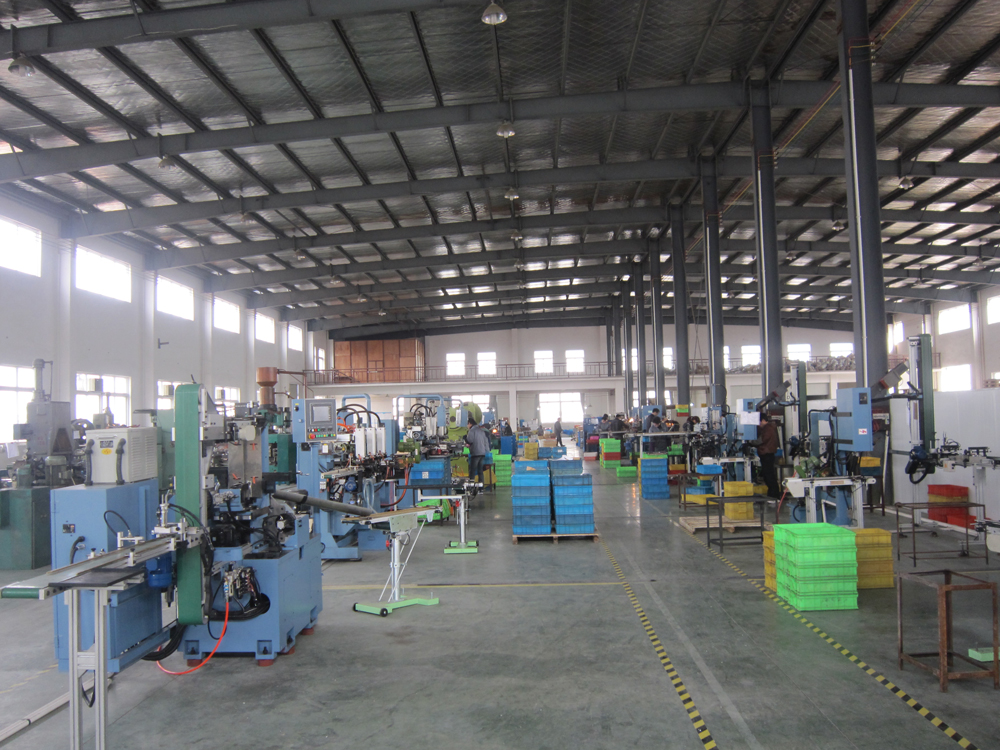
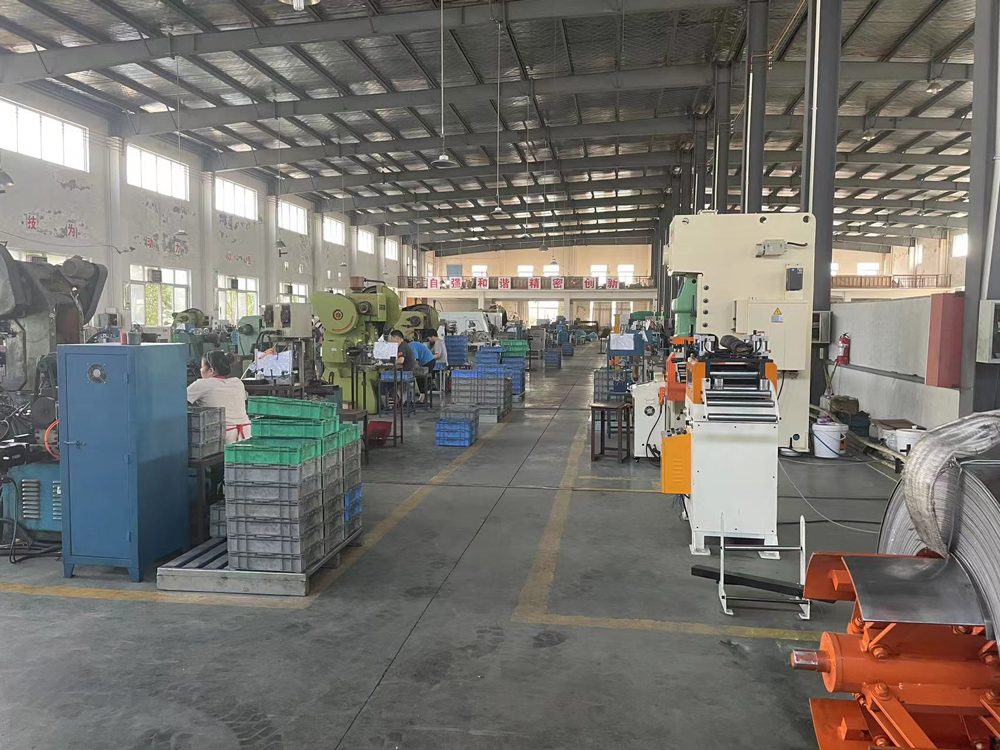
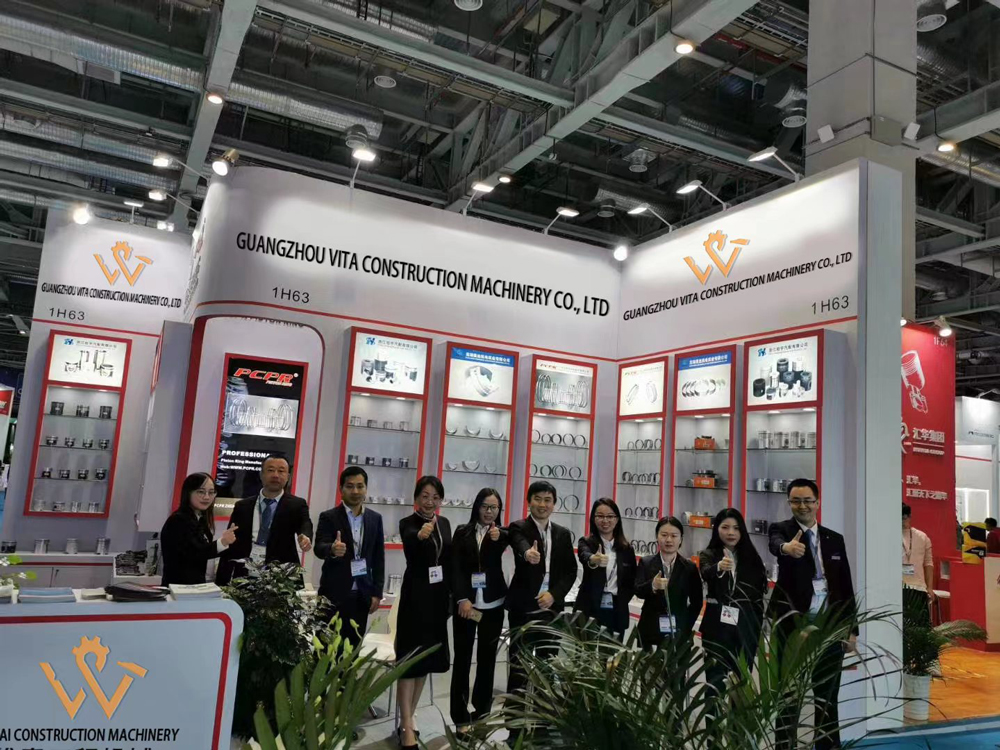
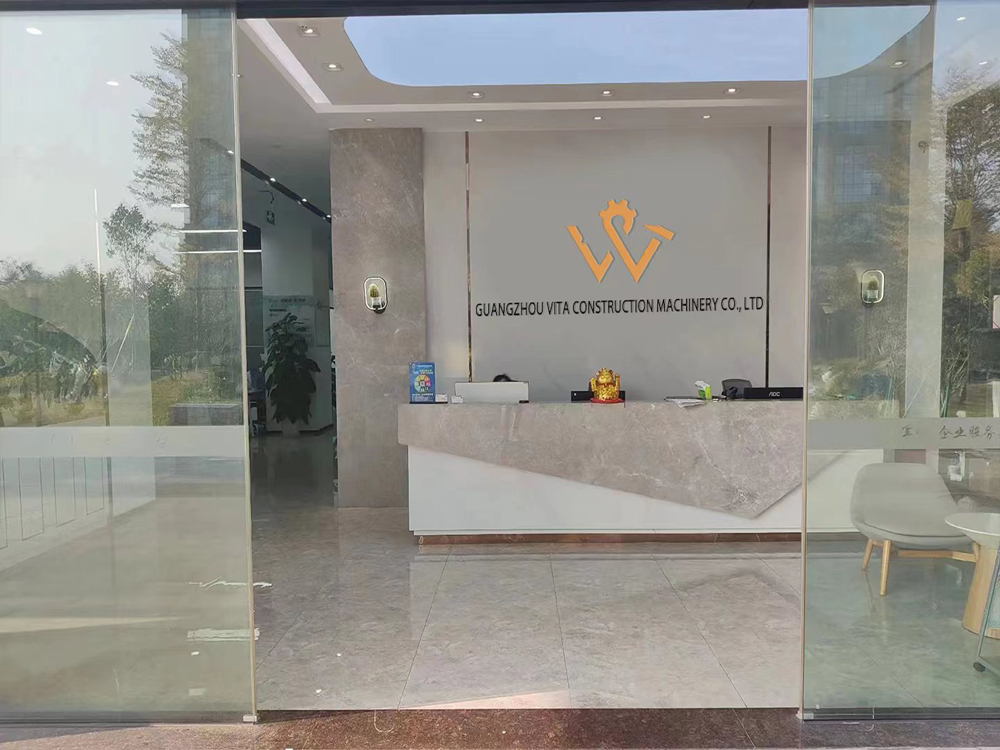
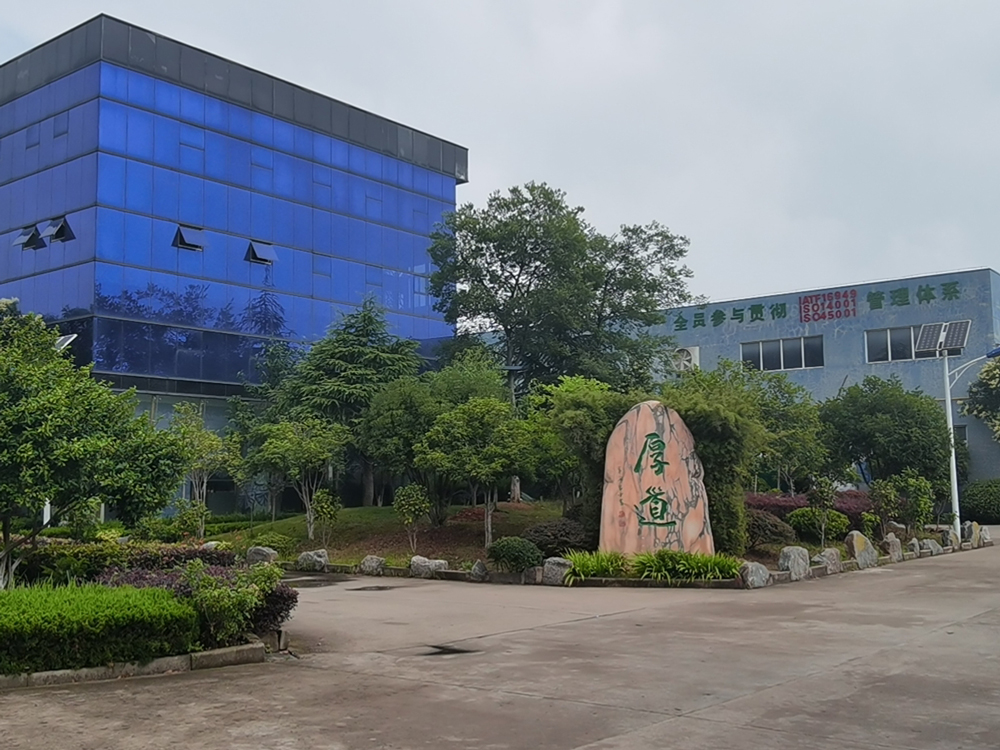
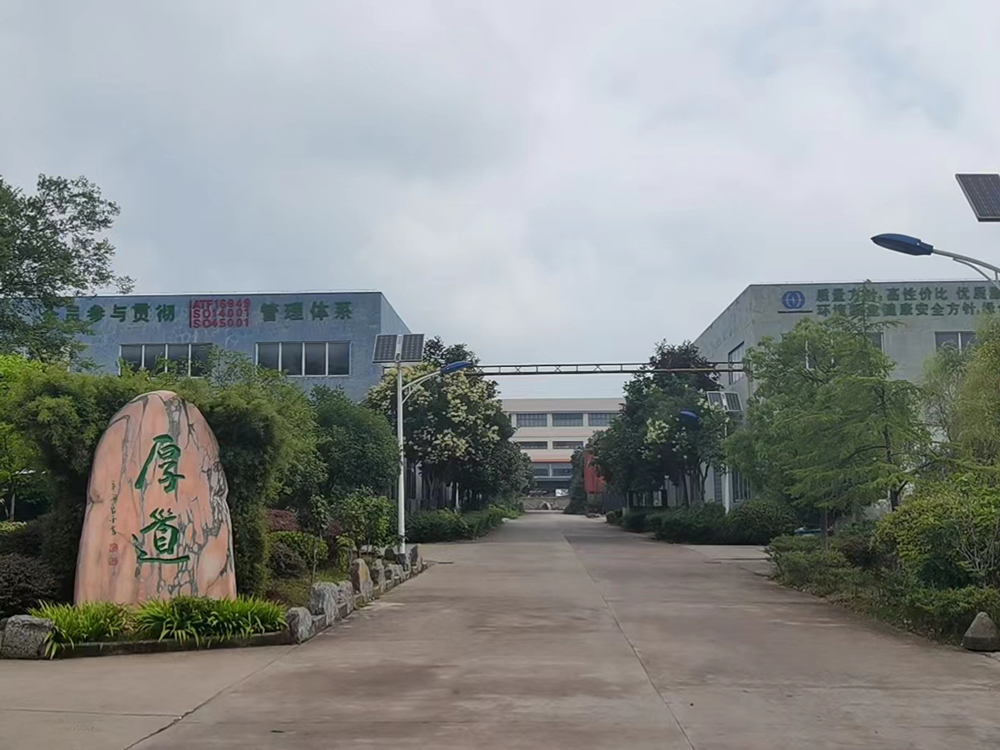
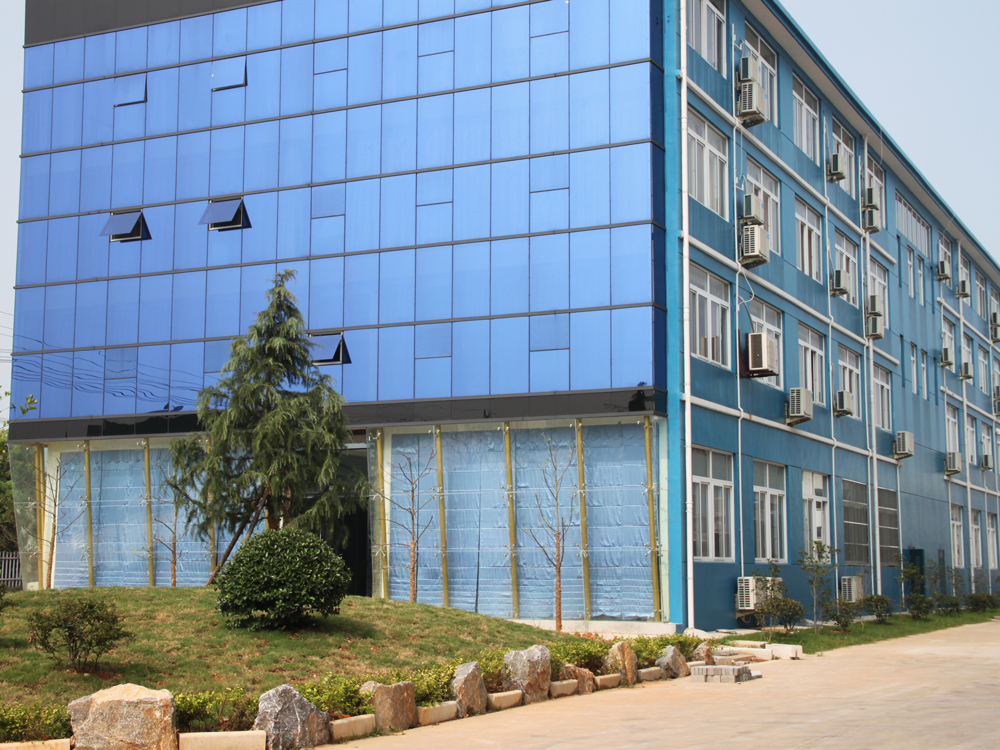
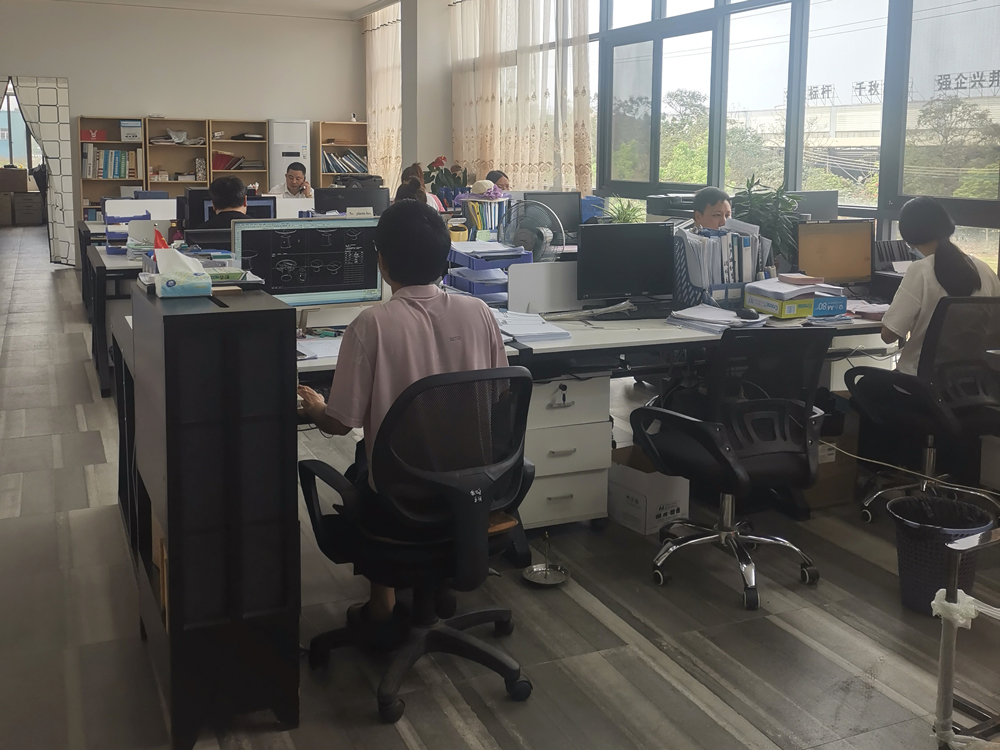
Guangzhou Vita Construction Machinery Co., Ltd. is one of the largest companies that combines factory operations with international trade. Our production facilities are based in Xiangyang City, Hubei Province, spanning a modern manufacturing footprint of over 18,000 square meters. Guided by an engineering-first mentality, our facility features advanced production machinery, over 278 well-trained and skilled technical workers, and 8 highly experienced mechanical engineers. This robust team ensures high product quality, short lead times, and precise execution on all custom orders.
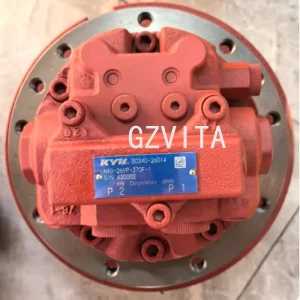
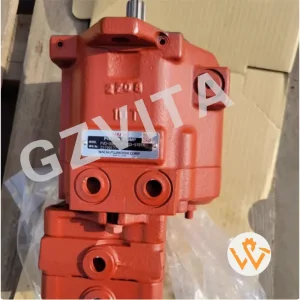
We specialize in producing, developing, and exporting a comprehensive range of construction machinery components. Our key categories include full engine assemblies, hydraulic piston pumps, final drives, diesel generators, engine bearings (including high-load Main Bearings and Con Rod Bearings), precision crankshafts, engine valves, gear pumps, cylinder heads, complex filters, excavator buckets, and robust undercarriage components for both excavators and bulldozers.
Our components are designed and tested to serve as heavy-duty replacements for industry-leading global brands, including: Komatsu, Volvo, Sumitomo, Caterpillar, Kubota, Hitachi, John Deere, Kobelco, Hyundai, Kato, Sany, XCMG, and SUNWARD.
Why global sourcing procurement teams select Guangzhou Vita Construction Machinery
In the fast-paced world of construction, machinery reliability and efficiency dictate project success. We run multi-phase quality inspections (ultrasonic defect scan, Coordinate Measuring Machine dimensions, and hot-cycle pressure tests) ensuring zero-defect distribution.
To support ongoing system life cycles, we maintain an active engine maintenance development division. Beyond raw hardware supply, we deliver structural analysis and troubleshooting for installation, cylinder timing, and coolant system integration.
Our in-house technical support team consists of factory field engineers. Upon partner request, we can arrange for skilled engine maintenance technicians to assist overseas distributors in diagnosing system setups and training local service teams.
Leveraging localized material integration, high-capacity machinery, and seamless transport infrastructure.
Guangzhou Vita Construction Machinery Co., Ltd. has established its manufacturing hub in Xiangyang, Hubei Province, a globally recognized automotive and heavy machinery foundry corridor. This geographic placement offers massive supply chain efficiencies that directly benefit global distributors and OEM buyers.
Machining three-cylinder engine blocks demands extreme positioning accuracy. The center bore of the cylinder linings, crankshaft journals, and camshaft pathways must align within micro-level tolerances.
Our Hubei factory utilizes imported multi-axis CNC horizontal machining centers that mill all engine faces in a single clamping. This minimizes tolerance stacking and guarantees that replacement blocks match OEM specifications exactly.
International engine block procurement involves strict verification processes. Industrial engine blocks must align with local emission regulatory systems, including EU Stage V and US EPA Tier 4 Final. These frameworks place high thermal loads on internal block structures due to Exhaust Gas Recirculation (EGR) and diesel particulate filter (DPF) installations.
Our blocks undergo comprehensive hot-chamber thermal simulation testing. We guarantee our blocks manage extreme thermal stress cycles without cracking or showing structural creep. Our manufacturing facility complies with ISO 9001:2015 quality management systems, ensuring traceability for every cast batch back to the raw material melt.
Operating out of Guangzhou with manufacturing roots in Hubei, we utilize integrated rail, inland waterway, and deep-sea maritime shipping corridors. This dual-presence system allows us to optimize export routing, significantly reducing inland transportation costs and clearing export customs quickly.
How our 3-cylinder blocks perform under extreme environmental stresses in field machinery
Engine blocks are subjected to varying environments depending on their application. Understanding the specific field conditions allows us to adapt our cast iron mixtures and cooling sleeve designs to meet specialized operational demands:
Mini-excavators operating in tight urban spaces require dense engine outputs under constant vibration. The engine block serves as a structural element within the machine frame, meaning it must withstand external torsional stresses. Our gray iron composition is engineered to handle these multi-axis loads.
Tractors operate at high load factors for extended periods under dusty conditions. This demands clean cooling passages inside the engine block. Our precision water-jacket cores prevent scale buildup, maintaining optimal heat transfer even in high ambient temperatures.
Backup generators require rapid cold-starts followed immediately by high load demand. Our thermal shock-resistant castings prevent micro-fissures around the exhaust valve bridge and cylinder deck during rapid temperature fluctuations.
Critical engineering answers for procurement managers, distributors, and engine rebuild professionals
Explore our extended range of power transmission, control valves, and engine replacement parts
 Vita Construction