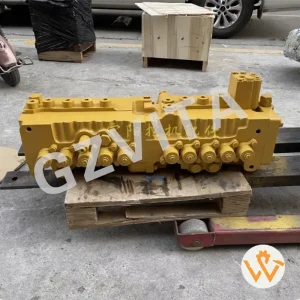
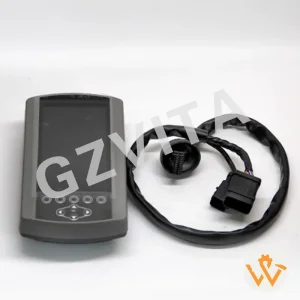
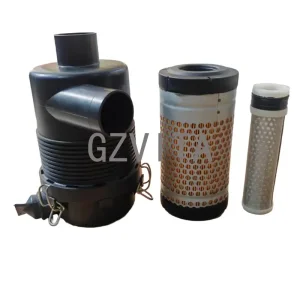
Engineered for maximum reliability and wear resistance in extreme environmental conditions. Explore our original factory-manufactured replacements.
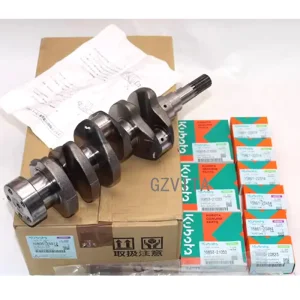
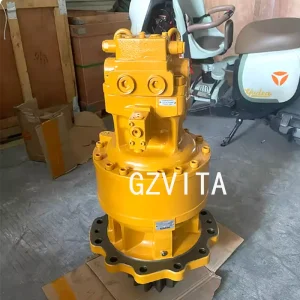
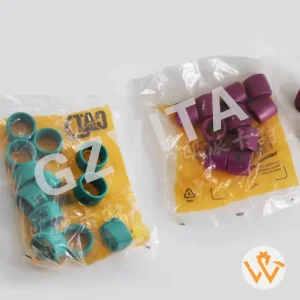
A comprehensive study on tribological interfaces, microstructural composition, and thermodynamics of heavy-duty cylinder components.
Within modern internal combustion engines (ICE) and high-load industrial compressors, the cylinder liner/piston ring interface remains one of the most critical zones in terms of energy dissipation and material wear. As heavy-duty diesel engines transition to higher peak cylinder pressures (PCP) to maximize thermal efficiency and comply with stringent emission policies, the structural performance demands on wet and dry cylinder liners have grown exponentially.
To prevent micro-welding, scuffing, and premature wear, our manufacturing process utilizes centrifugally cast alloyed gray cast iron. By precisely controlling the carbon equivalent (typically 3.2% to 3.5%) and incorporating critical alloying elements such as Chromium (Cr), Molybdenum (Mo), Nickel (Ni), and Copper (Cu), we optimize the matrix structure. The microstructural phase consists of a fully pearlitic matrix containing Type A graphite flakes, distributed evenly as per ASTM A247 standards. This specific formation provides an inherent lubrication reservoir mechanism. The graphite flakes wear slightly below the pearlitic matrix, creating micro-grooves that trap lubricating oil, maintaining a persistent hydrodynamic oil film under high mechanical load and intense sliding speeds.
| Chemical Elements | Standard Range (%) | Metallurgical Influence |
|---|---|---|
| Carbon (C) | 3.20% - 3.55% | Promotes graphite flake deposition and increases thermal conductivity. |
| Silicon (Si) | 1.90% - 2.40% | Controls graphite size distributions and graphitization tendencies. |
| Manganese (Mn) | 0.60% - 0.90% | Stabilizes pearlite formation, boosting hardness and yield strength. |
| Chromium (Cr) | 0.25% - 0.50% | Improves heat and wear resistance by promoting hard carbide networks. |
| Molybdenum (Mo) | 0.15% - 0.40% | Enhances high-temperature strength and fatigue resistance under thermal load. |
Unlike static mold casting, our factory utilizes horizontal centrifugal casting technology. In this process, molten metal is poured into a high-speed rotating mold. The centrifugal forces push the denser, impurity-free molten alloy to the outer cylinder walls, forcing slag and lighter oxide inclusions to migrate to the inner bore surface, which is subsequently machined away. The result is a highly isotropic metal matrix with uniform density, minimal micro-porosity, and superior tensile strength characteristics.
Following machining, the cylinder liners undergo a highly specialized Plateau Honing process. Standard honing leaves sharp peaks that can scrape off oil and cause high initial wear during the engine breaking-in phase. Plateau honing employs a secondary phase of finishing stones that cut away the sharp peaks, leaving a flat "plateau" surface with deep valleys. The valleys continue to act as lubrication reservoirs while the flat plateaus provide an immediate load-bearing area for the piston rings. This decreases the break-in duration, reduces lube oil consumption (LOC) by up to 50%, and minimizes blow-by gases escaping into the engine crankcase.
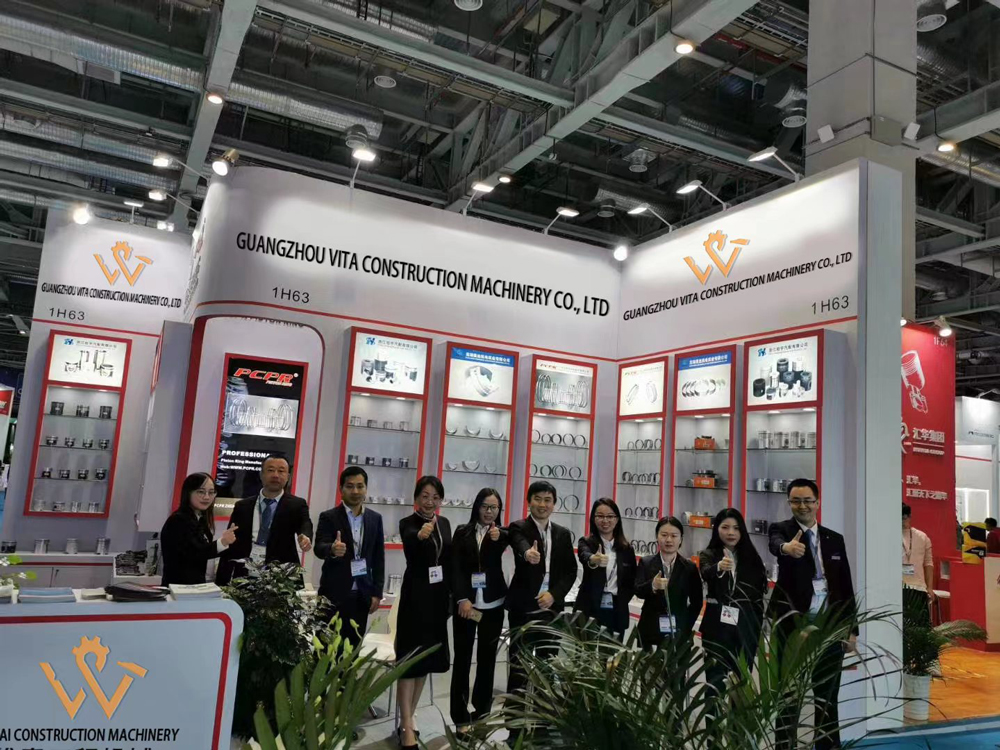
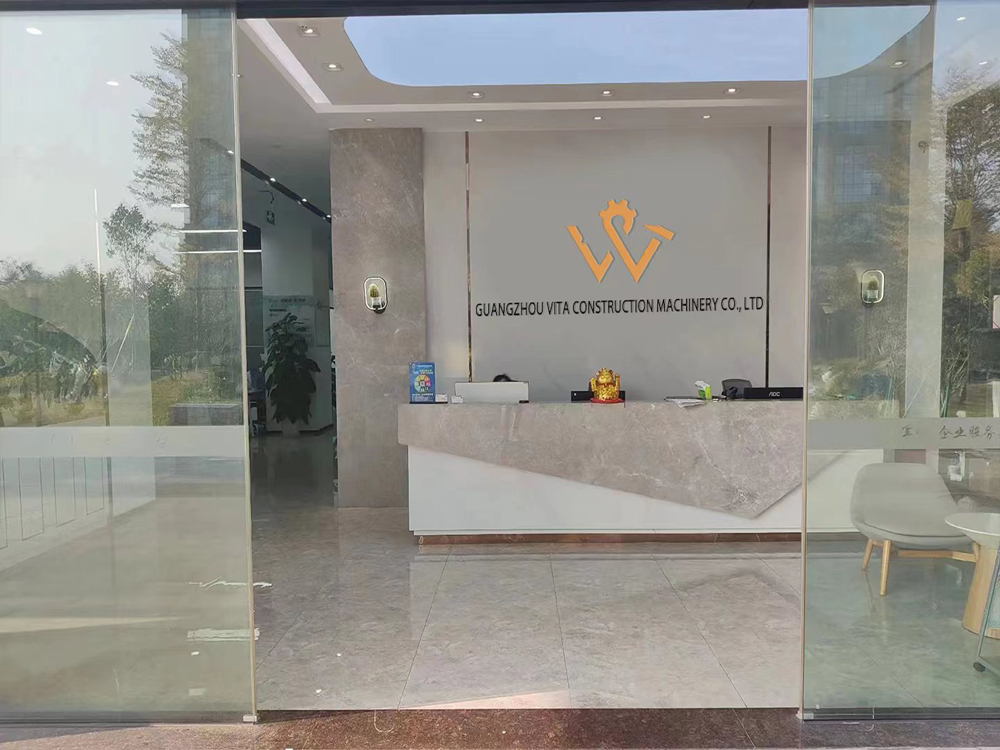
Guangzhou Vita Construction Machinery Co., Ltd. – Leading OEM and aftermarket spare parts supply chain partner.
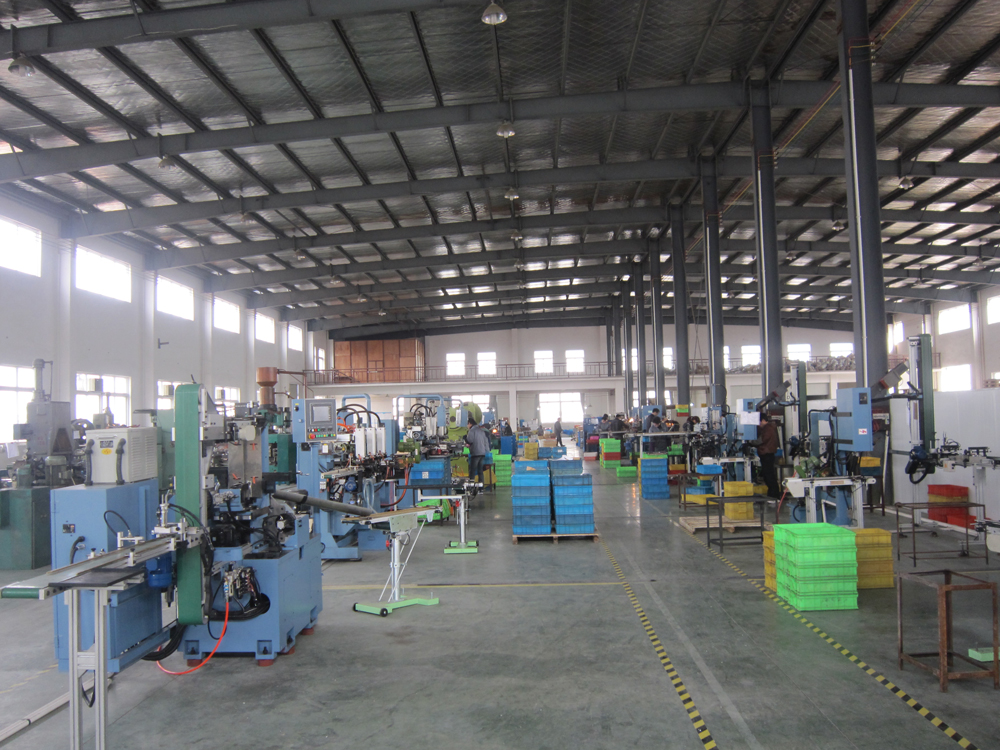
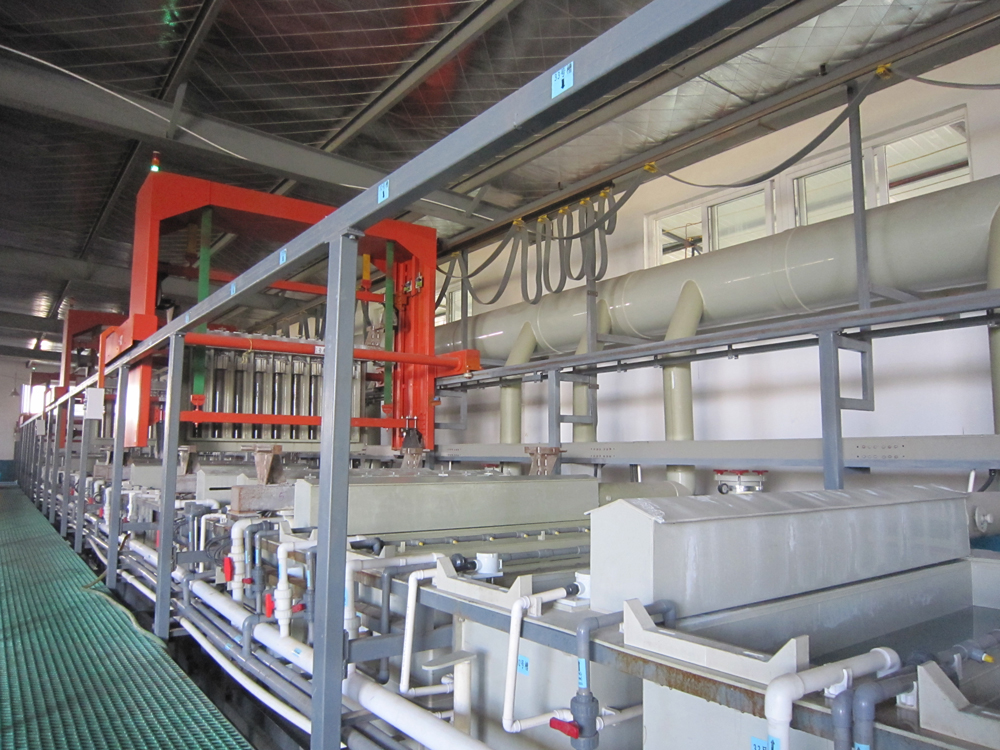
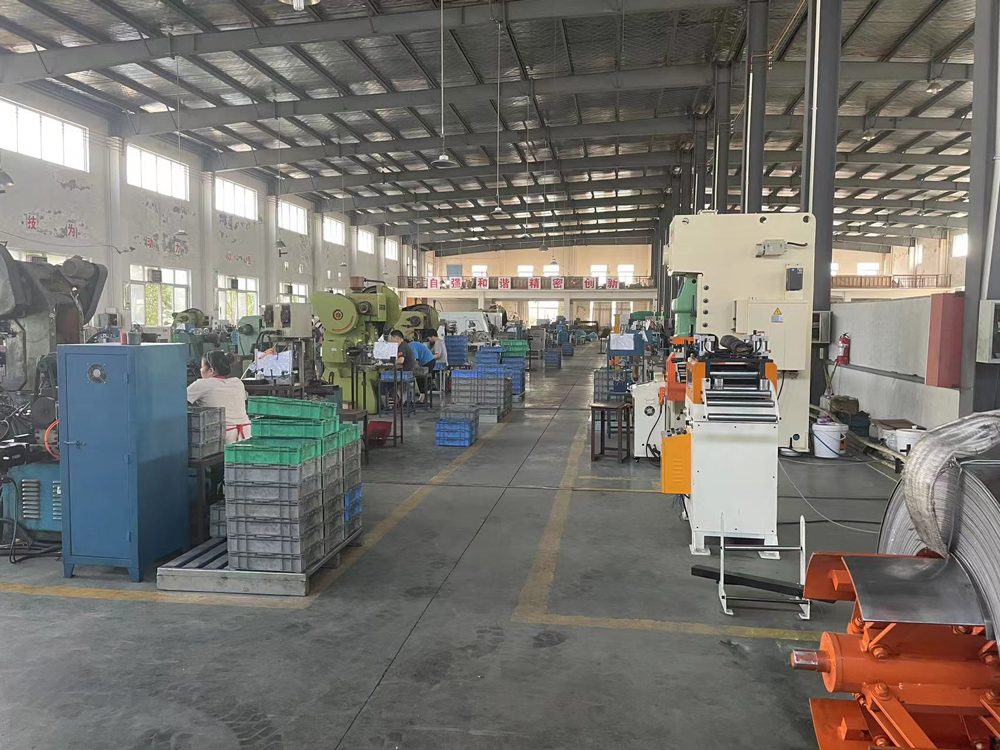
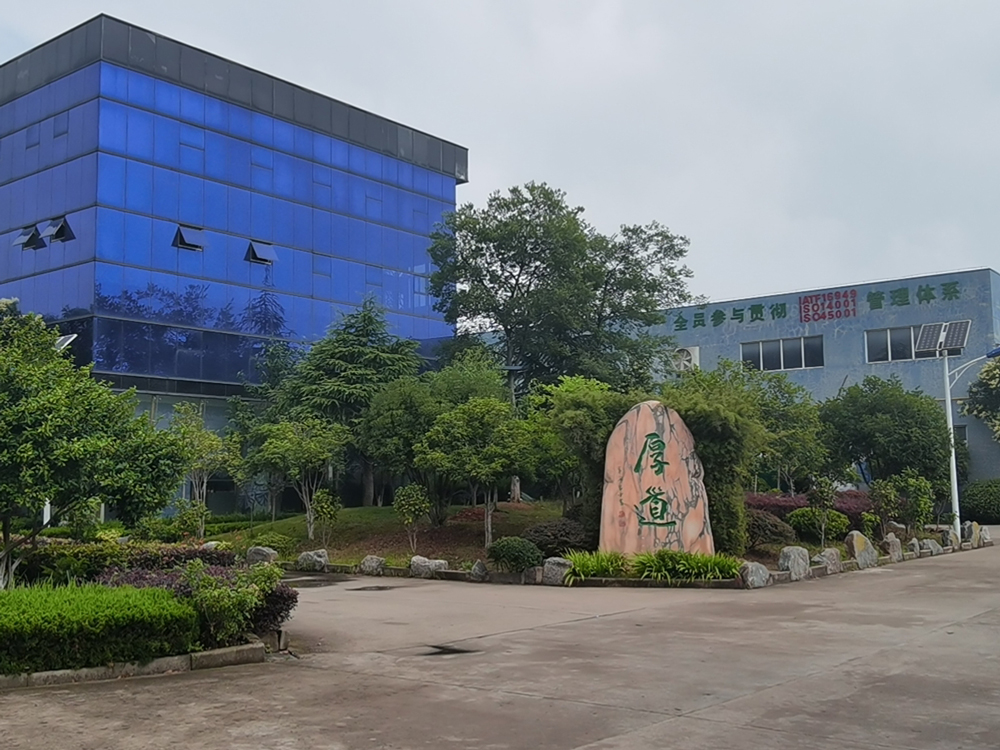
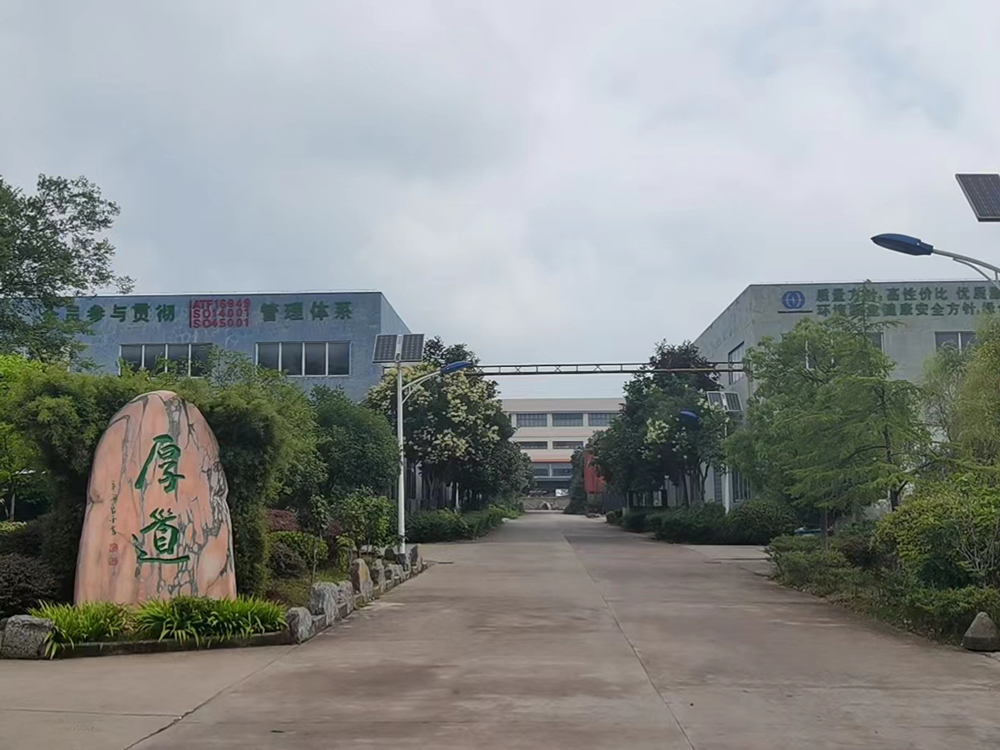
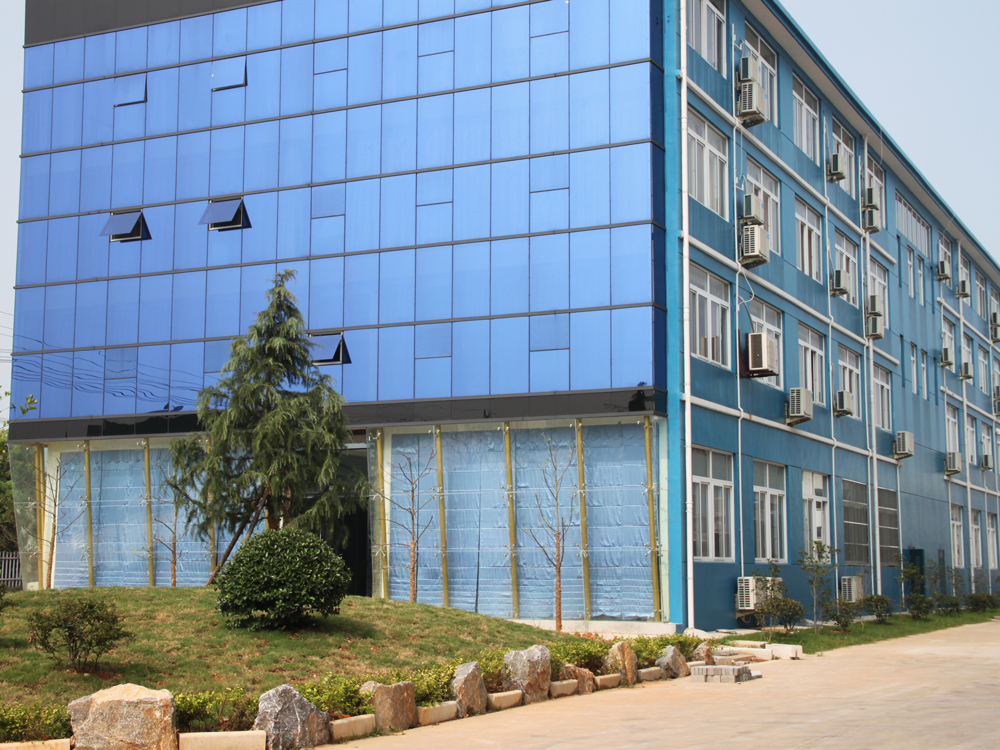
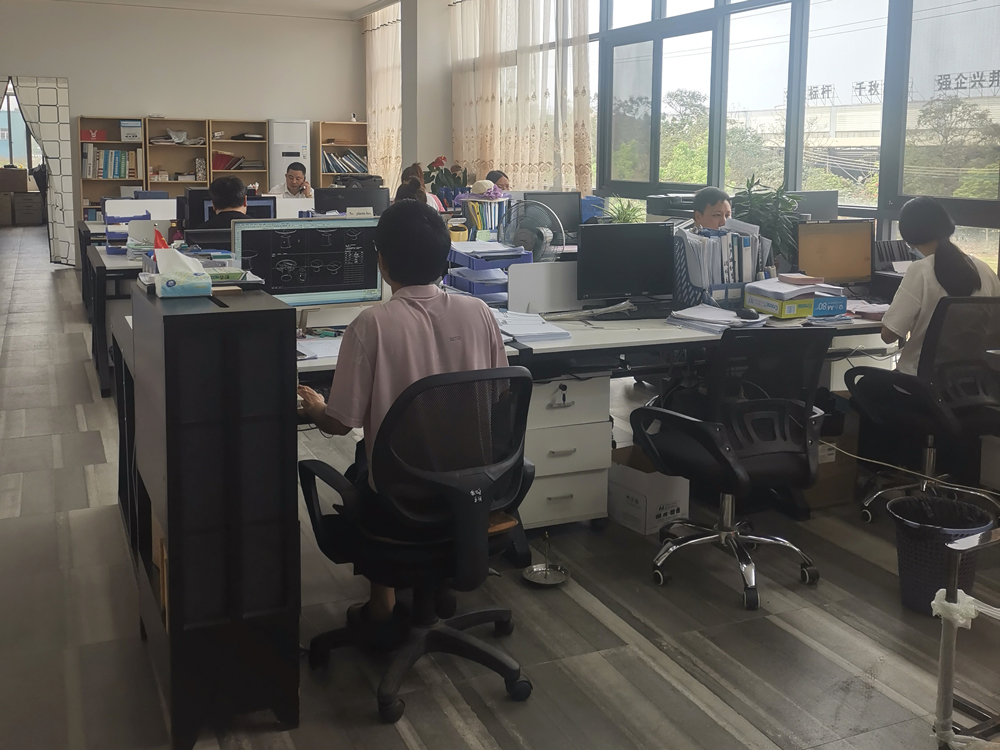
Guangzhou Vita Construction Machinery Co., Ltd. is one of the largest companies that combines factory operations and international trade. Our production facility is strategically located in Xiangyang City, Hubei Province. Spanning a modern workshop area of more than 18,000 square meters, our factory is equipped with advanced precision machining tools, high-speed CNC centers, and comprehensive metallographical inspection equipment.
With over 278 highly trained and skilled workers and a dedicated R&D engineering team of approximately 8 experienced senior engineers, we ensure that every batch of engine components, cylinder liners, and hydraulic systems adheres to rigorous dimensional standards. This combination of engineering expertise and scale guarantees both stable product quality and prompt, accurate global delivery cycles.
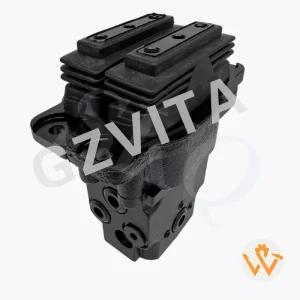
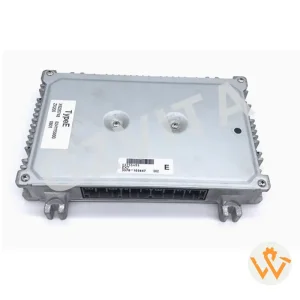
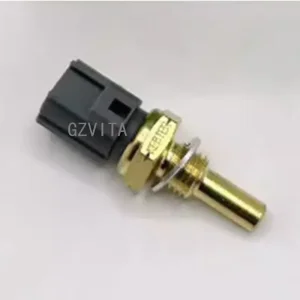
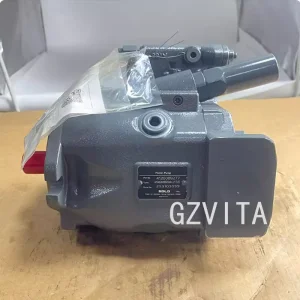
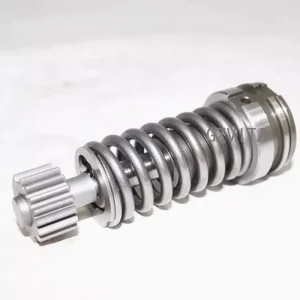
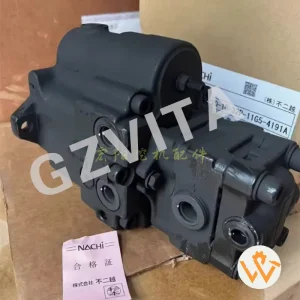
We specialize in producing, developing, and exporting a complete range of heavy construction machinery parts designed for high-stress applications. Our product portfolio covers engine assemblies, cylinder liner sleeves, engine bearings (including main bearing and con-rod bearing series), crankshafts, engine valves, hydraulic pumps, gear pumps, final drives, electric generating sets, filters, excavator buckets, and robust undercarriage parts.
Our components are precision-engineered to serve as direct replacements for major global brands, including: Komatsu, Volvo, Sumitomo, Caterpillar, Kubota, Hitachi, John Deere, Kobelco, Hyundai, Kato, Sany, XCMG, Sunward, and other renowned industrial heavy equipment manufacturers.
Why Tier-1 construction, mining, and industrial firms choose our engine solutions.
In the fast-paced world of construction, the reliability and efficiency of your machinery can make or break a project. We understand that high-quality parts are essential for optimal performance. So we aim to provide top-notch construction machinery parts to keep customer's machinery running smoothly.
To improve our service, we set up engine maintenance development. In addition to providing customers with engine assemblies, we can also help customers solve various technical problems encountered in the operation and assembly of engines.
We have our own professional maintenance team and can even be invited by customers to arrange for maintenance technicians to go abroad to help customers repair and optimize complex industrial engines.
Addressing supply chain challenges, localized technical support, and structural engine health management.
Heavy industries such as open-cast mining, maritime transport, and heavy infrastructure projects run under stringent schedules. In these contexts, engine downtime equates to considerable financial losses. Procurement managers look for cylinder liners and sleeve suppliers capable of guaranteeing parts with extended Mean Time Between Failures (MTBF) and rapid delivery structures.
Guangzhou Vita Construction Machinery Co., Ltd. addresses this demand by maintaining a buffer inventory of raw materials and finished liners for standard configurations. Whether you are running a fleet of Caterpillar mining trucks in Western Australia, Komatsu excavators in Northern Europe, or Kubota agricultural tractors in Southeast Asia, our logistics network provides seamless intermodal delivery, backed by rigorous container-level shock protection packaging to prevent microscopic fracturing during transit.
Wet cylinder liners are exposed directly to the cooling jacket. This makes them susceptible to cavitation erosion—a phenomenon where rapid collapse of vapor bubbles created by high-frequency liner vibration damages the exterior walls. Our design incorporates highly specialized anti-cavitation coatings (such as zinc-chrome or polymer coatings) along the outer diameter of our wet liners. Additionally, we refine the structural transition radius at the liner flange. Flange cracking occurs under high clamping pressures and rapid thermal expansion spikes; by utilizing precision rounding radii (fillets) and stress-relief grooves, our liners dissipate these stresses safely across the engine deck, preventing structural failure.
Compliance is a key pillar of our operational strategy. Our Hubei manufacturing plant operates under ISO 9001:2015 quality management guidelines, ensuring document traceability from raw pig-iron batches to final shipped boxes. For markets with strict safety regulations, such as North America (EPA compliant engines) and Europe (Stage V emission machines), our liners help maintain low engine oil consumption, which is critical to preserving exhaust after-treatment systems (DPF and SCR). Our overseas maintenance teams stand ready to travel to your job site to assist in engine overhauls, ensuring the correct liner protrusion settings are maintained during assembly to guarantee head-gasket integrity.
Adapting to alternative fuels, laser textures, and advanced coatings for the next generation of power generation and propulsion.
The shipping, power generation, and heavy freight industries are actively transitioning toward low-carbon fuels such as hydrogen, ammonia, and green methanol. These alternative fuels introduce distinct combustion environments with high thermal loads and corrosive combustion byproducts. Hydrogen combustion, for instance, produces water vapor that can wash away oil films. Our metallurgical lab is currently developing next-generation high-phosphorus iron liners paired with Diamond-Like Carbon (DLC) coated piston rings. This setup provides dry-lubrication properties, protecting the cylinder interface from scuffing even during momentary oil-film breakdown.
Answers to critical questions regarding metallurgy, installation, tolerances, and custom configurations of cylinder liners.
Explore our wider range of high-performance replacement parts for excavators, bulldozers, and generators.
 Vita Construction