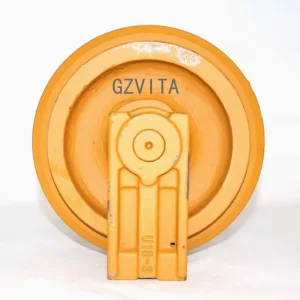
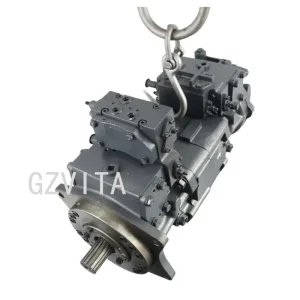
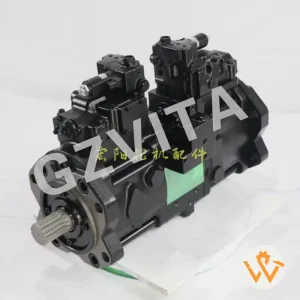
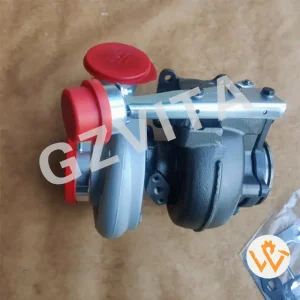
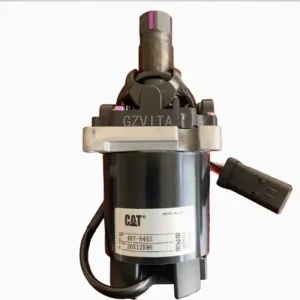
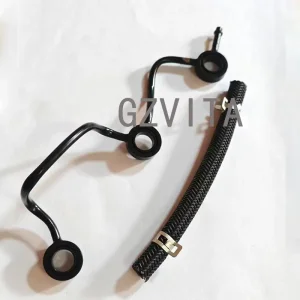
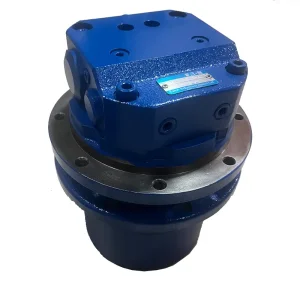
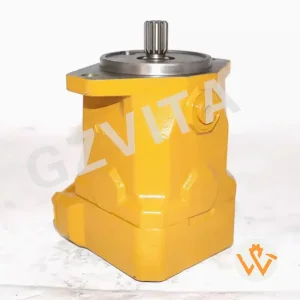
Explore our verified selection of heavy excavation components, high-flow hydraulic pumps, and undercarriage systems engineered for global performance and wear lifespan.
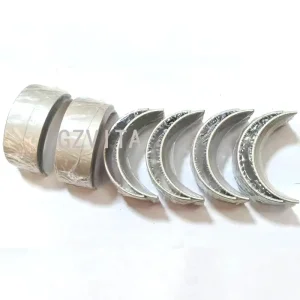
In heavy-duty diesel engines, the connecting rod bearing is subjected to intense cyclical dynamic loads, alternating fluid pressures, and high shear rates. The Daewoo D1146-R, an 8.1L inline-6 cylinder workhorse, relies heavily on its bearing shells to maintain hydrodynamic lubrication. The OEM part number 65-02410-6074 represents the pinnacle of tri-metal bearing design, providing the exact engineering balance required to support structural crankshaft stability.
Engine reconditioning requires micro-level dimensional calibration. When a Daewoo D1146-R crankshaft undergoes servicing due to journal wear, scoring, or thermal stress, the standard journal diameter is ground down (reduced by 0.25mm). Consequently, a 0.25mm oversize bearing (often termed 0.25mm undersize in reference to the crankshaft journal inner diameter) is implemented. This thickness expansion restores the precise clearances required to support a hydrodynamic oil film, preventing direct metal-to-metal contact during peak cylinder pressure cycles.
Features a robust steel backing (for structural retention and press fit), a copper-lead intermediate layer (providing high fatigue strength), and a lead-tin-copper overlay for superior conformability and embeddability during run-in periods.
Manufactured to tolerances within +/- 0.005mm. The precise control of the wall thickness is critical to maintaining the oil clearance window, optimizing oil flow, and ensuring adequate thermal cooling of the crankshaft journal.
Engineered to prevent localized micro-welding (scuffing) under high speed and torque. The 65-02410-6074 bearing utilizes proprietary material matrices that withstand extreme boundary lubrication regimes during engine startup.
In the current global industrial landscape, fleet operators are facing dual pressures: maximizing the operational lifespan of existing assets and complying with environmental and cost constraints. The engine overhaul sector acts as a primary solution. By rebuilding heavy duty powerplants with precision-ground crankshafts and oversize bearings, companies significantly reduce capital expenditure (CapEx) compared to full engine replacements.
The global distribution network for Daewoo engine bearings requires high agility. Logistical operations must guarantee that critical components like the Daewoo D1146-R connecting rod bearing reach ports, mine sites, and civil infrastructure locations with minimal transit delays. By offering a standardized 0.25mm oversize design, fleet engineers can confidently machine worn components to recognized industry limits, reducing machine downtime and keeping projects on schedule.
Daewoo engine bearings operate in highly diverse and harsh environments. The performance of these bearings is highly dependent on localized environmental variables such as particulate contamination, fuel sulfur levels, and ambient temperature swings. Below is a analysis of the critical operational profiles for the D1146-R engine:
Environmental Challenges: Airborne abrasive dust, heavy shock loads during excavation, and extended idle times under load.
Bearing Response: The soft lead-tin overlay of the 65-02410-6074 bearing embeds micro-particulates that bypass the oil filters, protecting the hardened crankshaft surface from abrasion.
Environmental Challenges: Constant high humidity, corrosive salt atmospheres, and continuous steady-state loading.
Bearing Response: Multi-layer copper-lead alloys provide high corrosion fatigue strength, resisting potential chemical degradation caused by acid buildup in moisture-contaminated engine oil.
Environmental Challenges: Reduced air density leading to elevated exhaust gas temperatures (EGTs) and high thermal stress on internal engine components.
Bearing Response: The thermal dissipation characteristics of our copper-based intermediate layer prevent localized heat concentration, avoiding premature overlay melting.
As engine designs progress toward higher fuel injection pressures and lower oil viscosity grades to improve emissions, bearing technology has evolved accordingly. The tri-metal configuration remains the industry benchmark for heavy industrial applications, but new processes continue to push the performance envelope.
Our engineers are continuously developing bearing materials to meet tomorrow's demands. The transition pathways include:
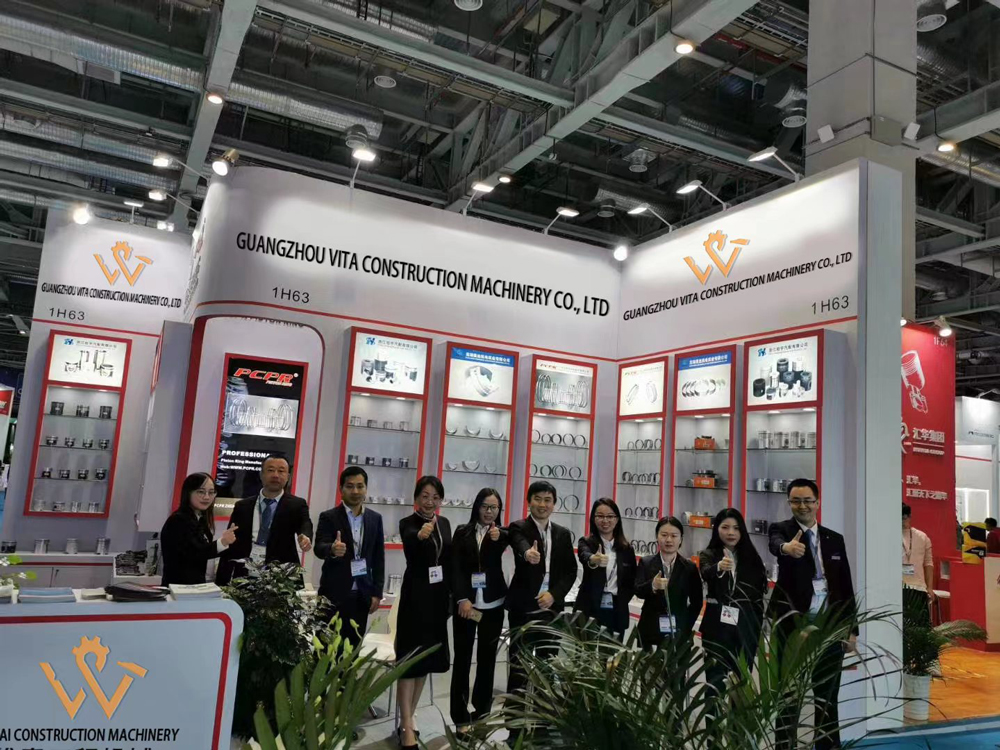
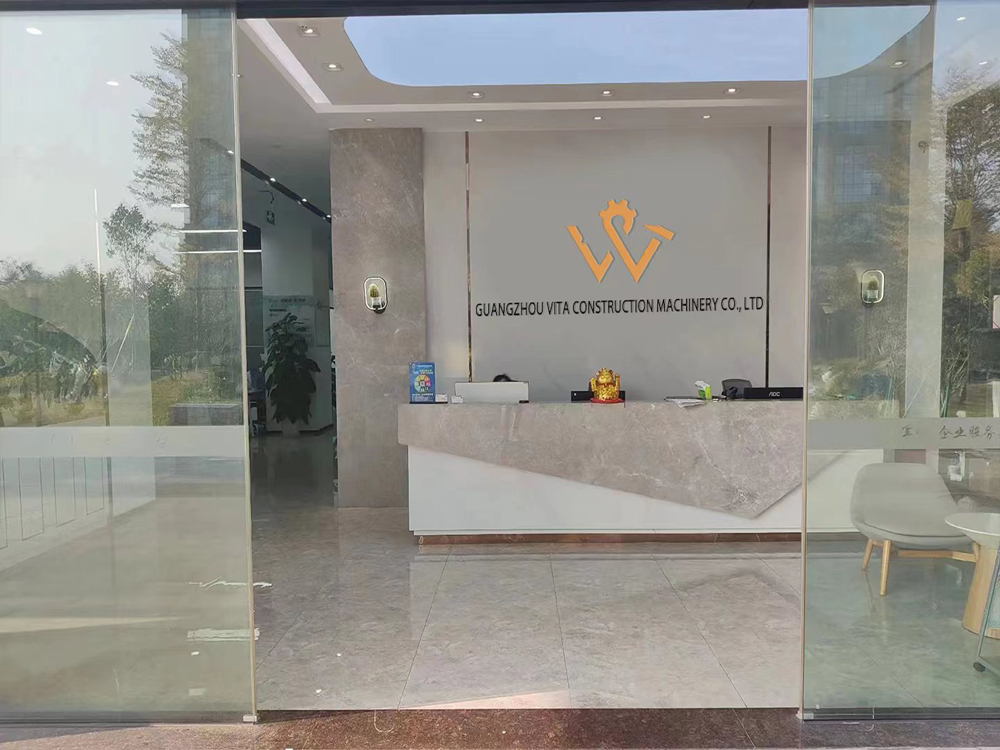
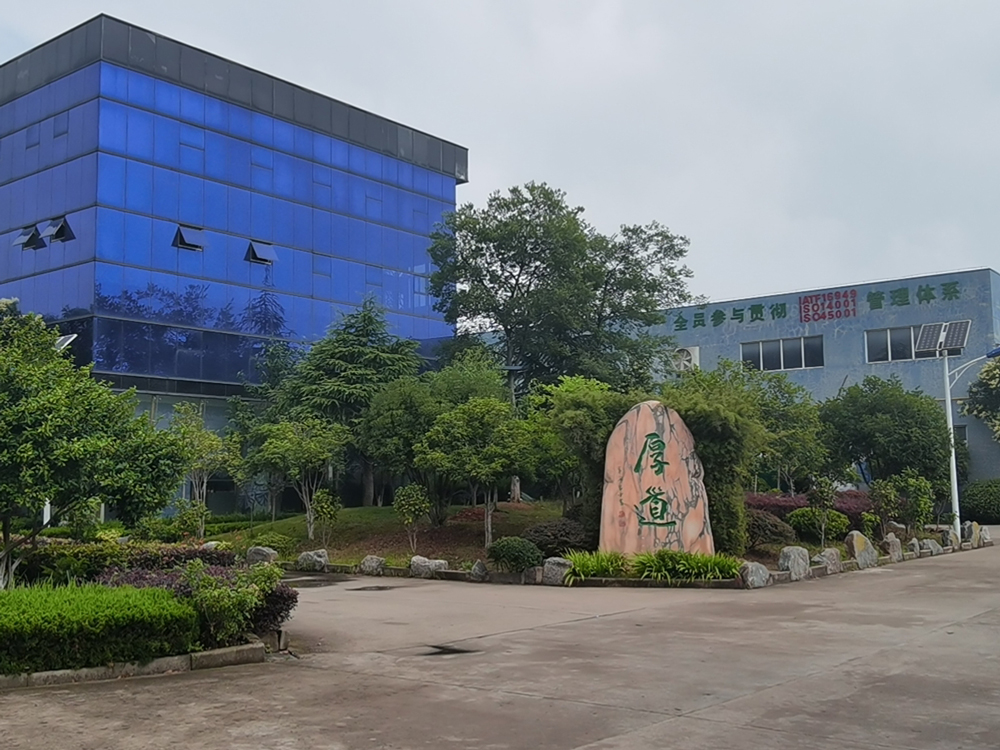
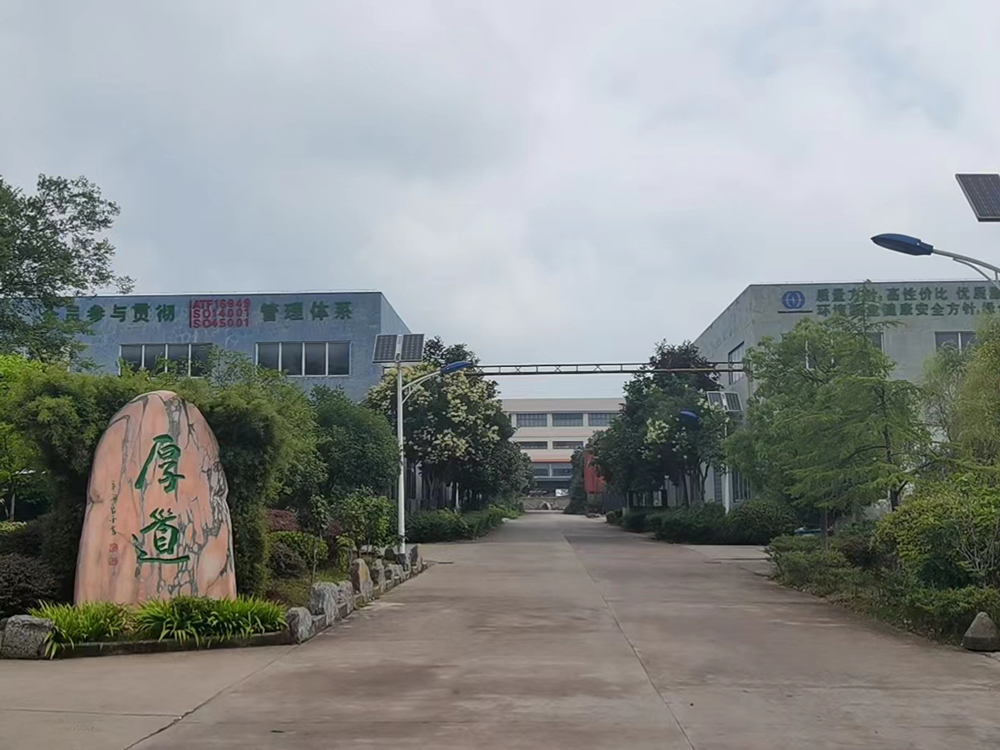
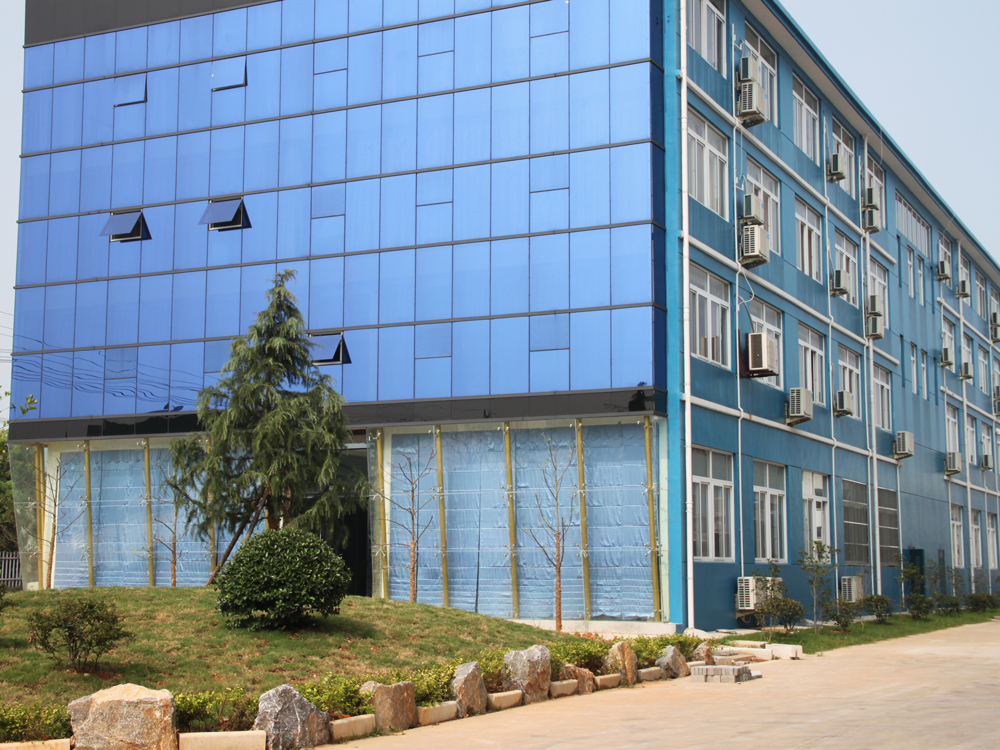
Guangzhou Vita Construction Machinery Co., Ltd. is a major industrial supplier combining manufacturing capabilities with global trade services. The factory, situated in Xiangyang City, Hubei Province, spans a workshop area of over 18,000 square meters. Equipped with advanced production machinery, a workforce of over 278 trained technicians, and 8 mechanical engineers, we ensure strict quality control and reliable delivery schedules.
We specialize in developing, manufacturing, and distributing a wide range of replacement parts for construction machinery. Our catalog includes engine assemblies, hydraulic pumps, final drives, diesel generator sets, engine bearings (including main bearings and connecting rod bearing series), crankshafts, engine valves, gear pumps, cylinders, filtration systems, excavator buckets, and undercarriage components. Our parts serve as replacements for brands such as Komatsu, Volvo, Sumitomo, Caterpillar, Kubota, Hitachi, John Deere, Kobelco, Hyundai, Kato, Sany, XCMG, and SUNWARD.
In the demanding construction sector, equipment reliability is vital to project timelines. We provide construction machinery parts engineered for durability to keep client operations running smoothly.
In addition to manufacturing, our dedicated engine maintenance development division assists customers in resolving technical issues encountered during engine assembly and operational phases.
Our professional technical team is available to travel internationally upon request, assisting clients with on-site engine overhauls, diagnostic assessments, and machine rebuilding.
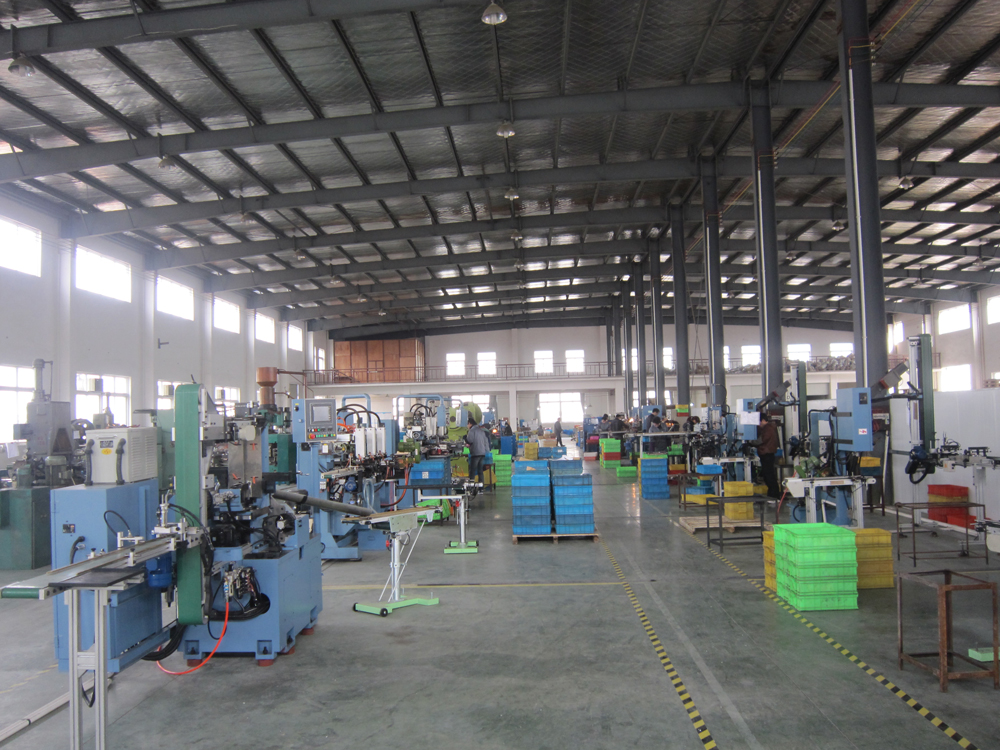
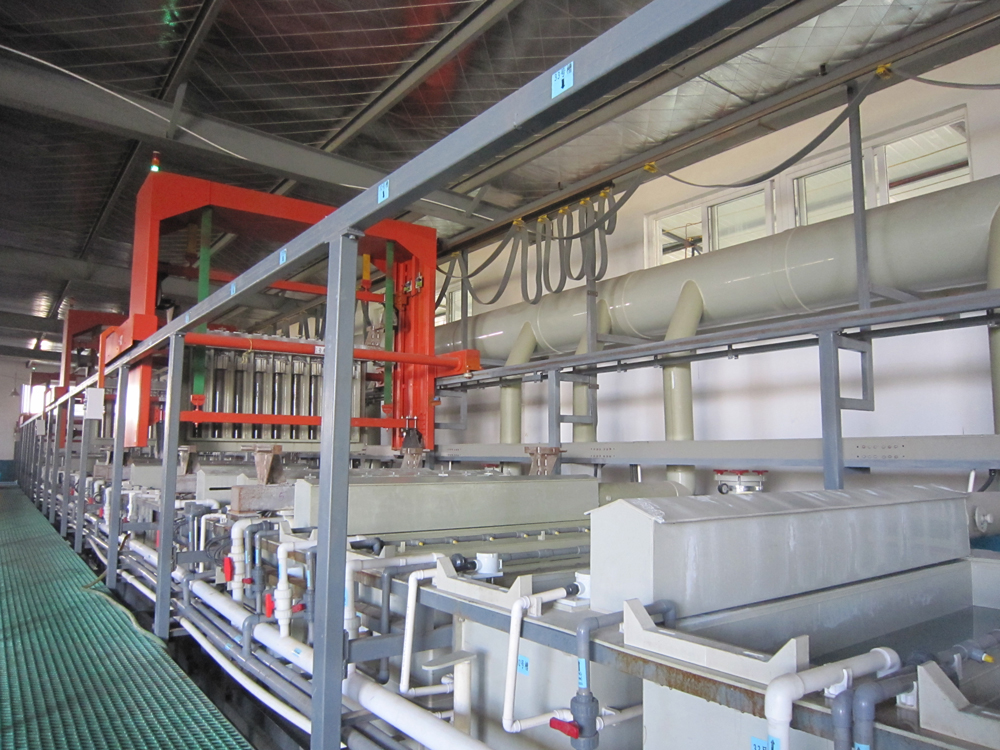
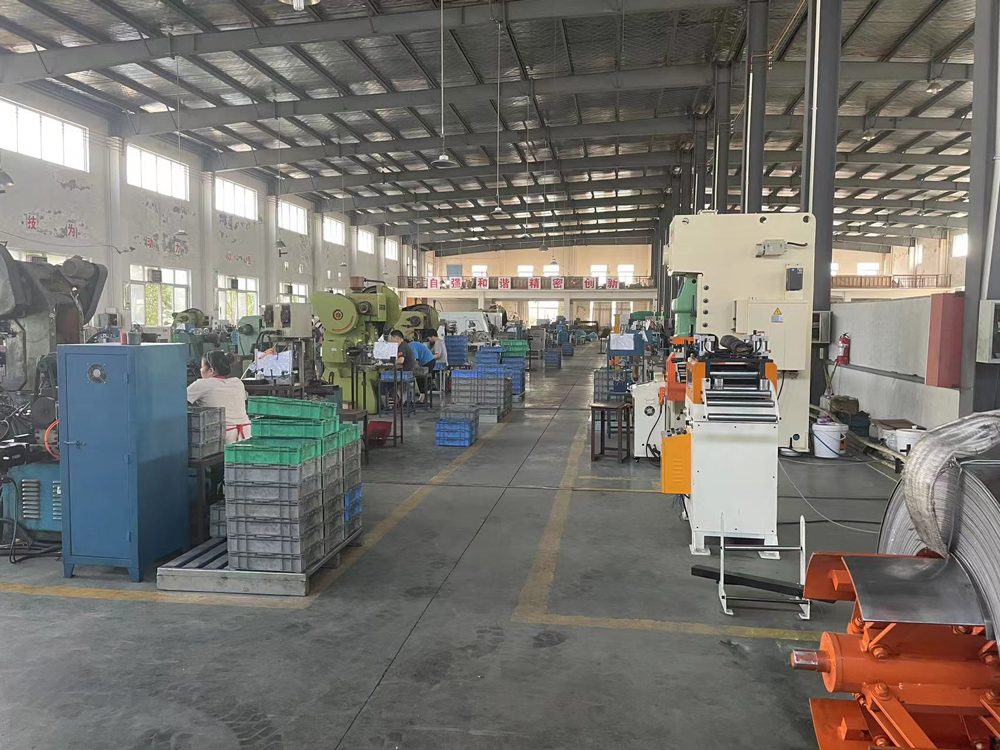
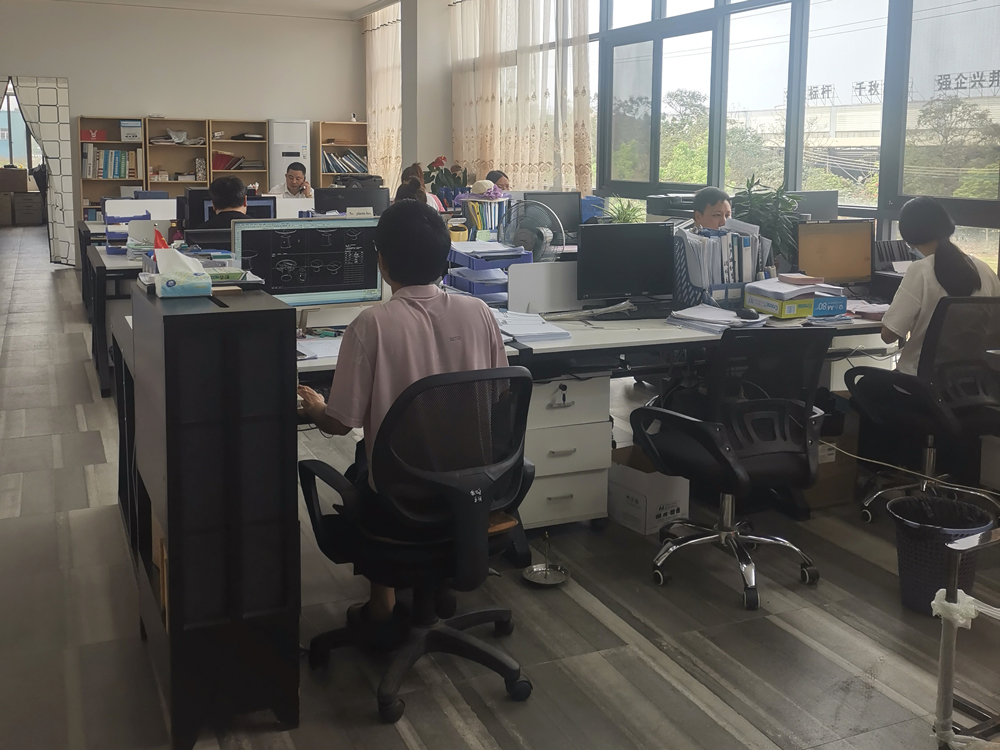
Producing engine bearings capable of operating in high-demand environments requires strict adherence to quality control parameters. At our Xiangyang production facility, every batch of Daewoo 65-02410-6074 bearings undergoes a multi-phase validation process:
Using optical emission spectrometers to verify the chemical composition of the copper-lead and tin-lead alloys, ensuring they meet specified structural and performance guidelines.
Checking dimensions with high-precision air gaging systems. We verify radial wall thickness, crush height, and free spread to guarantee proper fitment inside the connecting rod housing.
Applying micro-scratch and shear testing to ensure the metallic bond between the steel backing, bronze barrier, and alloy overlay prevents delamination under cyclic thermal loads.
Standard size (STD) bearings are designed for new or unused crankshafts with factory dimensions. When a crankshaft experiences wear, the journals are ground down to eliminate surface imperfections. A 0.25mm oversize bearing has a wall thickness that is 0.125mm thicker per shell (totaling 0.25mm across the diameter). This extra thickness compensates for the material ground off the crankshaft, restoring the critical hydrodynamic oil clearance to prevent engine knock or seizure.
Heavy-duty diesel engines like the Daewoo D1146-R generate high torque, resulting in high load stresses on the connecting rod journals. Tri-metal bearings (steel backing, copper-lead intermediate layer, and babbitt overlay) offer higher fatigue limits and load-carrying capacity compared to bi-metal (aluminum-silicon) options. They provide the necessary surface conformability and particulate embeddability required for industrial applications.
Key indicators of bearing distress include a sudden drop in engine oil pressure, elevated operating temperatures, metallic particulates in the engine oil filters, and audible knocking noises from the lower crankcase under load. Regular oil analysis is recommended to detect early signs of copper or lead wear debris before catastrophic failure occurs.
Our manufacturing facility in Hubei Province operates under strict ISO standards. We utilize coordinate measuring machines (CMMs) for dimensional validation and ultrasonic testing to verify alloy layer adhesion. Additionally, automated air gages measure physical tolerances down to the micron level before packaging.
Our extensive component supply catalog supports repair projects globally, featuring heavy-duty excavator accessories and internal engine rebuild parts.
 Vita Construction