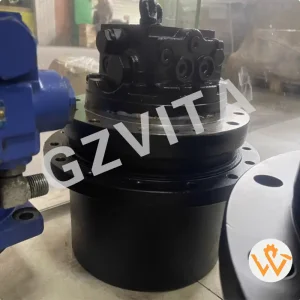
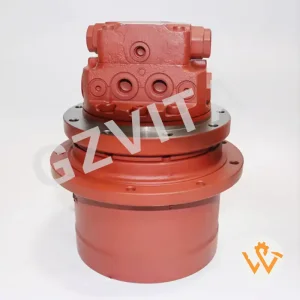
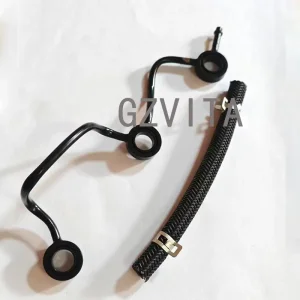
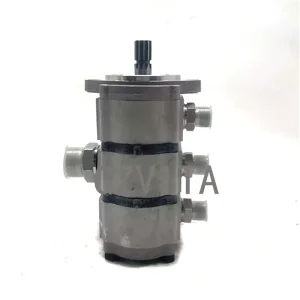
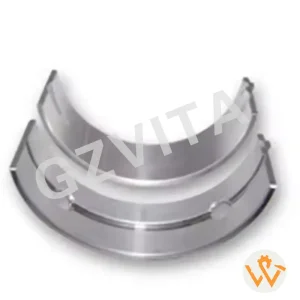
Heavy-duty powertrain assemblies, precision common rail valves, and dynamic hydraulic pump components.
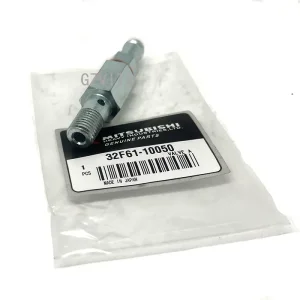
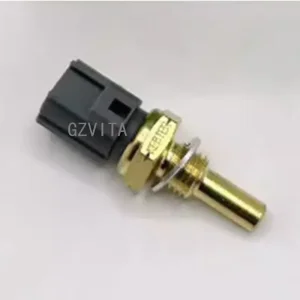
Decoding the system architecture that links Engine Control Computers to high-pressure hydraulics and mechanical drives.
Modern construction, mining, and agricultural operations demand unprecedented efficiency. The central nervous system of any heavy equipment vehicle is its Engine Control Computer (also known as the Engine Control Unit, or ECU). This specialized hardware monitors complex inputs from crankshaft position sensors, hydraulic line temperature senders, and fuel injection systems to calibrate combustion parameters milliseconds at a time. The result is optimized thermal efficiency, minimal emissions, and dynamic power distribution that adapts to variable workloads.
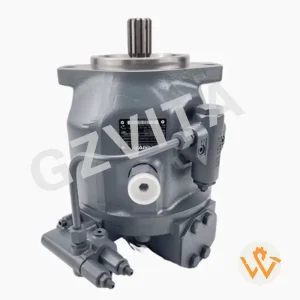
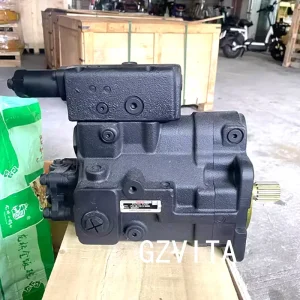
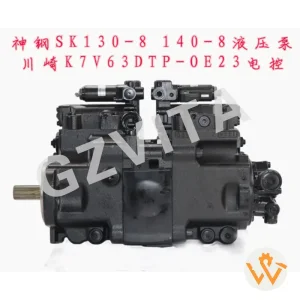
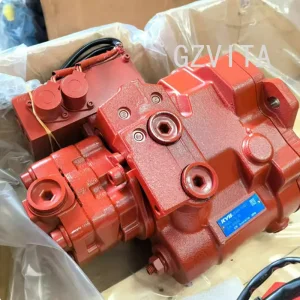
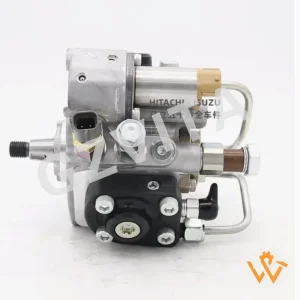
At Guangzhou Vita Construction Machinery Co., Ltd., we develop holistic powertrain components designed to work in synergy with digital ECUs. An engine control computer cannot function in isolation; it relies on closed-loop feedback loops. For example, when excavator operators engage high-load digging cycles, the hydraulic pumps (like our premium A10VO71 or K7V63DTP Hydraulic Main Pumps) create an instantaneous load shift. The ECU detects a minute drop in RPM, quickly altering fuel injection timing and pulse width via advanced common rail valve assemblies to maintain torque curve stability without stalling or generating black smoke.
Continuous adjustment of injection mapping and timing parameters, yielding up to a 12% increase in fuel savings under heavy cyclic stress.
High-speed J1939 telemetry links the ECU with hydraulic piston pumps and final drive assemblies for seamless torque request handling.
Integrates data feeds from coolant and oil sensors to dynamically regulate relief valves, preventing thermal overload of internal moving parts.
Analyzing global demand, OEM compliance, and aftermarket trends in mechanical engineering.
The global construction machinery market is experiencing a profound transition toward digitization and intelligence. Industrial heavyweights such as Komatsu, Volvo, Caterpillar, Hitachi, and John Deere rely on complex engine control architectures to comply with international standards. In this landscape, securing high-quality, durable components is critical to reducing Mean Time Between Failures (MTBF).
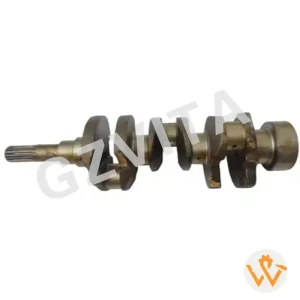
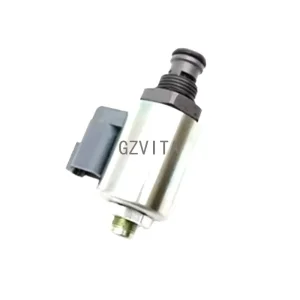
Our manufacturing and logistical footprint, based in Hubei Province and Guangzhou, serves as a vital anchor for fleet operators worldwide. By integrating factory manufacturing with global distribution networks, Guangzhou Vita Construction Machinery Co., Ltd. fills a critical gap in the aftermarket and OEM supply chain. When high-performance replacement units like diesel engine crankshafts (e.g., D722 Crankshafts for Kubota engines) or precision solenoid valves are needed, our dual-faceted approach guarantees rapid delivery and uncompromising quality.
Furthermore, globalization has introduced strict compliance criteria across different economic regions. Developing countries require robust, dust-resilient hardware capable of handling varied diesel quality, while developed markets demand exact telemetry and exhaust aftertreatment regulation (such as DPF/SCR manipulation via ECUs). Our engineering unit ensures all structural metal components, sensors, and valves are optimized to withstand these local operating variances.
Navigating environmental limits, global emissions benchmarks, and quality validation processes.
Operating diesel engines across global zones means dealing with strict emissions environments, notably EPA Tier 4 Final in the USA and EU Stage V in Europe. The modern Engine Control Computer regulates the complex Exhaust Gas Recirculation (EGR) and Diesel Exhaust Fluid (DEF) systems. High-quality sensors, including our specialized Water Temperature Sensors and fuel-system overflow piping, provide the ECU with the telemetry required to prevent emissions-based power derates.
Guangzhou Vita Construction Machinery Co., Ltd. provides comprehensive engineering backup for international clients who require component modification or specialized tuning. We understand that localized support is not just about translating instruction manuals—it is about validating hardware compliance in challenging environments:
Deploying heavy machinery components in high-altitude, extreme temperature, and remote locations.
Construction machinery must operate reliably in some of the most unforgiving environments on earth. Engine Control Computers and mechanical components are designed to withstand these diverse operating conditions:
In high-altitude regions such as the Andean mines of South America, low atmospheric density can affect diesel engine combustion. The ECU utilizes barometric pressure sensor feedback to adjust air-to-fuel ratios, preventing overheating and piston damage.
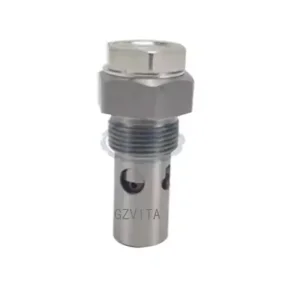
In regions like the Middle East, extreme heat and fine dust put massive strain on air and fuel filtration systems. Our heavy-duty filters and custom-sealed solenoid valves prevent contaminants from disrupting hydraulic operations.
Operating in Siberian or Northern Canadian forestry requires components to remain functional in sub-zero temperatures. ECU-controlled block preheaters and thermal fluid regulation prevent fluid freeze-ups and starting issues.
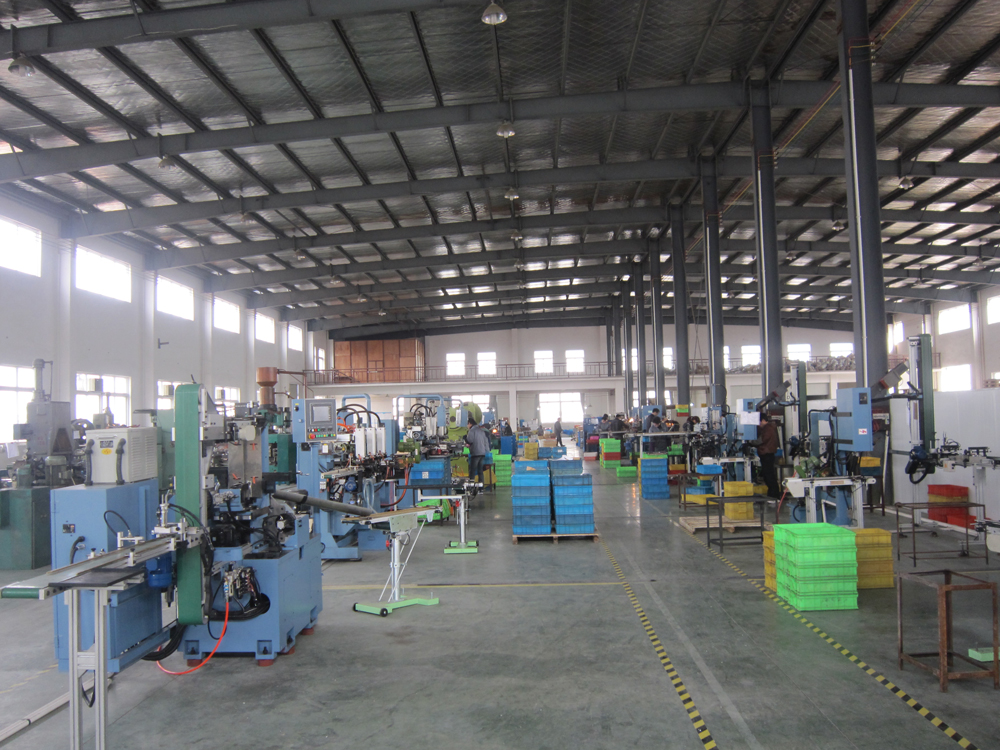
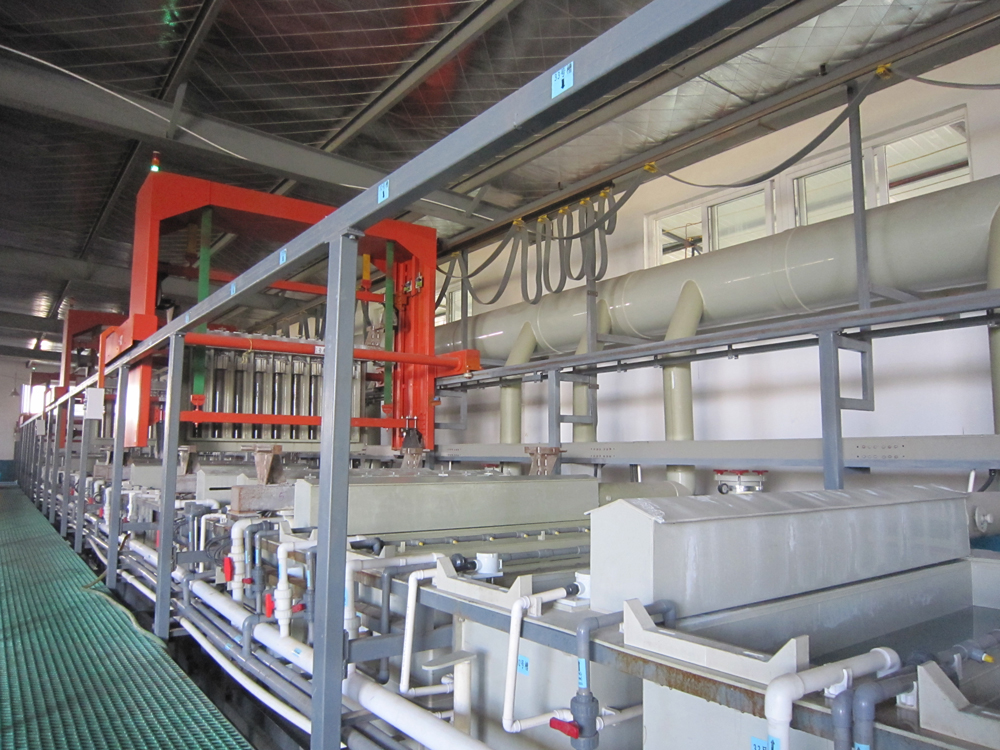
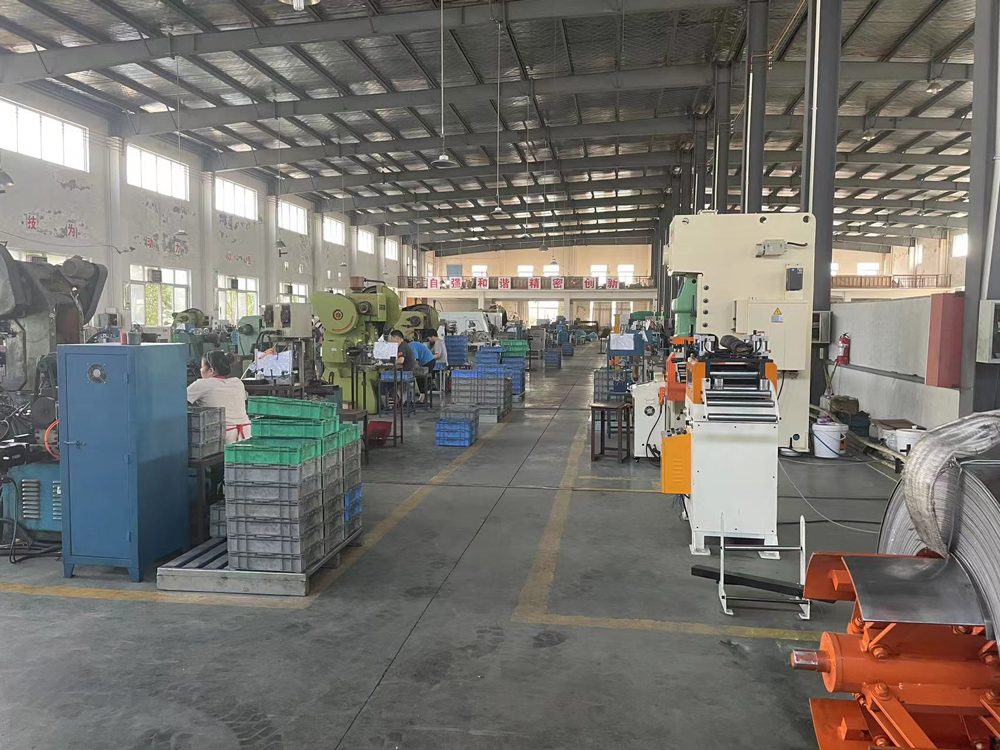
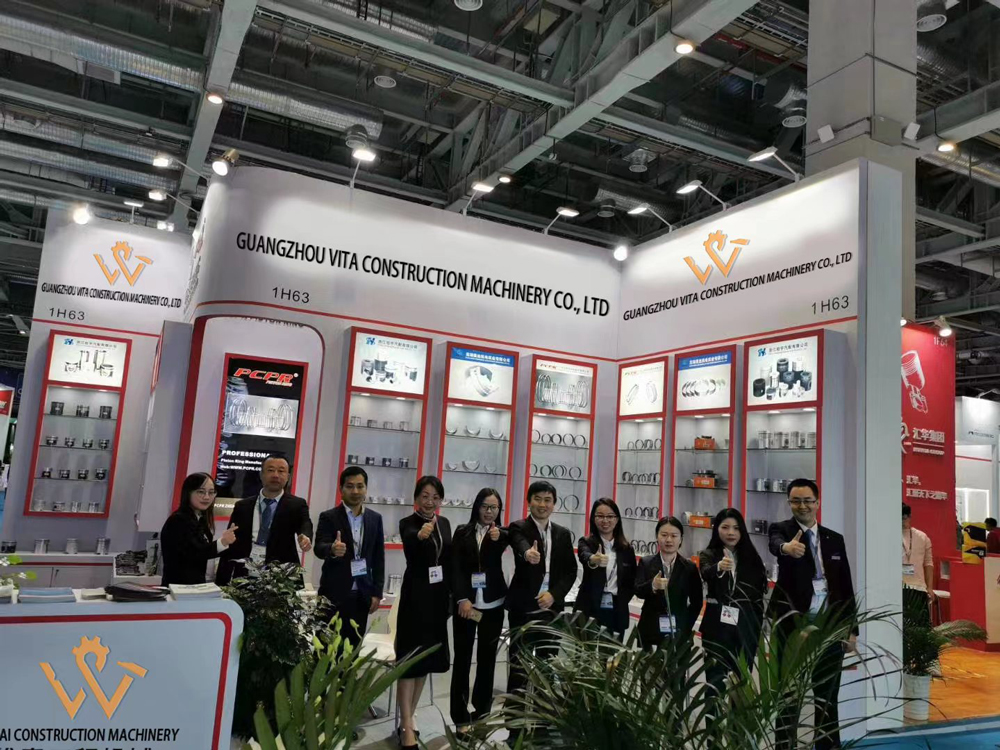
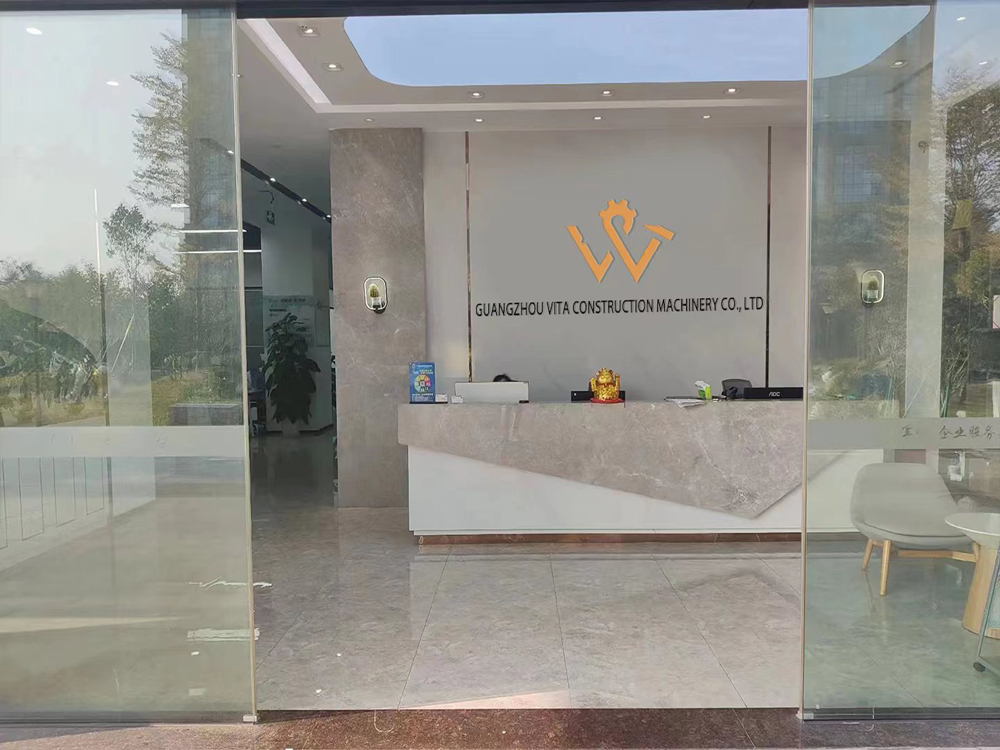
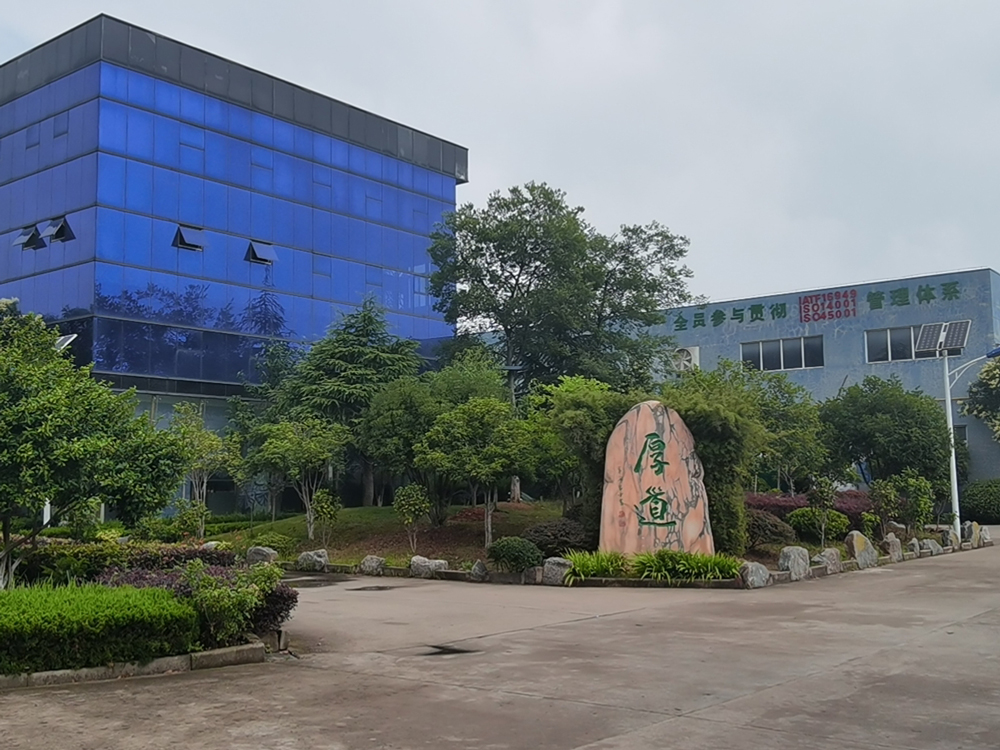
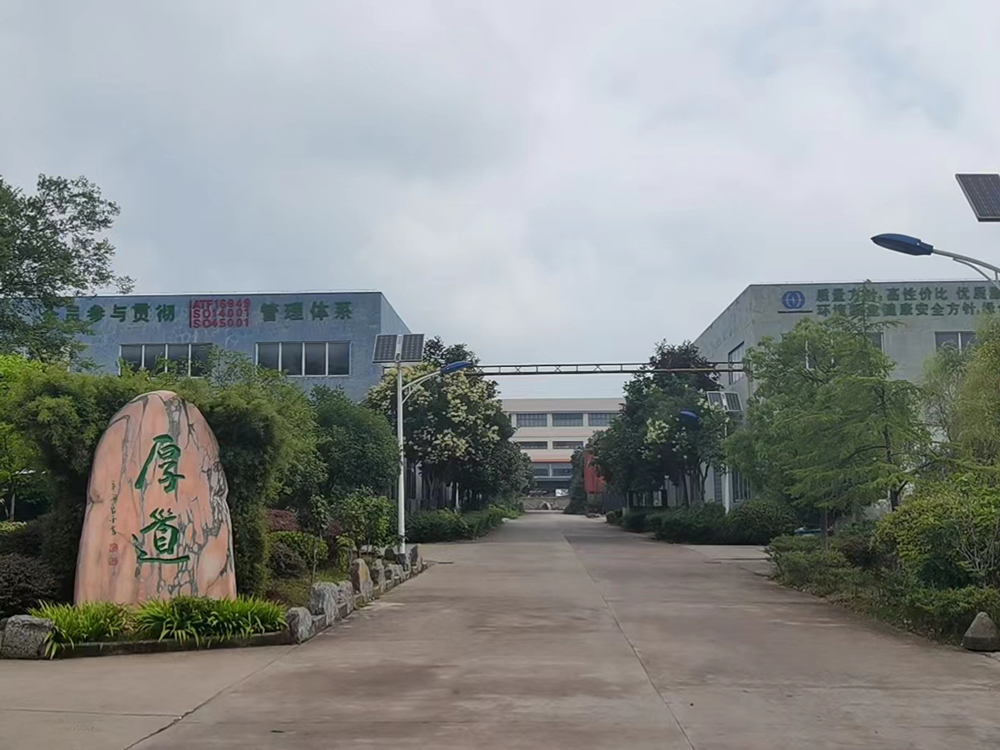
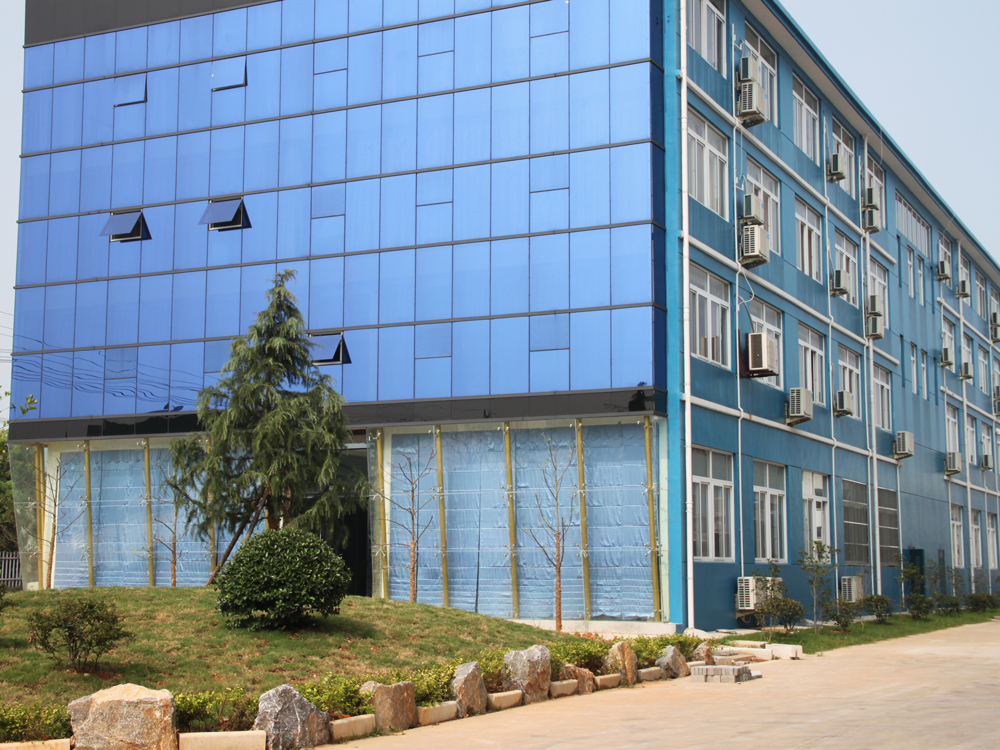
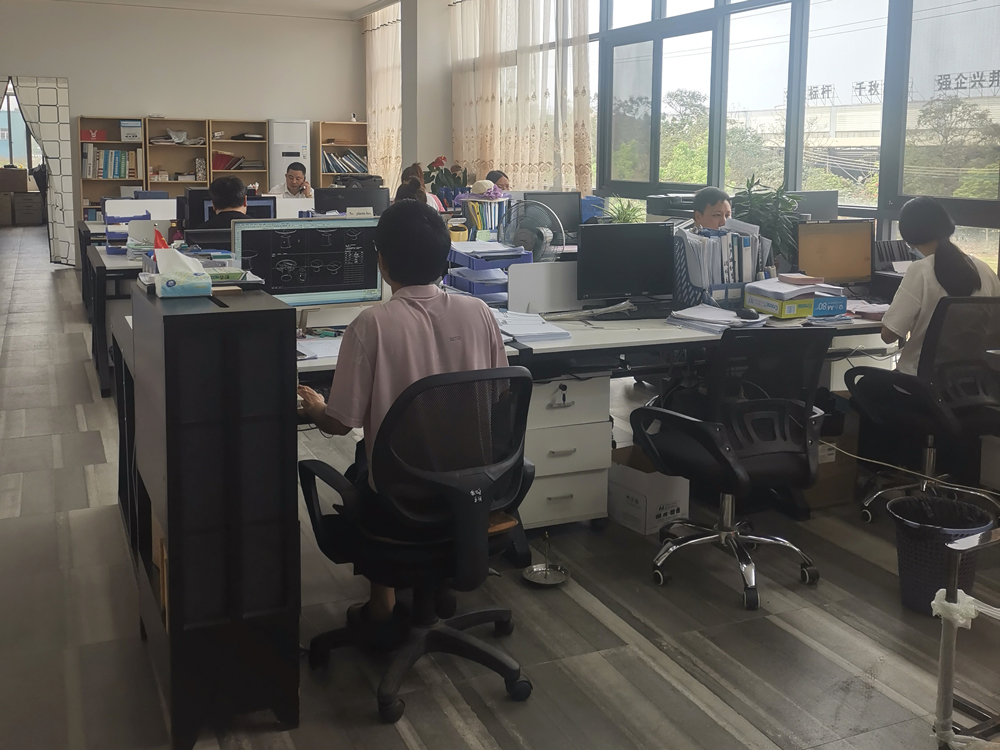
Guangzhou Vita Construction Machinery Co., Ltd. is one of the largest companies that combines factory manufacturing and foreign trade. The factory is located in Xiangyang City, Hubei Province, featuring a 18,000 square meter workshop equipped with advanced production machinery, over 278 well-trained, skilled workers, and around 8 experienced engineers who assure reliable product quality as well as fast and accurate delivery.
We specialize in producing, developing, and selling a complete range of construction machinery parts. This includes engine assemblies, hydraulic pumps, final drives, electric generating sets, engine bearings (Main bearings and Con Rod Bearing series), crankshafts, engine valves, gear pumps, cylinders, and all kinds of filters, excavator buckets, and undercarriage parts for excavators and bulldozers.
These parts serve as reliable replacements for many types of machines, including Komatsu, Volvo, Sumitomo, Caterpillar, Kubota, Hitachi, John Deere, Kobelco, Hyundai, Kato, Sany, XCMG, SUNWARD, and other well-known international brands.
Bridging the gap between heavy duty mechanical engineering and next-generation AI telemetry.
The industrial landscape is on the cusp of an electrification and digital transformation. Traditional hydraulic systems and internal combustion engines are integrating with hybrid platforms. Over the next decade, the Engine Control Unit (ECU) will evolve from a local device into an integrated edge-computing node connected to cloud-based diagnostic networks.
Guangzhou Vita is aligning its product development with these industry trends. By combining structural components (such as our high-precision crankshafts and final drive gearboxes) with digital control sensors, we are paving the way for next-generation machinery upgrades:
Direct answers to critical questions on machinery control, mechanical wear, and installation.
Explore our selection of heavy-duty relief valves, fuel pumps, final drives, and engine bearings.
 Vita Construction