High-Quality Excavator Bucket Design & OEM Spare Parts

Deep Engineering Whitepaper on Kinematic Geometry, Advanced Metallurgy, and Global Supply Chain Integration

Excavator Bucket Design: The Engineering Synergy of Kinematics and Metallurgy

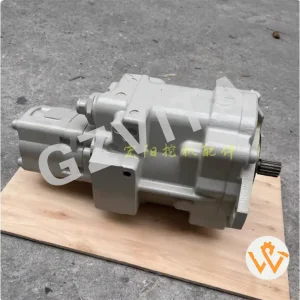
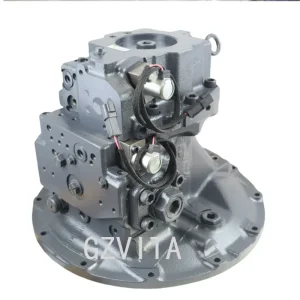
In heavy construction and high-yield mining operations, the excavator bucket functions as the direct interface between the prime mover and the geological strata. The efficiency of structural excavator bucket design determines not only material penetration speeds and fuel consumption profiles but also cascades physical loads directly onto critical structural and hydraulic systems. An unoptimized bucket design elevates passive resistance, increasing load pressures on the hydraulic piston pump (such as the PSVL2-27CG or HPV118 series), running system temperatures hotter and causing premature failure of components like the final drive assemblies and undercarriage components.

Modern engineering principles treat the excavator bucket not as a simple welded container, but as a complex dynamic structure. It must balance weight, durability, and geometric efficiency. Achieving this requires precise finite element analysis (FEA), advanced mechanical simulations, and deep integration with wear-resistant metallurgy.

18,000㎡+
Advanced Manufacturing Space
278+
Highly Skilled Technicians
8+
Senior Research Engineers
100%
Quality Assurance Tested

1. Geometric Kinematics: Dual-Radius Profiles and Penetration Physics

The kinematics of earth-moving tools rely on reducing resistance during the digging cycle. Traditional flat-bottomed bucket profiles often suffer from high heel-wear rates and increased power drag. To counteract this, modern designs utilize a dual-radius profile. By tapering the rear curvature, the bucket heel follows the cutting edge's exact travel path without dragging against the soil face.

  • Cutting Angle Optimization: The attack angle of the bucket teeth is calculated to pierce soil at the optimal angle of repose, minimizing fuel energy loss.
  • Fill Factor Engineering: Designed with open, flared side panels to facilitate rapid loading and seamless material release, reducing cycle times.
  • Stress Distribution Paths: A reinforced high-strength top beam distributes shock inputs evenly across the bucket hanger, safeguarding the stick and boom structures.
Bucket Type Recommended Application Scenarios Primary Wear Elements Yield Strength Base (MPa)
General Purpose (GP) Light soil, sand, stockpiling, soft clay loading Standard Lip, Basic Side Cutters 345 - 400 MPa
Heavy Duty (HD) Compacted soils, shot limestone, light blasted rock Reinforced Shrouds, NM400 Wear Plates ≥ 1,200 MPa
Extreme Duty (XD / Mining) Quartzite, granite, abrasive iron ore extraction Chocky Bars, Heel Shrouds, Hardox 500 ≥ 1,600 MPa

2. Metallurgy & Wear Package Integration

Structural durability depends directly on steel selection. The body of the bucket generally uses high-strength structural plates (such as Q355D or equivalent), while the cutting edges, cheek plates, and heel shrouds are reinforced with abrasion-resistant alloys (such as NM400/500 or Hardox® steel). The addition of wear packages—including side shrouds, lip protectors, and bottom wear runners—shields the structural shell from abrasive attrition, significantly extending the bucket's service life.

Our Corporate Infrastructure & China Factory Advantages

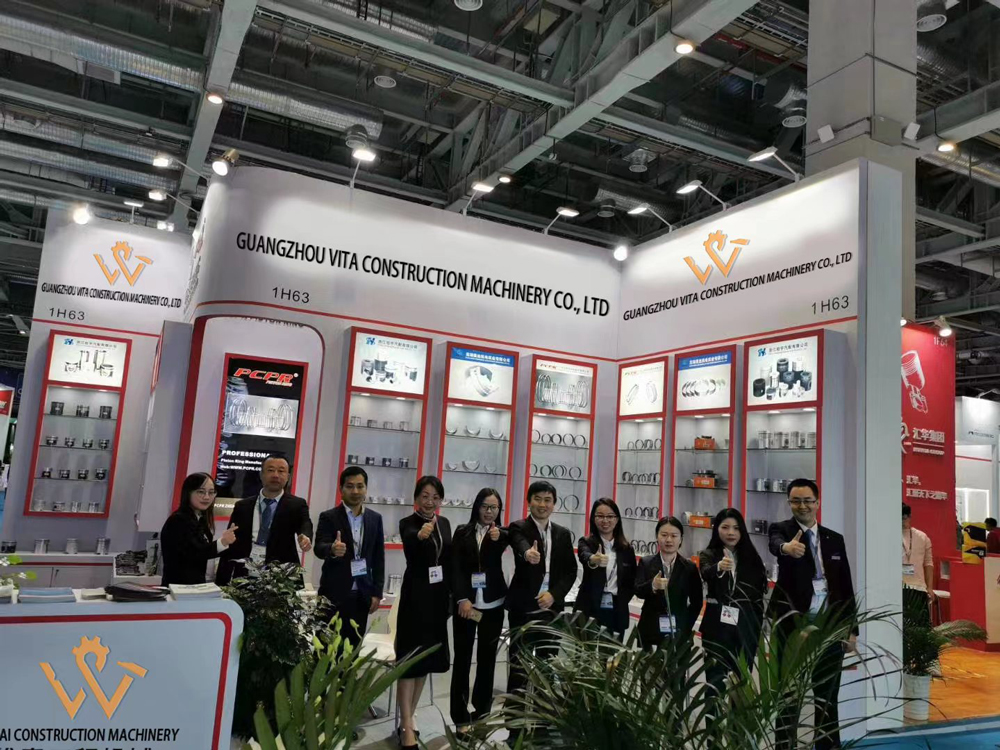
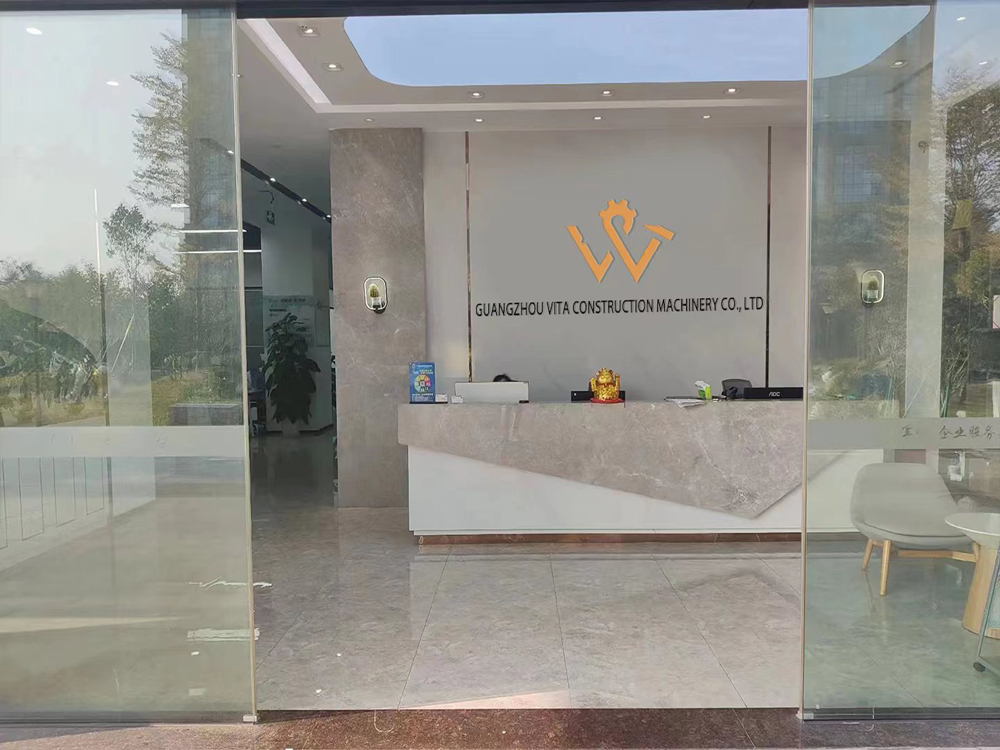
Guangzhou Vita Construction Machinery Co., Ltd. is a leading enterprise combining precision manufacturing and international trade services. To deliver reliable heavy-industry parts globally, we utilize a dual-hub model: our advanced fabrication facility is situated in the industrial center of Hubei Province, while our trade logistics headquarters is located in Guangzhou.

State-of-the-Art Factory Floor

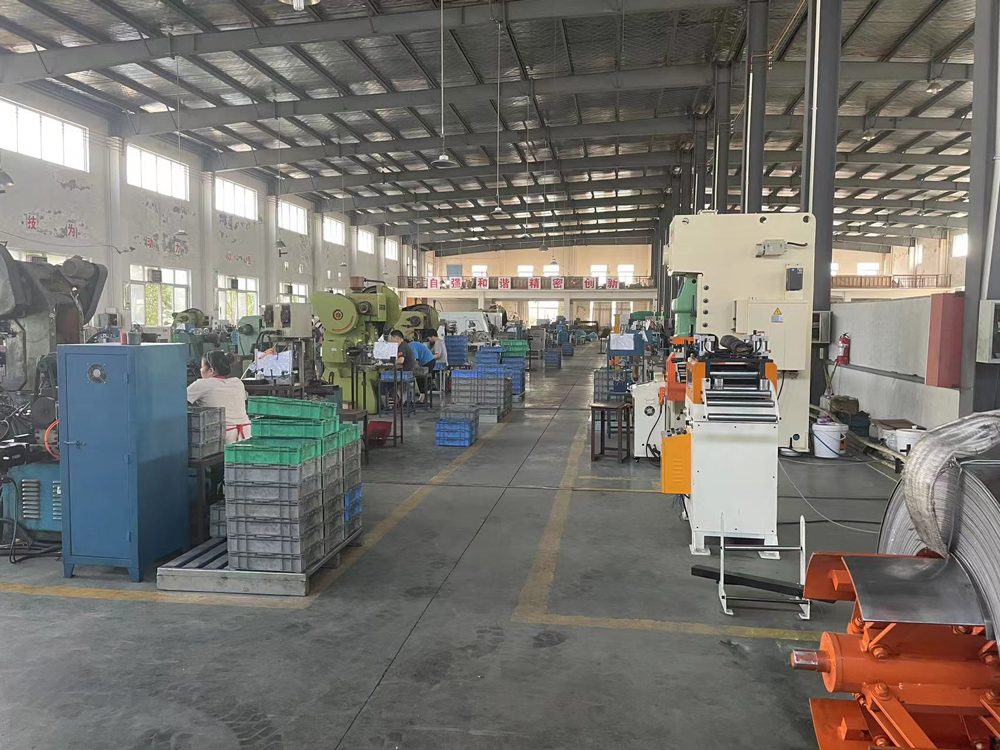
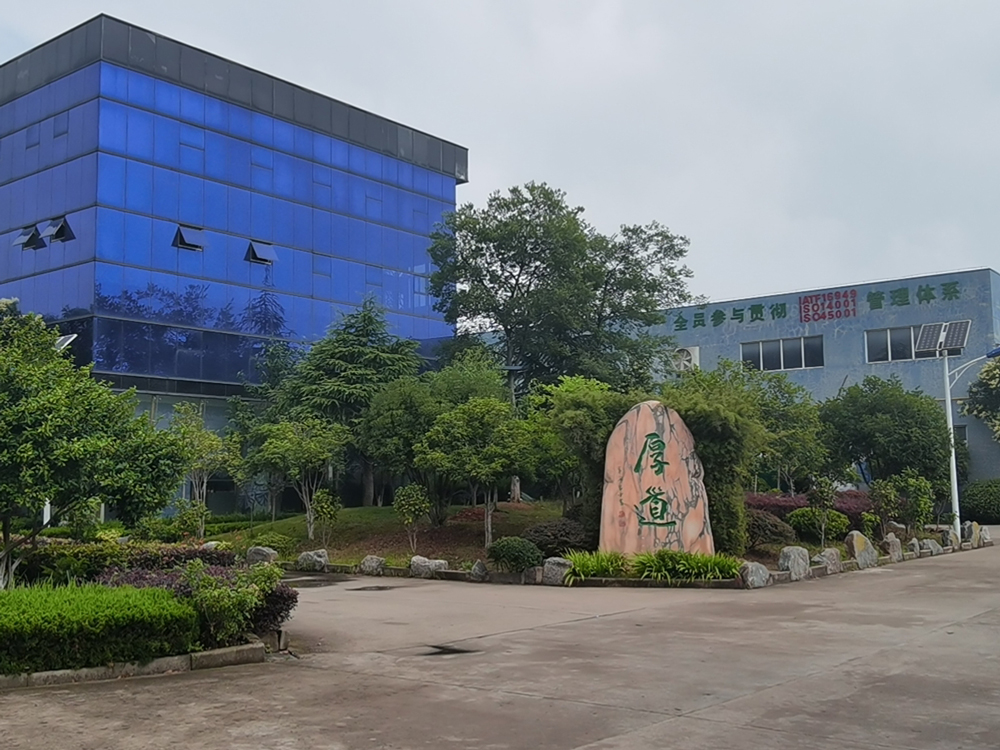
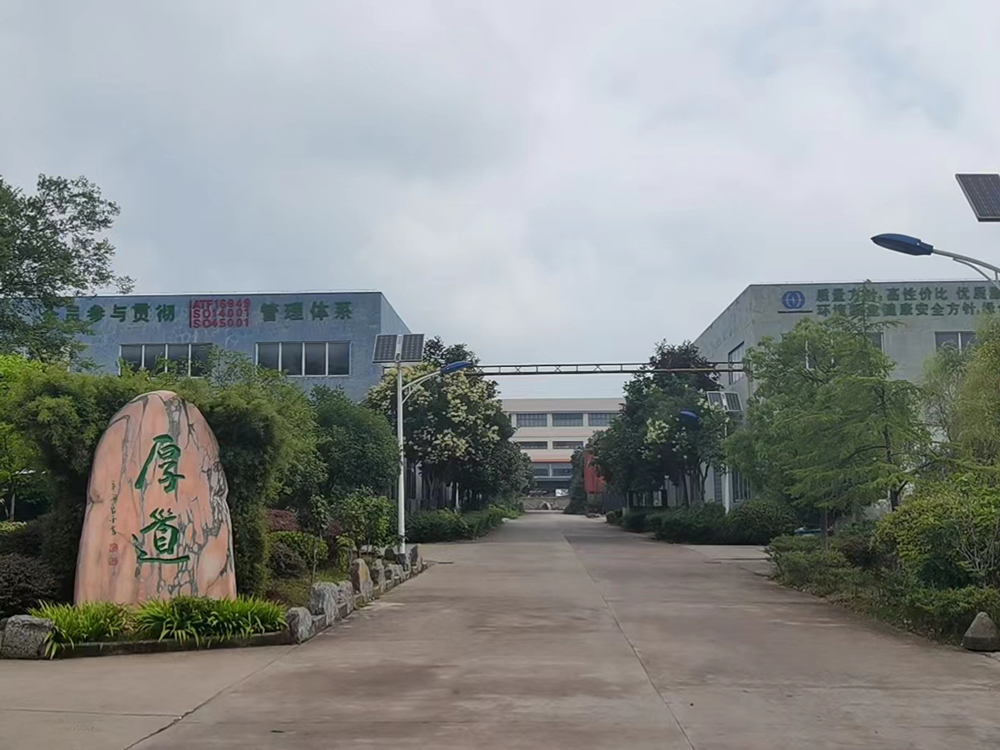
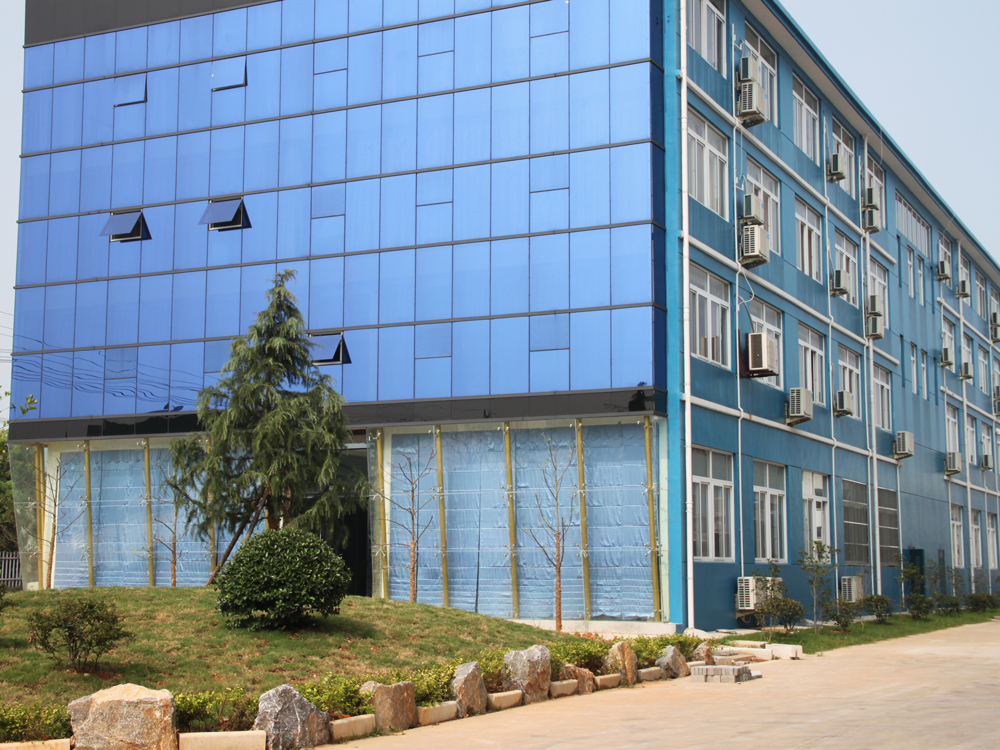
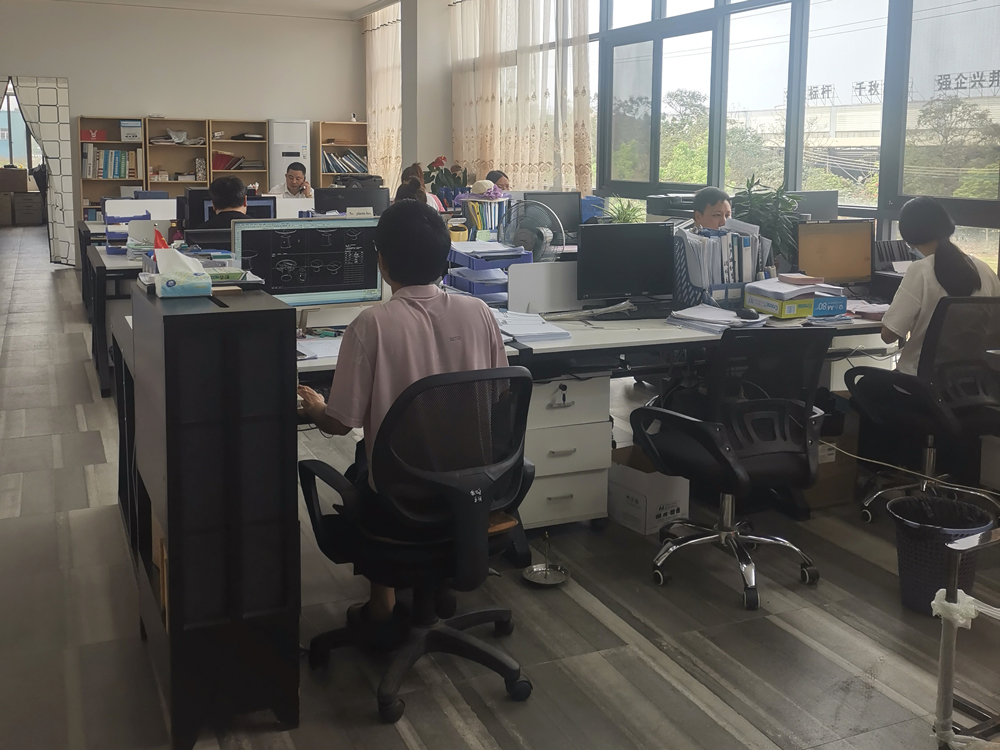
Our Hubei facility spans over 18,000 square meters of workshop area, equipped with CNC plasma cutters, automated robotic welders, and heavy-tonnage presses for high-accuracy production.

Technical Knowledge Base

With 278 skilled workers and 8 experienced engineers, we ensure strict quality control and provide technical assistance for challenging system integrations.

Complete Component Support

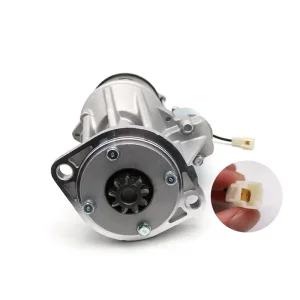
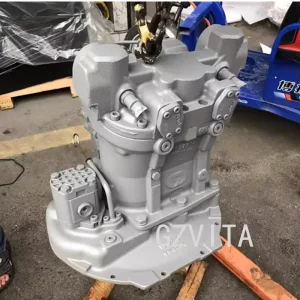
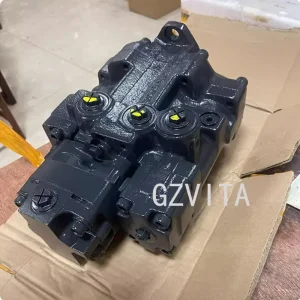
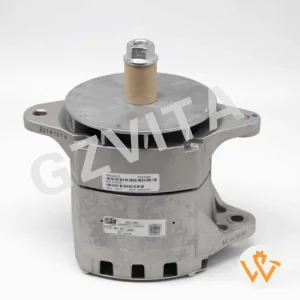
Beyond excavator buckets, we supply engine assemblies, hydraulic piston pumps, final drives, electrical starters, alternators, bushings, and undercarriage components.

Our centralized manufacturing enables us to deliver high-quality excavator buckets and replacement parts compatible with major global machinery brands, including Komatsu, Volvo, Sumitomo, Caterpillar, Kubota, Hitachi, John Deere, Kobelco, Hyundai, Kato, Sany, XCMG, and SUNWARD.

Factory Tour & Infrastructure Showcase

Take a virtual tour through our production floor, where modern metallurgy, advanced welding technology, and strict quality control standards converge.
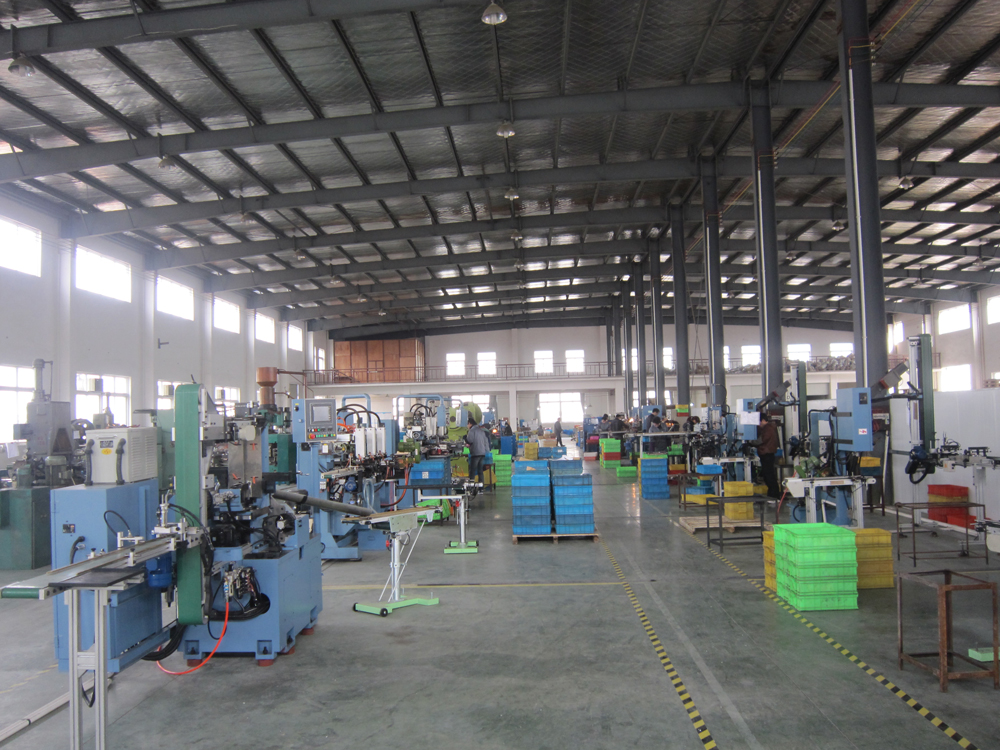
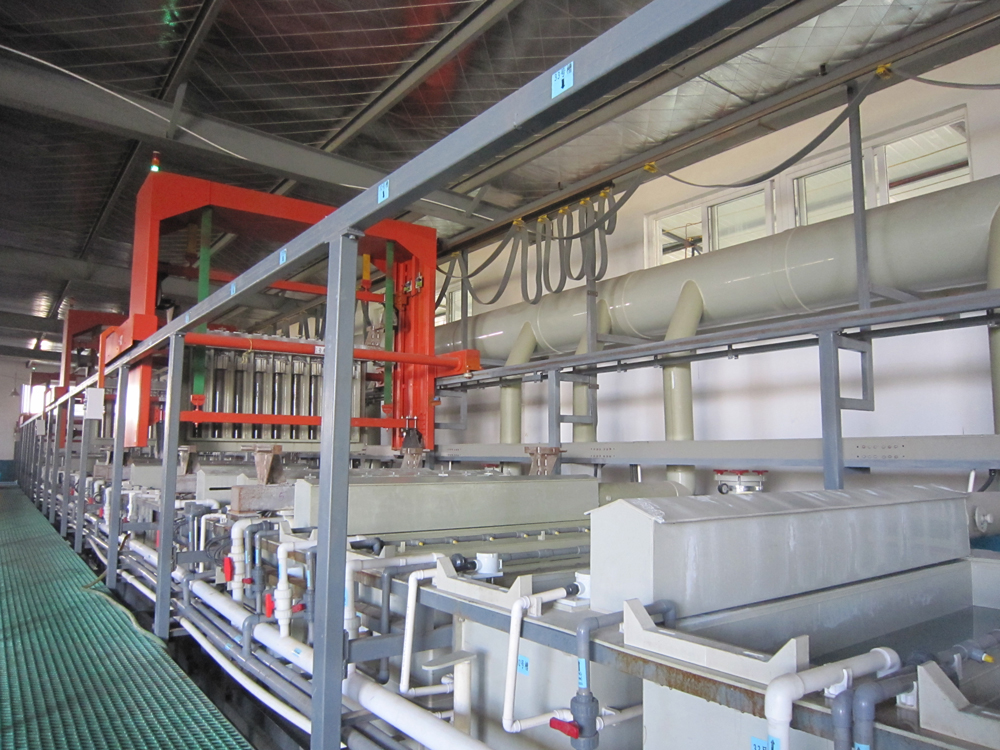
Vita Factory CNC Machining Center
Precision Welding Operations
Excavator Parts Quality Control Area
Assembled Hydraulic Pump Systems
Finished Engine Components Stockyard
High-Performance Starter Motor Inventory
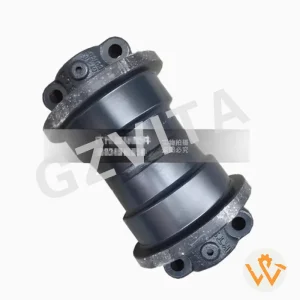
Under-Carriage Track Roller Manufacturing
Finished Bucket Shell Structural Inspection
Heavy Cargo Packing & Global Distribution Depot

Macro Industry Applications & Global Procurement Guide

Excavators operate across highly diverse geological profiles. Selecting the appropriate structural bucket design for specific working environments is critical to maintaining operational productivity and managing mechanical wear.

Local Industrial Applications

  • Open-Cast Quarrying & Mining: Heavy-duty excavation of granite, basalt, or iron ore demands short-profile, heavy-lipped buckets built with cast alloy teeth and heel shrouds. Minimizing bucket profile depth maximizes breakout forces and speeds up rock loading.
  • High-Speed Infrastructure Trenching: Precision excavation for utility piping requires narrow-width buckets with extended side cutters to dig clean, vertical trench lines and minimize unnecessary backfill volume.
  • Demolition and Waste Recycling: Handling concrete debris and scrap metal requires high-tensile steel bucket structures integrated with severe-duty mechanical thumbs to securely clamp and sort irregular materials.

Procurement Strategy for Fleet Managers

When purchasing buckets and matching hydraulic assemblies (such as custom Kubota PSVL2-27CG pumps or Komatsu PC360-7 track rollers), purchasing departments should prioritize the following parameters:

  1. Material Certification: Request mill test reports for critical structural welds to ensure high-yield performance in high-impact operations.
  2. Dimensional Tolerances: Confirm that pin diameters, ear-to-ear spacing, and link configurations match OEM dimensions to prevent alignment issues and pin-connector failures.
  3. Integrated Supply Logistics: Sourcing buckets alongside critical undercarriage components, final drives, and hydraulic pumps from a single manufacturer simplifies shipping coordination and optimizes procurement costs.

Technical FAQ: Engineering Inquiries

Review our engineering responses to frequently asked questions about excavator attachments, metallurgy, and matching hydraulic parts.

1. How does excavator bucket geometry directly affect hydraulic system wear?
An unoptimized bucket profile increases physical drag, requiring more engine power to push through soil. This raises line pressures in the primary hydraulic piston pump, causing hydraulic fluid to run hotter. Elevated temperatures degrade seals and shorten the operating life of components like the main pump and final drives.
2. What are the key differences between general-purpose and extreme-duty buckets?
General-purpose buckets are built with standard carbon steels (e.g., Q355D) to maximize capacity in light materials. Extreme-duty mining buckets are fabricated from high-strength steels and reinforced with NM500 or Hardox plates, side shrouds, lip protectors, and bottom wear strips to withstand highly abrasive rock.
3. Why is a dual-radius profile preferred in modern bucket designs?
A dual-radius profile tapers the heel section, allowing it to follow the path of the cutting edge without rubbing against the ground. This design reduces drag-wear on the bottom of the bucket and helps lower fuel consumption.
4. Which steel alloys are used in high-wear zones?
High-wear zones, including cutting edges, side cutters, and heel plates, typically use quenched-and-tempered steels like NM400, NM500, or Hardox. These materials offer high hardness (typically 400-500 HBW) to resist severe abrasion.
5. Can your factory build customized buckets for specialized jobs?
Yes. Our Hubei factory features an 18,000-square-meter facility staffed by 8 engineers. We can customize bucket widths, capacities, wear packages, and mounting hookups to meet specific operational requirements.
6. How do undercarriage tolerances impact bucket performance?
Undercarriage components like track rollers must align correctly to stabilize the machine. Uneven wear or poor alignment transfers lateral loads up the arm, causing vibration and inconsistent digging force at the bucket teeth.
7. What quality control steps are performed before shipping?
All buckets undergo ultrasonic weld inspection, dimensional checks to ensure proper fit with the boom arm, and testing of pin connections. Wear-resistant coatings are applied to key wear points prior to packaging.
8. What is the typical lead time for international custom orders?
Standard buckets are usually built and ready to ship within 15 to 25 days. Custom fabrications involving specialized alloys may take 30 to 45 days, depending on design approvals and component availability.