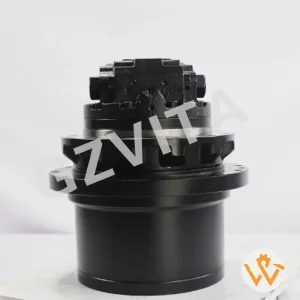
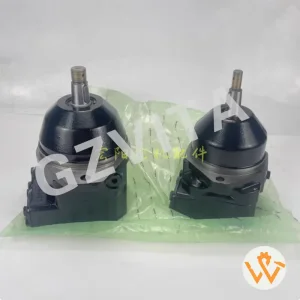
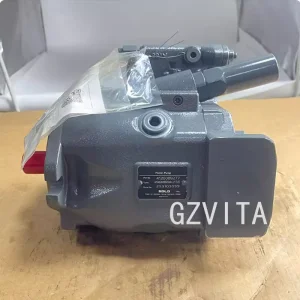
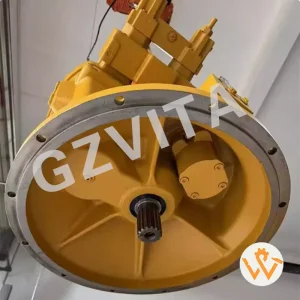
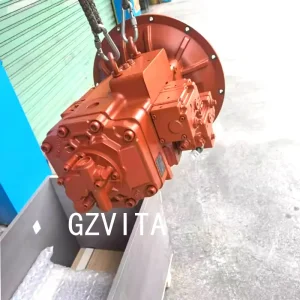
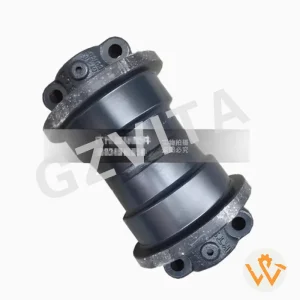
Explore our highly-engineered heavy equipment parts, hydraulic systems, and specialized engine components
Navigating the modern paradigms of material preparation, logistics optimizations, and site-integrated mixing solutions
The global construction sector is transitioning from centralized batching plants to modular, site-adapted manufacturing. The excavator mixing bucket (often referred to as a concrete mixing bucket or soil stabilizer attachment) has emerged as an indispensable utility. By utilizing the excavator's hydraulic powerhouse, these attachments enable real-time aggregate mixing, concrete preparation, and soil stabilization, cutting down delivery times and transportation expenses.
Traditional concrete trucks struggle with access restrictions in dense city centers, remote micro-infrastructure projects, and steep mountainous terrains. High-quality excavator mixing buckets act as local production units. Contractors can bucket-load materials, blend components with high-torque gearboxes, and discharge directly via dynamic bottom openings. This process streamlines the material processing chain with minimal fuel consumption.
Engineered with double-helix wear-resistant paddles, dual directional rotation hydraulics, and high-tensile structural steel (like Hardox 450), advanced excavator mixing buckets deliver exceptional structural reliability. As professional heavy machinery components manufacturers, we focus on engineering safety check valves and motor protection components to shield carriers from back-pressure spikes.
In mature markets like Europe and North America, strict environmental regulations drive the demand for on-site recycling and soil stabilization. Repurposing excavated materials by mixing them with lime, cement, or binding agents directly reduces landfill reliance and carbon footprints. In fast-growing economies across Asia-Pacific and Latin America, large-scale infrastructure projects—such as high-speed railways, remote solar farms, and rural irrigation systems—rely heavily on excavator attachments to overcome lack of nearby batching plant networks.
Consequently, mixing bucket manufacturers have ramped up technological integration, providing universal hitch compatibility, quick-coupler setups, and variable hydraulic displacement controls. The aim is clear: to ensure compatibility across a wide range of excavators (from 3-ton mini excavators to 35-ton heavy-duty earthmovers) while keeping aggregate uniformity and mixing speeds at an optimal level.
How cutting-edge mechanical metallurgy and fluid dynamics translate to real-world infrastructure productivity
For municipal pipeline construction, excavators dig trenches and then utilize mixing buckets to combine dug soil with cement or lime. This generates a stable, self-compacting flowable fill, eliminating the need to transport replacement aggregate, which lowers logistical overhead and keeps city traffic flowing smoothly.
Wind turbine foundations, remote communications masts, and wilderness access roads are often situated far from standard concrete supply routes. Excavator mixing buckets operate directly on-site, using dry-mix aggregate bags and local water supplies to prepare concrete in small, controlled batches, preventing premature setting and waste.
In brownfield regeneration projects, polluted soil must be stabilized and treated with neutralizing agents. The dual-spiral blade system of the excavator mixing bucket ensures thorough dispersion of active compounds throughout the soil matrix, locking contaminants in place or breaking them down effectively.
| Carrier Excavator Weight Class | Bucket Liquid Capacity | Hydraulic Flow Requirements | Maximum Working Pressure | Primary Material Metallurgy |
|---|---|---|---|---|
| 4 - 8 Tons (Mini/Midi) | 200 - 350 Liters | 40 - 75 L/min | 180 - 210 Bar | Q355B / NM400 Wear Plate |
| 9 - 16 Tons (Medium) | 400 - 600 Liters | 75 - 110 L/min | 200 - 240 Bar | Hardox 450 / High-Tensile Steel |
| 17 - 25 Tons (Heavy-Duty) | 750 - 1100 Liters | 110 - 160 L/min | 210 - 280 Bar | Full Hardox 500 Wear Liners |
| 28 - 38 Tons (Ultra-Industrial) | 1200 - 2000 Liters | 160 - 220 L/min | 250 - 320 Bar | Reinforced Structural Alloy & Custom Cast Blades |
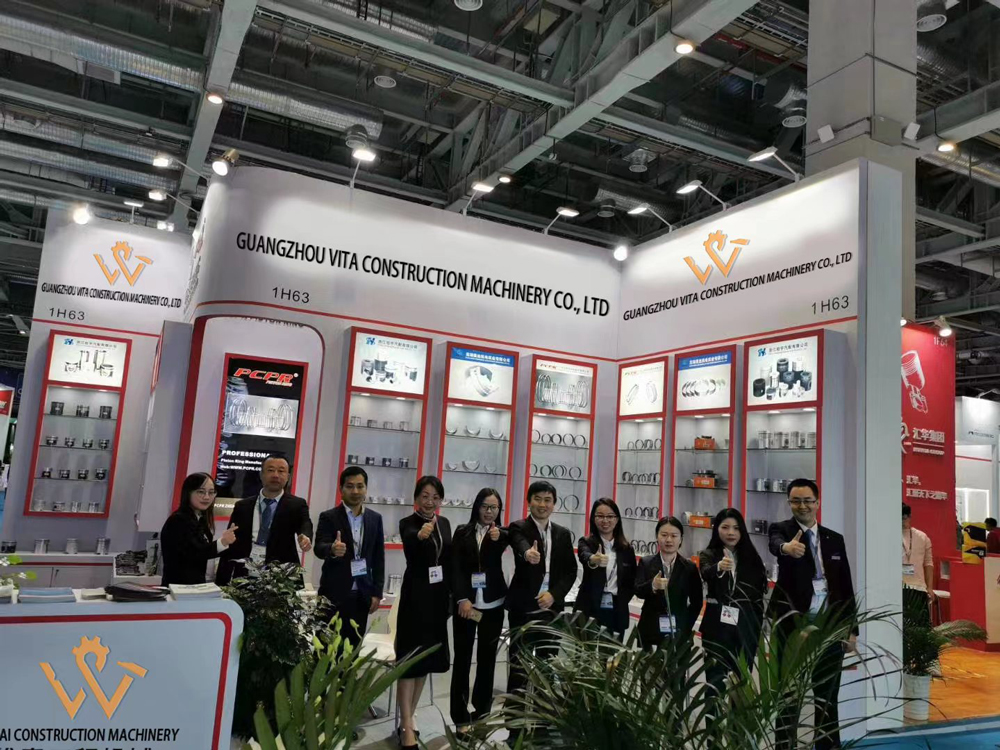
Guangzhou Vita Construction Machinery Co., Ltd. - Leading Factory-to-Trade Equipment Integration
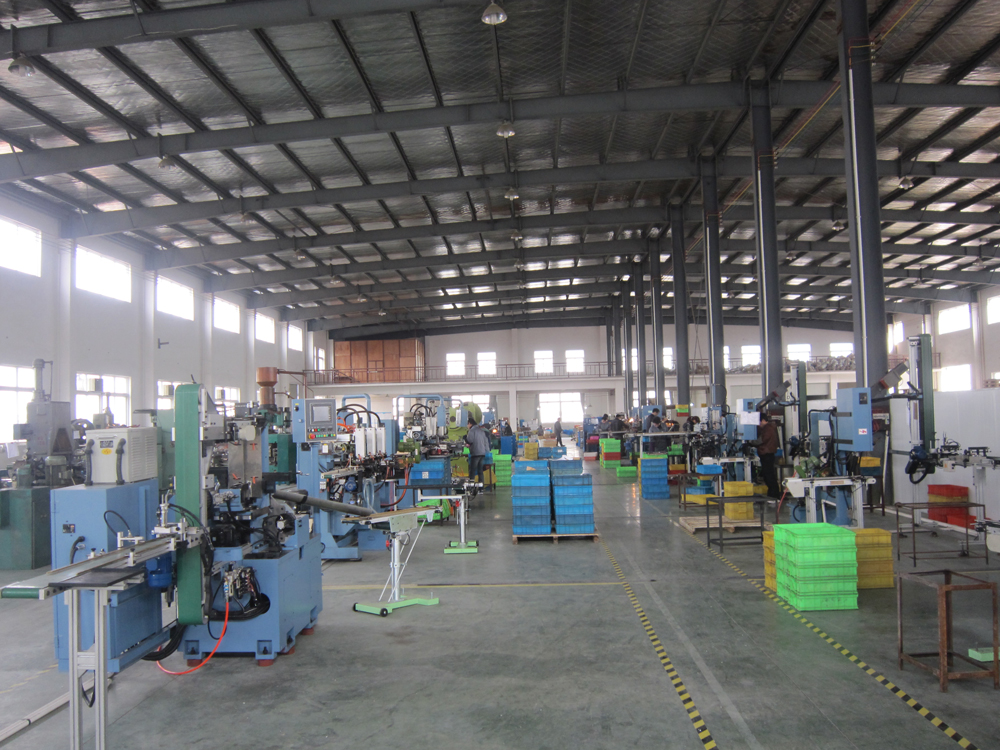
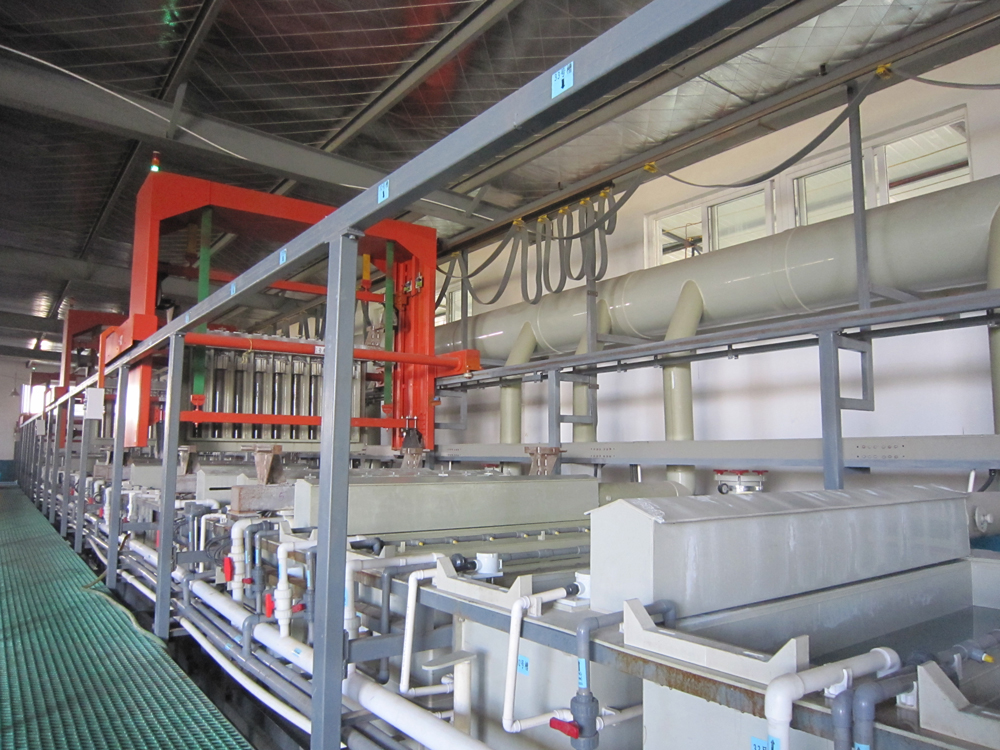
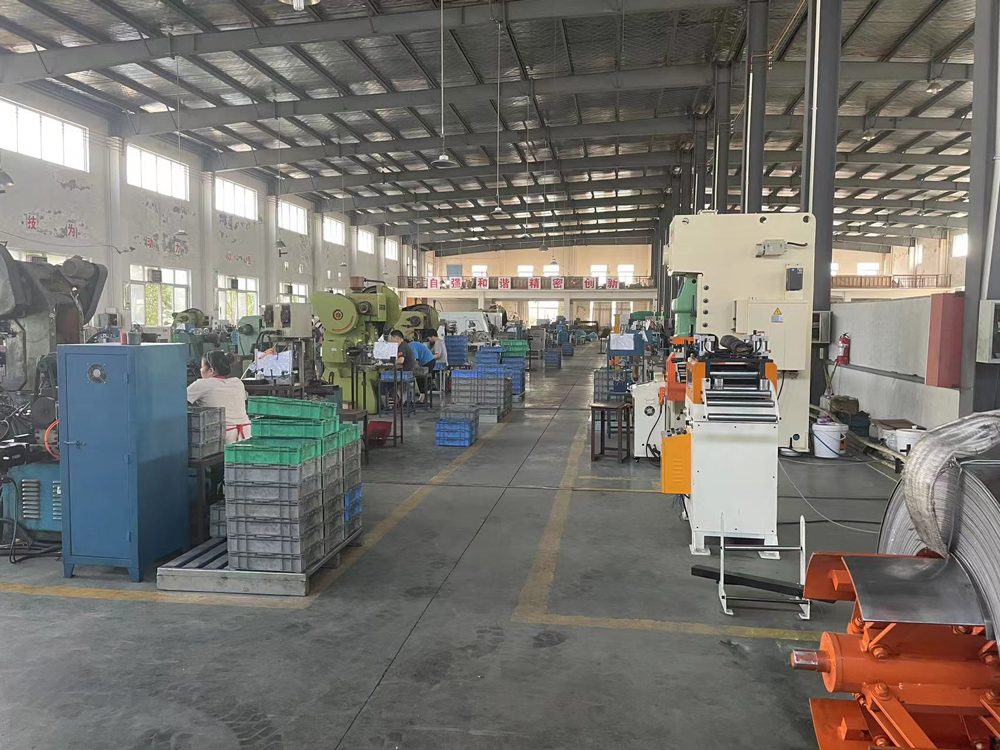
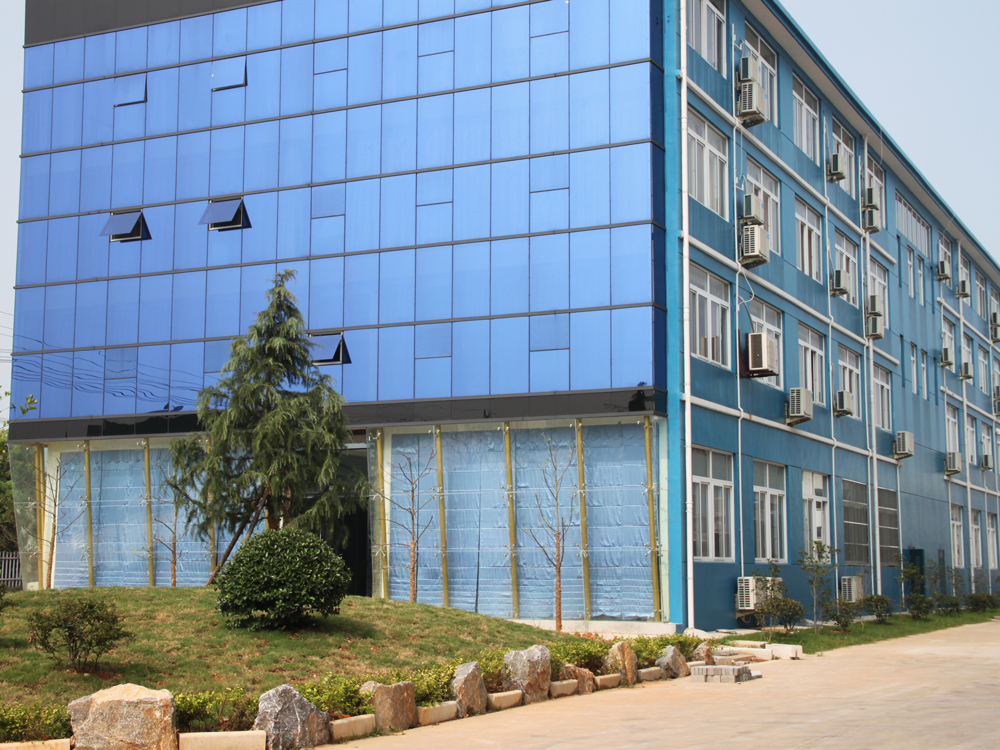
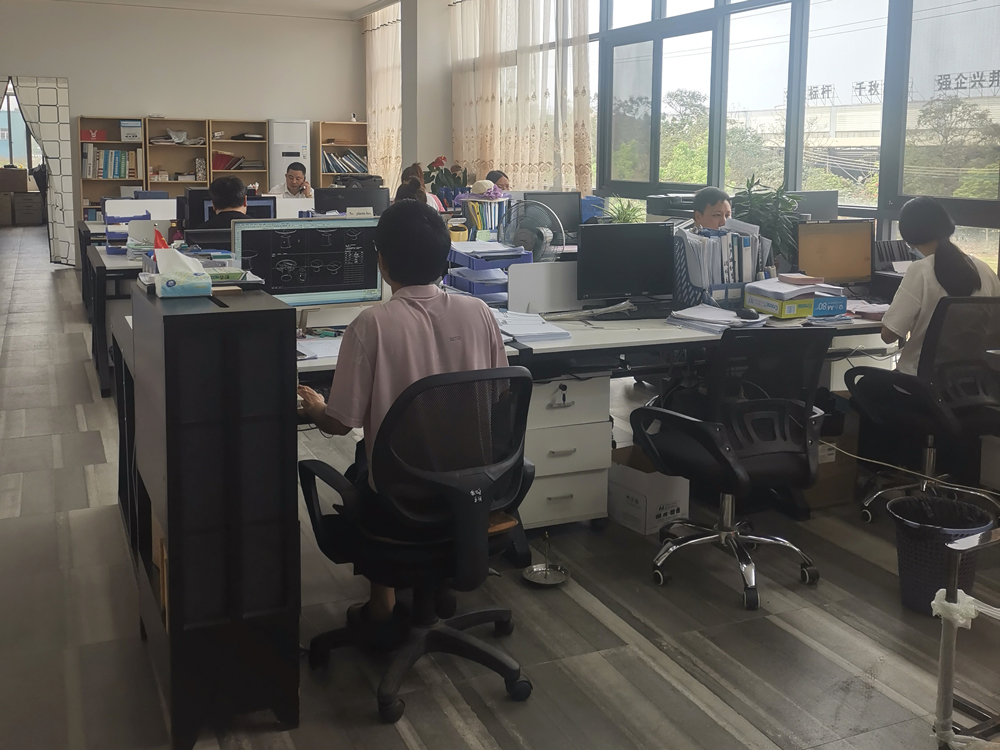
Guangzhou Vita Construction Machinery Co., Ltd. is one of the largest companies that combines factory operations and international trade. Our production plant is located in Xiangyang City, Hubei Province, and features a state-of-the-art workshop spanning over 18,000 square meters. Equipped with advanced fabrication and testing machinery, the facility runs smoothly thanks to our 278 well-trained and skilled workers and 8 experienced engineers. This setup ensures outstanding product quality, swift lead times, and precise order dispatch.
We specialize in manufacturing, developing, and distributing a comprehensive range of construction machinery parts. Beyond excavator mixing buckets, our portfolio includes engine assemblies, hydraulic main pumps, final drives, electric generating sets, high-precision engine bearings (Main bearings & Con Rod Bearings), crankshafts, engine valves, gear pumps, cylinders, and advanced filtration units. These components serve as premium replacements for major international brands such as Komatsu, Volvo, Sumitomo, Caterpillar, Kubota, Hitachi, John Deere, Kobelco, Hyundai, Kato, Sany, XCMG, and SUNWARD.
In construction, machinery reliability makes or break a project. We provide top-notch parts for smooth operation.
We offer active engine maintenance development, helping clients resolve assembly and technical runtime issues.
Our professional maintenance team travels globally to support clients with heavy-duty engine repairs and machine tuning.


Where the mixing attachment industry is heading over the next decade
Future mixing buckets will incorporate digital telemetry sensors. Real-time monitoring of hydraulic motor temperature, rotation speed, and paddle wear will alert fleet operators before a breakdown occurs, improving maintenance schedules and performance.
Manufacturers are developing high-efficiency hydraulic drive motors that generate maximum torque output at lower flow rates. This optimization reduces the hydraulic pressure demand on the excavator, saving fuel and lowering carbon emissions.
To reduce changeover times, modern buckets utilize smart valve manifolds that automatically match the carrier's flow limits. This allows operators to swap attachments quickly without manual pressure calibration, protecting hydraulic seals.
Using a mixing bucket attachment changes project economics. Traditional operations require bringing in concrete trucks and aggregate delivery vehicles, which incurs high transportation costs, disposal fees, and labor expenses. An excavator mixing bucket helps bypass these hurdles by mixing concrete right on-site. The chart below highlights the key areas of efficiency improvement:
Answering key engineering, operational, and maintenance questions for heavy equipment professionals
Sizing is determined by two main factors: the operating weight of the excavator and its hydraulic system capacity (auxiliary flow rate and operating pressure). A bucket that is too large can overload the excavator's arms and cylinders, while insufficient hydraulic flow leads to slow mixing cycles and stalling. Refer to our Technical Benchmarks table above or contact our engineers to match the bucket with your machine's parameters.
High-wear components must be built using wear-resistant steel, such as Hardox 450 or 500, especially the bottom wear plates and mixing paddles. Additionally, look for a heavy-duty gearbox, a protected hydraulic motor assembly, and a safety pressure relief valve. These elements protect the hydraulic motor from pressure spikes during intense mixing cycles.
Yes. Excavator mixing buckets are versatile tools designed to handle a variety of materials. They are commonly used for stabilizing dry soil with lime or cement, mixing compost and organic waste, blending backfill materials, and neutralizing contaminated soils during remediation works.
Routine maintenance includes daily lubrication of the drive chains and shaft bearings, inspecting the hydraulic connections for leaks, and checking the wear on the mixing paddles. Flushing the bucket with water immediately after mixing concrete is essential to prevent material buildup, which can jam the rotation mechanism.
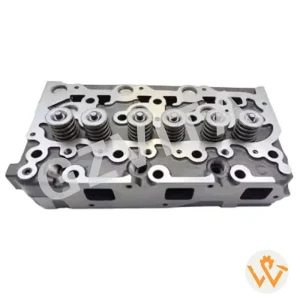
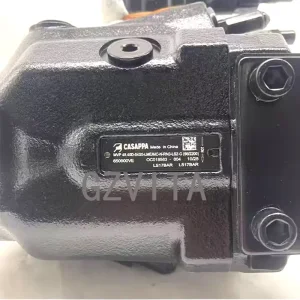
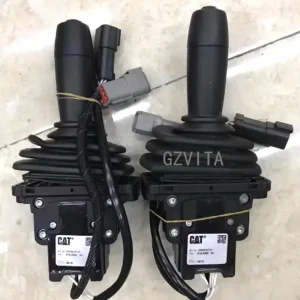
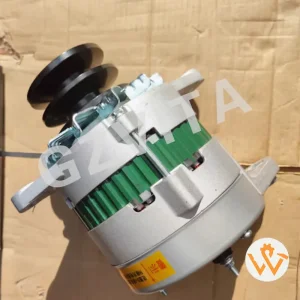
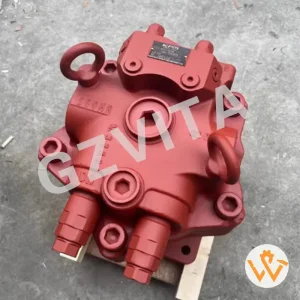
Premium mechanical spares, piston pumps, engine heads, and undercarriage components
 Vita Construction