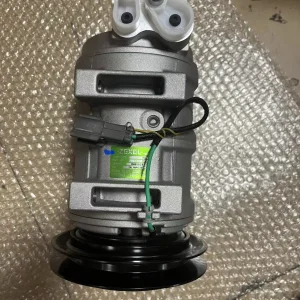
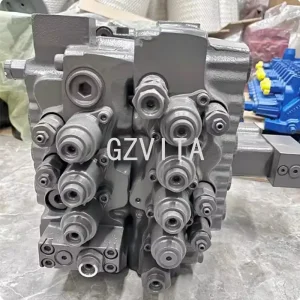
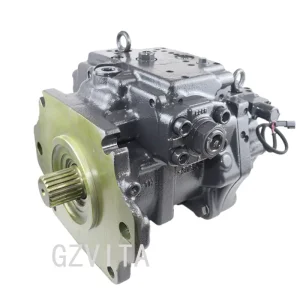
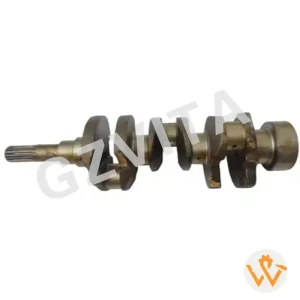
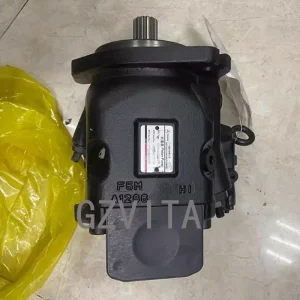
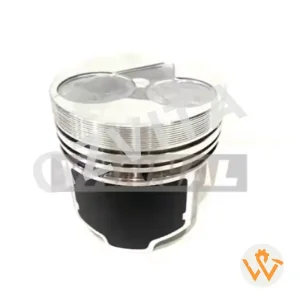
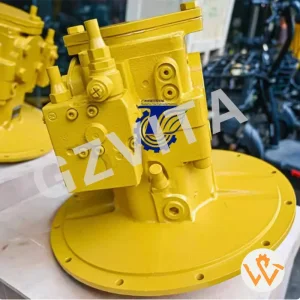
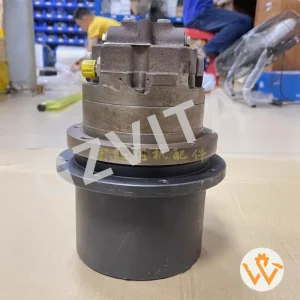
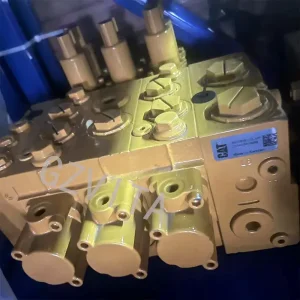
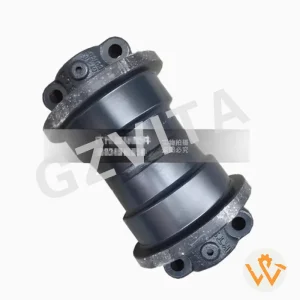
Explore our core engineering catalog designed to sustain high mechanical loads on modern excavation systems and continuous bucket-wheel assemblies.
SQM Factory Area
Skilled Operators
Global Brands Supported
OEM Quality Guaranteed
Your Integrated Engineering and Heavy Equipment Manufacturing Partner
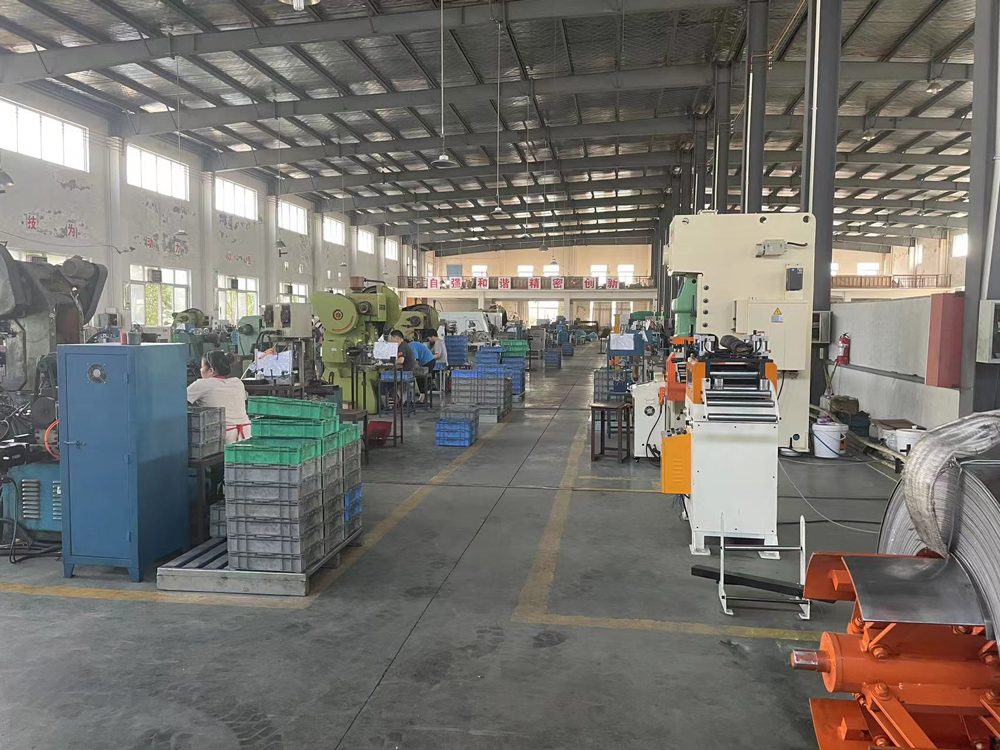
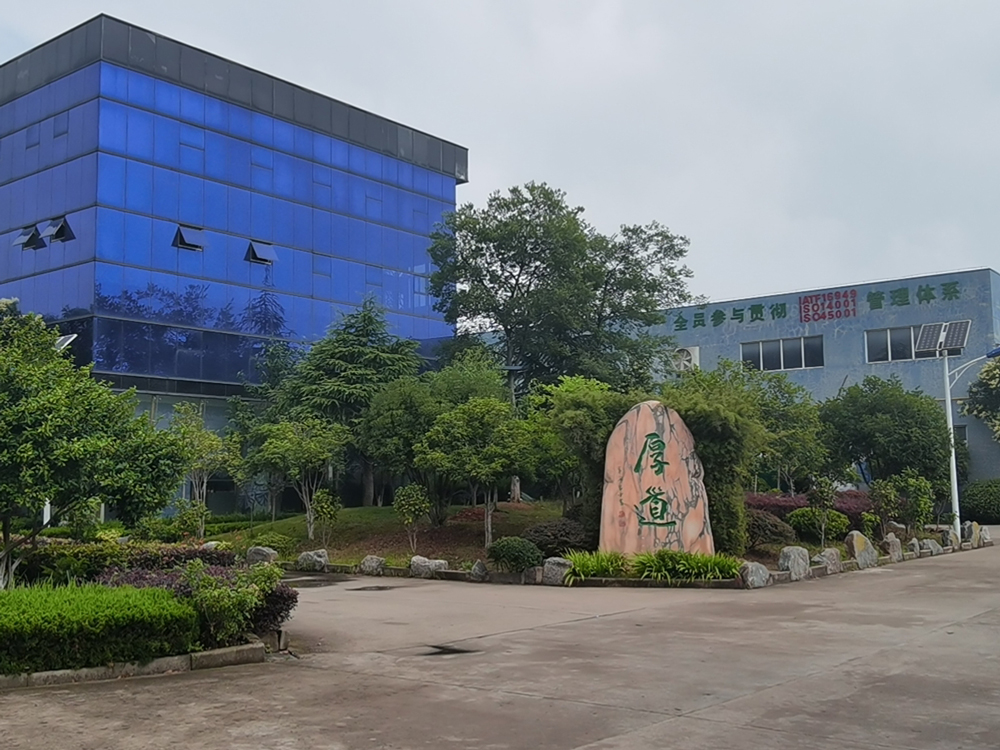
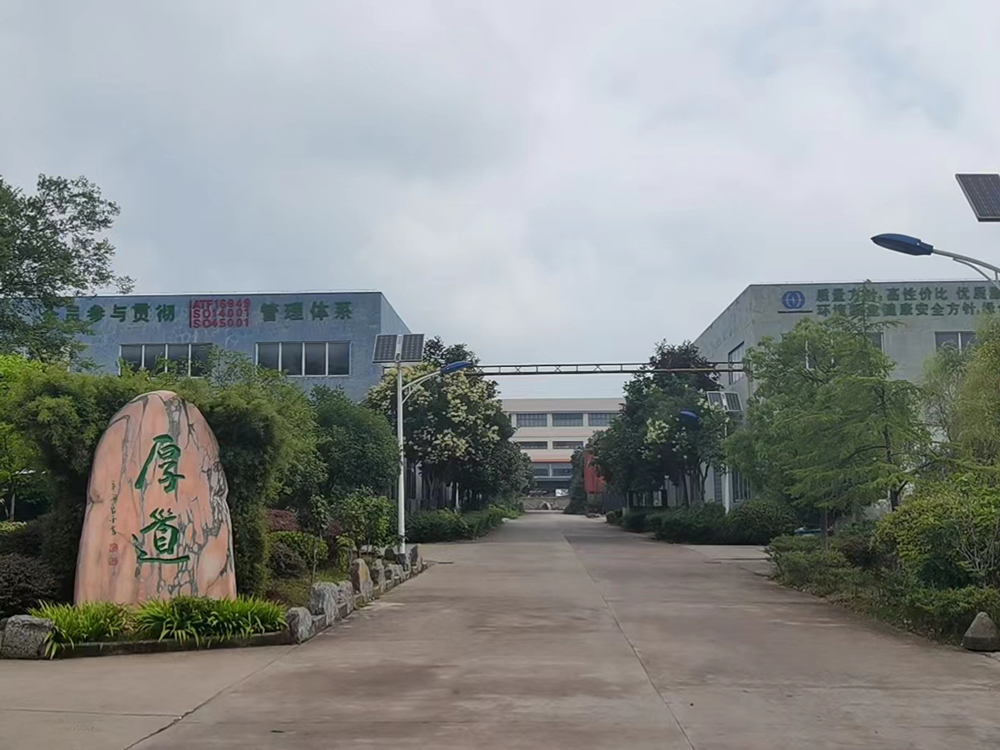
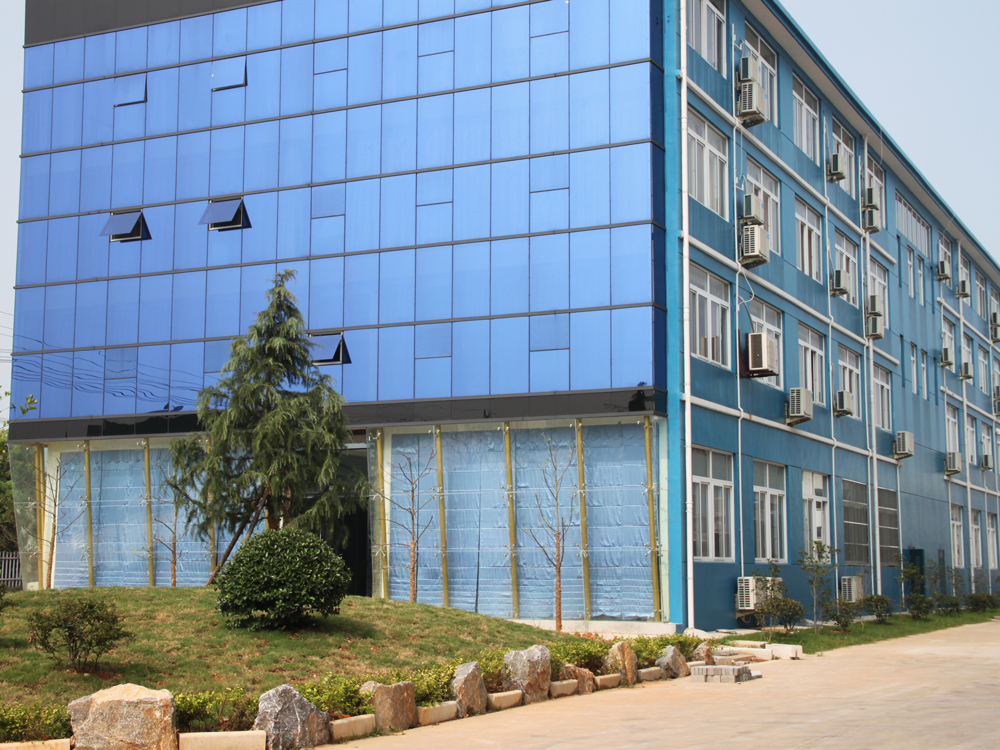
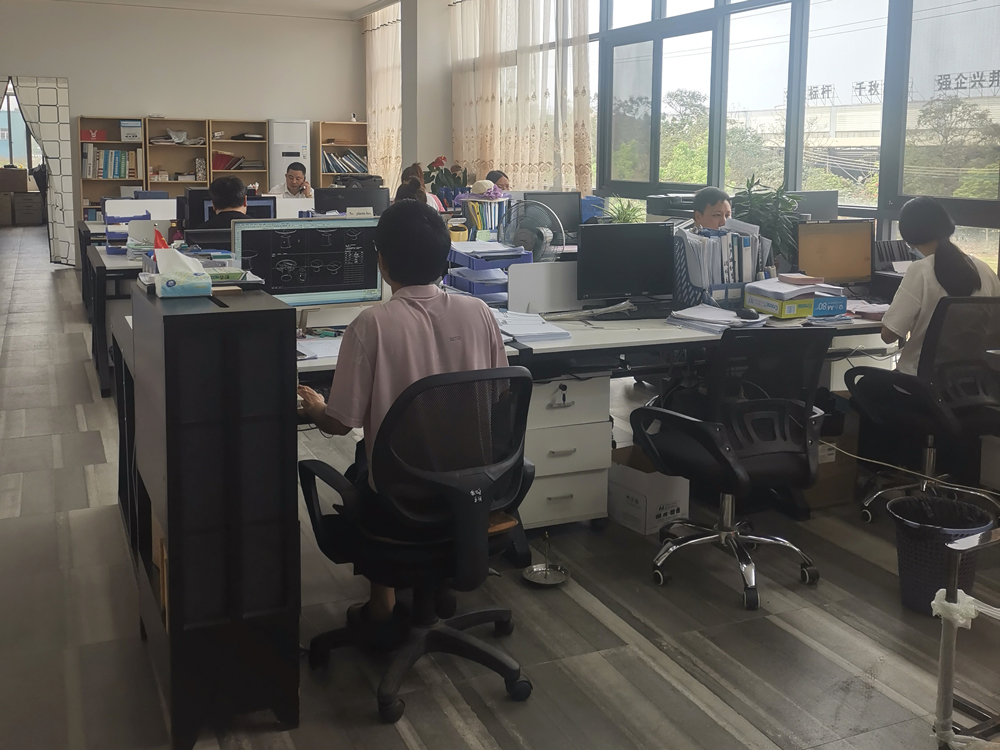
Guangzhou Vita Construction Machinery Co., Ltd. stands as one of the largest combined factory and foreign trade enterprises in China. Strategically headquartered with a production center located in Xiangyang City, Hubei Province, our operations cover more than 18,000 square meters of modern workshop area. Equipped with advanced machinery, we house 278 skilled workers and an elite engineering division comprising 8 senior engineers, guaranteeing high-precision fabrication, structural reliability, and fast turnaround cycles.
We specialize in the development, manufacture, and wholesale supply of comprehensive construction machinery components. Our capability spans across main engine assemblies, heavy hydraulic piston pumps, travel reduction gearboxes, final drives, mobile diesel generator sets, main bearing & connecting rod series, crankshafts, engine valves, gear pumps, cylinders, industrial filtration networks, specialized excavator buckets, and undercarriage wear parts. Our product lines serve as premium direct replacements for global heavy-duty machinery brands, including Komatsu, Volvo, Sumitomo, Caterpillar, Kubota, Hitachi, John Deere, Kobelco, Hyundai, Kato, Sany, XCMG, and SUNWARD.
In high-intensity earthmoving operations, machinery down-time translates directly to massive revenue loss. We verify our hydraulic pumps, engine components, and final drives under rigorous load tests to ensure they exceed operational fatigue limits.
Beyond part logistics, we assist clients in resolving complex hydraulic pressures, timing issues, and power integration anomalies. Our in-house research laboratory acts as a continuous technical support hub.
We host a mobile division of structural and hydraulic technicians capable of deploying directly to global mining operations and industrial zones for commissioning, repair, and systems upgrades.
An authoritative analysis of mechanical synchronizations, high-stress hydraulic systems, and next-generation open-cast mine optimization
Bucket-Wheel Excavators (BWEs) represent the pinnacle of open-pit mining efficiency, operating on a continuous digging cycle that contrasts with the batch processing of draglines or cable shovels. The primary system consists of a large rotating wheel fitted with high-tensile steel buckets, mounted on a long boom. As the wheel rotates, the buckets cut into the mine face, lift the material, and dump it onto internal belt conveyors. This cycle demands immense structural stability and continuous power transmission.
The transmission of mechanical power from the main electric motors to the rotating wheel requires highly specialized gearboxes and drive assemblies. These gearboxes must handle extreme torque peaks, caused by encountering unexpected rock formations or variations in soil density. Achieving optimal operational life requires using case-hardened alloy steels, high-precision tooth profile grinding, and integrated lubrication-cooling circuits that monitor temperature and oil particulates in real-time.
While electrical motors dominate the primary rotation of the wheel, hydraulic systems manage the critical sub-functions, including boom luffing (raising and lowering), slewing (rotational positioning), crawler travel, and conveyor tensioning. A failure in the hydraulic circuit can immediately render these billion-dollar machines idle.
Modern BWEs rely on high-capacity axial piston pumps, such as the HP6V76 or A11VO130 series, which provide variable displacement control to match structural resistance. These pumps feed heavy-duty main control valves (e.g., UX22 series) that regulate high pressure distribution across multiple hydraulic cylinders. To safeguard against cavitation and excessive friction wear, oil filtration must be maintained at a sub-micron level, demanding advanced multi-stage filter systems capable of capturing fine coal dust and silica particles before they enter the piston chambers.
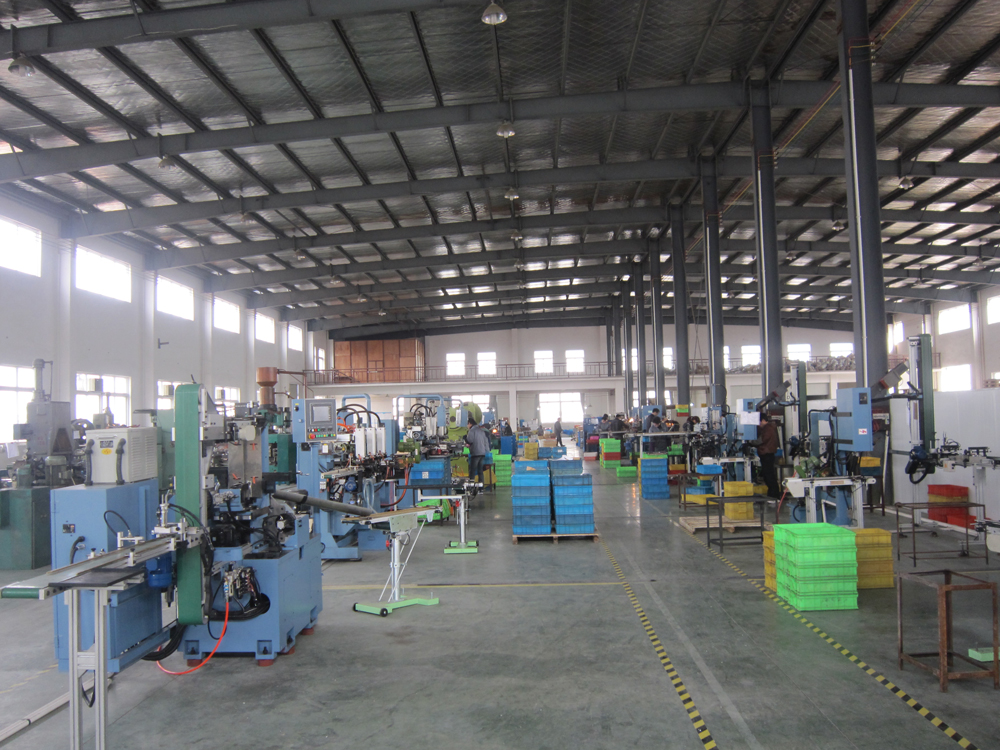
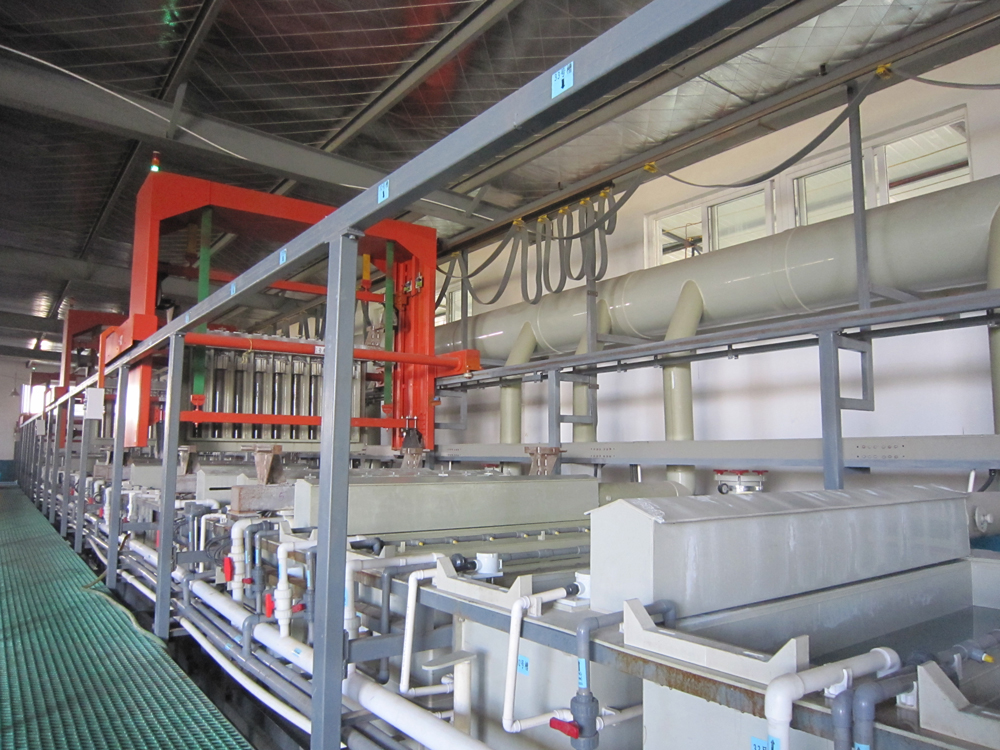
The manufacturing process for components that sustain BWE operations requires cutting-edge metallurgy and assembly tolerances. At Guangzhou Vita's Xiangyang factory, our production floor combines automation with rigorous quality checkpoints. By integrating Factory 4.0 standards, we maintain high traceability on all base steel alloys, forged crankshafts, and hydraulic valves.
The future of continuous surface mining lies in the integration of digital twins and autonomous control schemes. BWEs are increasingly being outfitted with LIDAR arrays and multi-spectral cameras to scan the excavation face in real-time. This data feeds directly into the machine's control logic, adjusting wheel rotation speed and boom advancement rate automatically to maximize throughput while minimizing structural fatigue.
Furthermore, telematics systems collect constant vibration, temperature, and hydraulic pressure data, transmitting it via industrial wireless networks to remote engineering hubs. By utilizing predictive AI models, maintenance teams can identify internal component degradation—such as micro-cracking in a main drive gear or volumetric efficiency drop in a hydraulic pump—days before a physical failure occurs, transforming emergency repairs into planned, low-cost maintenance events.
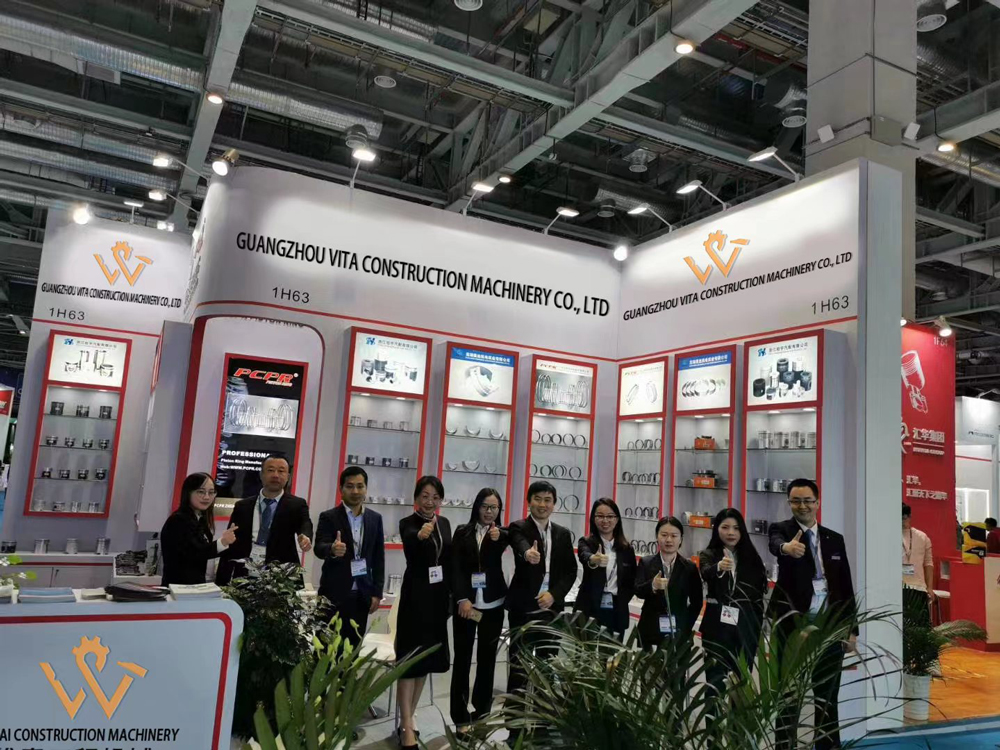
Inside Guangzhou Vita's Hubei manufacturing workshops, featuring advanced machining and assembly floors.
Clear answers to technical, logistical, and structural questions about BWEs and spare parts procurement.
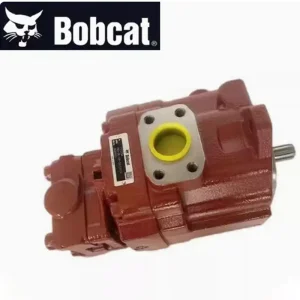
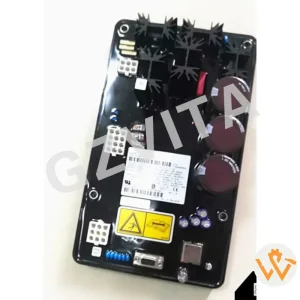
Explore our technical hardware lineup, providing high wear-resistance and operational longevity.
 Vita Construction