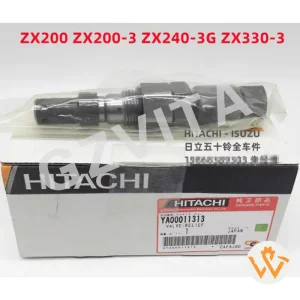
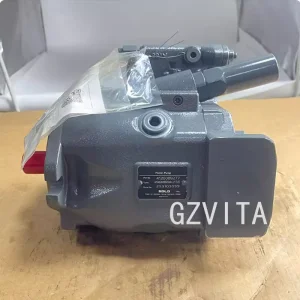
Explore our industrial grade engine assemblies, hydraulic systems, and transmission components engineered for leading global brands.
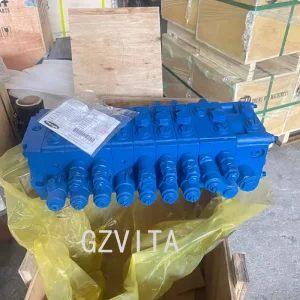
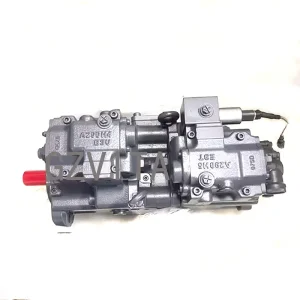
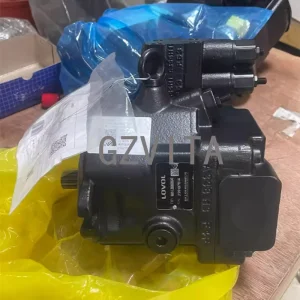
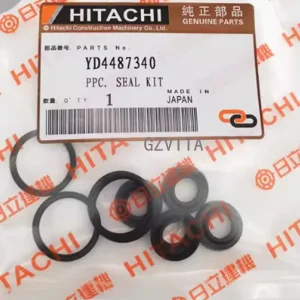
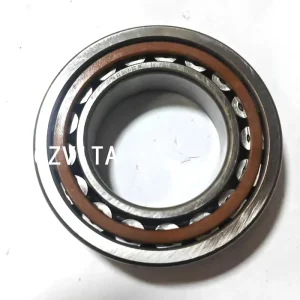
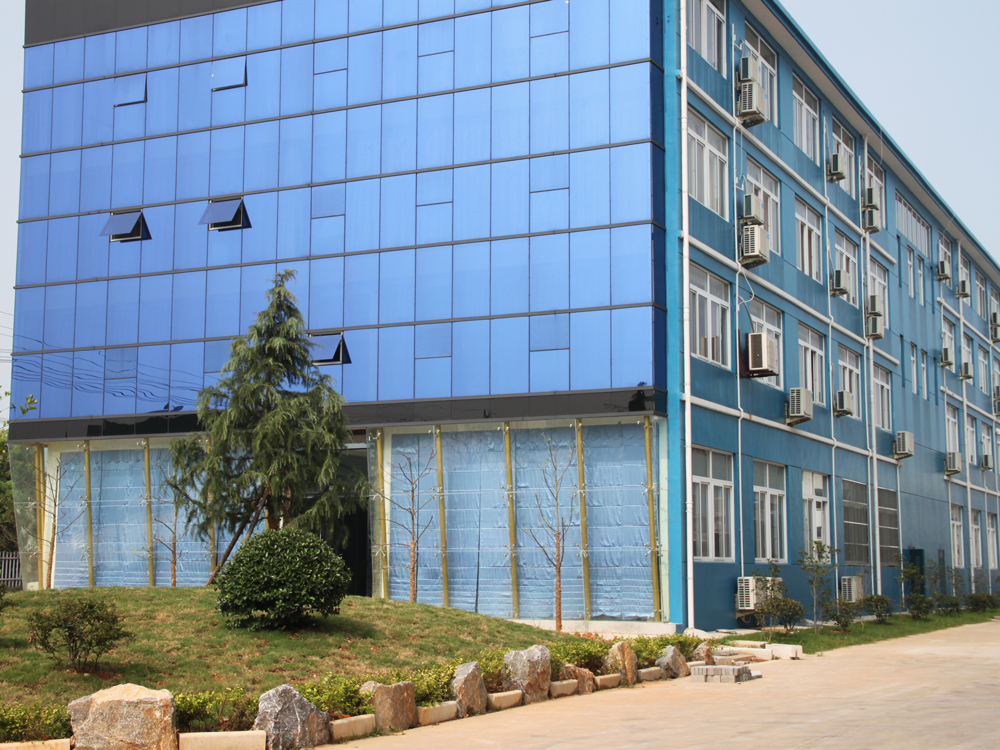
A comprehensive view of Guangzhou Vita Construction Machinery Co., Ltd.
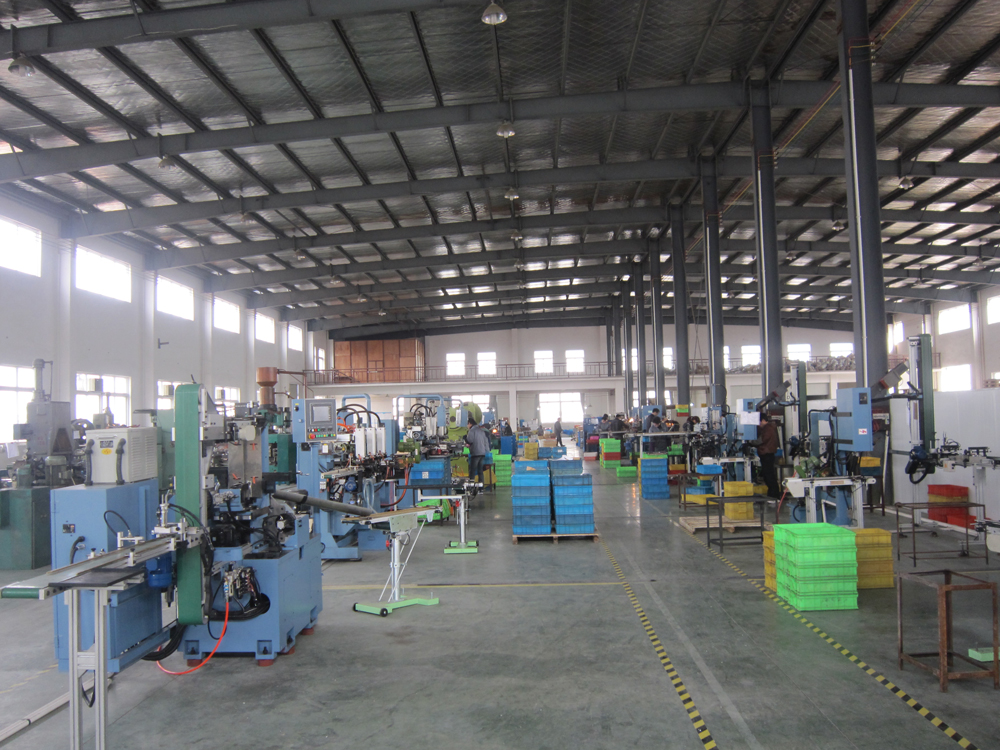
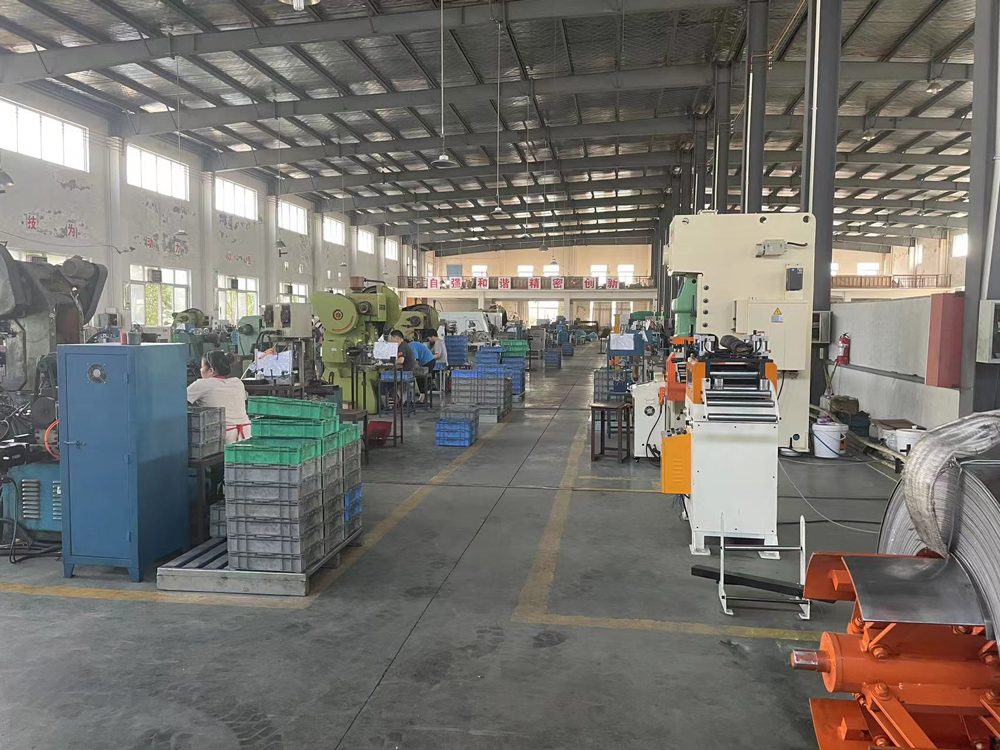
Established as a titan in China’s industrial manufacturing sector, Guangzhou Vita Construction Machinery Co., Ltd. represents the pinnacle of synergy between R&D, precision factory production, and international logistics. With a production hub located in the manufacturing corridor of Xiangyang City, Hubei Province, our operations span over 18,000 square meters of state-of-the-art facilities.
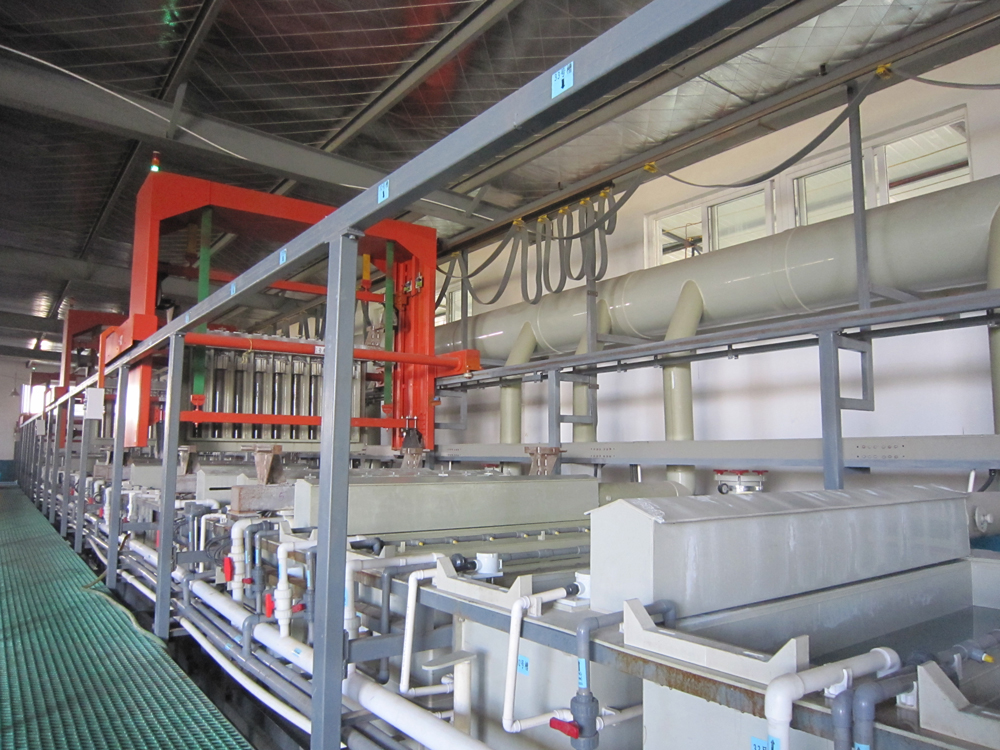
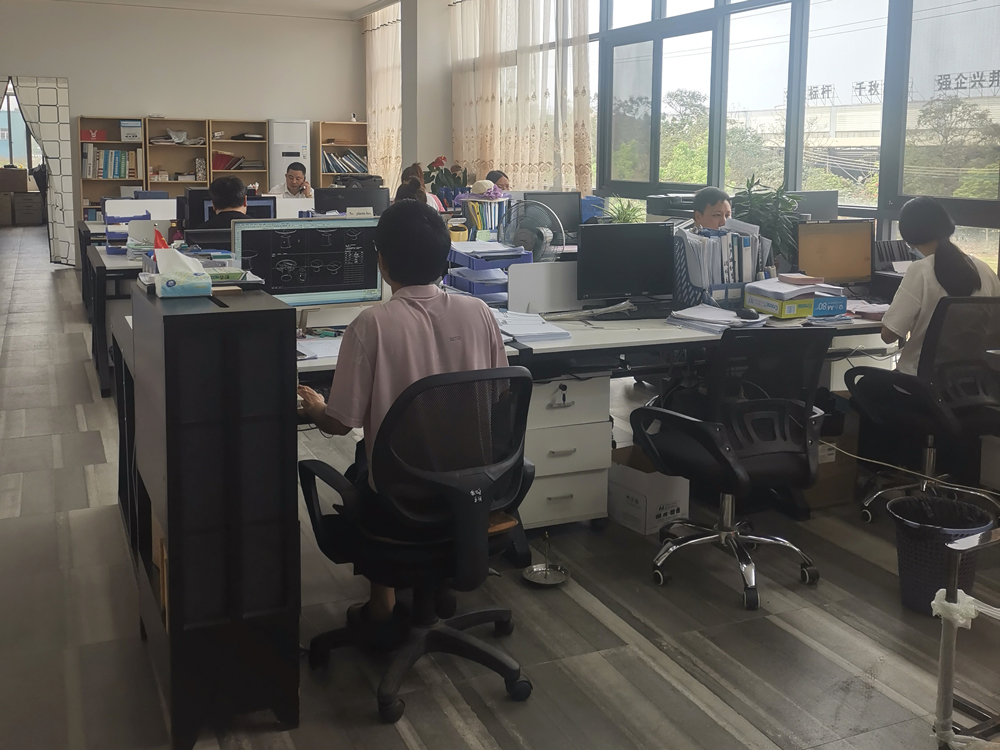
Equipped with multi-axis CNC machining centers, automated grinding networks, and advanced metallurgic examination labs, our facility supports 278+ highly trained technicians and an elite division of 8 senior diagnostic engineers. We bridge the gap between complex engine diagrams and high-performance physical execution. We are specialized in developing parts suited for extreme loads, high thermal stresses, and long duty-cycle operational environments.
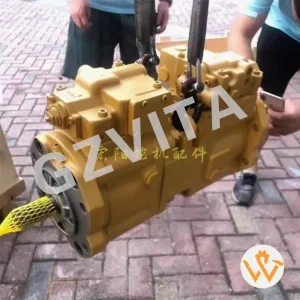
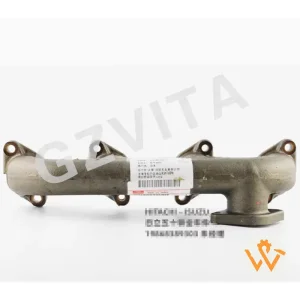
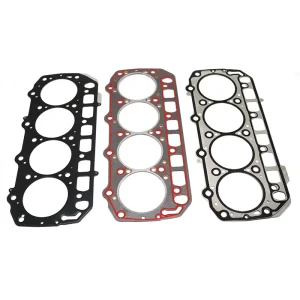
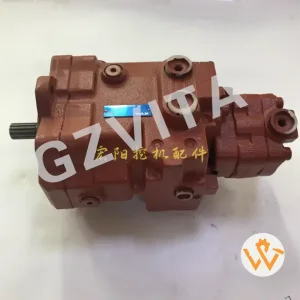
Our core catalog specializes in engine assemblies, hydraulic systems, cylinder configurations, undercarriage components, and crucially, precision-machined connecting rods and bearing systems (Main bearings & con-rod bearing series). Our parts are highly sought after as heavy-duty replacements for industry-leading global brands including Komatsu, Volvo, Sumitomo, Caterpillar, Kubota, Hitachi, John Deere, Kobelco, Hyundai, Kato, Sany, XCMG, and SUNWARD.
A masterclass in structural stress distribution, fatigue boundaries, and micro-precision assembly.
In the internal combustion engine of high-tonnage excavators and dozers, the connecting rod (con-rod) acts as the critical bridge transforming the linear thermodynamic force of the piston into the rotational torque of the crankshaft. Because it experiences both massive tensile load at top dead center (TDC) and immense compressive load under power strokes, its design diagrams must balance minimal reciprocal mass with maximum fatigue resistance.
Designed with bronze alloy bushings to sustain high oscillatory loads. Standard design diagrams utilize tapered small ends to maximize piston crown support surface area while keeping reciprocating mass minimal.
Heavy duty applications favor the H-beam shank geometry for extreme bending strength under boost pressure. The web structure is analyzed via FEA (Finite Element Analysis) to eradicate stress concentrations.
Utilizing high-accuracy crack-splitting technology, the cap joint features irregular interlocking profiles. This achieves flawless alignment during high-torque assembly operations, eliminating bearing shell migration.
A variance of even 0.01 mm in parallelism between the center axis of the big end and the small end can cause severe diagonal wear on the cylinder liner, rapid failure of con-rod bearings, and catastrophic crankcase destruction. Guangzhou Vita's strict diagram adherence guarantees near-zero twist and bend metrics, preventing cylinder scoring and stabilizing critical oil film thicknesses.
Analyzing localized demands, severe climate workloads, and macro-economic factors influencing connecting rod supply lines.
From high-altitude copper mines in Chile to humid coastal construction projects across Southeast Asia, diesel engines face distinct environmental challenges.
Connecting rods designed by global manufacturers must account for localized operational pressures. In Northern Europe and Siberian regions, machines endure severe sub-zero cold-starts. This demands high low-temperature impact toughness from the connecting rod material to avoid brittle fractures.
Conversely, in deep open-cast mining sites across Australia and South America, engines run continuously. High-load haulage and intensive excavation introduce persistent vibrations. By using high-strength forged structural steel (42CrMo) with specialized nitrocarburizing surface treatments, Guangzhou Vita components maintain an enhanced fatigue limit, saving mine operators from unexpected, multi-million dollar engine replacements.
Through strategic regional supply networks, we offer fast delivery. We supply local distributors with pre-balanced connecting rod sets packaged with matching bearings, guaranteeing quick engine rebuild times.
Why Tier-1 construction firms and engine rebuilders choose our components.
In the fast-paced world of construction, the reliability and efficiency of your machinery can make or break a project. We understand that high-quality parts are essential for optimal performance. Our factory utilizes multi-stage ultrasonic testing to check for internal micro-voids, ensuring every connecting rod meets OEM tolerances.
To improve our service, we set up an engine maintenance development division. In addition to providing customers with high-spec engine assemblies, we can also help customers solve various technical problems encountered in the operation, alignment, and assembly of complex reciprocating systems.
We maintain a dedicated professional engine maintenance and analysis team. When required, we can arrange for maintenance technicians to travel abroad, assisting fleet operators and regional agencies in resolving heavy machinery engine failures.
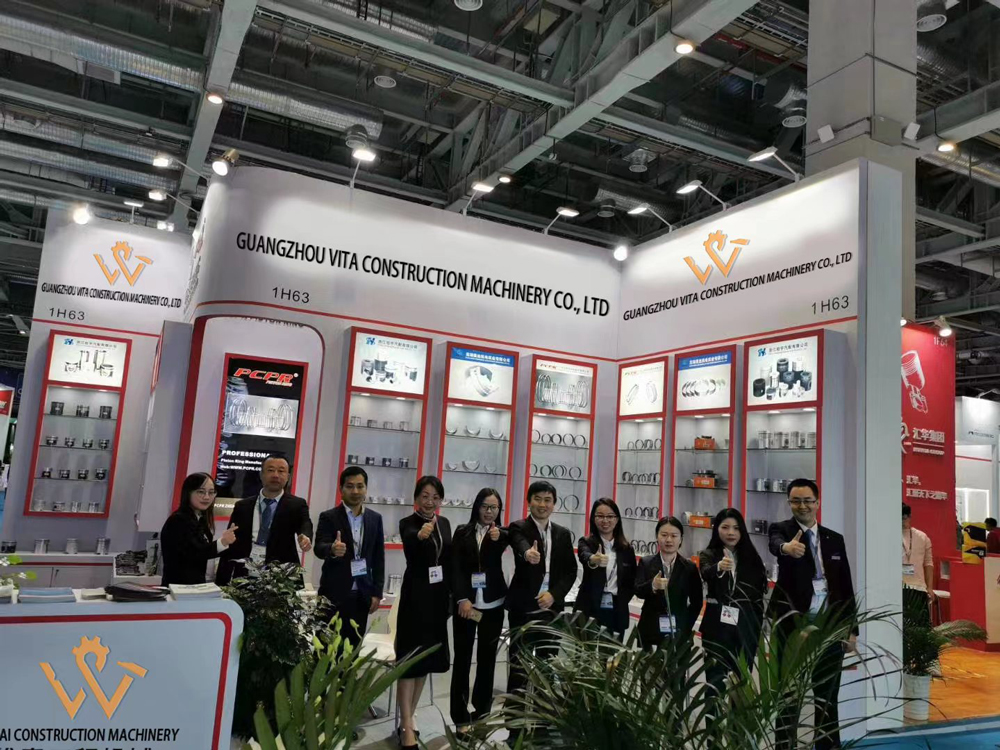
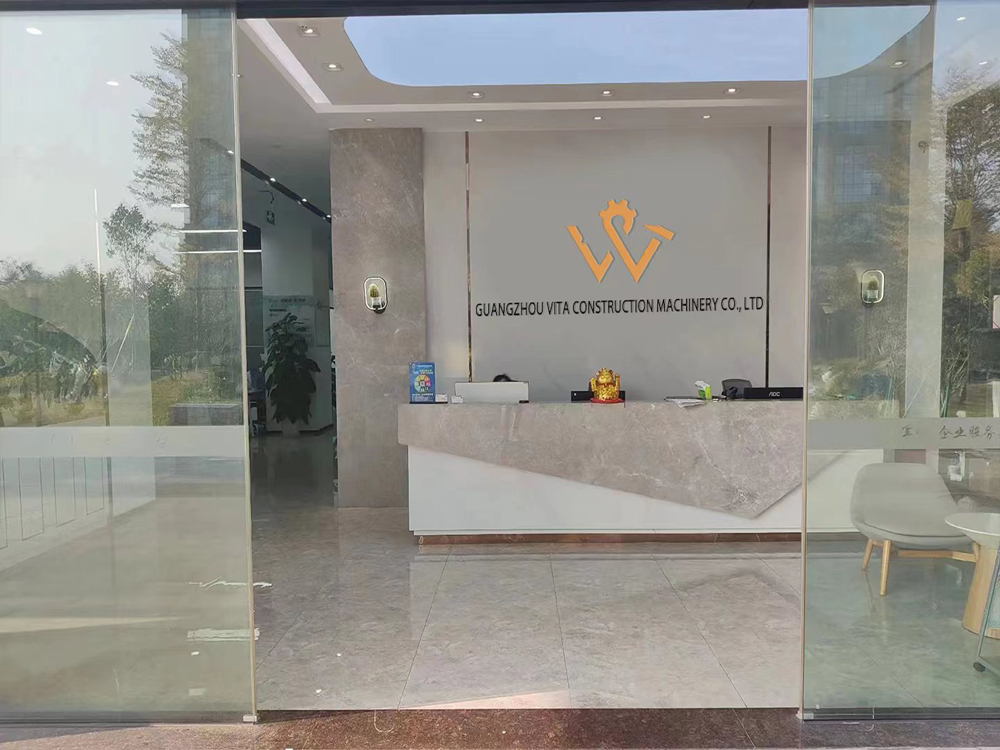
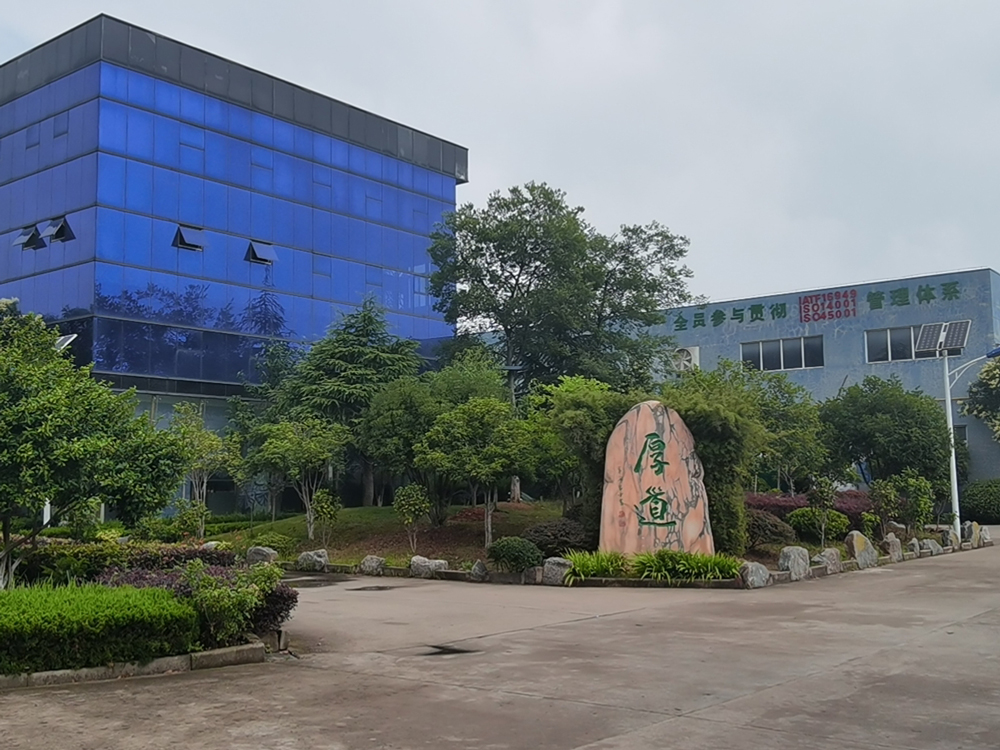
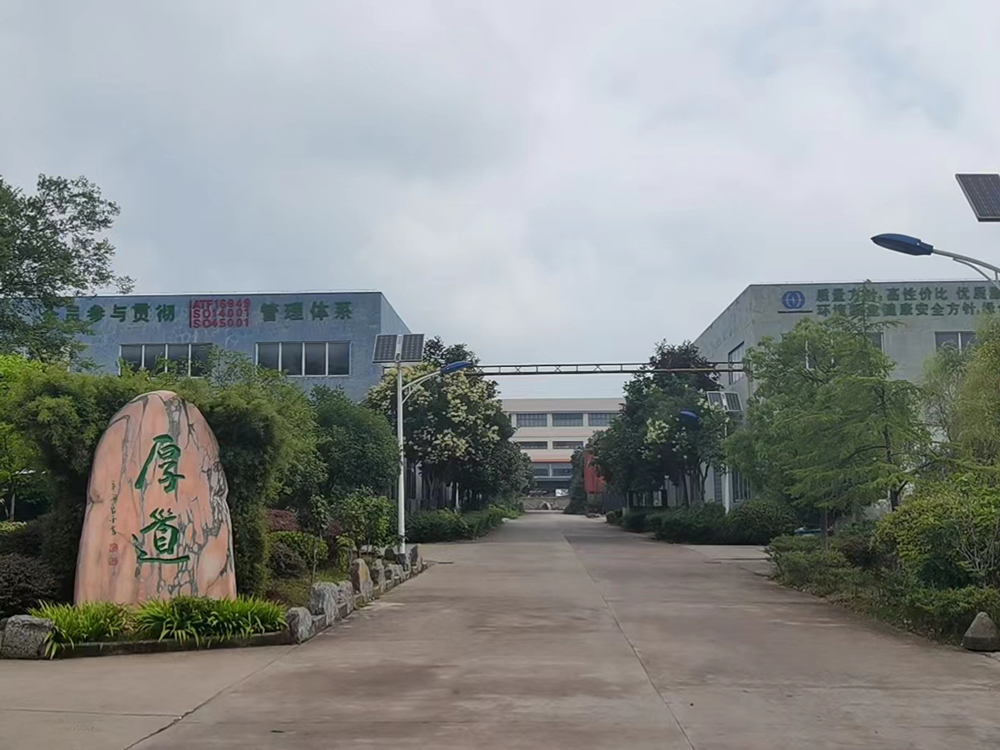
Take a look inside Guangzhou Vita’s manufacturing facilities located in Hubei, China.
How engine design is adapting to next-generation emissions standards and high power density trends.
As environmental regulations push internal combustion engines toward higher peak cylinder pressures, connecting rod manufacturers must innovate. The technology roadmap for heavy machinery con-rods focuses on three major technical milestones:
Detailed technical answers for procurement officers, fleet operators, and plant managers.
For heavy industrial operations, forged alloy steels such as 42CrMo (AISI 4140 equivalent) or 40CrNiMoA (AISI 4340 equivalent) are preferred. These materials undergo hardening and tempering to achieve a balance of high tensile strength (exceeding 980 MPa) and impact toughness, which is critical for surviving the continuous shock loads of heavy excavation.
Fracture splitting is a technique where the connecting rod big end is intentionally cracked to separate the rod and the cap. This creates a uniquely textured surface. When assembled, the interlocking structure prevents shifting under heavy operational stress, protecting the con-rod bearings from premature wear.
Even small misalignments can force the piston to tilt inside the cylinder. This creates uneven contact, leading to rapid wear of the piston rings, cylinder scoring, and elevated oil consumption. Over time, it concentrates stress on the edge of the bearing shell, which can result in spun bearings and catastrophic rod failure.
Our quality control team performs ultrasonic flaw detection to ensure no internal micro-cracks exist. We use magnetic particle inspection to detect surface anomalies, CMM coordinate machines to verify dimensions within microns, and dynamic balancing rigs to match weight differences to within ±1 gram per set.
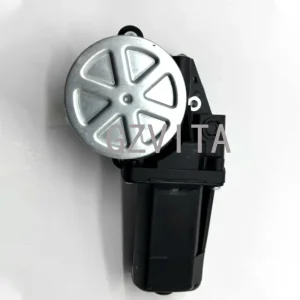
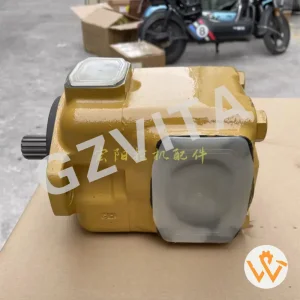
Premium auxiliary systems and electrical components to keep your industrial fleets running.
 Vita Construction