In modern geological extraction and civil infrastructure projects, traditional excavation tools frequently encounter barriers. High-compressive-strength rock layers, permafrost, weathered granite, and concrete structures demand force patterns that conventional digging buckets cannot deliver. The Excavator Bucket Ripper is engineered specifically to address these challenges. By concentrating the total hydraulic and structural force of the excavator onto a single, high-durability point, the ripper achieves penetration forces exceeding those of standard buckets by up to 300%.
From a metallurgical perspective, rippers are subjected to intense friction, high torsional loads, and persistent impact force. The structural shank must possess both extreme yield strength to resist bending, and exceptional toughness to prevent brittle fracture under sudden load spikes. Leading manufacturers use low-alloy high-strength steels, such as Q355B for general structures, and Hardox 450/500 or NM450/500 for high-wear areas, ensuring that the tool withstands structural demands without deformation.
The global demand for excavator attachments, particularly bucket rippers, is closely tied to infrastructure investments, mining expansion, and urban redevelopment. Enterprise buyers and large-scale wholesalers face unique challenges. To assist procurement managers, we analyze the current macroeconomic landscape and regional requirements below:
Strict environmental and noise regulations in urban areas have limited traditional blasting. Rippers have become the primary tool for initial rock fragmentation, requiring high compliance with CE and ISO standards, and compatibility with quick couplers like the Miller or Verachtert systems.
Rapid urbanization and massive infrastructure projects in Southeast Asia demand cost-effective, high-throughput solutions. Wholesalers focus on wear part availability and direct-from-factory pricing to manage thin operating margins on large projects.
Open-cast operations and pipeline trenching through dry clay and bedrock require extra-heavy-duty rippers (designed for 40-to-80-ton class carriers). Buyers prioritize metallurgy, replaceable tooth systems, and local support to minimize downtime.
For wholesale buyers, procurement strategy goes beyond unit cost. It requires a detailed calculation of the Total Cost of Ownership (TCO). This includes wear-life cycles, shipping logistics, customs duties, and the availability of replacement teeth and wear shrouds. Partnering with vertically integrated manufacturers who offer OEM customization ensures compatibility with existing fleets, including Komatsu, Caterpillar, Volvo, Hitachi, Sany, and XCMG machines.
In the fast-paced world of construction, the reliability and efficiency of your machinery can make or break a project. We understand that high-quality parts are essential for optimal performance. We aim to provide top-notch construction machinery parts to keep customer's machinery running smoothly.
To improve our service, we set up an engine maintenance development division. In addition to providing customers with engine assemblies, we also help resolve various technical problems encountered in the operation and assembly of heavy engines.
We maintain our own professional maintenance team and can be invited by customers to arrange for maintenance technicians to travel abroad, helping clients troubleshoot and repair engines and complex heavy hydraulic systems on-site.
Modern excavator bucket rippers rely on advanced engineering design to deliver durability. Standard designs are no longer sufficient for complex operations, leading manufacturers to adopt rigorous technical roadmaps:
Before casting or cutting steel, CAD models undergo FEA to identify stress concentration points. Ripping generates large shear forces where the shank meets the excavator earplate. By optimizing the shank's curved profile, stress is distributed evenly across the coupler, protecting both the attachment and the excavator boom from damage.
The standard alloy recipe has evolved. Incorporating traces of Boron, Nickel, and Chromium into carbon-manganese steel bases helps achieve deep hardenability. During heat treatment, quenching and tempering produce a tempered martensite structure, delivering high surface hardness (exceeding 450 HBW) while retaining a ductile core to absorb sudden impact loads.
Welding heavy plates (often exceeding 80mm in thickness) requires precise temperature control. We utilize pre-heating processes to prevent hydrogen-induced cracking in the Heat-Affected Zone (HAZ). Robotic submerged arc welding ensures deep root penetration and consistent weld bead profiles, maintaining structural integrity under demanding field conditions.
Workshop Area (sqm)
Skilled Technicians
Senior R&D Engineers
Hardness (HBW) Specs
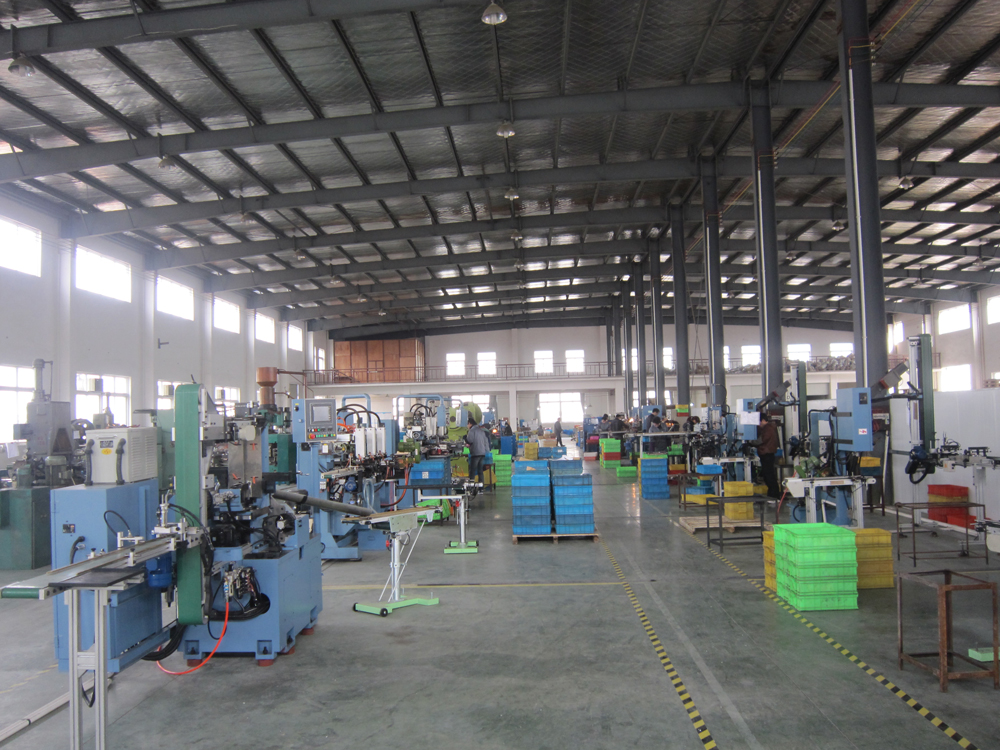
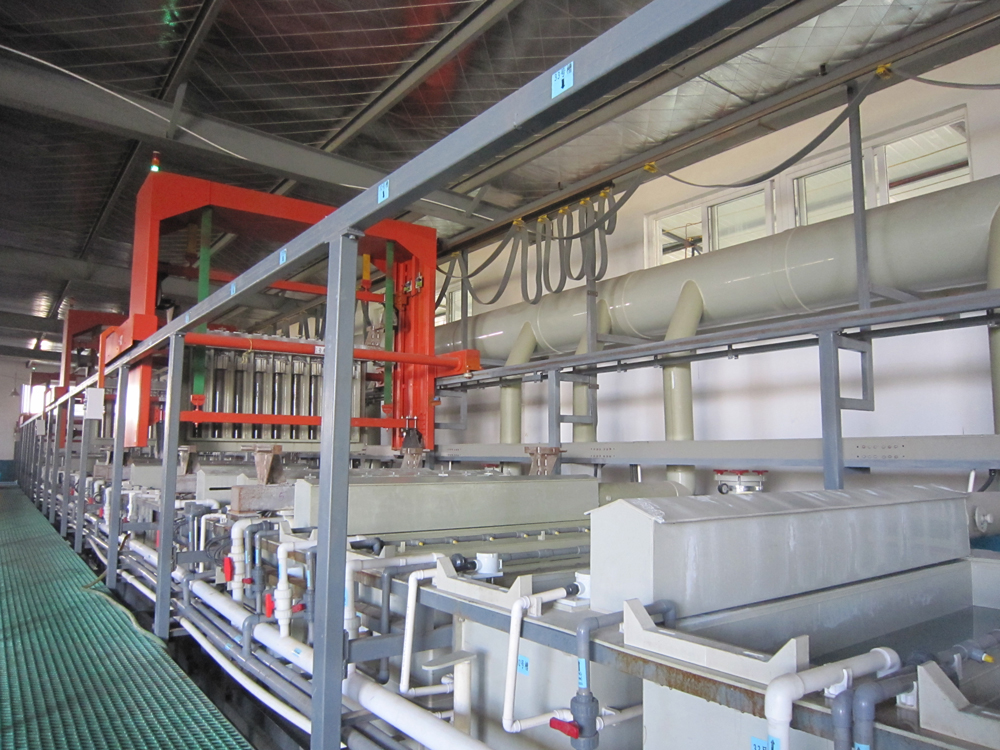
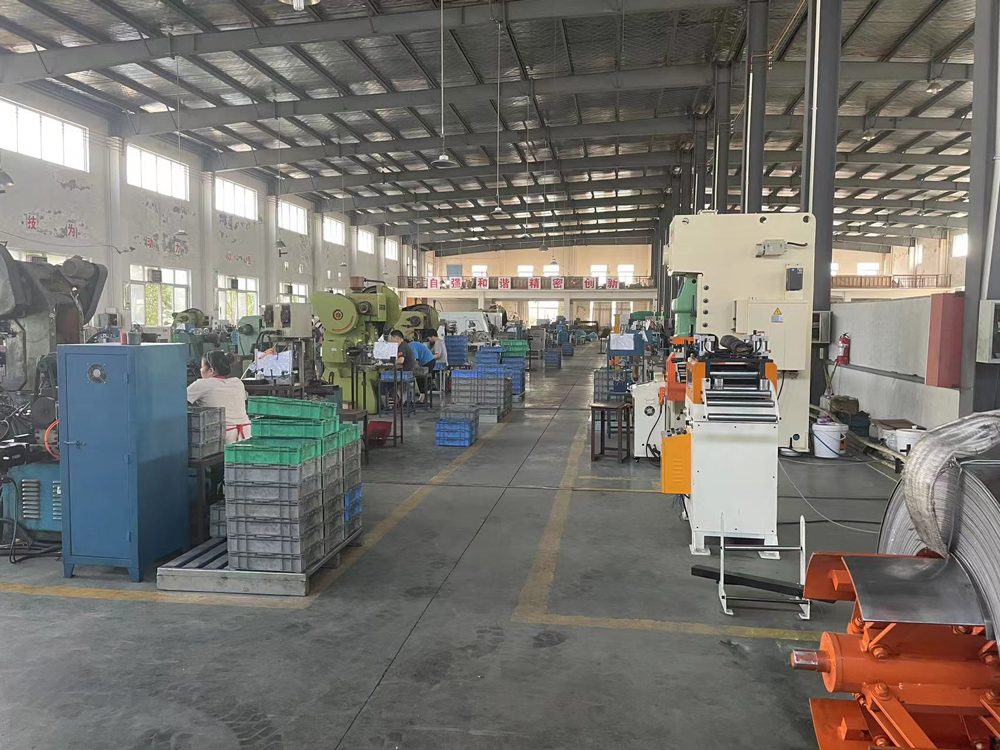
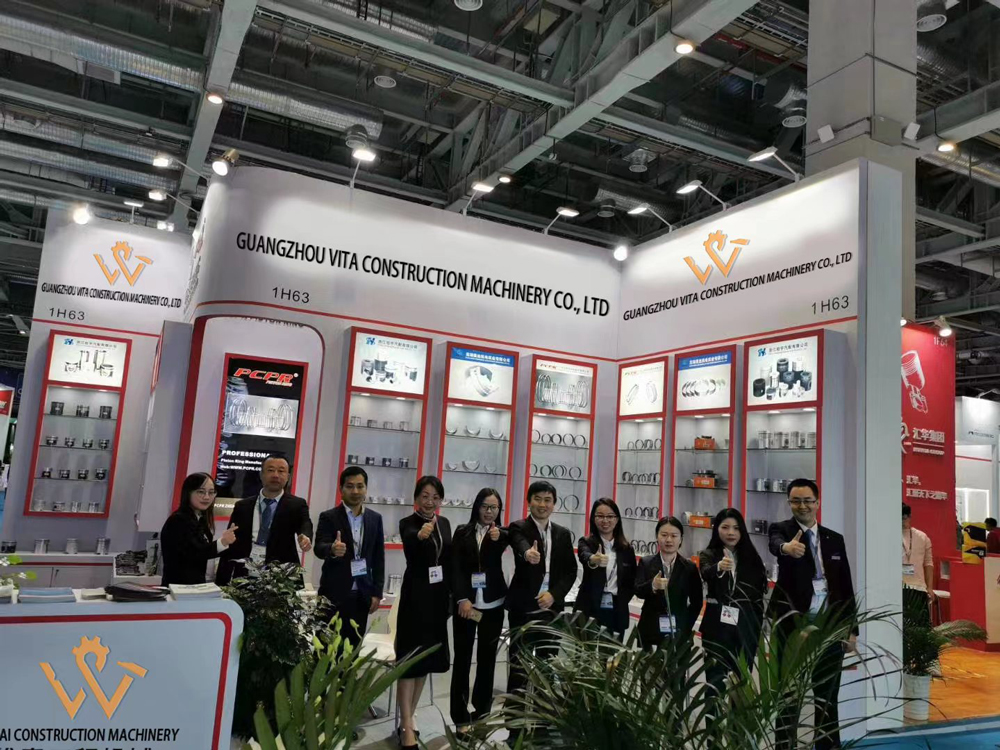
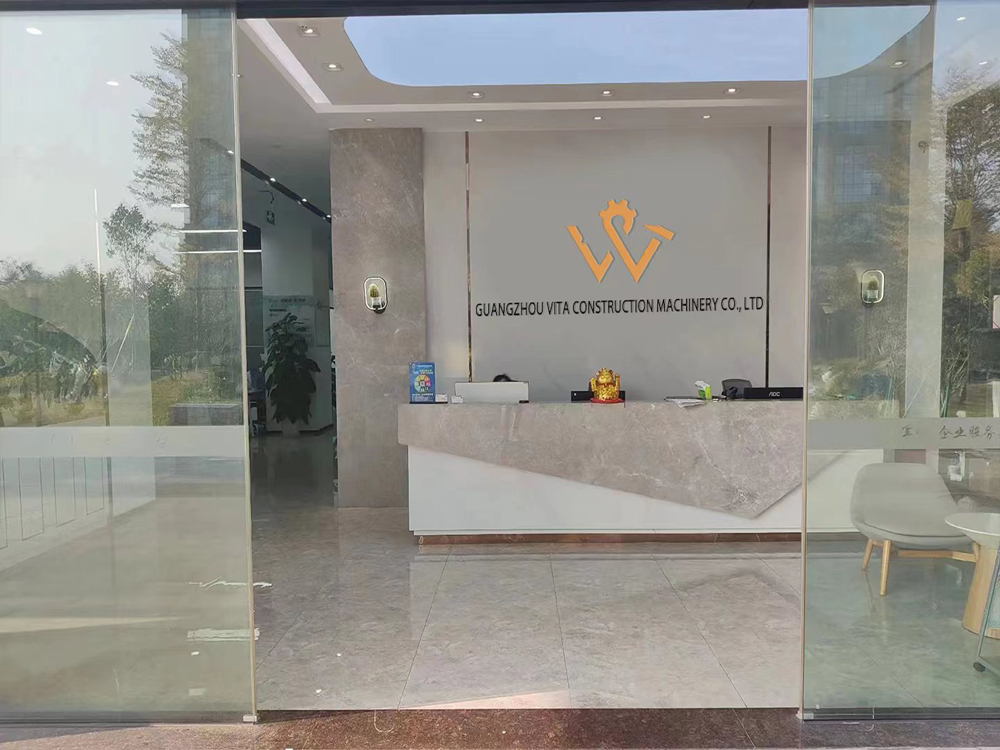
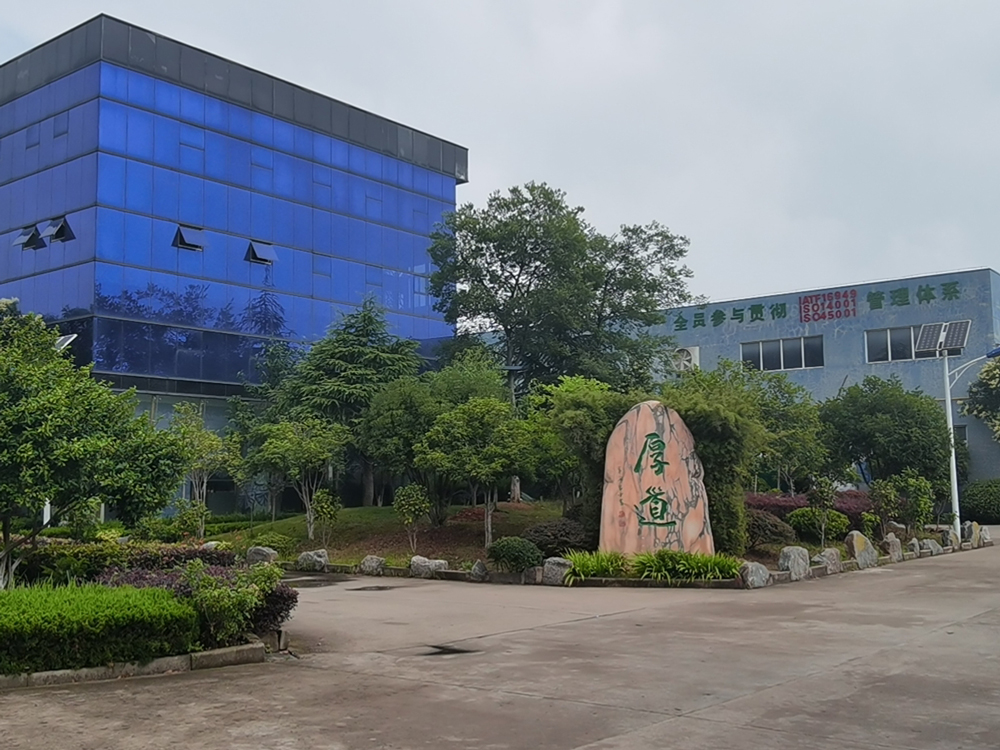
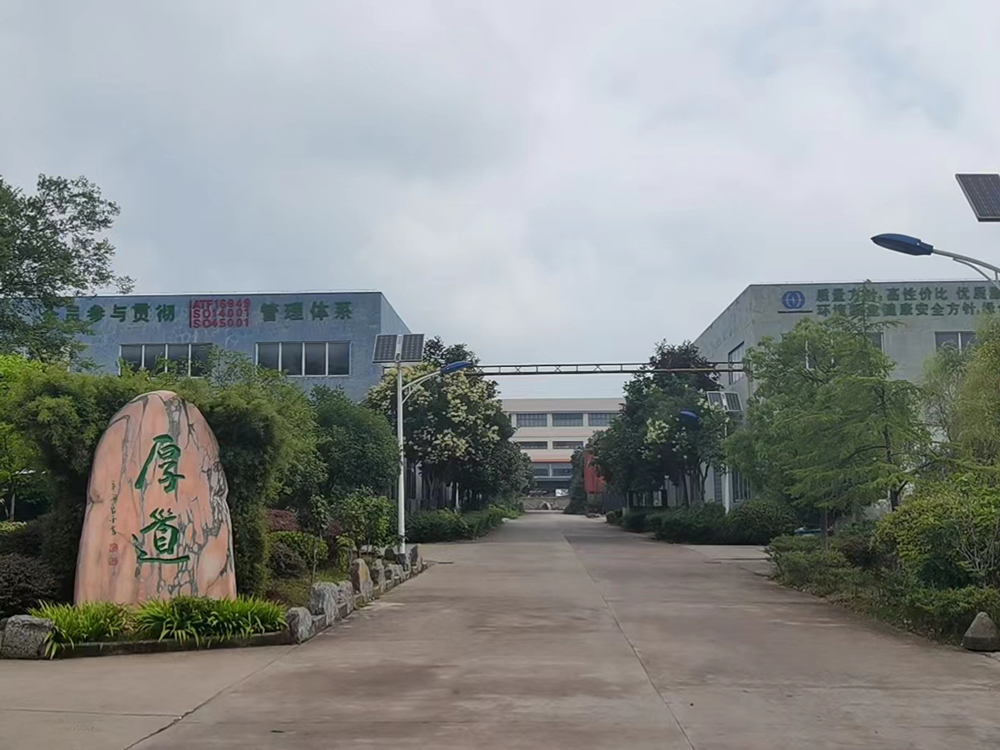
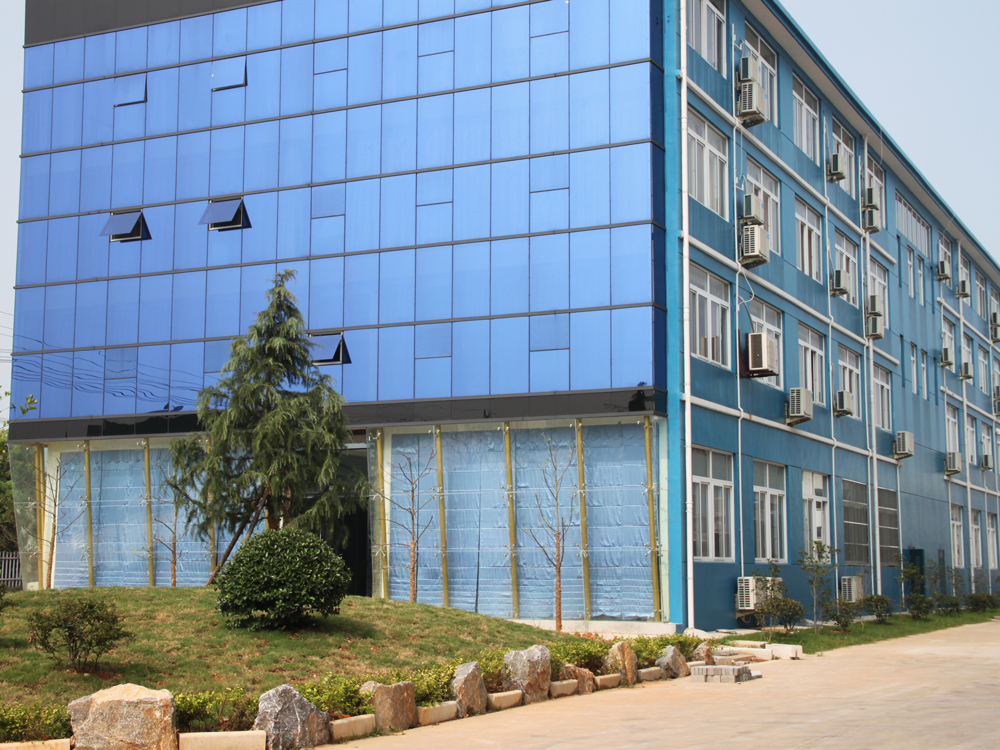
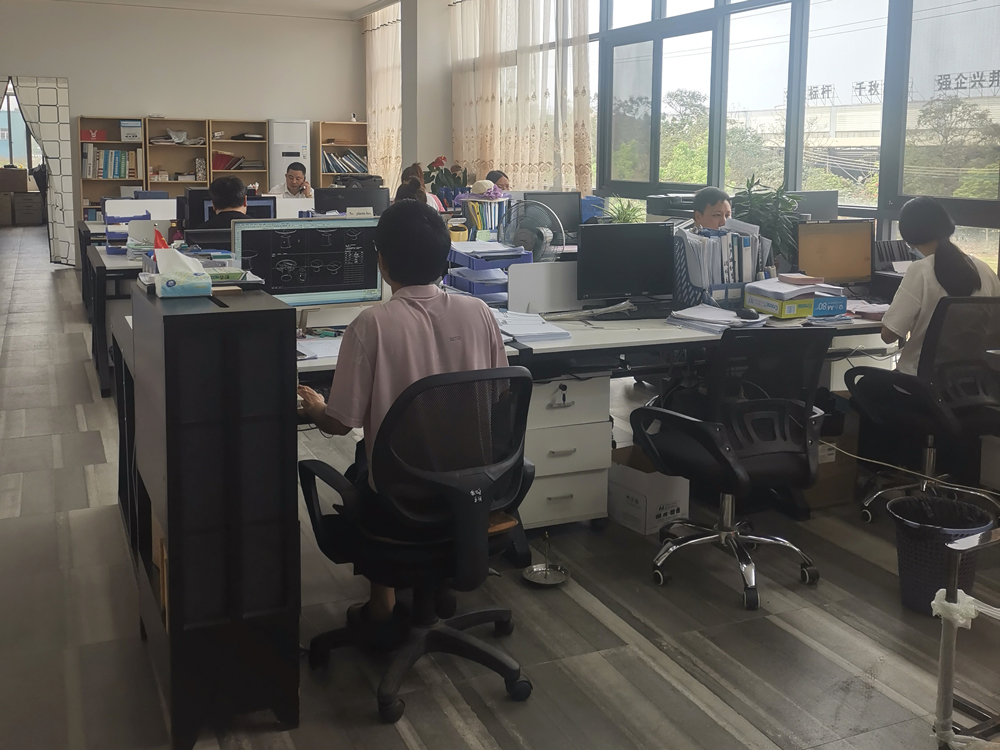
Guangzhou Vita Construction Machinery Co., Ltd. is a leading integrated manufacturing and foreign trade company. Our main factory is located in Xiangyang City, Hubei Province, featuring a production workshop of over 18,000 square meters. The facility is equipped with advanced production machinery, supported by 278 skilled workers and 8 experienced engineers, ensuring high quality control, fast delivery, and precise execution of custom specifications.
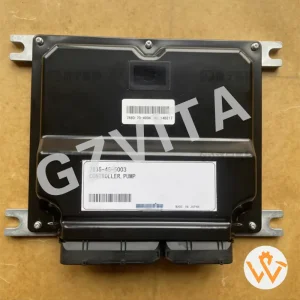
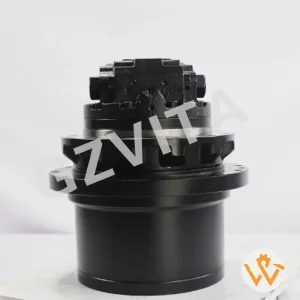
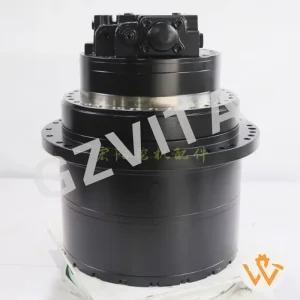
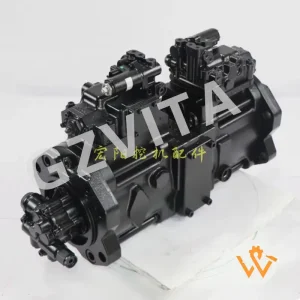
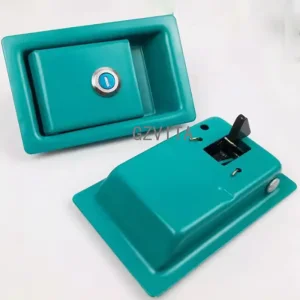
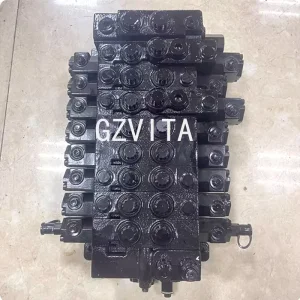
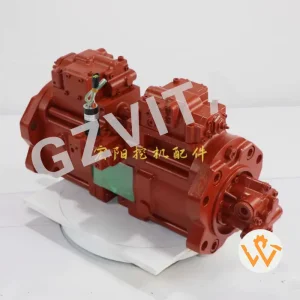
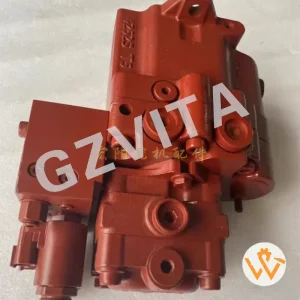
We specialize in the development, manufacture, and global distribution of construction machinery parts. Our catalog spans engine assemblies, hydraulic pumps, final drives, electric generating sets, engine bearings, crankshafts, engine valves, gear pumps, cylinders, industrial filtration systems, excavator buckets, and specialized undercarriage parts for excavators and bulldozers. Our parts serve as reliable replacements for equipment from major brands including Komatsu, Volvo, Sumitomo, Caterpillar, Kubota, Hitachi, John Deere, Kobelco, Hyundai, Kato, Sany, XCMG, and SUNWARD.
Heavy attachments must comply with local safety and operational standards in destination markets to pass customs and jobsite safety audits:
To assist with compliance, Guangzhou Vita provides certified metallurgical test reports with every bulk order, documenting the chemical composition and mechanical properties of the steel alloys used in production.
Rippers are rated by the excavator's operating weight. A mismatch can damage your equipment: a ripper that is too light may bend, while one that is too heavy can strain the boom. We manufacture custom rippers for weight classes from 5 tons up to 80 tons, ensuring the attachment matches your machine's cylinder breakout force.
The main shank is built from Q355B or high-strength alloy steels. Wear-prone areas, such as the nose piece and protective wing shrouds, are made from cast manganese steel or Hardox 500, offering excellent wear resistance and impact absorption.
Yes. Our replacement catalog features pin-on and quick-coupler-compatible connections for Komatsu, Volvo, Sumitomo, Caterpillar, Kubota, Hitachi, John Deere, Kobelco, Hyundai, Kato, Sany, XCMG, and SUNWARD excavators, matching original manufacturer specifications.
Single-shank rippers concentrate the excavator's hydraulic force onto a single point, making them ideal for heavy rock and concrete. Multi-shank rippers are designed for softer soils, shale, and coal, allowing for wider coverage per pass.
Our Quality Control process includes ultrasonic weld inspection to detect internal defects, hardness testing to verify alloy properties, and dimensional checks to ensure proper fitment with the bucket linkages.
Standard custom orders are processed and shipped within 20 to 30 days. Located in Xiangyang, Hubei, with logistics networks running through Wuhan and Shanghai ports, we handle FOB, CIF, and DDU deliveries to major global ports.
 Vita Construction