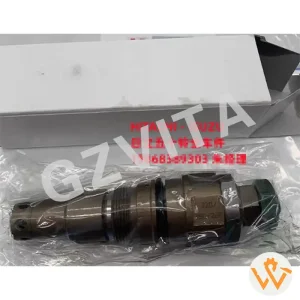
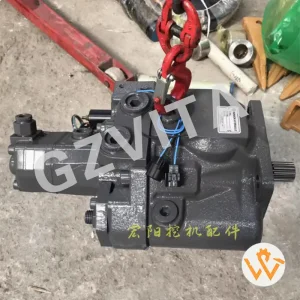
Explore high-precision excavator components engineered for heavy-duty earthmoving and construction equipment systems.
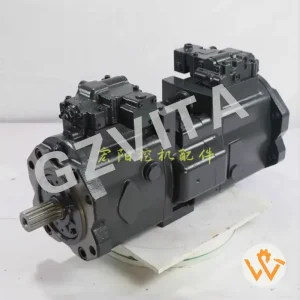
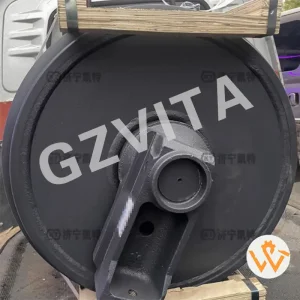
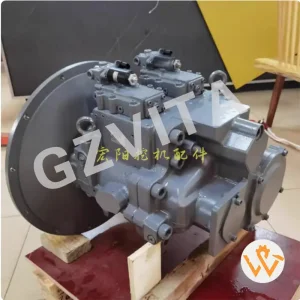
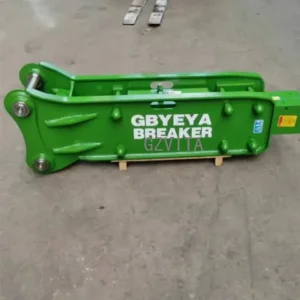
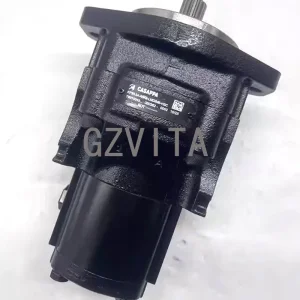
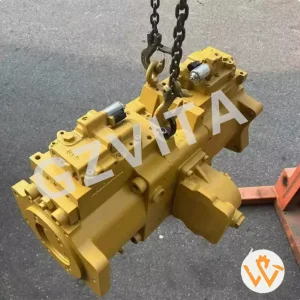
In contemporary earthmoving, extraction, and infrastructural development, the boundaries of geological resistance are consistently being pushed. Standard excavation methodologies fail when confronted with highly consolidated clay, fractured shale, sandstones, permafrost, and bedrock formations. The solution to these challenging geomorphological situations is the Excavator Ripper Bucket.
A combination of high-stress single-point ripping action and the high-volume excavation profile of a traditional bucket, these attachments concentrate the hydraulic breakout force of modern heavy excavators onto localized cutting points. Understanding the mechanical components, metallurgical composition, and supply chain logistics of wholesale excavator ripper buckets is essential for global buyers, fleet operators, and equipment OEM suppliers.
The basic function of a standard bucket relies on shear cutting forces distributed across a wide blade. However, when working in solid rock or frozen soil, the resistance force exceeds the excavator's maximum breakout capacity. A ripper bucket solves this by utilizing a stepped, aggressive shank profile that makes contact with the material sequentially.
Key Engineering Metric: The force concentration index of a single-shank ripper tooth is up to 450% higher than that of a standard flat-lip general-purpose bucket. This allows operators to bypass pre-blasting or hydraulic hammering stages, lowering operations costs.
Modern CAD and Finite Element Analysis (FEA) show that the geometric layout of the ripper shanks significantly affects both structural durability and fuel efficiency. By staggering the teeth in a progressive, v-shaped configuration, the first tooth creates a fracture plane in the rock matrix. The secondary and tertiary teeth then expand this fracture, allowing the bucket body to gather the dislodged material. This progressive action reduces stress spikes on the excavator arm and main hydraulic pumps.
| Parameter Type | Technical Specifications | Operational Performance Impact |
|---|---|---|
| Main Shell Material | Q355B / NM400 / NM500 High-Strength Plate | Reduces tare weight while increasing resistance to bending under high pressure. |
| Shank Configuration | Staggered Multi-Tooth or Single-Point Heavy Tooth | Optimizes the angle of attack for maximum penetration in rock, shale, and clay. |
| Tooth Selection | Forged Alloy Steels with Rock Penetration Tips | Extends wear life in highly abrasive geological formations. |
| Pin Geometry | Hardened Chrome Steel Alloy (40Cr / 42CrMo) | Ensures structural connection stability under extreme torque loads. |
As global infrastructure projects scale up, buyers in Europe, North America, and Australia are shifting their sourcing strategies towards high-durability attachments. The rising costs of maintenance and downtime have made cheap, low-grade steel attachments uneconomical.
Today's procurement managers prioritize suppliers that offer full traceablity of materials, verified welding quality, and compatible geometry with popular OEM quick couplers (such as Verachtert, Miller, or Lenhoff). Wholesale distributors also require attachments that match the performance of premium machines (like Komatsu, Sany, Caterpillar, and Hitachi) without paying excessive markups.
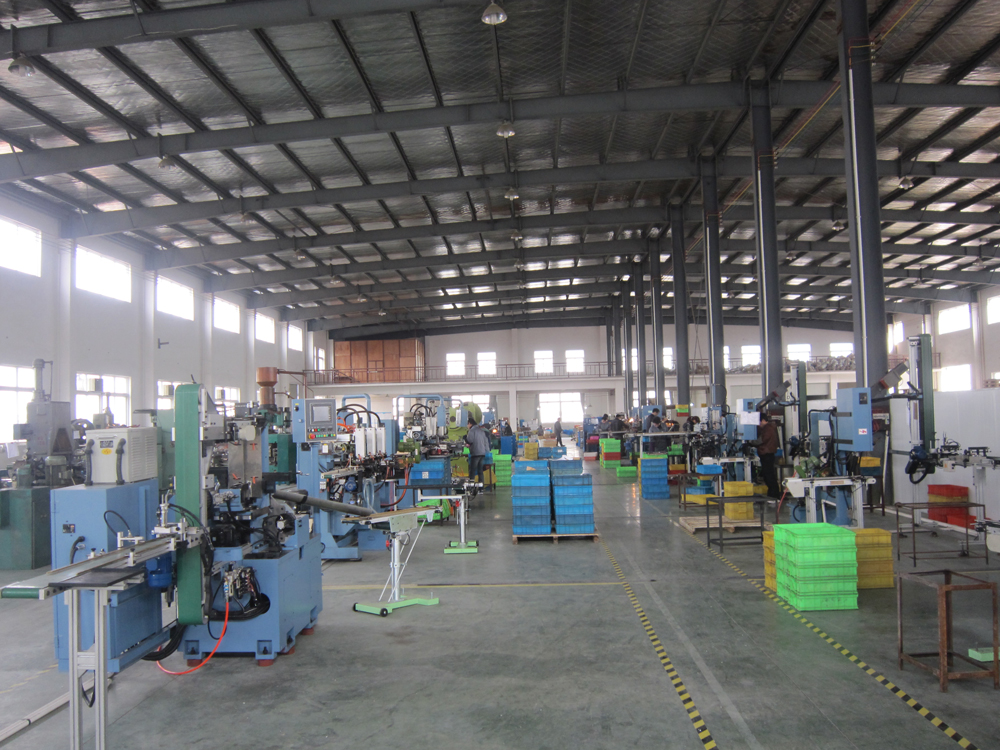
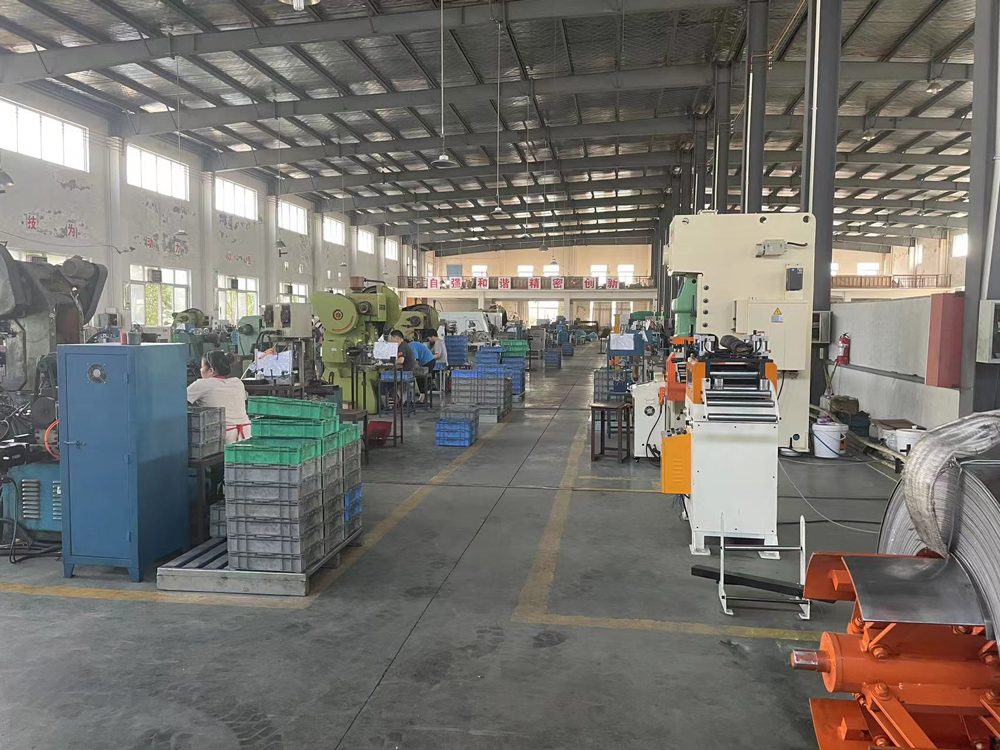
Guangzhou Vita Construction Machinery Co., Ltd. is a major industrial supplier combining manufacturing capabilities with foreign trade. Our modern factory is located in Xiangyang City, Hubei Province, spanning a 18,000 square meter workshop.
Equipped with advanced production machinery, we employ more than 278 well-trained, skilled workers and an engineering team of 8 experienced specialists. This structure ensures high product quality, short lead times, and accurate distribution support.
Our product range covers construction machinery components. We specialize in engine assemblies, hydraulic pumps, final drives, electric generators, crankshafts, engine valves, gear pumps, cylinders, filtration systems, undercarriage parts, and specialized heavy-duty attachments for excavators and bulldozers.
In construction and earthmoving, equipment reliability can make or break a project. We provide high-durability machinery parts engineered to keep your fleet running smoothly under extreme loads.
Beyond component supply, we offer engineering and maintenance development services. We assist clients in solving complex technical problems encountered during component installation and system operation.
Our dedicated maintenance team handles complex mechanical projects. When required, we can arrange for skilled field technicians to travel internationally to support customer site operations.
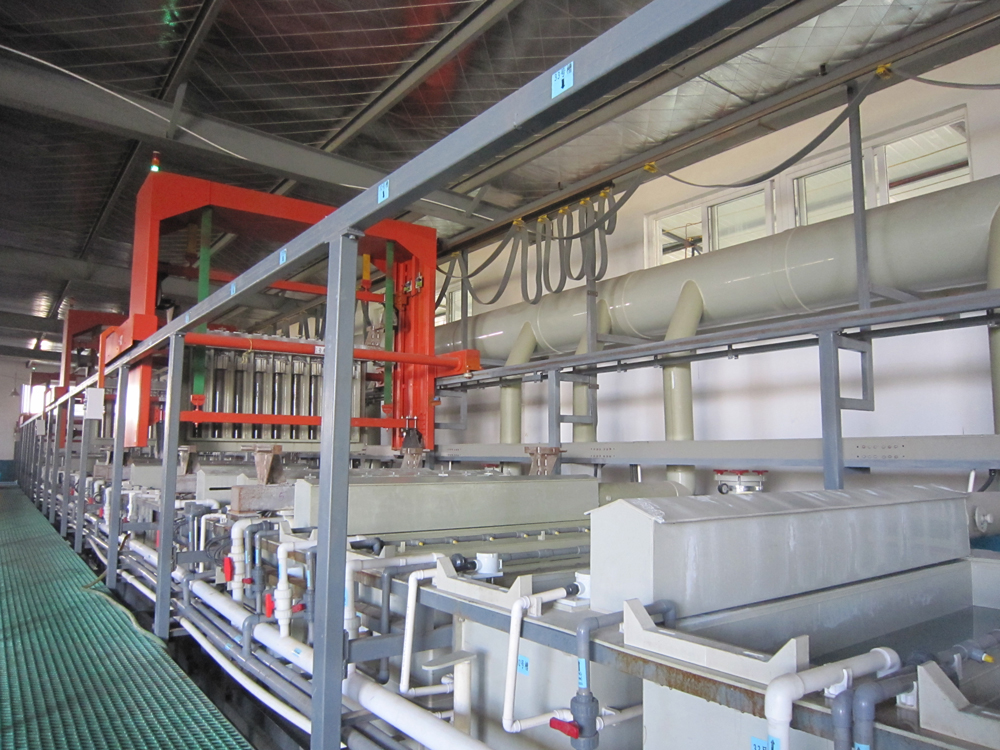
Inside our 18,000 m² heavy-machinery production floor, showcasing our tooling, fabrication systems, and quality control departments.
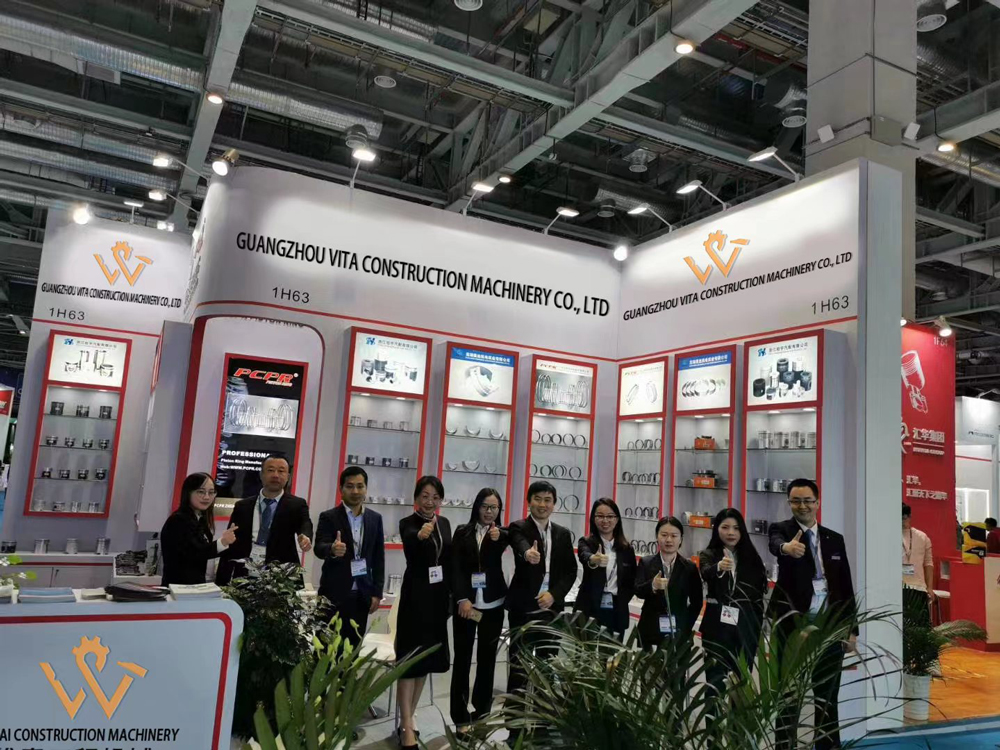
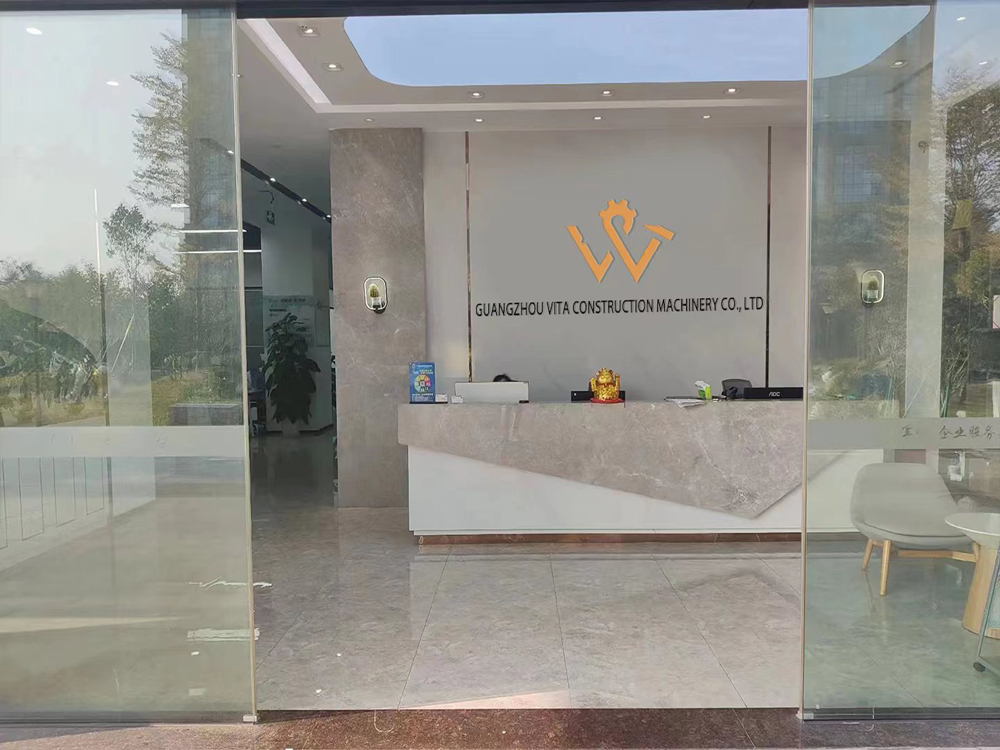


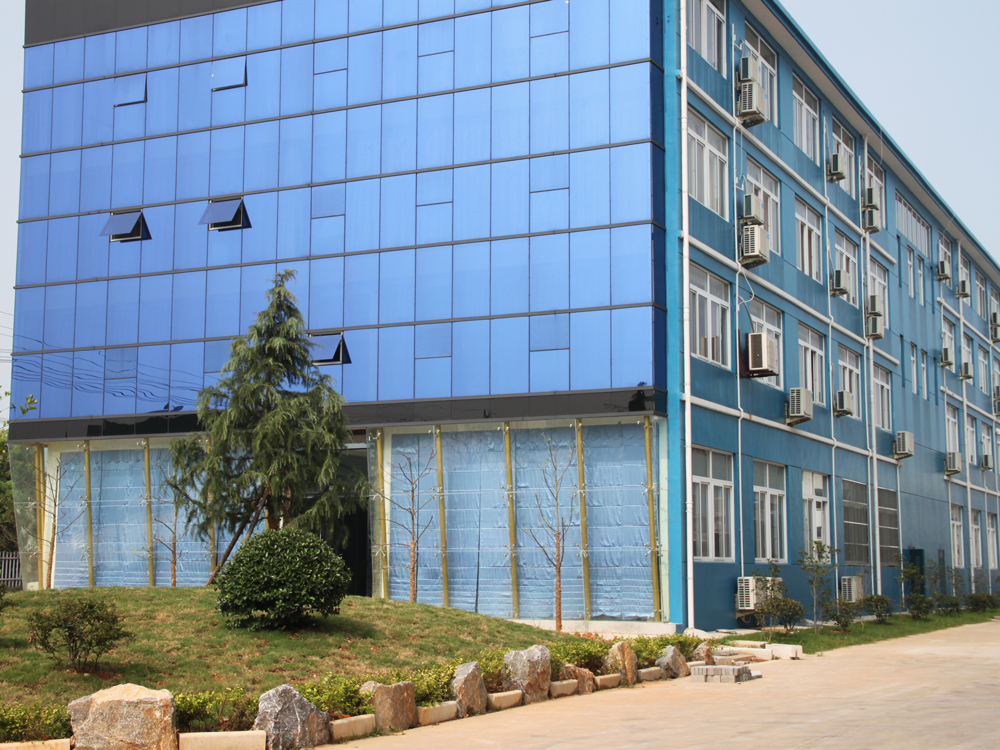
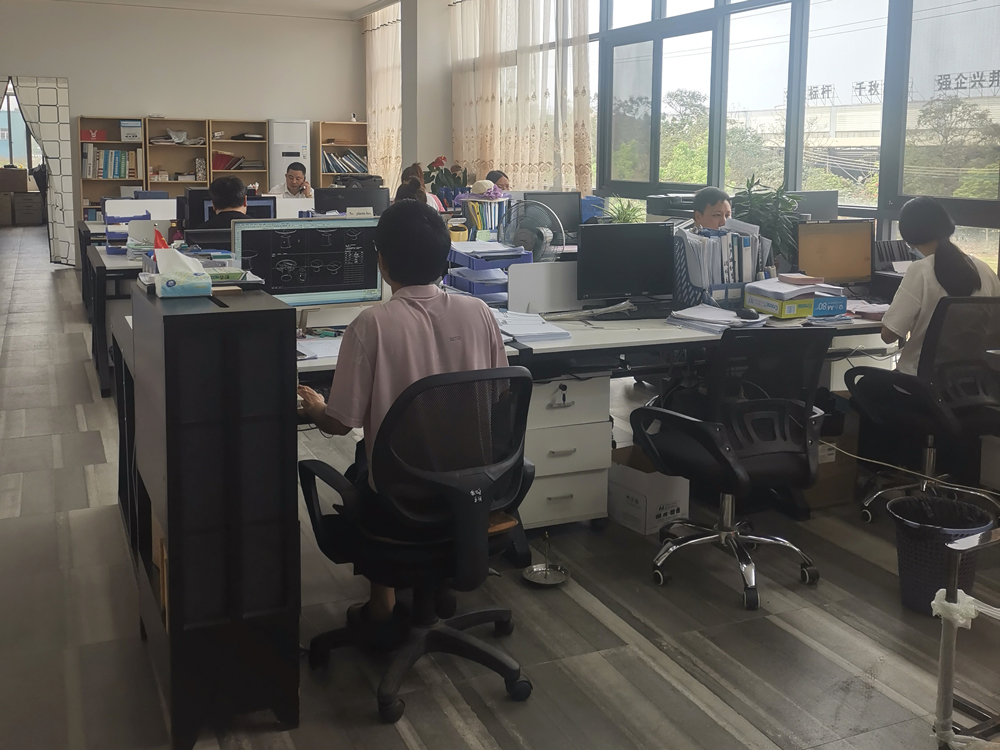
Mining operations, highway construction, and trenching projects frequently encounter mixed-hardness formations where traditional excavation machinery struggles. To maximize productivity, operators must choose attachments suited to their specific geological conditions:
In limestone or basalt quarries, using a standard bucket causes high tooth wear and slows production. A heavy-duty ripper bucket allows the operator to exploit natural fracture planes in the rock. By focusing power onto a narrow point of attack, it breaks up the rock layer by layer, preparing it for immediate loading.
In northern high-latitude regions, winter freezes soil into a concrete-like state. Ripper buckets designed with a sharp, high-penetration profile slice through frozen layers. This maintains progress during winter operations without needing expensive ground-thawing systems.
Utility trenching in urban areas requires precision near existing underground pipes. A narrow ripper bucket allows operators to cut clean trenches through asphalt, concrete, and rocky soil without damaging nearby infrastructure, reducing the need for hand tools.
The durability of a rock ripper bucket depends on its raw materials and welding quality. Guangzhou Vita Construction Machinery Co., Ltd. utilizes strict quality control guidelines to ensure consistent field performance:
The evolution of engineering standards, manufacturing processes, and smart technologies for excavator attachments.
Integrating next-generation high-durability steels like Hardox 550 and NM600 to reduce attachment weight while increasing resistance to wear and structural fatigue.
Optimizing shank angles through advanced structural modeling to maximize hydraulic power transfer and reduce fuel consumption during heavy ripping work.
Implementing robotic welding stations to ensure consistent joint quality and depth, minimizing the risk of weld failure under high-impact conditions.
Developing embedded telemetry sensors to monitor tooth wear and stress levels, providing real-time data to help fleet managers schedule preventative maintenance.
Importing heavy attachments requires careful supply chain management. Procurement teams must navigate international logistics, verify quality certifications, and ensure reliable support. Here are the key factors for a successful sourcing strategy:
Industrial buyers should prioritize manufacturers with certified quality management systems (such as ISO 9001:2015). This certification ensures clear material tracking, standardized welding, and consistent product dimensions across every production batch.
Shipping heavy steel components internationally requires heavy-duty packaging. Products must be secured on reinforced steel skids with protective wraps to prevent rust and transport damage, ensuring they arrive at their destination ready for installation.
A successful partnership goes beyond the initial sale. Leading manufacturers provide technical drawings, installation guides, and readily available replacement parts (such as pins, adapters, and wear plates) to minimize downtime for the end operator.
Common engineering and procurement questions regarding design, material selection, and field operation.
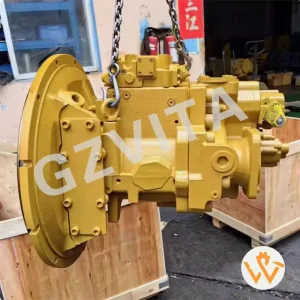
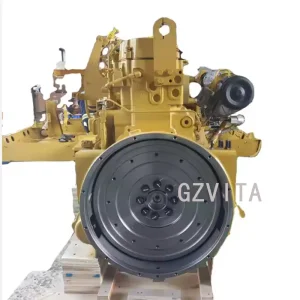
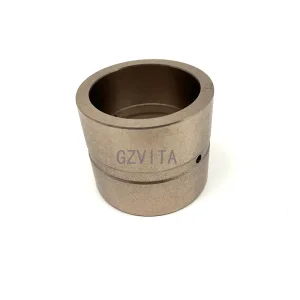
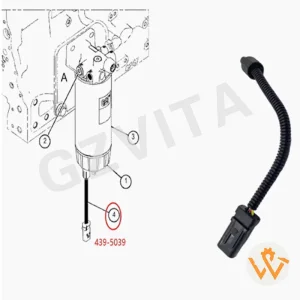
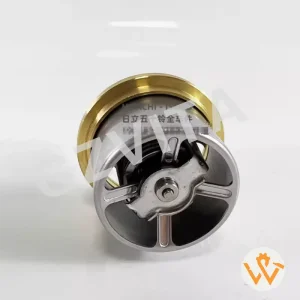
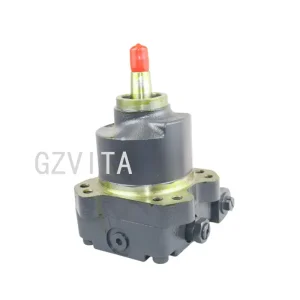
High-performance replacement parts engineered for hydraulic systems, main drives, and engine compartments.
 Vita Construction