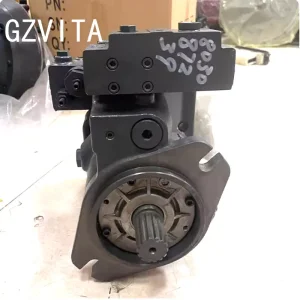
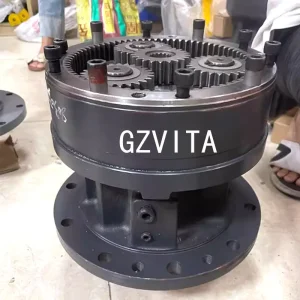
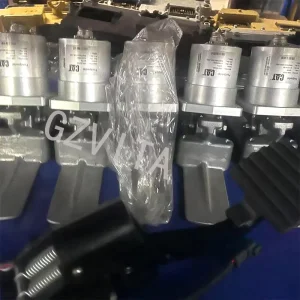
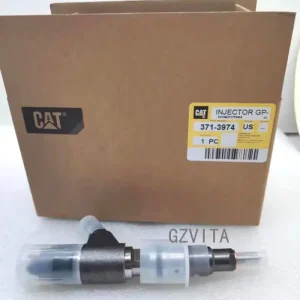
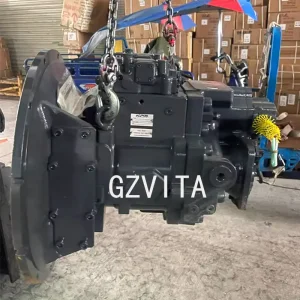
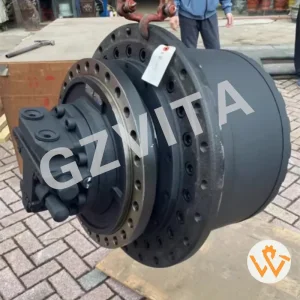
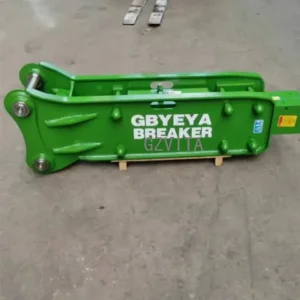
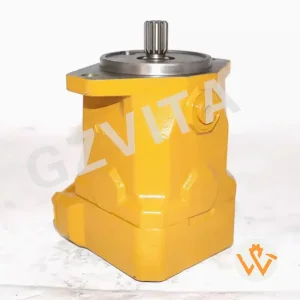
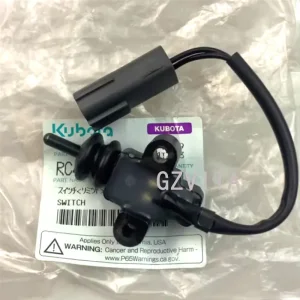
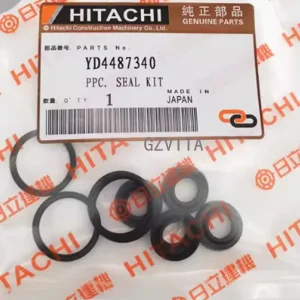
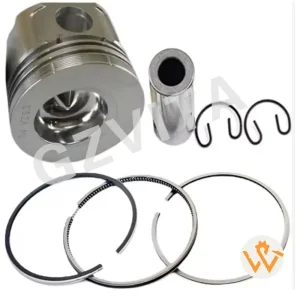
Explore our first selection of heavy equipment spare parts, high-pressure hydraulic components, and precision reducers direct from factory floors.
In modern industrial machinery and automotive drivetrains, the fuel injection system represents the lifeblood of engine efficiency. The relay fuel pump diagram serves as the critical logical map for electrical technicians and system design engineers. A fuel pump relay acts as an electromagnetic switch controlled by the Engine Control Unit (ECU), regulating high-current delivery directly to the electrical fuel pump without subjecting the sensitive electronic control board to dangerous electrical surges.
Understanding the standard 4-pin or 5-pin configuration is foundational for diagnosing power delivery faults. In typical heavy excavator electrical systems, relays are categorized by their terminal designations based on the German DIN standard 72552:
| Terminal Pin No. | Designation & Purpose | Typical Wiring Connection | Electrical Specification (24V System) |
|---|---|---|---|
| Pin 30 | High-Amp Input Power | Direct to battery (via fused link or circuit breaker) | Continuous load capacity up to 40A / 80A |
| Pin 85 | Control Coil Ground | Connected to ECU or safety switch circuit | Low-amp switching control (under 0.5A) |
| Pin 86 | Control Coil Trigger Power | Connected to ignition key lock or system relay power | Low-amp switching control (under 0.5A) |
| Pin 87 | Normally Open (N.O.) Load Output | Connected directly to the fuel pump motor harness | Active delivery line matching battery output |
| Pin 87a | Normally Closed (N.C.) Load Output | Secondary accessories or indicator warnings (if equipped) | Not active when the coil is energized |
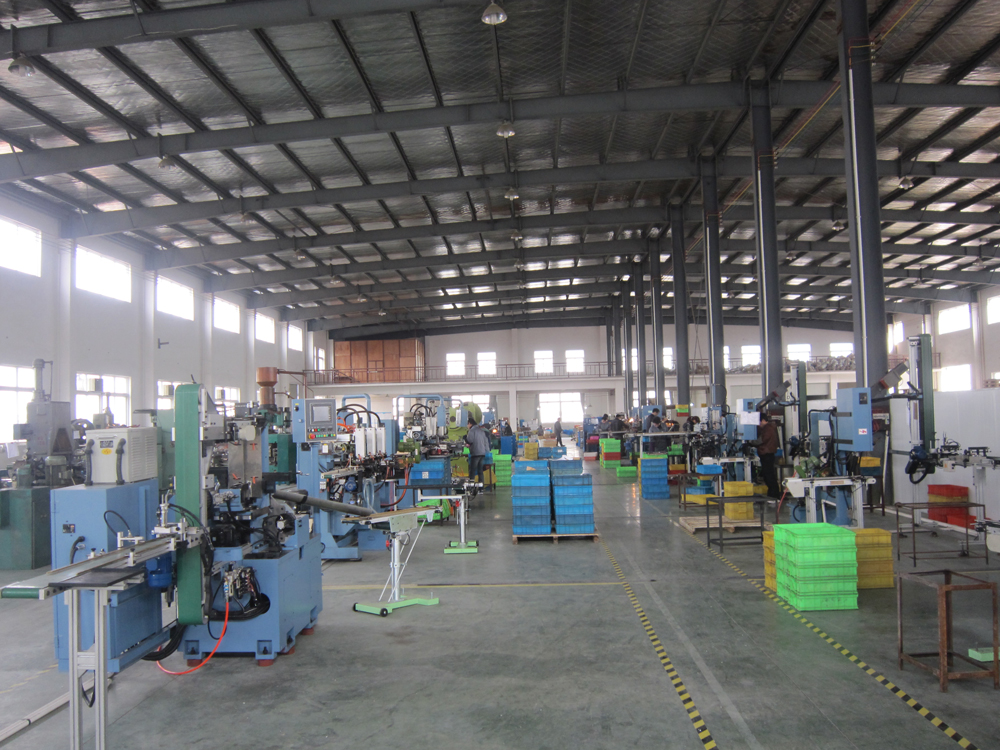
Guangzhou Vita Construction Machinery Co., Ltd. stands as one of the largest modern enterprises that seamlessly integrates high-end factory manufacturing with expert foreign trade distribution. Our manufacturing headquarters, located in the industrial heart of Xiangyang City, Hubei Province, spans a vast state-of-the-art facility of more than 18,000 square meters of workshop space.
Equipped with several advanced production machines, our facility is driven by a dedicated workforce of more than 278 well-trained and skilled assembly technicians and a core R&D team consisting of around 8 highly experienced mechanical and electrical engineers. Together, they guarantee robust quality control standards, rapid response manufacturing, and precise, punctual global shipping schedules.
We specialize in the engineering, design, development, and wholesale distribution of an exhaustive range of construction machinery parts. Our comprehensive catalog includes:
Our replacement parts are meticulously engineered to meet or exceed OEM specifications. We provide cross-compatible solutions for the world’s most demanding machinery brands, including: Komatsu, Volvo, Sumitomo, Caterpillar, Kubota, Hitachi, John Deere, Kobelco, Hyundai, Kato, Sany, XCMG, SUNWARD, and other major heavy machinery manufacturers.
Guangzhou Vita’s heavy industrial manufacturing floor, advanced tooling sectors, and quality assurance divisions.
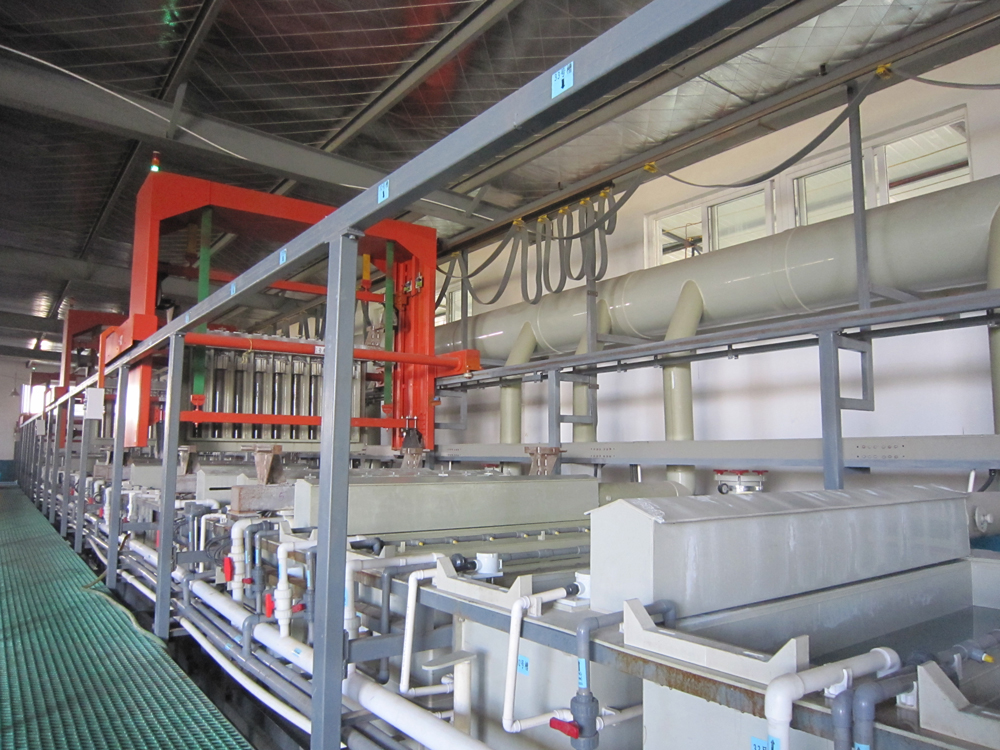
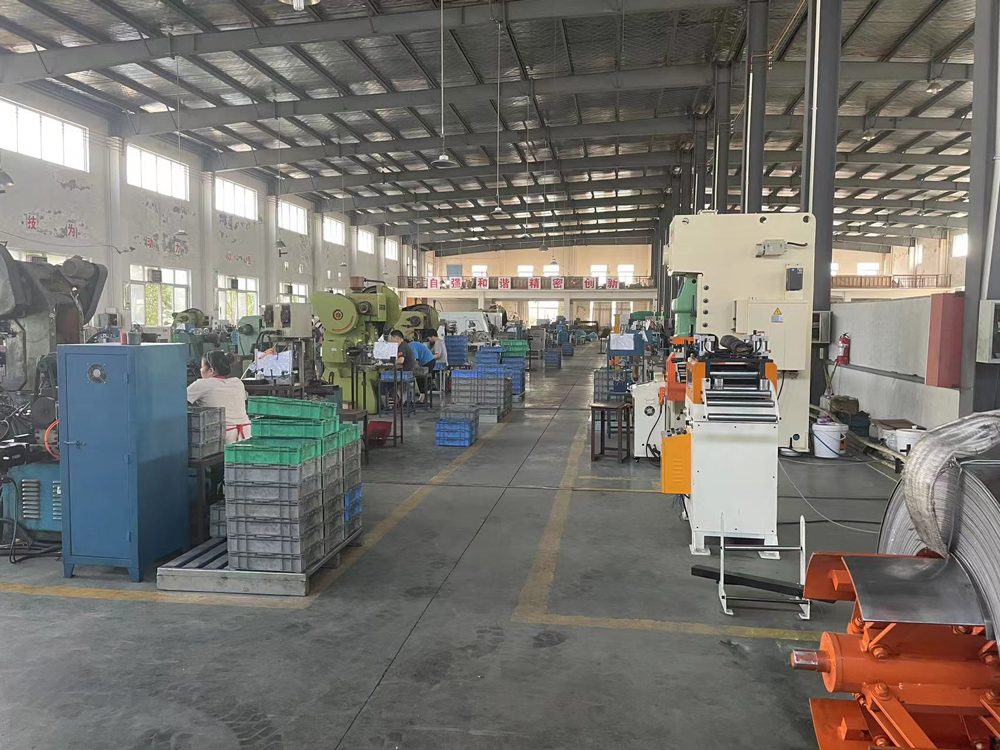
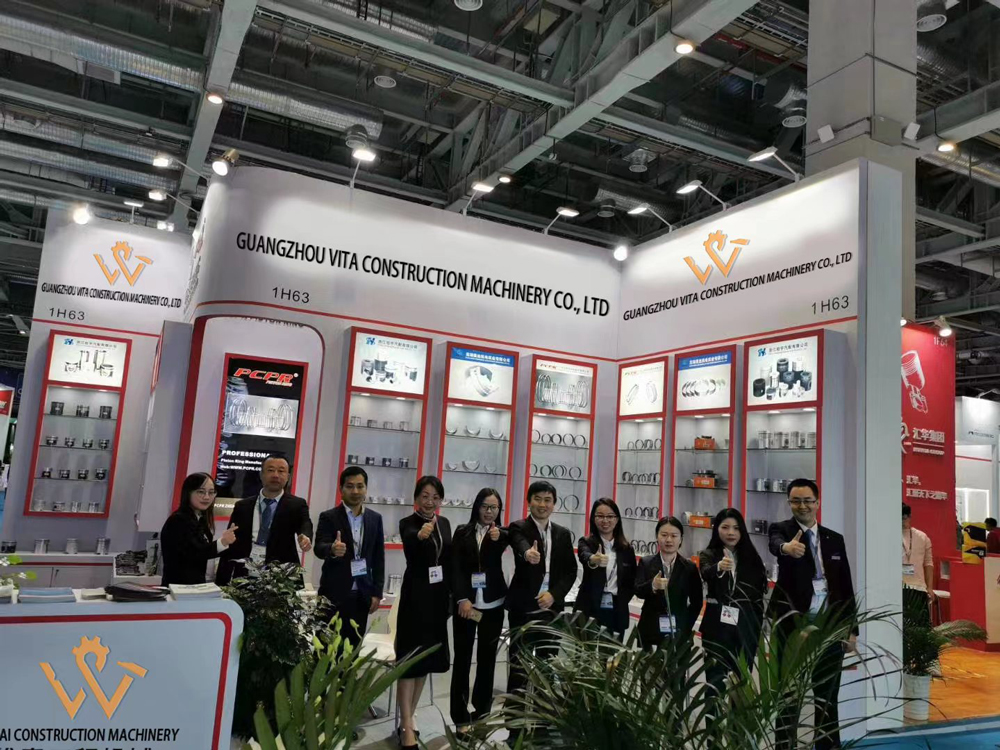
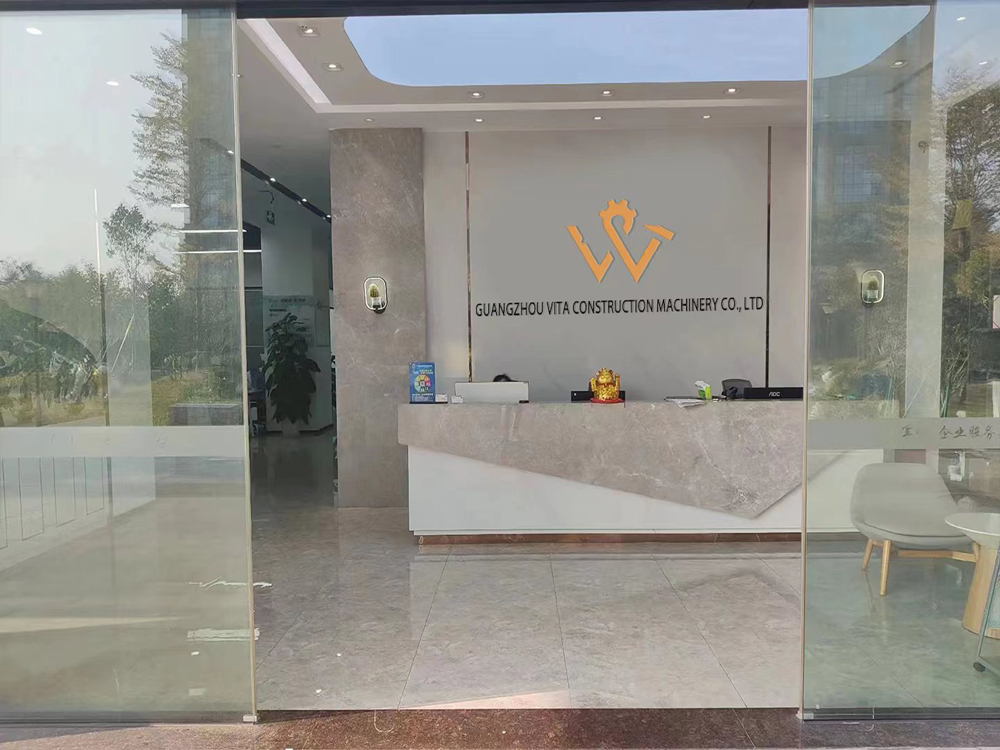



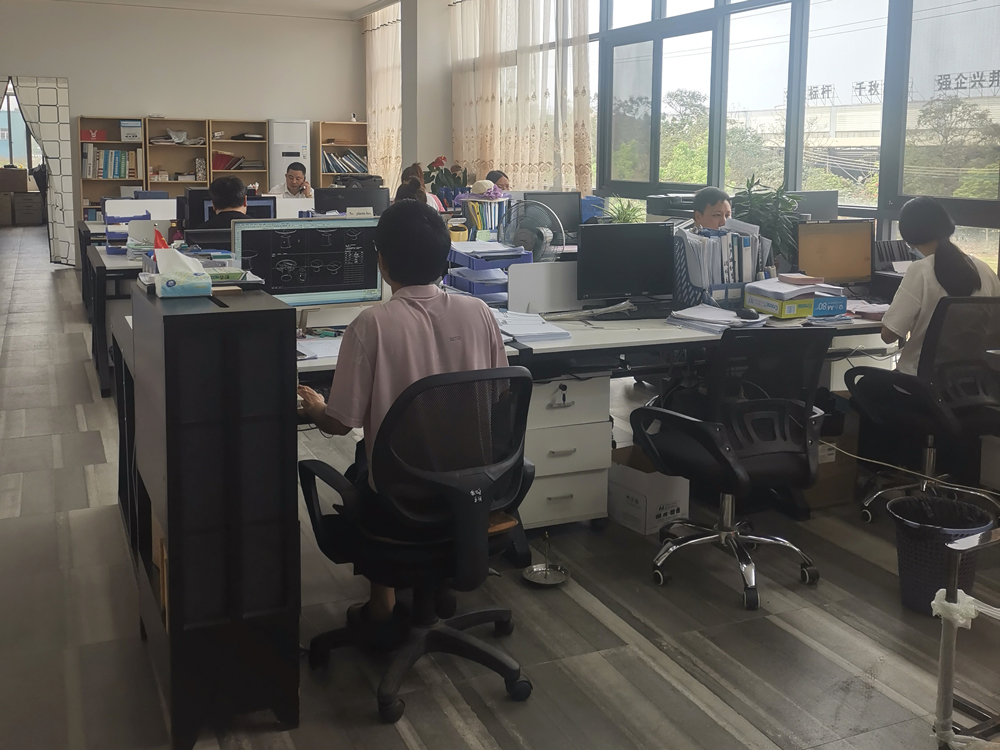
In the heavy industrial engineering sector, component failures directly translate to expensive machine downtime. Sourcing high-grade parts requires confidence in manufacturing engineering, materials science, and testing protocols. Our advantage lies in combining end-to-end component engineering with on-site deployment assistance.
In the fast-paced world of construction, the reliability and efficiency of your machinery can make or break a project. We understand that high-quality parts are essential for optimal performance. Thus, we focus on producing top-notch construction machinery parts that keep customer machinery running smoothly without unexpected shutdowns.
To improve our service and add value, we have set up a dedicated engine maintenance and diagnostics division. In addition to manufacturing and providing customers with high-performance engine assemblies, we actively help customers solve complex technical problems encountered during field operation and machine assembly.
We host our own professional maintenance and testing team. Our field services go beyond remote consulting; our engineers are frequently invited by international clients to go abroad, performing on-site engine diagnostics, electrical mapping, and hydraulic overhauls on location.
The global heavy machinery sector is undergoing a major shift. The demand for reliable 24V relays, fuel pump control systems, and high-efficiency diesel common-rail injectors has risen due to stricter emissions regulations (such as US EPA Tier 4 Final and EU Stage V) and the growing emphasis on asset utilization.
B2B procurement departments in mining operations, heavy civil construction, and logistics fleets face complex supply chain challenges. Procuring sub-standard electrical components often leads to high-resistance contacts, premature coil failures, and unexpected machine shutdowns on critical sites. Our integrated solution focuses on establishing supply chain consistency, minimizing lead times, and ensuring component traceability from the raw material phase through packaging and dispatch.
One common design challenge in heavy machinery electrical assemblies is voltage drop. When a fuel pump relay circuit is poorly designed or uses sub-optimal wiring paths, high resistance develops over the harness. A minor voltage drop of even 1.5V on a 24V fuel pump system can reduce the fuel pump motor's flow capacity by up to 15%. This restriction starves the high-pressure common rail injector, causing power losses, engine knock, and excessive component wear.
By using optimized heavy-gauge wire pathways, gold-plated contacts on low-amp control loops (Pins 85-86), and heavy-duty alloy contacts on primary circuit switches (Pins 30-87), we minimize resistance. Our relays and electrical control kits prevent heat buildup, ensuring stable performance in environments ranging from sub-zero arctic mining sites to high-temperature desert construction zones.
Conventional electromechanical relays use copper electromagnetic coils and mechanical contact points to route high-current loads. While reliable and cost-effective, mechanical contact points are subject to wear, arcing, and pitting over millions of cycles. Our technical roadmap focuses on the transition toward solid-state power management and smart integration:
Heavy machinery parts exported globally must comply with rigorous electrical and environmental standards. Our engineering team designs components in alignment with international standard frameworks to ensure simple integration and regulatory compliance:
To support global distributors, we provide complete technical documentation, including wiring schematics, structural blueprints, and detailed catalog manuals in multiple languages, facilitating smooth local integration and customs clearance.
Explore our second selection of heavy excavator repair kits, final drives, breakers, and high-precision electronic boards.
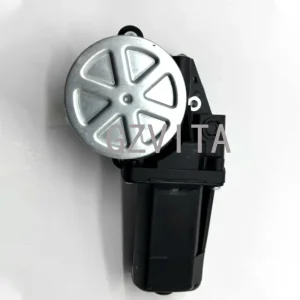
 Vita Construction