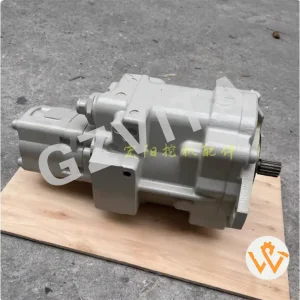
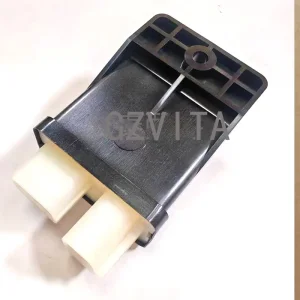
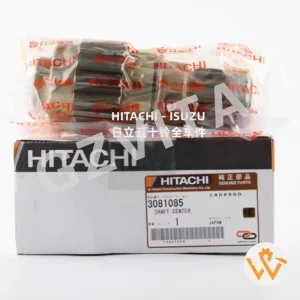
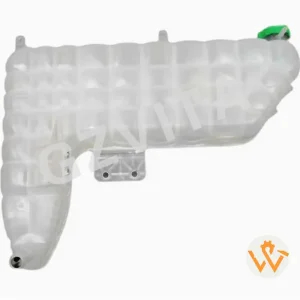
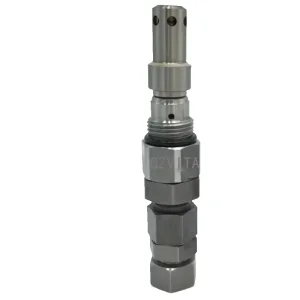
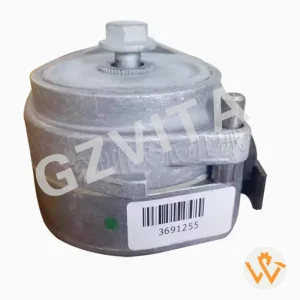
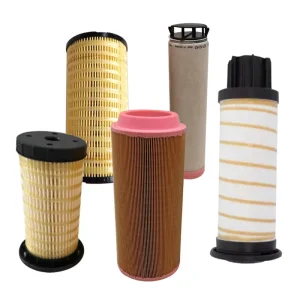
Explore our featured heavy equipment components, built to withstand extreme dynamic pressure variations and seamlessly integrate with advanced Siemens sensor loops.
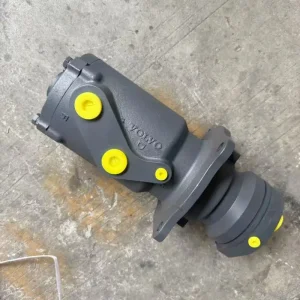
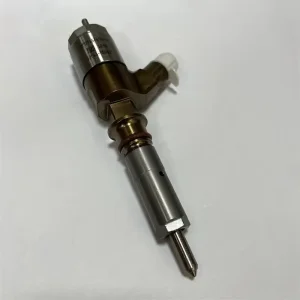
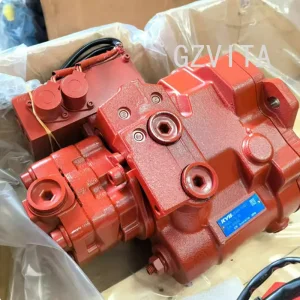
Modern automation engineering demands uncompromising accuracy under harsh operating envelopes. In process industries, hydraulic systems, and infrastructure networks, pressure sensors function as the nerve endings of control systems. Implementing Siemens SITRANS P and QBE series transmitters represents the pinnacle of instrument engineering, driving plant efficiency and preventative safety networks.
Within chemical and petrochemical processing plants, pressure transmitters monitor absolute, gauge, and differential pressure across kilometers of piping. Siemens P320 and P420 series sensors feature hazardous area certifications (ATEX, IECEx) and SIL2/3 functional safety ratings. Integrating these systems reduces manual loops, increases raw material yield, and minimizes plant downtime.
In heavy civil machinery and industrial presses, hydraulic oil lines experience severe dynamic loads exceeding 400 bar. High-frequency pressure transducers are critical to prevent system failure. Incorporating durable piezoelectric elements with high overpressure limits protects machinery against transient hydraulic shocks and cavitation damage.
For modern smart-city infrastructure, optimizing centralized heating, ventilation, air conditioning (HVAC), and municipal water loops demands high-precision, low-cost absolute transmitters. Siemens QBE sensors enable closed-loop pressure monitoring in smart utility lines, interfacing directly with Building Management Systems (BMS).
Procuring industrial instrumentation at scale requires an understanding of wholesale distributions, lead-time optimizations, and global supply chain strategies. Industrial buyers and engineering procurement firms face volatile supply dynamics that necessitate structured supplier partnerships.
| Procurement Factor | Standard Channel Issues | Strategic Sourcing Solutions | Operational Impact |
|---|---|---|---|
| Lead-Time Optimization | 12–26 week production delays for customized pressure cells. | Pre-allocated factory allotments and stock buffers in localized trade hubs. | Project commissioning speed is enhanced by up to 45%. |
| Calibration Compliance | Non-standard baseline drift during maritime transport and storage. | Pre-shipment verification and custom HART protocol configuration. | Immediate drop-in installation without field calibration delays. |
| Cost Control (Wholesale) | Tiered pricing structures that penalize low-volume spot-buys. | Annualized volume contracts covering multi-project deployments. | Procurement cost reductions of 15% to 22% compared to retail channels. |
By working with specialized trading factories like Guangzhou Vita Construction Machinery Co., Ltd., global buyers bridge the gap between heavy components manufacturing and specialized process control instrumentation. With robust assembly lines and distribution facilities spanning over 18,000 square meters, industrial operators secure consistent, reliable components for diverse machine fleets.
Integrating heavy-duty manufacturing capacity with comprehensive global trade capabilities.
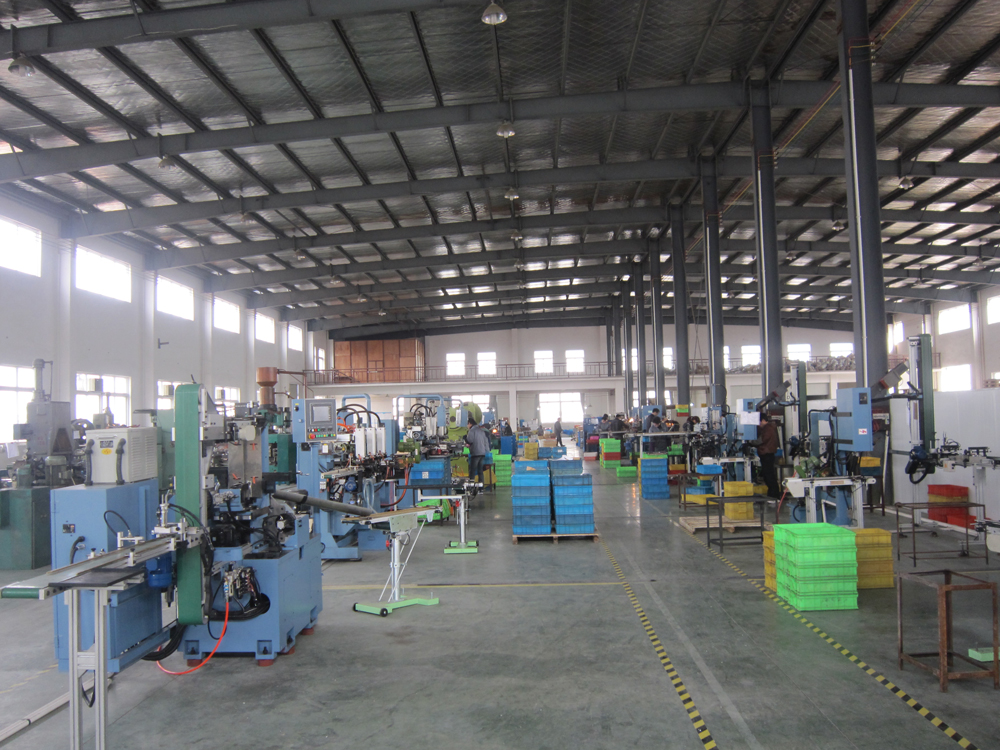
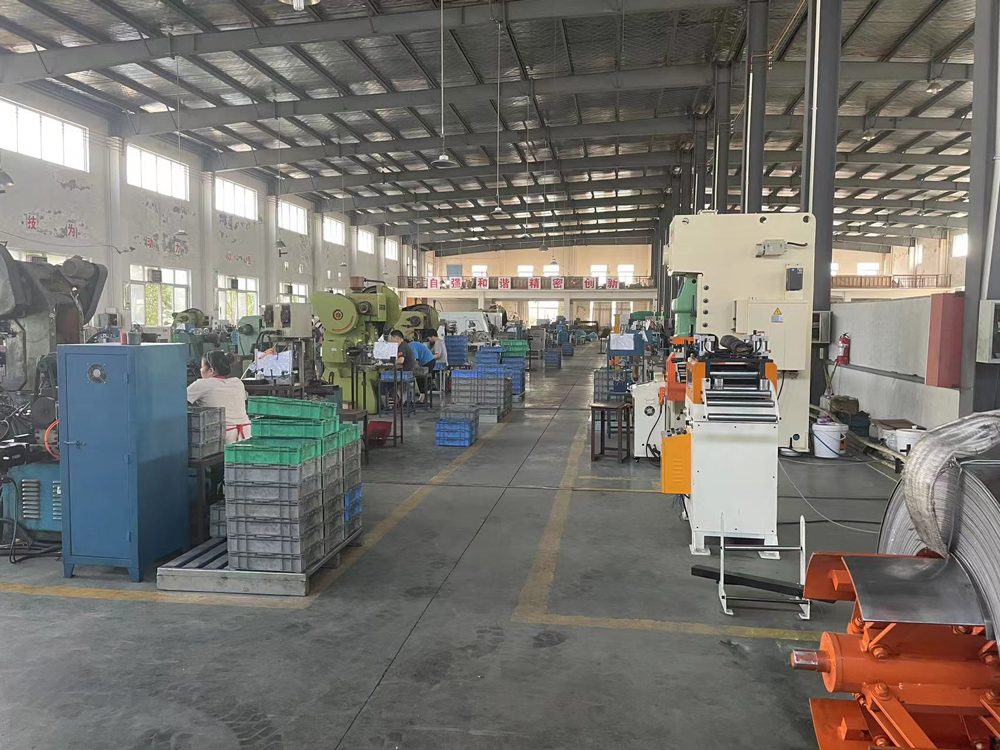
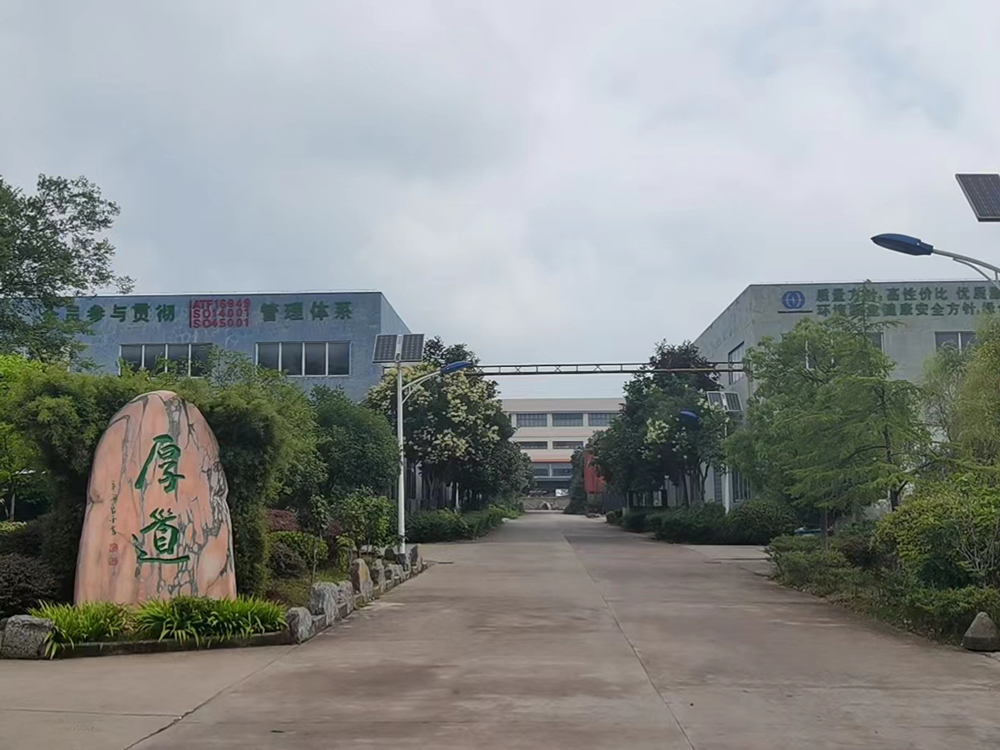
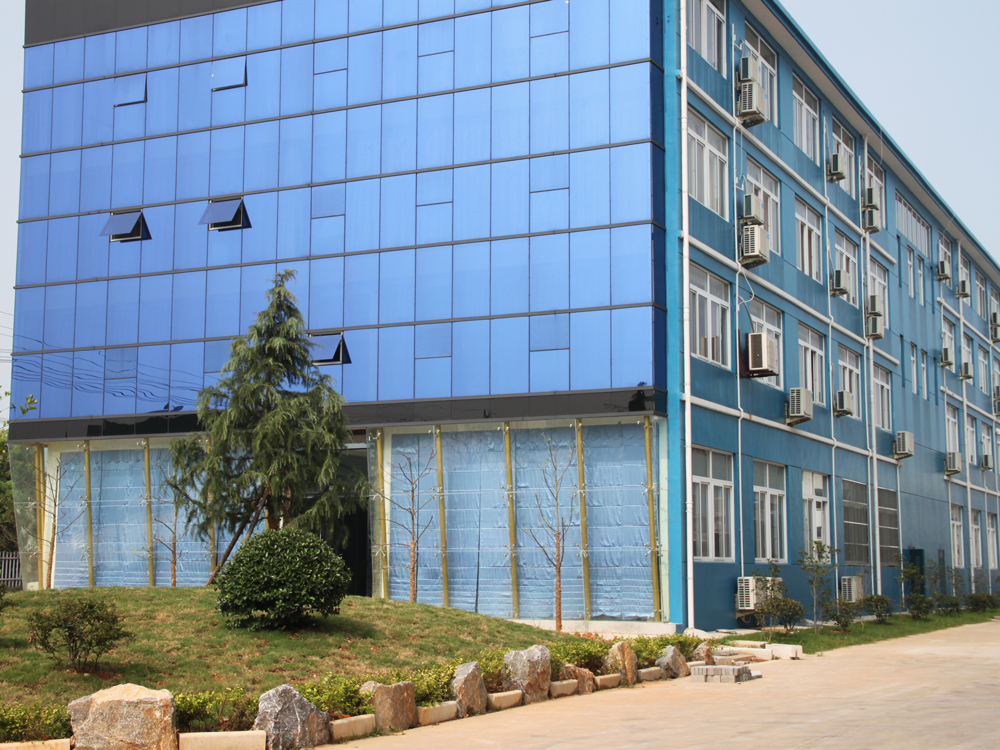
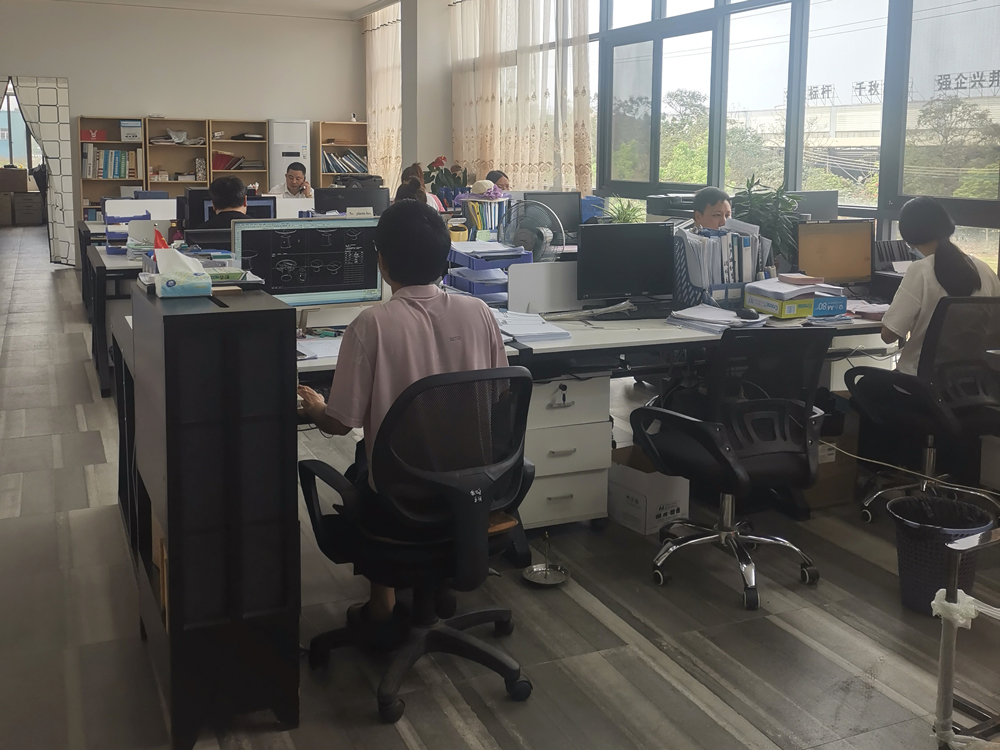
Guangzhou Vita Construction Machinery Co., Ltd. is one of the largest companies combining factory production and international trade operations. Our main factory is strategically located in Xiangyang City, Hubei Province, featuring an extensive workshop of more than 18,000 square meters. Equipped with advanced machinery, a workforce of over 278 well-trained, skilled workers, and 8 highly experienced engineers, we guarantee superior product quality, fast processing speeds, and accurate delivery timelines.
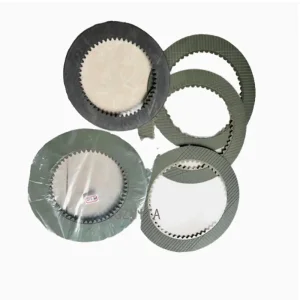
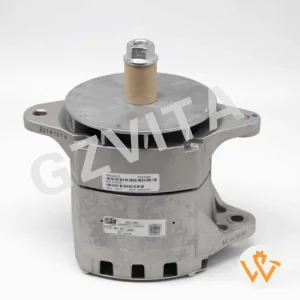
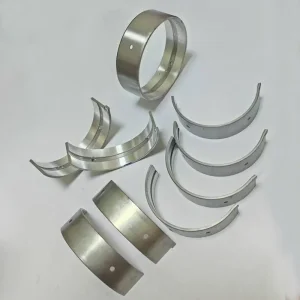
We specialize in developing, manufacturing, and distributing a full spectrum of construction machinery parts. Our capabilities cover engine assemblies, hydraulic pumps, final drives, electrical generating sets, engine bearings (Main and Connecting Rod series), crankshafts, engine valves, gear pumps, cylinders, specialized filters, excavator buckets, and robust undercarriage parts. These parts serve as direct replacements for industry leaders like Komatsu, Volvo, Sumitomo, Caterpillar, Kubota, Hitachi, John Deere, Kobelco, Hyundai, Kato, Sany, XCMG, and SUNWARD.
In high-intensity construction and process operations, component reliability directly impacts your project's bottom line. We prioritize strict material testing and precision machining to deliver parts that maintain operational continuity in the field.
Beyond manufacturing, we offer diagnostic support. Our engine maintenance and development department helps clients troubleshoot integration challenges and system assembly issues.
We field an expert field service division. Our technicians can travel to customer locations worldwide to assist with engine rebuilds, system calibration, and hydraulic tuning.
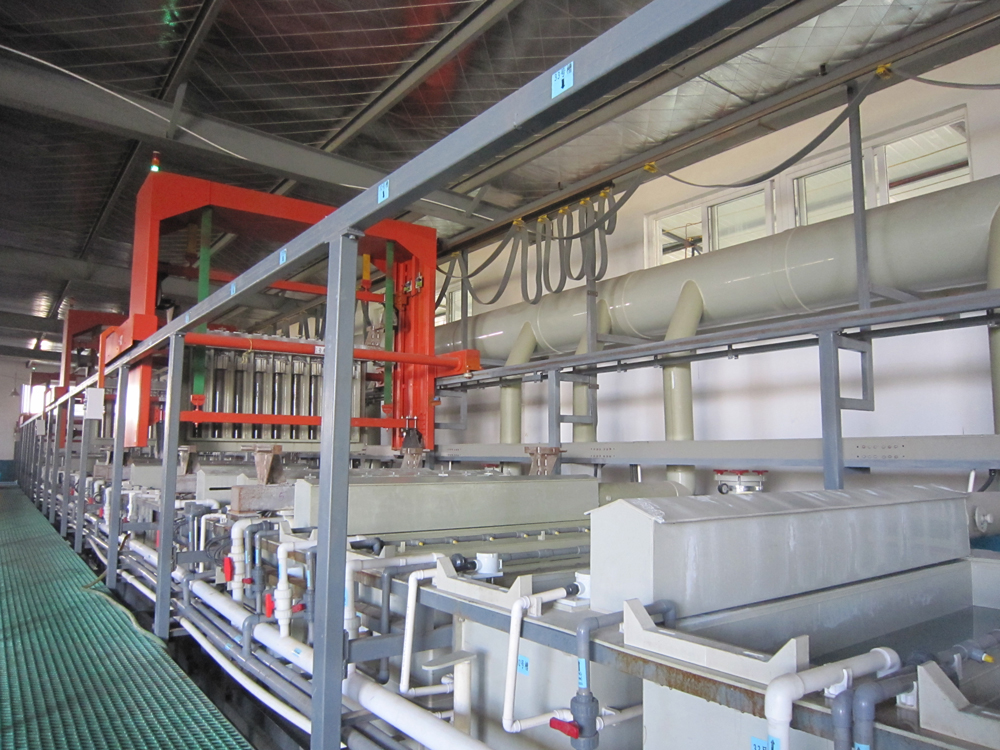
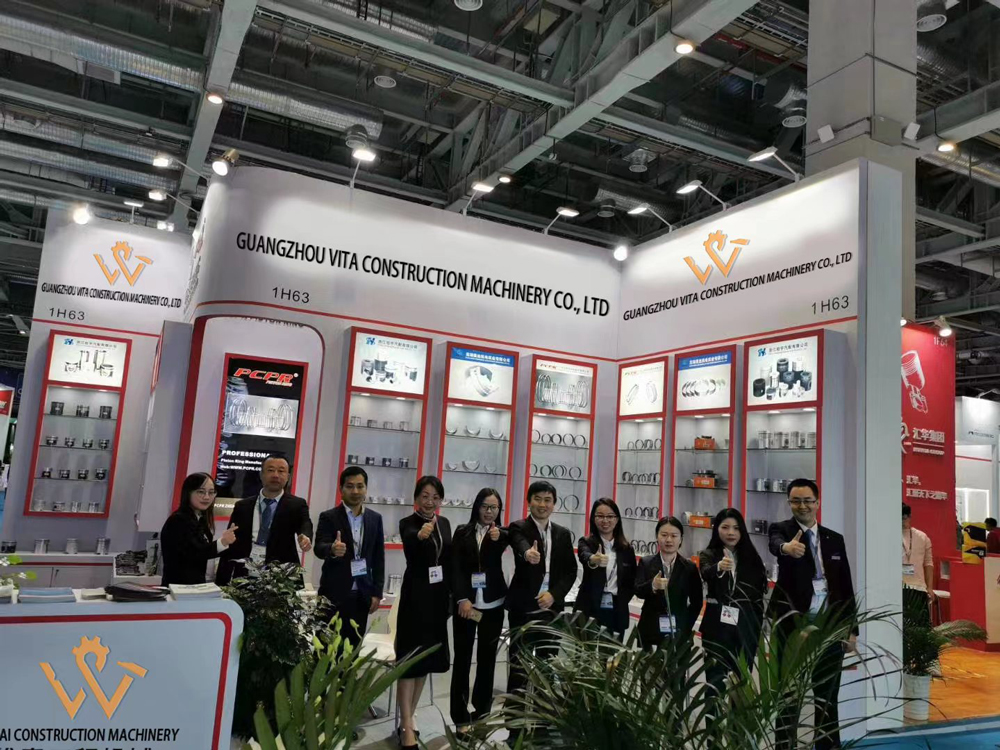
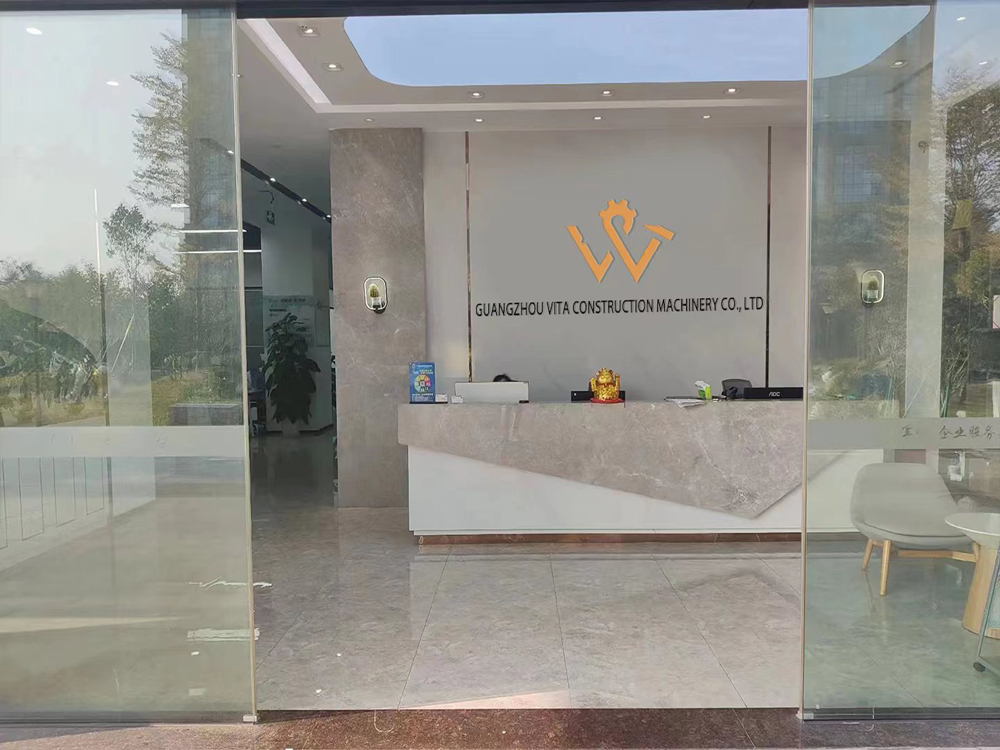
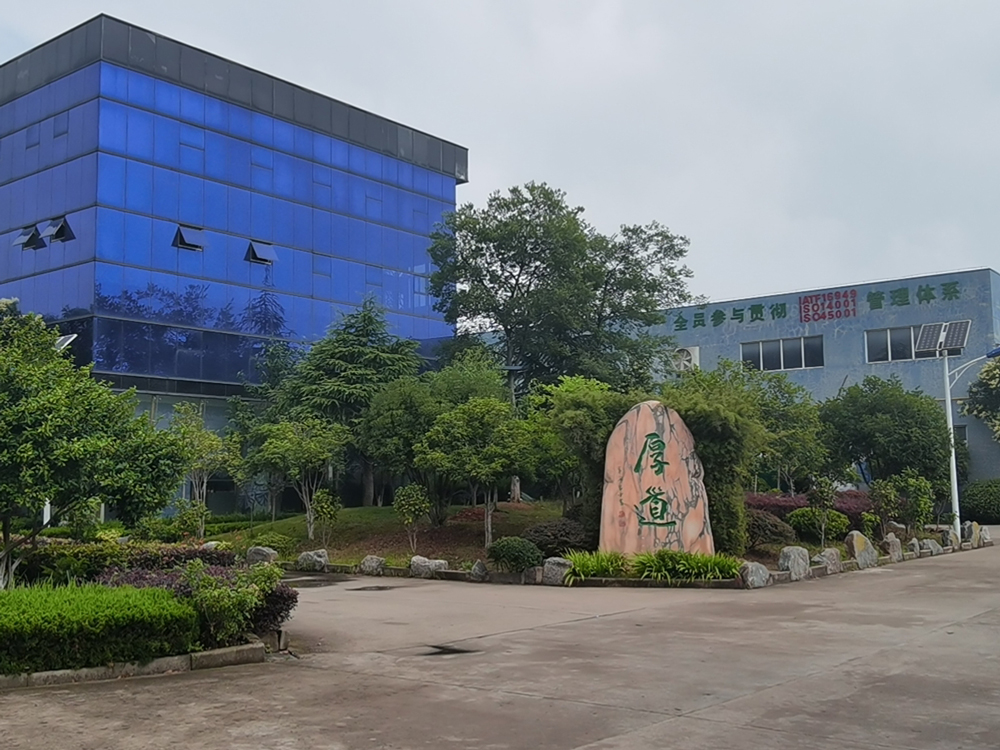
A visual walkthrough of our high-precision production environment in Hubei, housing automated machining setups, QC bays, and extensive inventory lines.
Deploying pressure measurement systems internationally requires strict adherence to regional safety and measurement regulations. Siemens pressure sensors are designed to meet standard regulatory compliance checks worldwide.
In the USA and Canada, industrial facilities require compliance with ANSI/ISA standards, UL listed certifications, and CSA evaluations. The SITRANS P series features dual certification options, allowing for smooth integration into North American pipelines and processing plants without code infractions.
Sourcing within the EU demands strict adherence to the ATEX directive (for explosive atmospheres), PED (Pressure Equipment Directive), and CE markings. Our wholesale partners ensure that all instrumentation packages are shipped with compliant documentation, material test reports (EN 10204-3.1), and CE tags.
Across the Asia-Pacific region, localized certifications such as NEPSI (China), KCs (Korea), and TIIS (Japan) govern hazardous area installations. Strategic wholesale operations provide regional calibration certificates and local language manuals to facilitate system validation.
Siemens pressure transmitters leverage advanced microcontroller units (MCU) to compensate for thermal drift and static pressure effects. In wholesale distribution workflows, maintaining this accuracy requires precise handling:
Connecting industrial sensor loops with heavy mechanical components optimizes excavator control, hydraulic power transmission, and engine management.
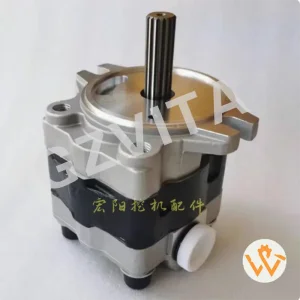
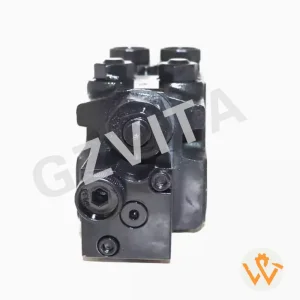
In machinery like the Volvo EC220D or Caterpillar E320, main hydraulic pumps (such as the PSVD2 or PSVL2 series) work under rapid cycle times. Integrating pressure sensors directly at the pump ports allows control units to adjust flow in real time. This minimizes energy consumption and prevents line ruptures.
Diesel engines (like the CAT C6.4 or John Deere series) rely on constant fuel injection pressures to maintain emissions compliance. Monitoring high-pressure fuel lines using robust sensors helps identify injector failures early, preventing engine damage and reducing fuel consumption.
Excavators working in remote areas face challenging thermal conditions. Combining cooling water tanks with pressure and temperature sensors allows operators to monitor cooling system pressure. This prevents overheating and helps avoid unexpected engine downtime.
Industrial pressure monitoring is shifting from simple analog telemetry to intelligent edge-computing nodes. Siemens is leading this transition, incorporating advanced digital architectures that change how data is processed in the field.
Next-generation pressure cells will do more than transmit measurement values. They will monitor their own health, analyzing vibration profiles and pressure spikes at the edge to predict wear. This shift moves maintenance schedules from scheduled checks to condition-based, predictive service.
Replacing complex multi-core cabling with IO-Link digital buses or WirelessHART loops simplifies installation in industrial facilities. This change cuts installation costs, minimizes electrical noise interference, and makes field upgrades simpler.
For high-temperature and highly corrosive chemical applications, silicon-on-sapphire (SoS) elements offer excellent stability. This sensor design resists thermal shocks and pressure surges, helping extend sensor service life in challenging environments.
Answers to common technical queries about industrial pressure sensors, sourcing options, and excavator integration.
Reliable components built to withstand high pressures, ensuring system compatibility and long-term durability in challenging working conditions.
 Vita Construction