
Understanding the engineering complexities, mechanical demands, and thermodynamic behaviors of critical combustion cores.
In the high-intensity theater of heavy construction and earthmoving, the internal combustion engine is the sole source of work capacity. At the heart of this power plant lies the engine block—the central structure that contains the intense energy of ignition, houses the reciprocating components, and channels vital heat transfer. As global engine emission requirements tighten and power density demands increase, standard off-the-shelf cast units often fall short. This is where customized, high-precision engine block components become essential.
Custom engine block components—including cylinder blocks, liners, main bearings, crankshafts, and integrated valve assemblies—must withstand extreme mechanical pressures and cyclic thermal loading. Under high combustion pressures (often exceeding 200 bar in modern turbocharged diesel engines), the block undergoes complex stresses. Sourcing these components requires an understanding of advanced metallurgy, micro-tolerance machining, and structural configuration.
"Reliability in the field depends directly on the structural integrity of the cylinder block casting. Even micro-scale porosity can lead to block cracking under long-term thermal cycling."
How global buyers optimize lead times, verify structural standards, and maintain fleet operational readiness.
Procuring heavy machinery components on a global scale involves navigating volatile logistics, differing manufacturing standards, and fluctuating material qualities. For fleet managers, mining operations, and large-scale contractors, sourcing components that match OEM performance is key to minimizing downtime. A single day of an excavator being offline due to a failed crankshaft or a cracked cylinder block can cost thousands of dollars in lost productivity.
Guangzhou Vita Construction Machinery Co., Ltd. addresses these procurement challenges through an integrated business model that combines direct manufacturing with international trading. By operating a modern production facility in Xiangyang City, Hubei Province, and a trading office in Guangzhou, the company controls the entire process—from initial metallurgical casting to final logistics delivery.
In the construction machinery sector, component reliability determines project success. Every batch of castings undergoes non-destructive ultrasonic testing and coordinate measuring machine (CMM) verification to check that all dimensions conform strictly to original equipment standards.
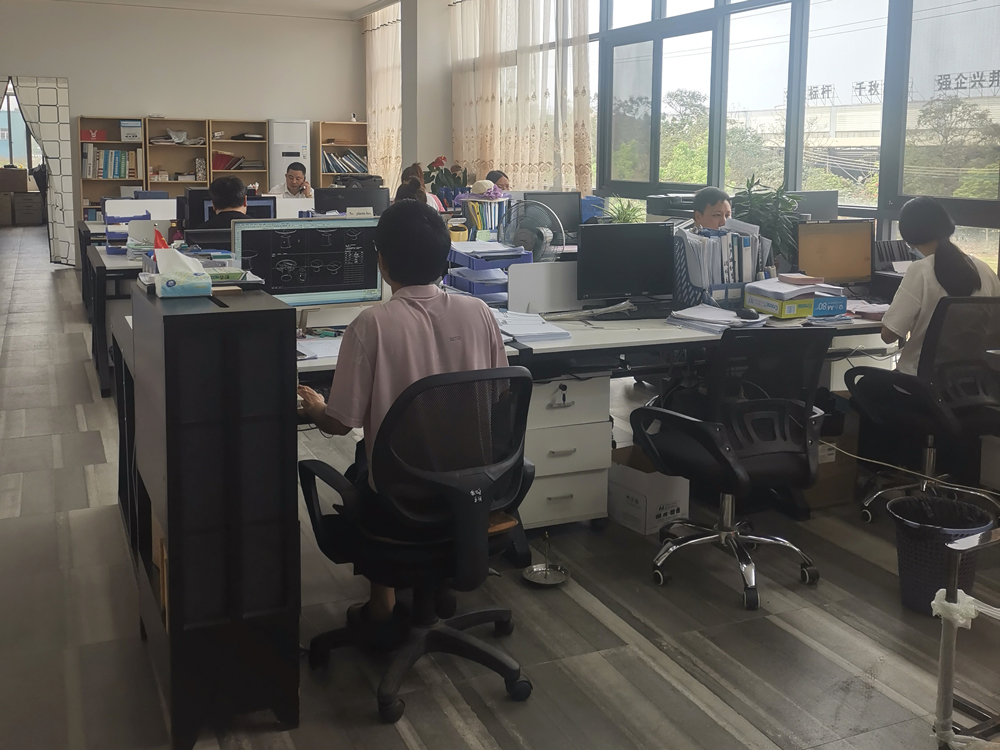
Guangzhou Vita provides engineering and technical support alongside part supply. The dedicated engine maintenance development division helps clients solve assembly integration issues and diagnose root causes of field failures.
To support clients operating in remote or demanding environments, Guangzhou Vita maintains a professional maintenance team. Technicians can be deployed internationally to assist with complex engine rebuilds and diagnostic procedures.
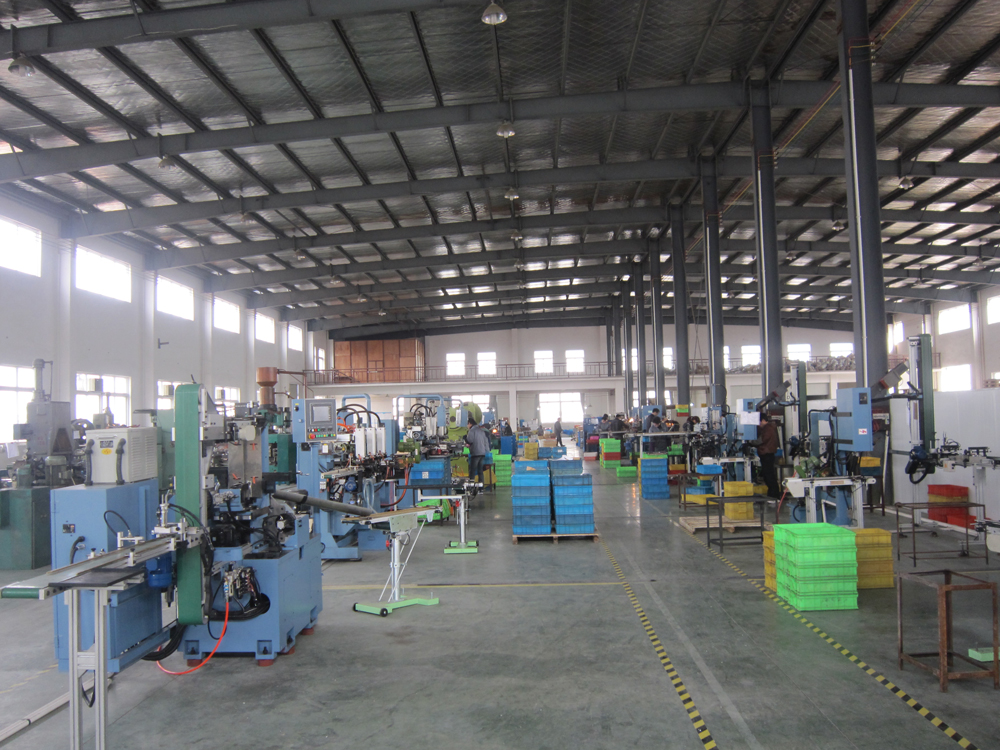
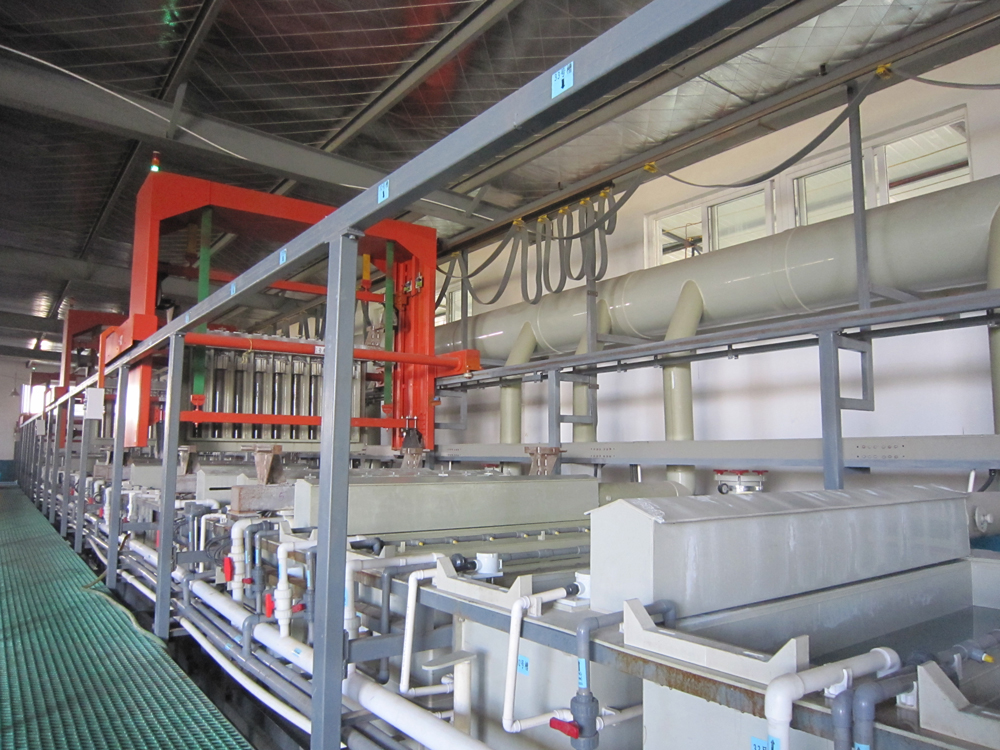
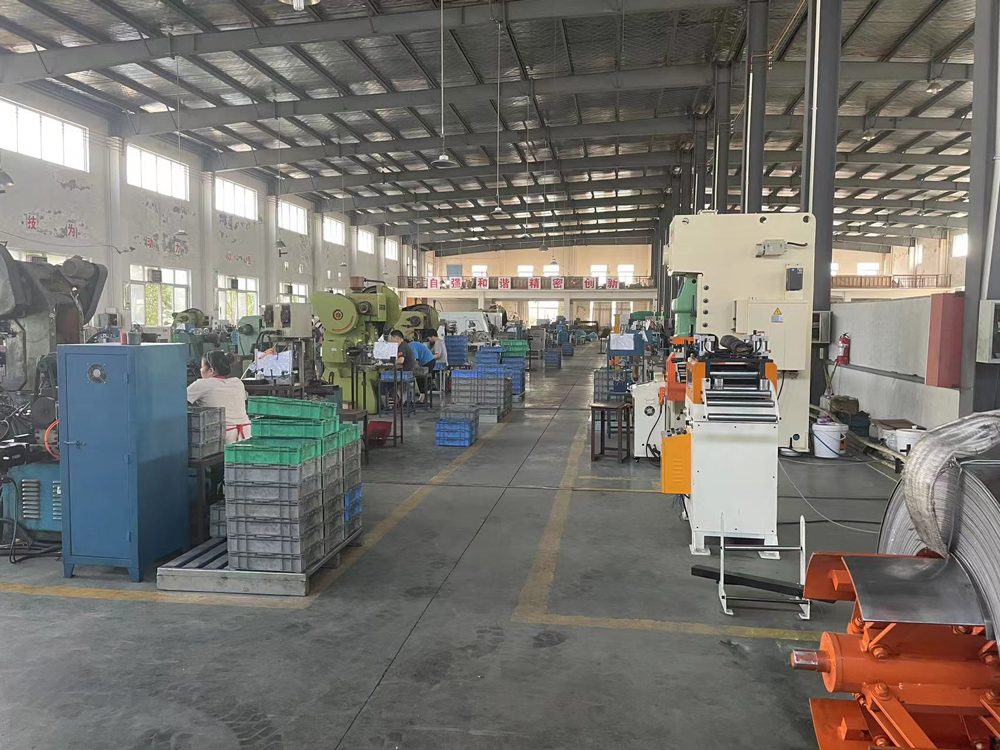
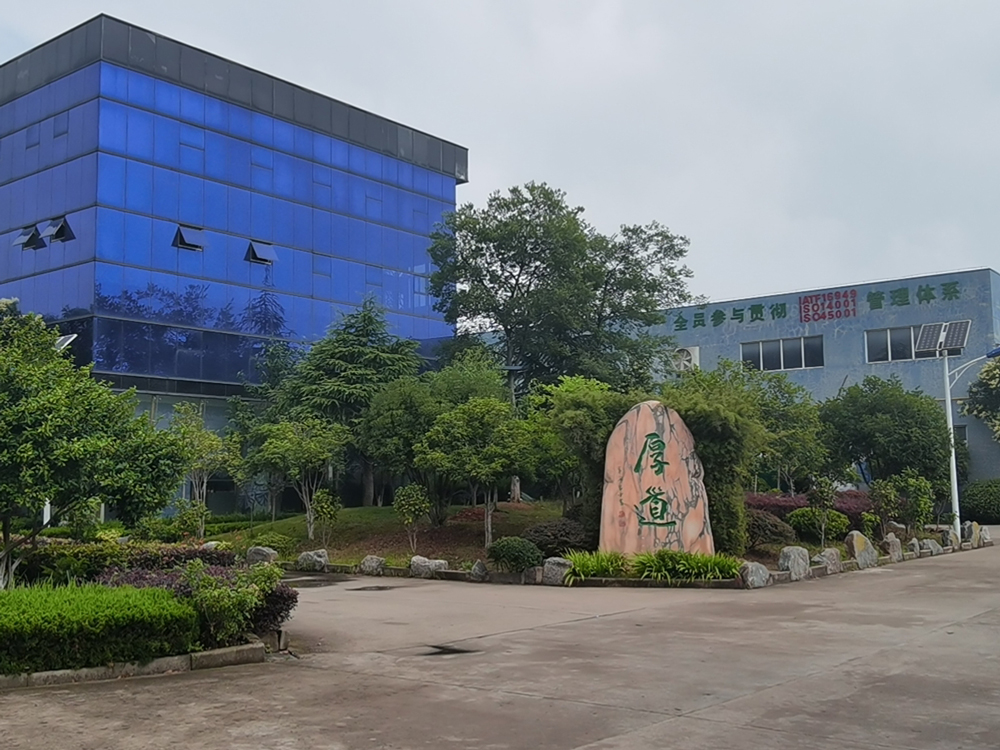
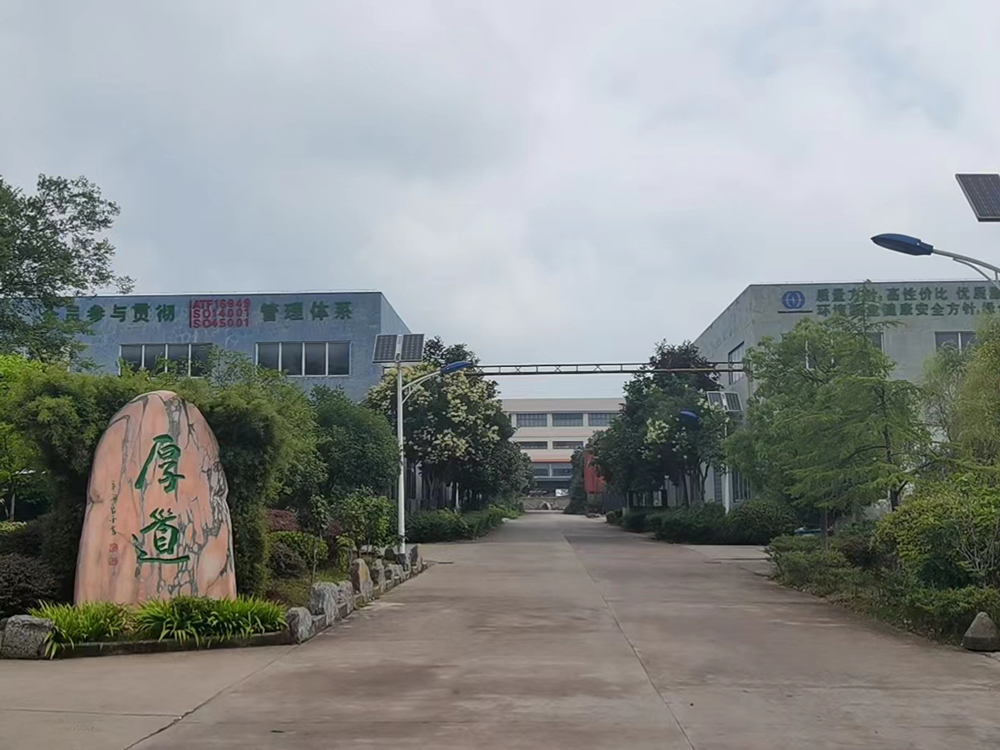
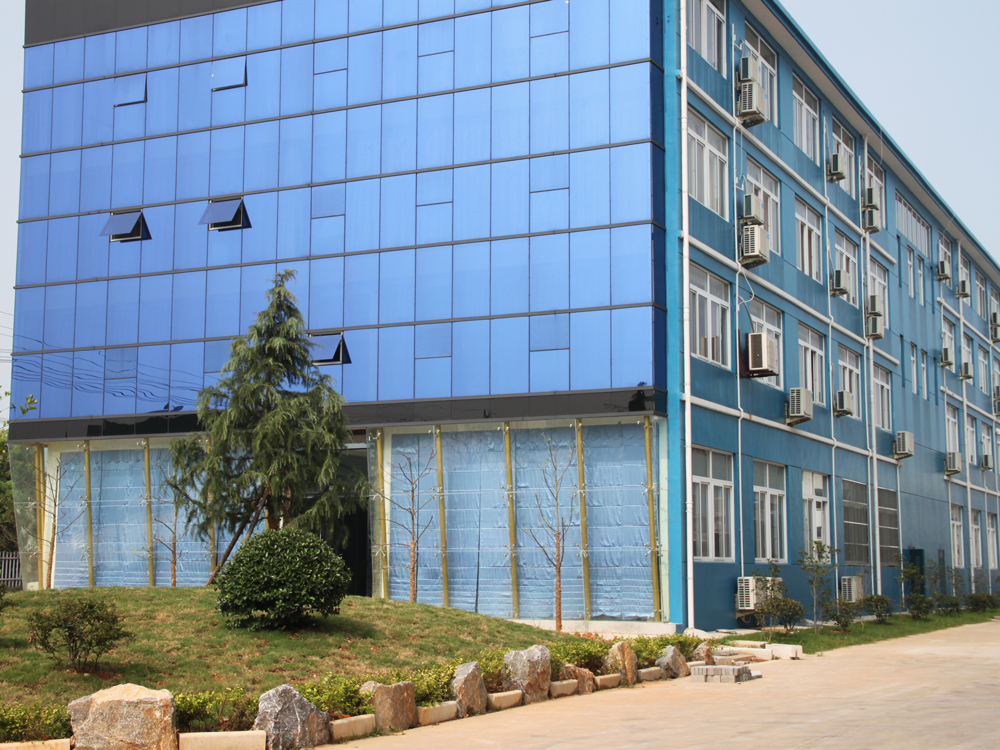
A look inside the 18,000-square-meter facility producing heavy-duty engine and hydraulic components.
Guangzhou Vita's manufacturing center in Xiangyang, Hubei Province, represents a modern approach to mechanical component production. Spread across an 18,000-square-meter industrial floor, the facility utilizes CNC machining centers, automated casting lines, and climate-controlled testing areas. Managed by 278 skilled workers and guided by 8 experienced mechanical engineers, the facility is set up to balance high volume with tight dimensional controls.
This localized manufacturing base allows for customization to meet specific environmental conditions. Whether modifying blocks for high-altitude mining or designing corrosion-resistant cylinder heads for marine applications, the facility can adapt designs to meet custom specifications. Combining casting and precision machining in one location helps reduce production lead times and maintain consistent quality control.
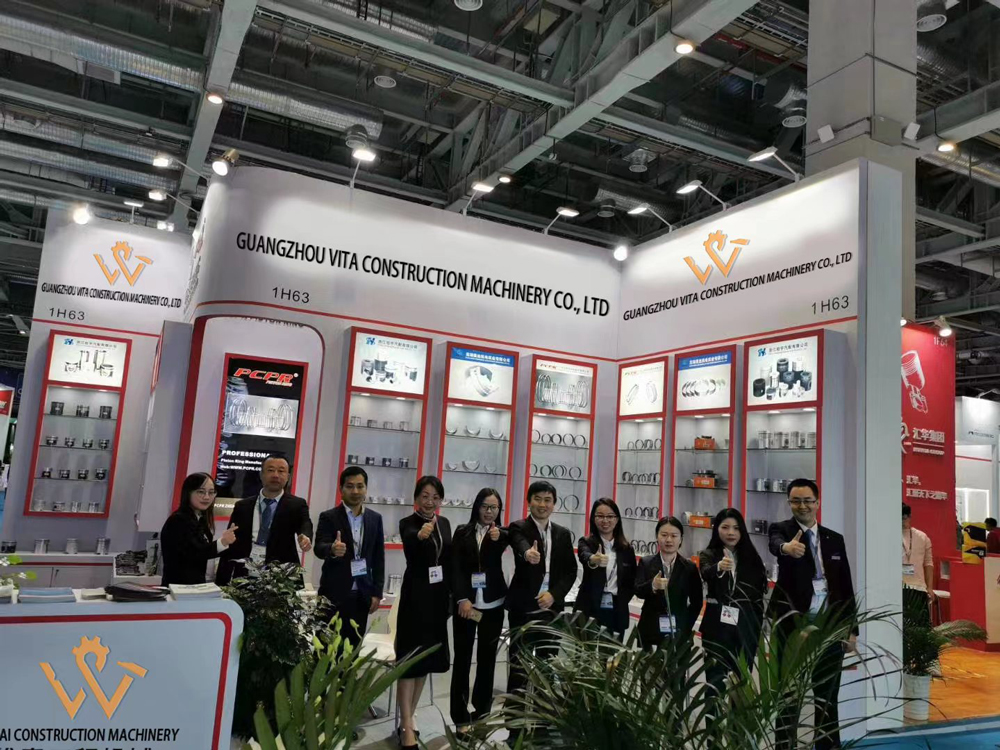
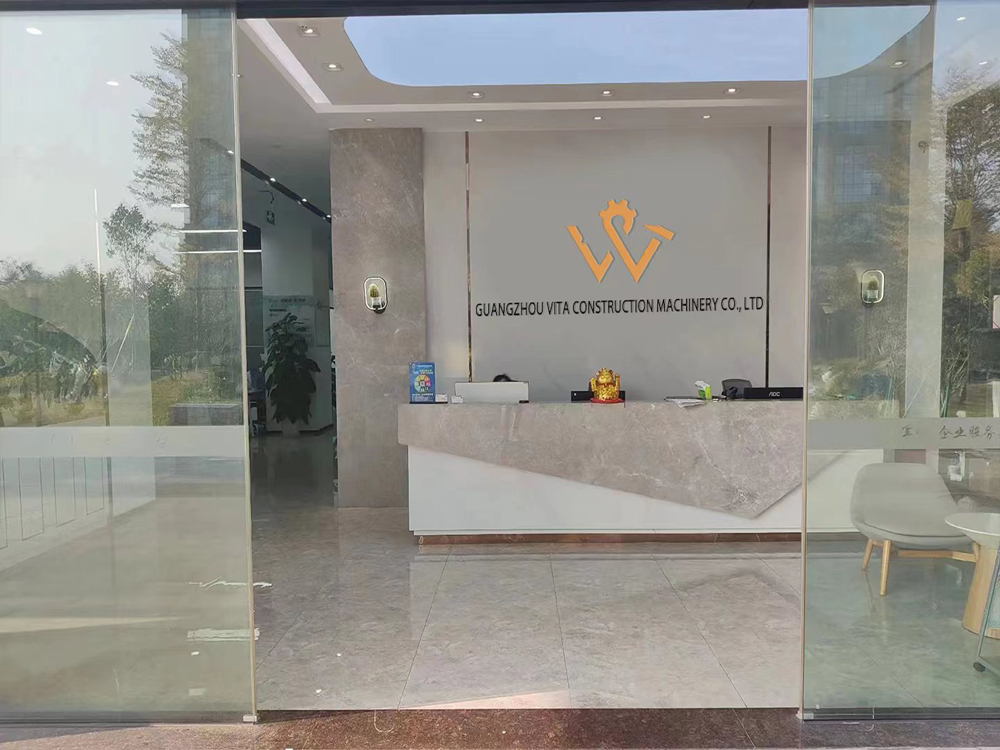
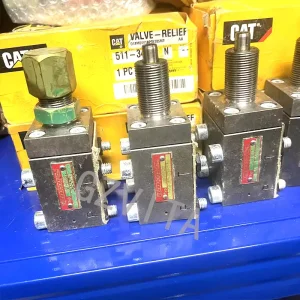
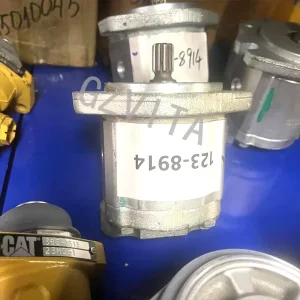
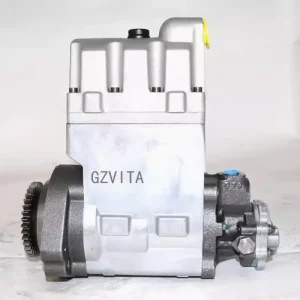
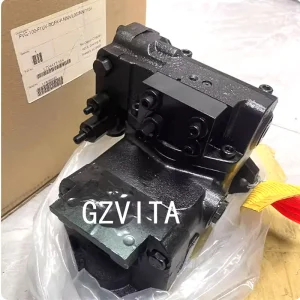
Visual documentation of our casting lines, machining centers, raw materials, and completed assemblies.
Ensuring dimensional interchangeability and material parity across major international equipment brands.
One of the primary challenges for fleet procurement managers is managing parts for diverse fleets containing machinery from multiple manufacturers. Guangzhou Vita supplies replacement components that match the specifications of major global brands. This allows procurement departments to centralize their sourcing and simplify logistics.
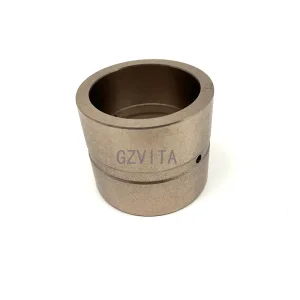
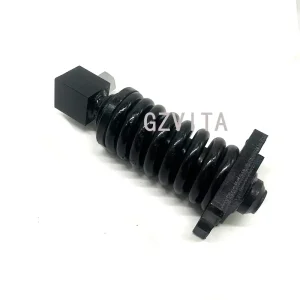
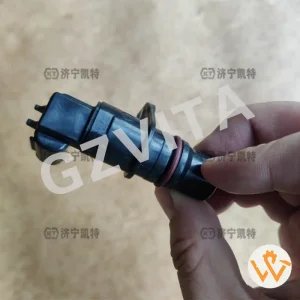
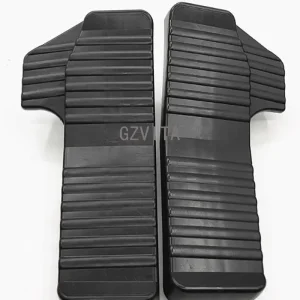
Our catalog goes beyond the cast block itself. We provide a full range of engine and hydraulic system components designed to work together, including:
Designing engine block components to match specific operational and environmental conditions.
Heavy machinery operates in diverse environments, each presenting unique challenges. Standard components may fail when exposed to extreme temperatures or high duty cycles. Customizing components helps address these localized operational demands:
At high altitudes, lower air density changes engine combustion profiles and thermal dissipation rates. This can lead to localized hotspots in cylinder heads and around combustion chambers. For these applications, we customize engine blocks with modified cooling channels and use Compacted Graphite Iron (CGI) to provide thermal stability and prevent cracking.
Moisture and salt spray in coastal zones can lead to rust and galvanic corrosion in cooling passages. We use specialized cast alloys and internal plating for these environments. Additionally, external linkages and sensor housings are sealed to prevent corrosion-related electrical failures.
Excavators working with hydraulic concrete shears or hammers face intense, high-frequency vibrations that travel back through the chassis to the engine mounts and block castings. Our structural reinforcements include thicker mounting boss walls and optimized rib layouts to help distribute vibrational energy and prevent fatigue cracks.
Expert technical answers to common questions about engine block components and sourcing.
Compacted Graphite Iron (CGI) provides higher tensile strength and stiffness than standard Gray Cast Iron. This allows engine designers to reduce wall thickness, saving weight and improving heat transfer without compromising structural integrity. This is particularly valuable for modern high-pressure common-rail diesel engines.
We use multi-axis CNC grinding systems paired with coordinate measuring machines (CMM) to verify dimensions. Each crankshaft journal is induction-hardened and polished to a mirror finish, maintaining tolerances within micron ranges to support reliable hydrodynamic lubrication.
Pitting is often caused by cavitation erosion, which occurs when cylinder wall vibrations form vapor bubbles in the coolant jacket that collapse under pressure. Using rigid liner designs with tight-fitting o-ring seals and high-quality cast alloys helps reduce liner flex and limit cavitation damage.
Yes. Through reverse engineering and our team of 8 mechanical engineers, we can create CAD/CAM models from physical samples or original specifications, allowing us to produce components for older machinery models that are no longer supported by the OEM.
Our factory in Xiangyang, Hubei Province, sits within a major logistics corridor in central China. This location provides access to rail, river, and road networks, allowing us to coordinate shipping through major ports like Wuhan and Shanghai to reach international clients efficiently.
 Vita Construction