
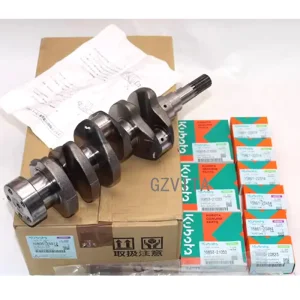
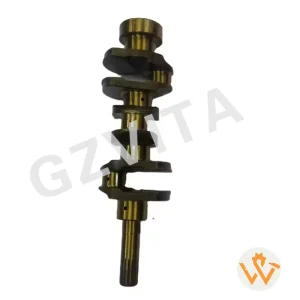
The Doosan DE12 engine line, encompassing turbocharged variations like the DE12T, DE12TI, and DE12TIS, represents the workhorse of heavy-duty excavators, marine vessels, and standby power generators globally. At the heart of these high-torque engines lies the crankshaft bearing assembly—a critical system engineering node designed to convert raw reciprocating thermodynamic forces into smooth rotational propulsion.
Engineered to withstand enormous mechanical loads, these journal bearings operate under hydrodynamic lubrication regimes. Any compromise in material fatigue strength, shell thickness consistency, or oil clearance clearance parameters will result in premature wear, oil pressure degradation, or catastrophic crankshaft seizure. Choosing high-specification replacement bearings is not merely a maintenance action; it is a critical strategy for asset life extension.
For engine rebuilders and fleet maintenance leads, precise dimensional profiling is non-negotiable. Our engineering specs strictly conform to standard specifications:
Modern commercial engine systems operate under strict emission regulations and increased power density configurations. With higher combustion pressures inside the cylinder bores, the crankshaft bearings on the Doosan DE12 bear the brunt of increased peak firing pressures (PFP). This demanding operational environment calls for high-performance tribological solutions.
Tri-metal bearings (steel back, copper-lead intermediate layer, nickel barrier, and lead-tin sliding overlay) offer superior load-carrying capacity compared to traditional bi-metal aluminum-silicon options. The micro-elastic properties of our premium lead-bronze matrix effectively adapt to dynamic shaft deflection.
Oil film rupture can trigger localized micro-implosions, leading to erosion. Our advanced oil groove geometry distributes oil pressure evenly, stabilizing hydrodynamic fluid flow across the crankpins under maximum load.
Microscopic debris in the engine oil can score journals if not managed. Our soft overlays embed hard foreign contaminants without scarring the high-frequency hardened steel alloy of the Doosan DE12 crankshaft.
Note on Bearing Clearance: Maintaining a correct oil clearance is vital. Too tight, and the risk of metal-to-metal boundary contact increases; too loose, and oil pressure drops, starving the upper cylinder valvetrain and turbocharger bearings.
As construction projects, mineral extraction, and marine transport adapt to shifting macro-economic climates, equipment reliability has become a key indicator of cost efficiency. Heavy machines powered by the Doosan DE12 engine—such as 30-ton to 40-ton class excavators—form the backbones of infrastructure works in the Americas, Europe, the Middle East, and Asia Pacific.
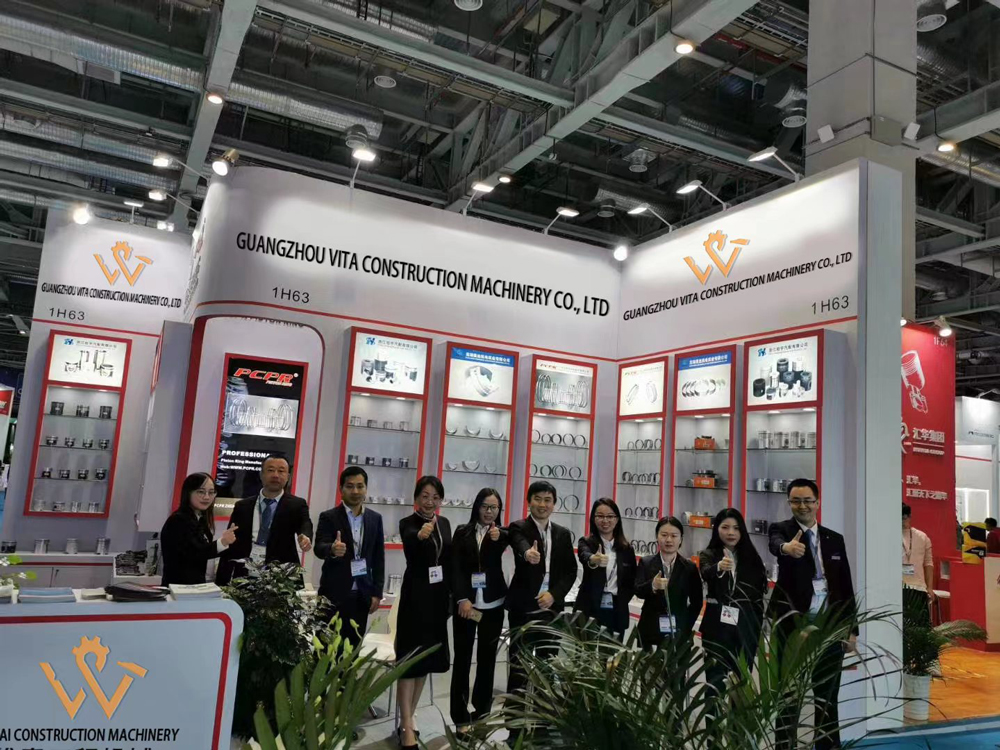
In the global aftermarket, parts buyers face a choice between OEM and high-quality aftermarket replacements. Guangzhou Vita Construction Machinery Co., Ltd. fills this gap by producing premium, tight-tolerance bearings that meet or exceed the performance parameters of original equipment. This helps global fleet managers reduce downtime costs and improve return on investment (ROI).
| Performance Indicator | OEM Standard Spec | Vita Premium Spec | Industrial Advantage |
|---|---|---|---|
| Intermediate Layer Tensile Strength | ≥ 240 MPa | ≥ 280 MPa | Higher fatigue resistance under impact loads |
| Overlay Thickness Tolerance | ± 0.004 mm | ± 0.002 mm | Uniform oil film and minimized hot-spot risk |
| Lead Content in Overlay (Tri-metal) | Standard Blend | Optimized Copper-Lead-Tin | Better resistance to corrosion from acid build-up in engine oil |
The Doosan DE12 engine operates in diverse, demanding environments worldwide. Our bearings are engineered to handle the distinct stress factors of these varied operating conditions:
At high altitudes, lower air density changes engine combustion patterns, leading to higher thermal stresses. In open-cast mines in South America and Western China, our crankshaft bearings provide the thermal conductivity needed to transfer heat away from the crankpins, helping prevent thermal fatigue.
For marine installations along global shipping lanes, continuous operation under salt-laden air introduces corrosion risks. The thin nickel barrier layer in our tri-metal bearings prevents tin migration and resists chemical erosion from sulfur compounds in marine diesel fuels.
Excavators working in urban construction projects frequently transition from idle to high load. During these cold-start and transient periods, they rely on boundary lubrication. The soft lead-tin overlay protects the system by reducing friction before a full oil film is established.
In critical facilities like hospitals and data centers, backup generator sets must take on full load within seconds of starting. Our bearings are engineered to handle the sudden oil pressure spikes and load shocks of these fast-starting conditions.
As global industries move toward sustainability, the regulations governing engine components are changing. The heavy-duty bearing industry is shifting toward materials and technologies designed for next-generation engines:
Responding to global environmental directives, our R&D team is developing aluminum-tin-silicon alloys that offer high load capacity without lead, matching the performance of traditional tri-metal structures.
For high-load engines, physical vapor deposition (PVD) sputter coatings are applied to the bearing surfaces. This process places a highly wear-resistant layer of aluminum-tin directly onto the steel backing, extending service life in demanding applications.
Looking ahead, future bearing blocks may integrate thin-film thermal sensors. These sensors will monitor bearing temperatures in real time, helping operators identify lubrication changes before failures occur.
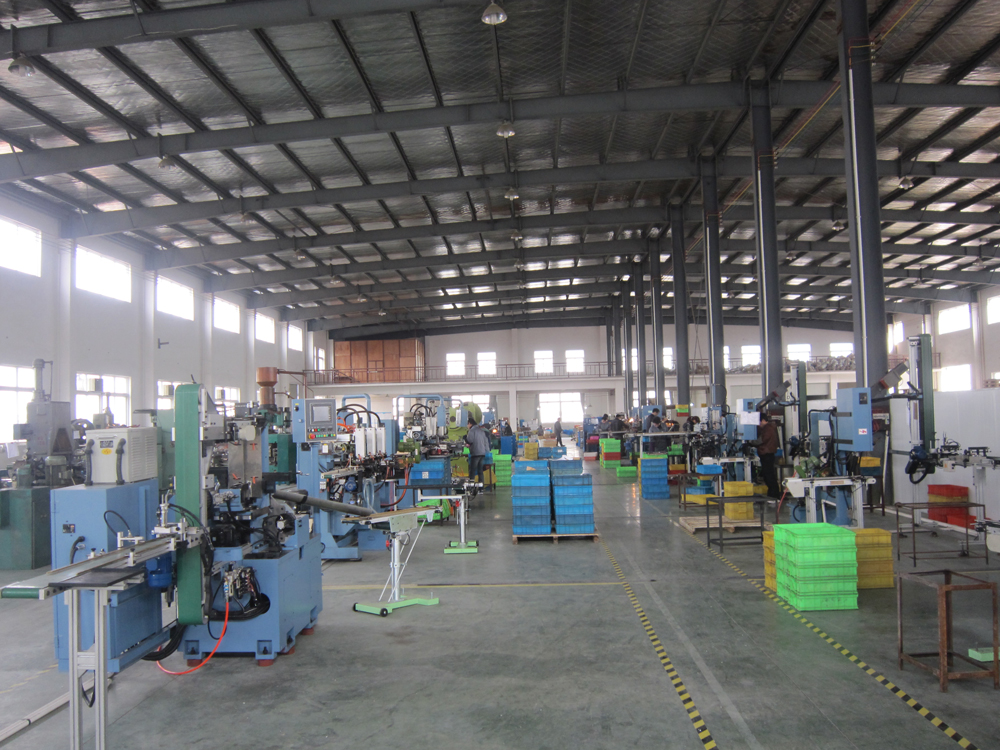
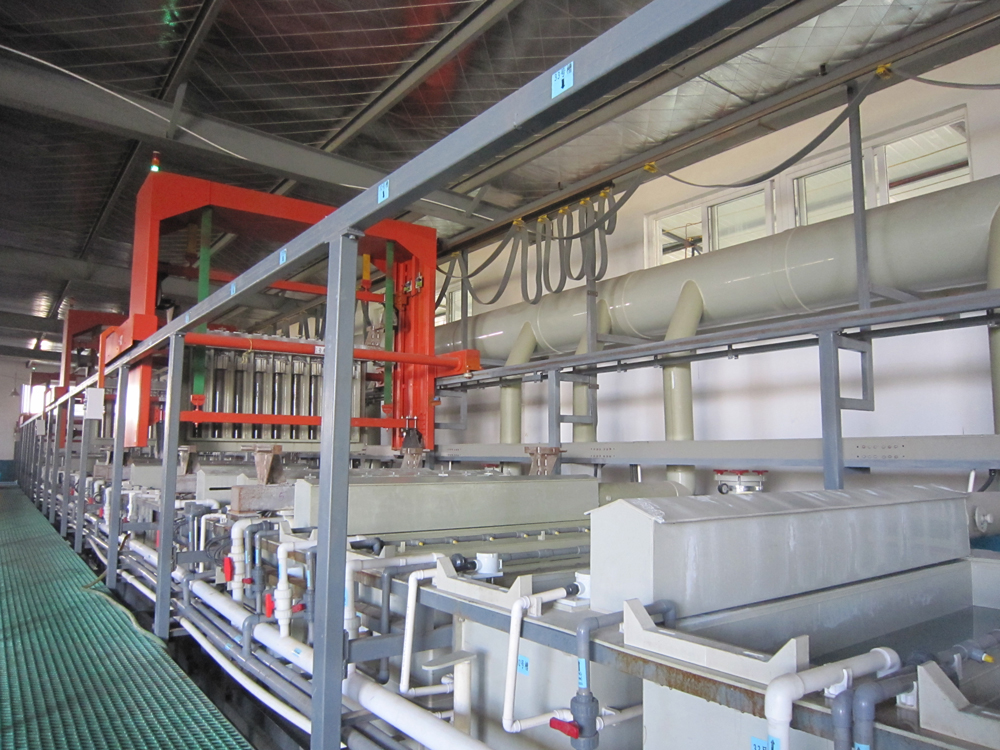
Guangzhou Vita Construction Machinery Co., Ltd. operates with a strong focus on quality and international standards. Our manufacturing base in Xiangyang City, Hubei Province, runs under ISO 9001:2015-certified quality management systems. Every production run undergoes rigorous coordinate measuring machine (CMM) testing and ultrasonic defect detection to ensure zero-defect delivery.
Our international distribution network covers major logistics centers worldwide. With clear import compliance documentation and robust packaging, we ensure parts reach your workshop quickly, reducing downtime and keeping your machinery running.
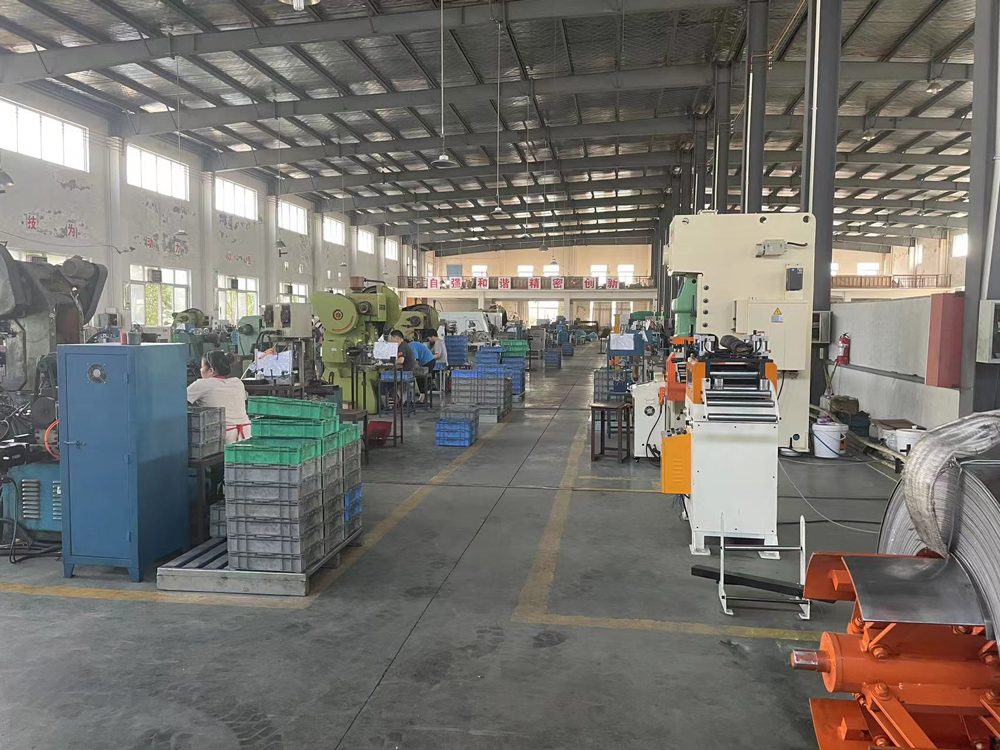
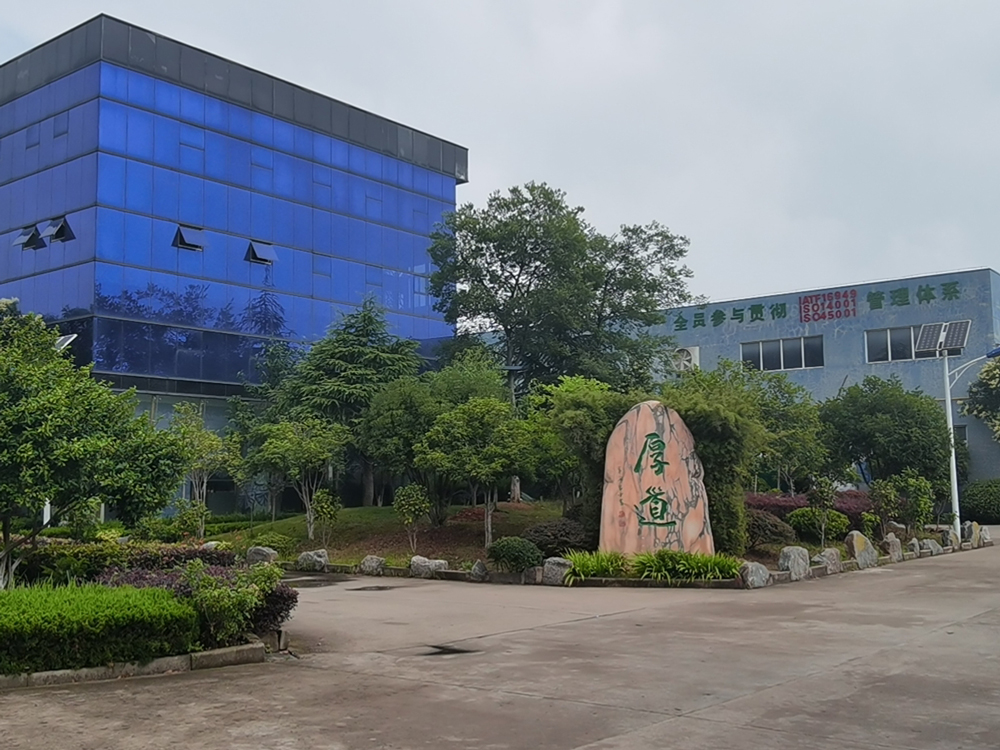
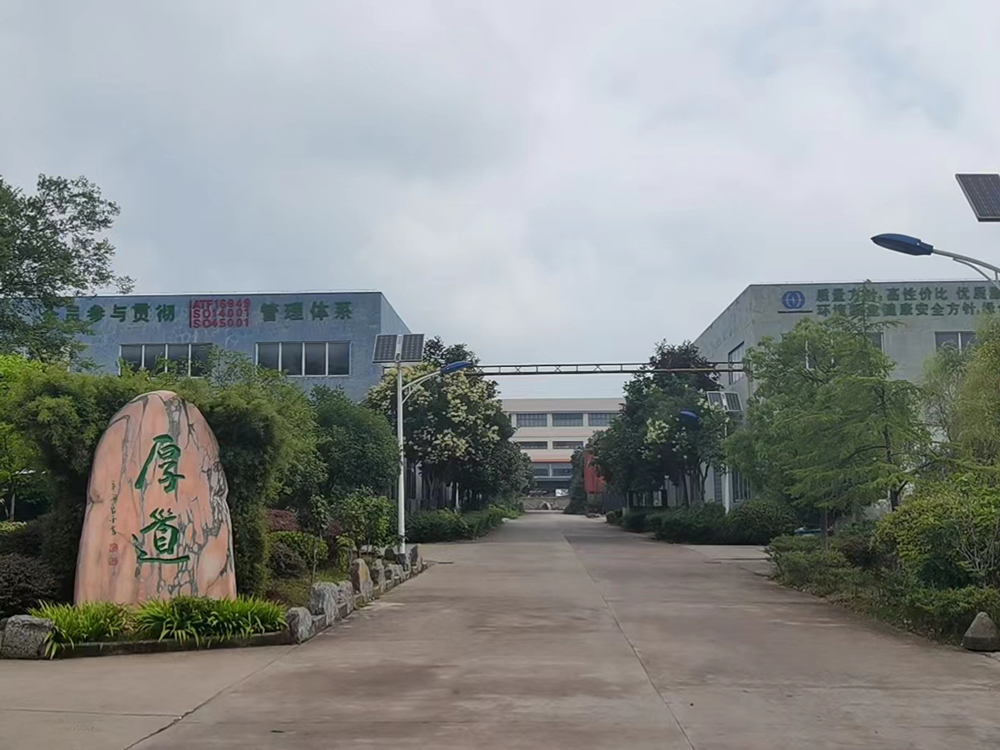
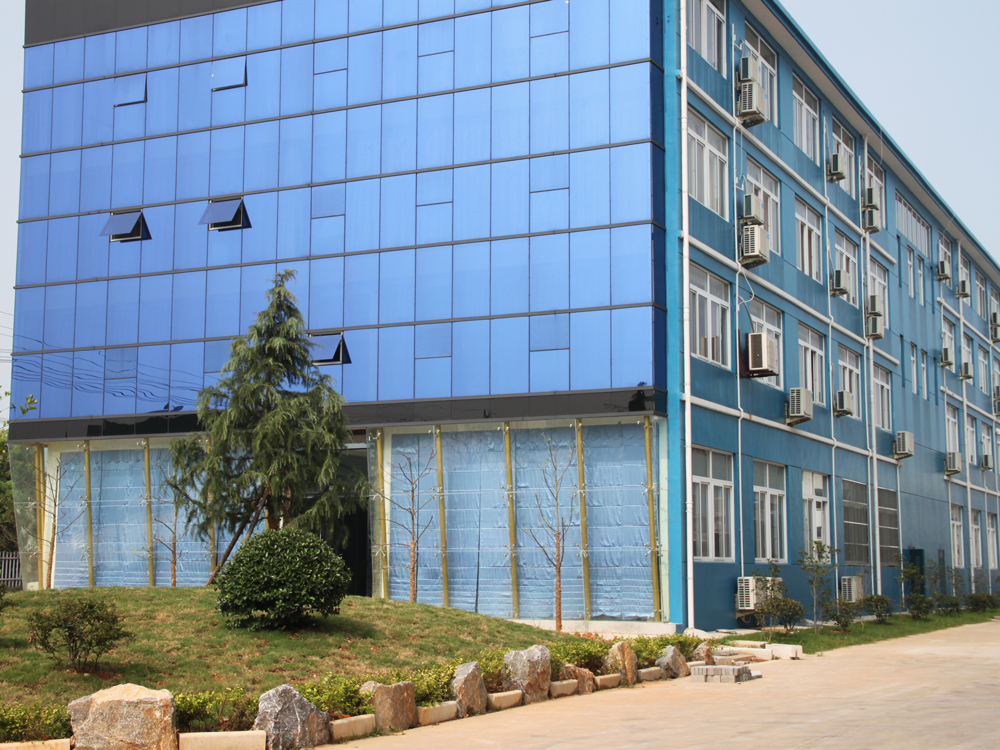
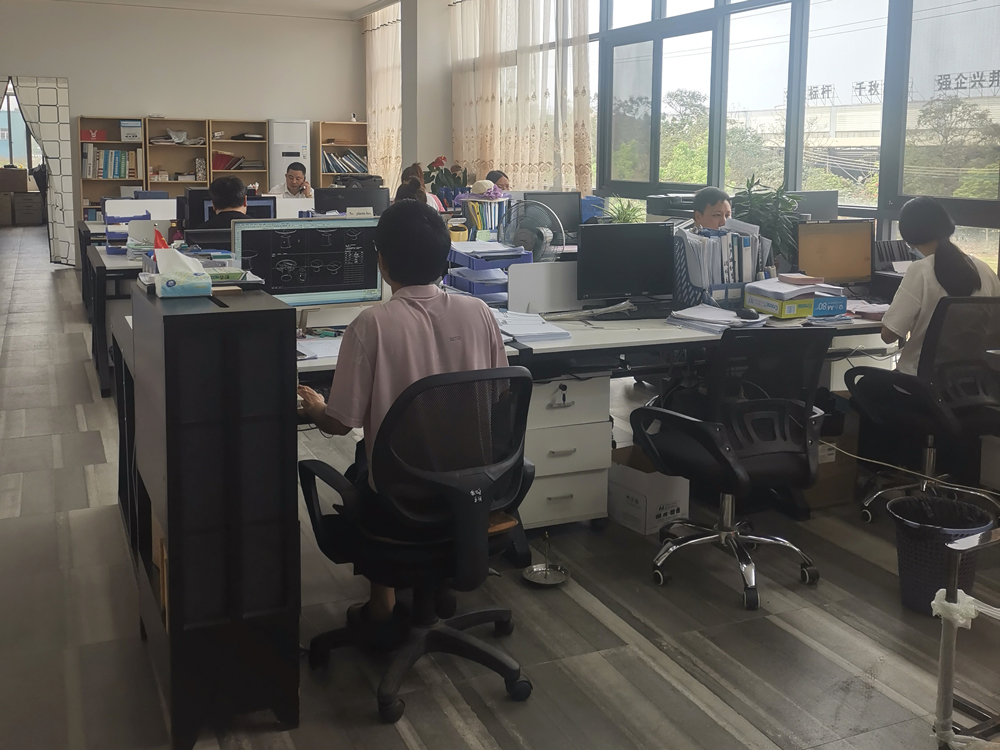
Guangzhou Vita Construction Machinery Co., Ltd. is a large-scale enterprise integrating manufacturing and international trade. Our production facility in Xiangyang City, Hubei Province, features a workshop of over 18,000 square meters. Equipped with modern production machinery, the facility is staffed by 278 skilled workers and an engineering team of 8 specialists dedicated to high manufacturing precision and reliable delivery.
We develop, manufacture, and distribute a comprehensive range of construction machinery parts. Beyond engine bearings (including main and connecting rod bearings) and crankshafts, our catalog features engine assemblies, hydraulic pumps, final drives, generator sets, valves, gear pumps, cylinders, filtration systems, excavator buckets, and undercarriage components. These parts serve as reliable replacements for equipment from major brands like Komatsu, Volvo, Sumitomo, Caterpillar, Kubota, Hitachi, John Deere, Kobelco, Hyundai, Kato, Sany, XCMG, and Sunward.
Reliable machinery parts are crucial for project timelines. We design our components to deliver steady performance in tough operating environments, supporting the long-term operation of your equipment.
We support our products with engineering assistance. Our maintenance team is available to help resolve technical questions regarding engine assembly, clearance settings, and installation procedures.
Our service support extends beyond standard support. We maintain a dedicated service team capable of assisting with field maintenance and repair projects internationally when needed.
For the Doosan DE12T/TIS engines, the main bearing cap bolts must be torqued in a progressive, multi-stage sequence. Typically, this begins with a seating torque of 150 Nm, followed by an intermediate pass to 250 Nm, and a final angle-controlled turn of 90 degrees (always verify with the specific engine manual for the exact model variant). Use clean engine oil on the threads and underside of the bolt heads during installation.
Regular oil analysis is the most effective method. Elevated concentrations of copper, lead, or aluminum in the oil reports indicate wear on the bearing alloy layers. Additionally, monitoring hot oil pressure under load helps identify wear; a drop in pressure often indicates increased clearances from bearing wear.
Standard size (STD) bearings are used when the crankshaft journals are within their original factory dimensions. If a journal is worn or scored, it is ground down to a smaller diameter. Undersize bearings (such as US 0.25mm, US 0.50mm) feature a thicker wall to compensate for the removed metal, restoring the correct oil clearance.
Bearing crush refers to the slight excess circumference of the bearing shells relative to the bore housing. When the caps are torqued down, this design applies radial pressure that holds the shell securely in place, ensuring good heat transfer and preventing rotation during engine operation.
 Vita Construction