Engineered to exact OEM specifications, our high-grade spare parts guarantee performance, durability, and operational longevity.
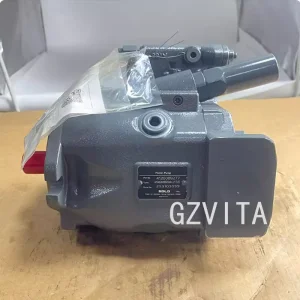
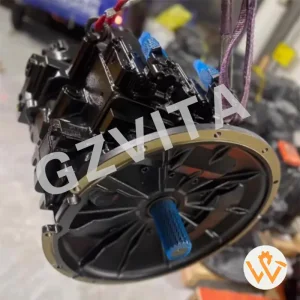
A technical white paper on the engineering parameters, supply chains, and procurement trajectories of high-performance excavator boom cylinders.
In modern earthmoving and civil engineering, the excavator boom cylinder represents the primary mechanical muscle. As a critical component of the closed-loop hydraulic system, the boom cylinder carries out the high-force work of lifting the boom assembly, load-carrying buckets, and attachments. When working under severe cycle stress, these cylinders endure tremendous pressures—routinely exceeding 350 bar (35 MPa). Understanding the engineering details, manufacturing precision, and raw materials used in production is vital for fleet managers and industrial procurement departments looking to prevent costly field failures.
From a mechanical design perspective, an excavator boom cylinder must handle intense loads, including axial push-pull forces, lateral torque, bending moments, and rapid pressure spikes. To address these demands, specialized factories utilize high-yield structural steel tubing (typically ST52.3, E355, or 27MnCrB5-2) that undergoes internal honing to achieve an inner surface roughness (Ra) of less than 0.2 microns. This mirror-like finish reduces friction and extends the service life of internal polyurethane seal packages.
"Operational stability is directly linked to the structural integrity of the excavator boom cylinder. High-quality production centers focus on maintaining optimal tolerances, employing advanced weld joins, and applying multi-stage corrosion barriers to ensure high performance in mining, quarrying, and civil infrastructure projects."
The global hydraulic cylinder industry is undergoing a digital and metallurgical evolution. A key design trend is the integration of linear position sensors directly into the cylinder. Smart excavator boom cylinders use these sensors to send real-time piston position data to the excavator's main control unit. This allows for automated machine control, electro-hydraulic leveling, and boundary-zone deceleration, which prevents damage when the cylinder reaches the end of its stroke.
Additionally, surface protection techniques have advanced significantly. While traditional hard chrome plating remains common, modern factories are shifting toward double-layer micro-crack chrome plating, Nickel-Chrome electrodeposition, and High-Velocity Oxygen Fuel (HVOF) thermal spray coatings. These methods provide superior resistance to saltwater spray, acidic soil conditions, and flying abrasive particles, keeping the cylinder rod protected and leak-free in harsh field environments.
When purchasing hydraulic boom cylinders, global machinery distributors, major mining contractors, and OEM builders look at more than just the initial price. They evaluate the total cost of ownership (TCO). Cylinders that fail early lead to high downtime costs, lost productivity, and expensive field maintenance.
Key purchase criteria include:
Buyers require Mill Test Certificates (MTC) for all raw steel to verify the chemical makeup and tensile strength of the cylinder tubes, rods, and end caps.
Cylinders must use premium sealing systems (such as Hallite, NOK, or Parker) to handle pressure peaks, resist chemical wear, and operate reliably across temperatures from -40°C to 110°C.
Every cylinder must pass internal bypass and static pressure hold tests at 1.5 times the working pressure before leaving the factory.
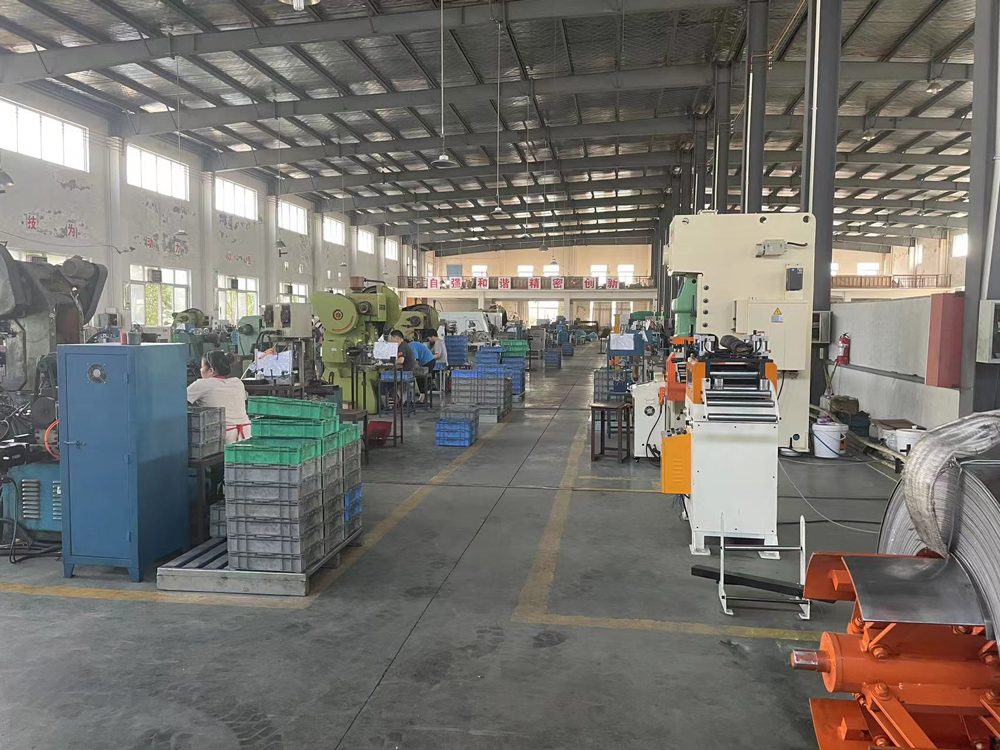
China's manufacturing sector has transitioned from high-volume production to advanced, precision-engineered manufacturing. Leading factories, such as the Guangzhou Vita Construction Machinery Co., Ltd. manufacturing center in Xiangyang, Hubei Province, show how high-tech automation improves both quality and production capacity.
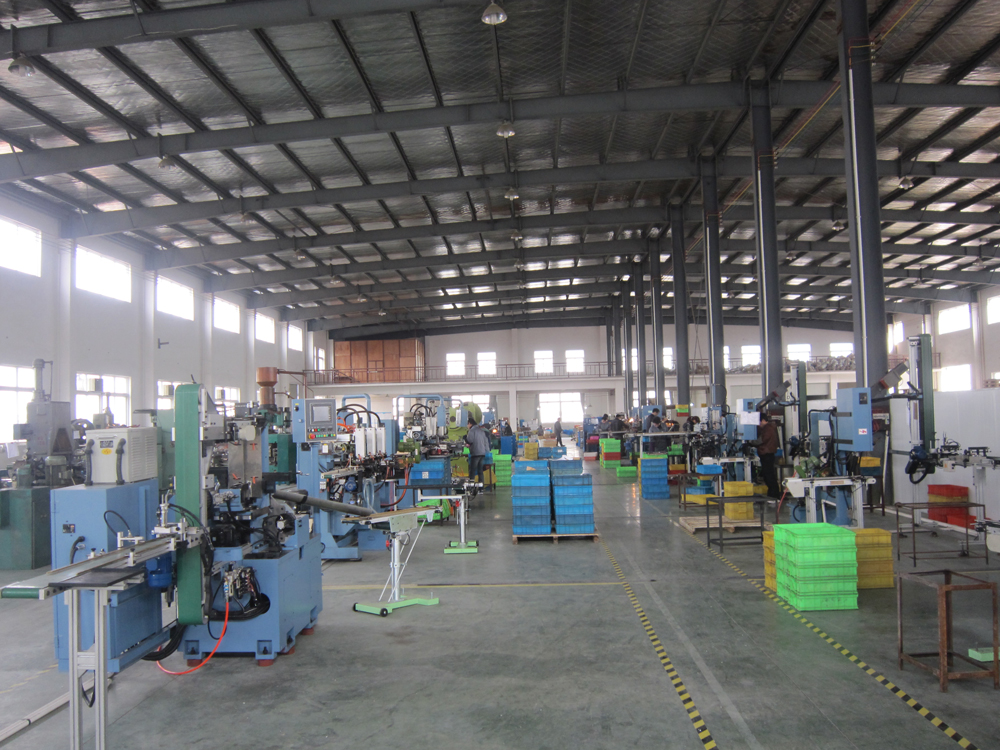
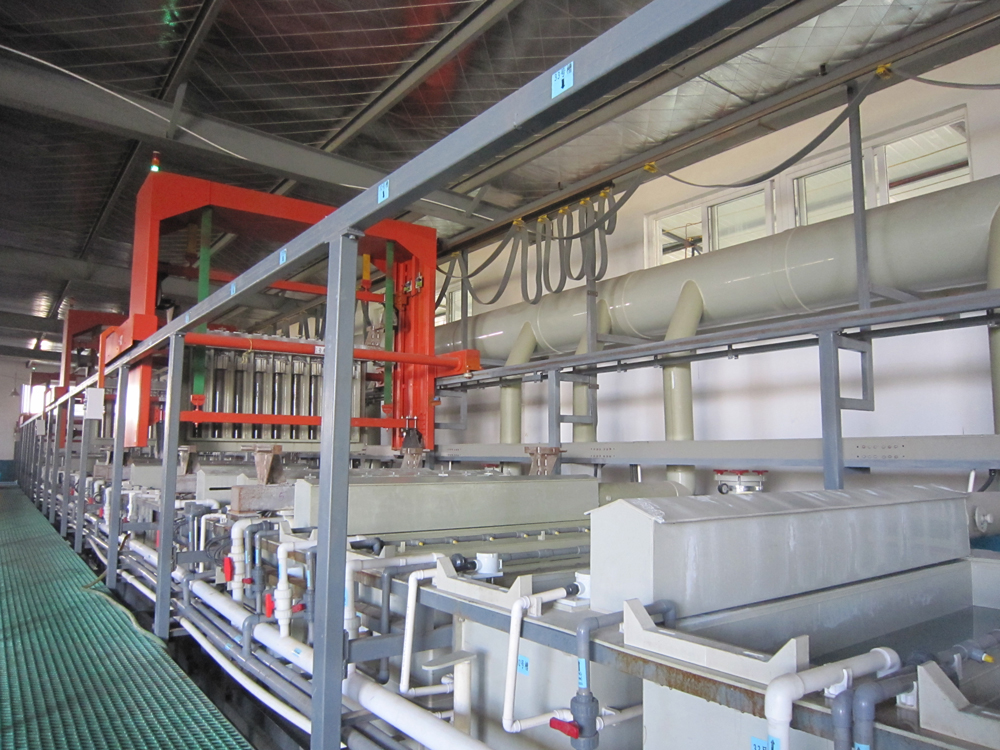
By using CNC machining centers, automated robotic welding stations, and climate-controlled electroplating lines, modern Chinese factories ensure that every excavator boom cylinder meets strict tolerances. Robotic welding provides deep, uniform weld penetration at critical joints, such as the cylinder flange and eyelet, preventing stress fractures under heavy load. The addition of automated cleanrooms for cylinder assembly minimizes dust contamination, protecting internal seals and ensuring high performance in the field.
Furthermore, China's complete industrial supply chain—from local raw steel mills to specialized seal manufacturers—helps reduce shipping times and production costs, making these cylinders highly competitive in the global market.
Your Trusted Partner for Heavy-Duty Construction Machinery Parts & Global OEM/Aftermarket Hydraulics
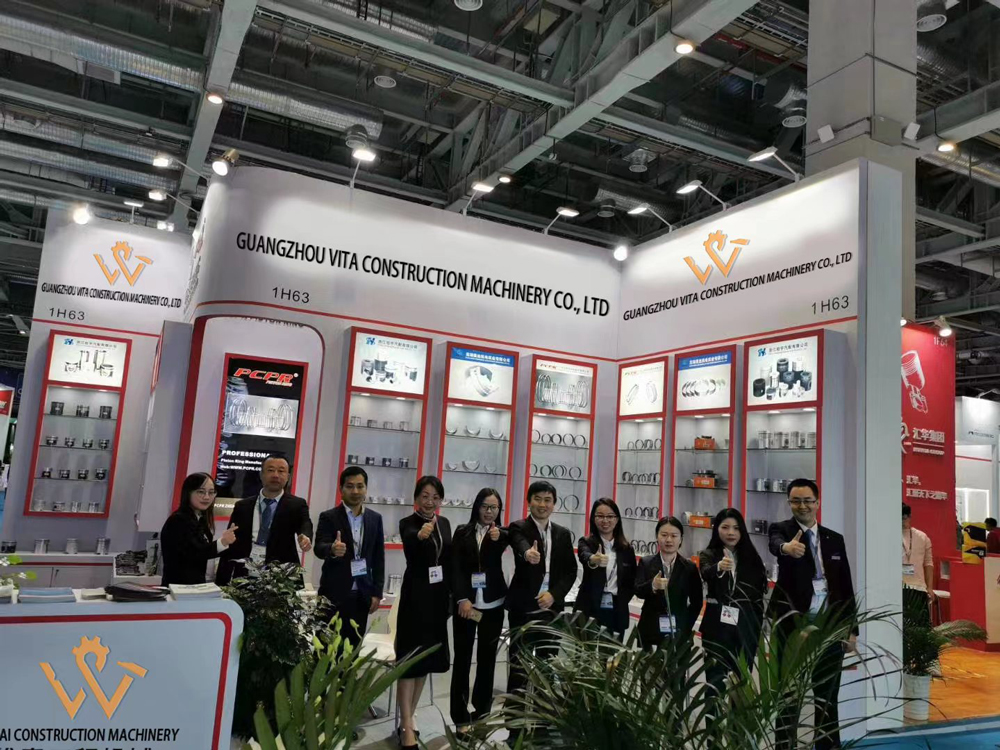
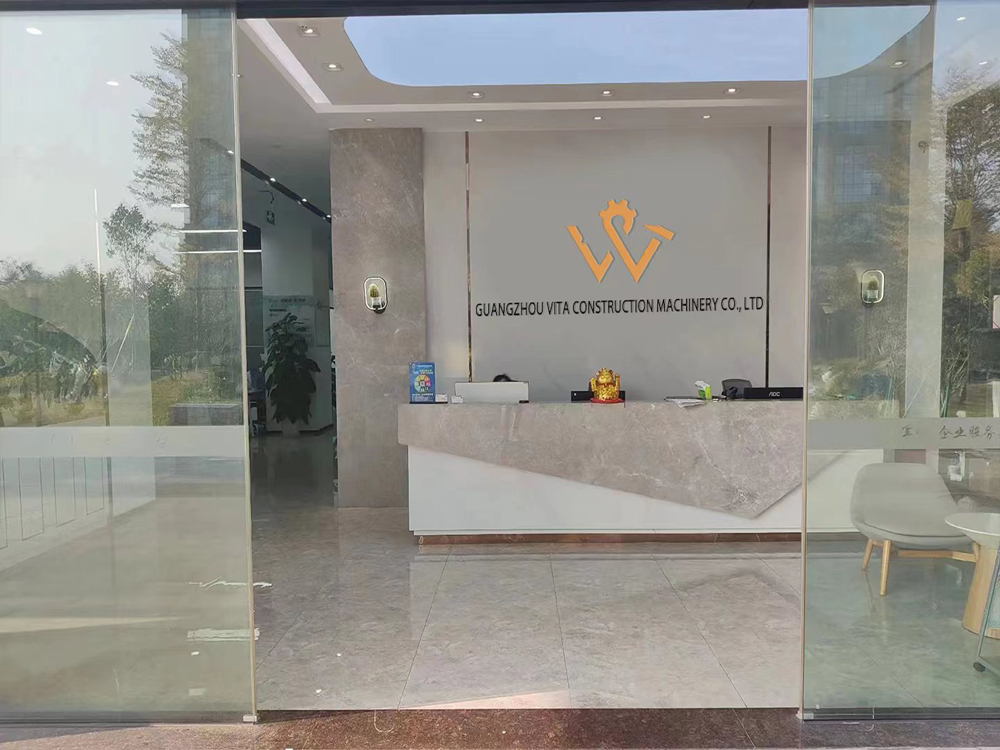
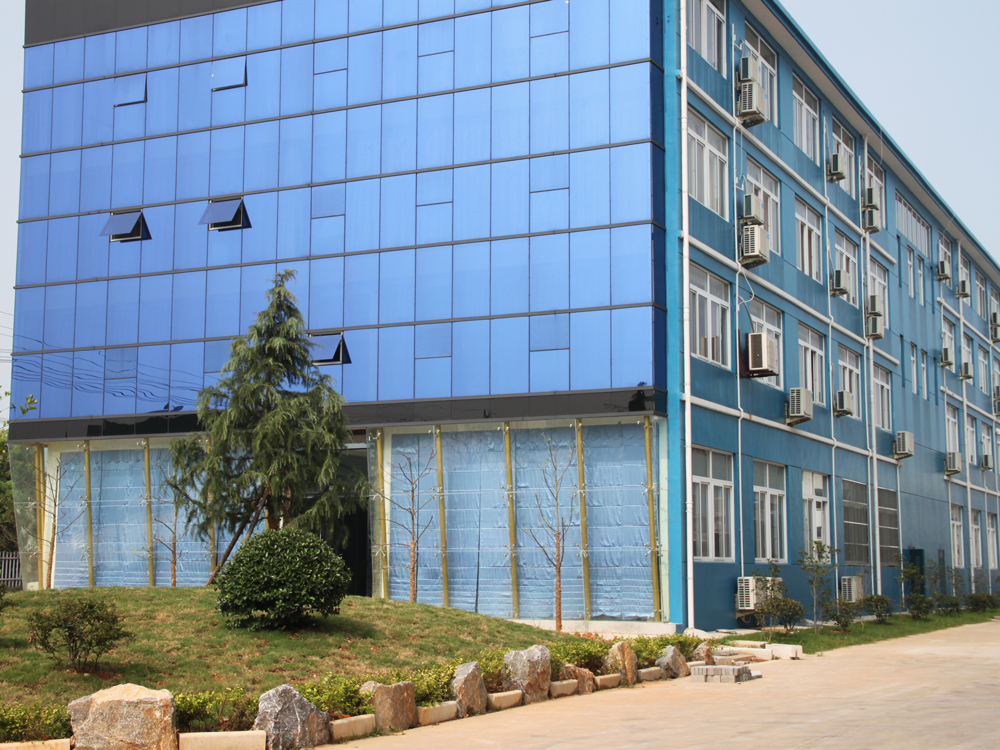
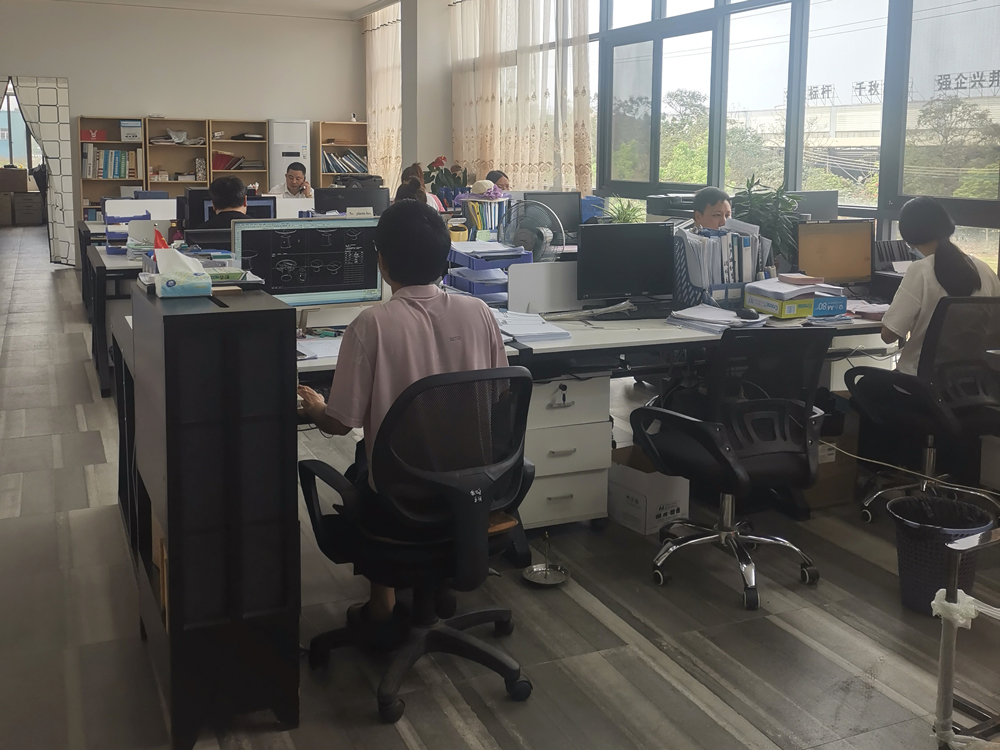
Guangzhou Vita Construction Machinery Co., Ltd. is a leading company that combines factory manufacturing and foreign trade. Our modern production factory is located in Xiangyang City, Hubei Province, featuring a spacious workshop of over 18,000 square meters. Equipped with advanced production machinery, our team includes more than 278 skilled workers and 8 experienced engineers who ensure high product quality, prompt order processing, and on-time global delivery.
We specialize in the development, manufacturing, and global sale of a comprehensive range of construction machinery parts. Our product catalog includes full engine assemblies, high-performance hydraulic pumps, final drives, electric generating sets, precision engine bearings (main bearings, connecting rod bearings), crankshafts, engine valves, gear pumps, cylinders, filtration systems, excavator buckets, and undercarriage components for both excavators and bulldozers.
Our components are engineered as direct replacements for many leading global brands, including: Komatsu, Volvo, Sumitomo, Caterpillar, Kubota, Hitachi, John Deere, Kobelco, Hyundai, Kato, Sany, XCMG, and SUNWARD.
In fast-paced construction environments, machinery reliability can make or break a project. We provide high-quality construction machinery parts designed to keep your equipment running smoothly and minimize costly downtime.
To better serve our clients, we offer engine maintenance and product development services. Along with providing complete assemblies, we help customers solve technical issues encountered during machinery setup and operation.
We maintain an in-house team of maintenance professionals and engineers. Upon request, we can arrange for technicians to assist clients with on-site equipment servicing and engine maintenance overseas.
Explore our advanced manufacturing setup, featuring high-precision machinery, testing areas, and structured assembly lines that ensure high quality and reliable output.


Expert answers to common engineering, procurement, and maintenance questions regarding heavy-duty excavator cylinders.
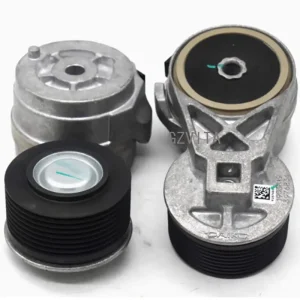
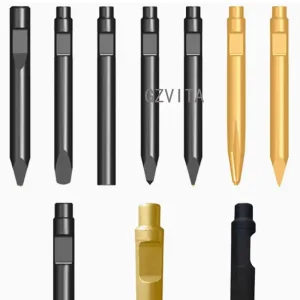
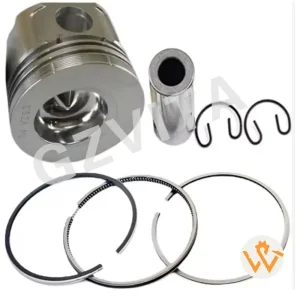
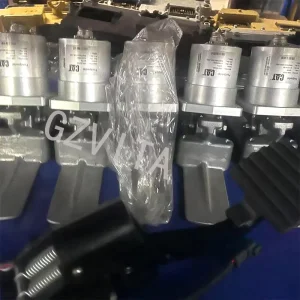
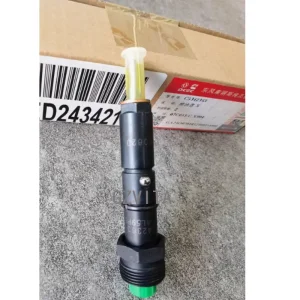
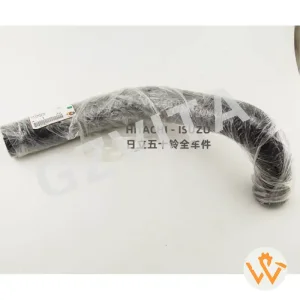
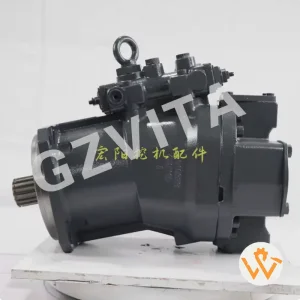
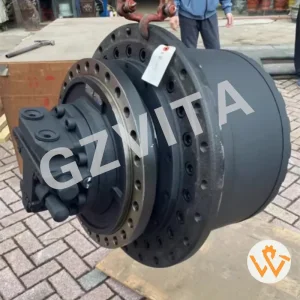
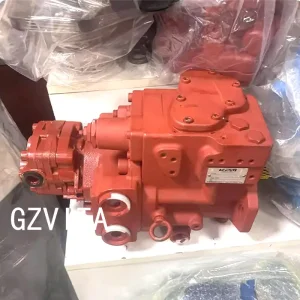
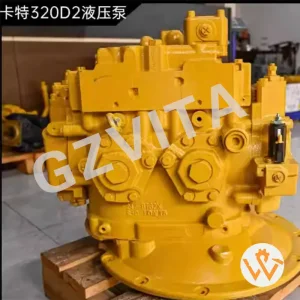
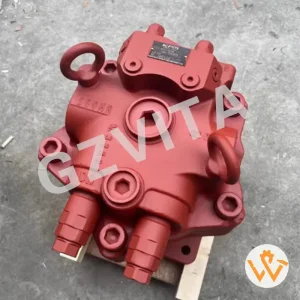
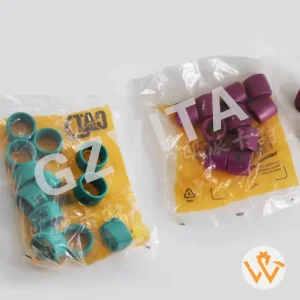
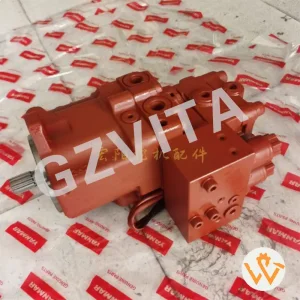
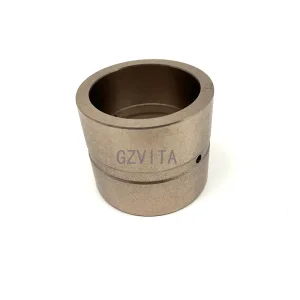
A selection of high-precision parts designed for optimal compatibility and performance in demanding field conditions.
 Vita Construction