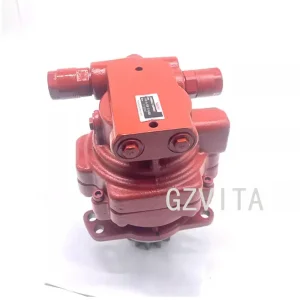
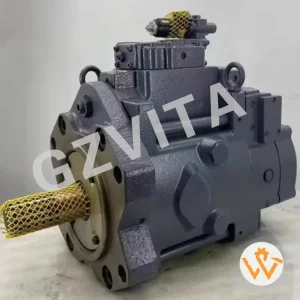
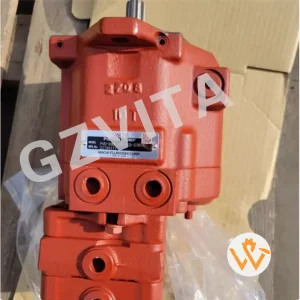
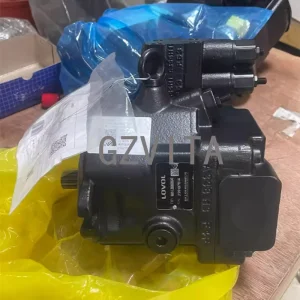
In B2B applications—ranging from luxury hospitality suites and public amusement parks to sensory integration facilities and luxury cruise liners—the term "motorized hammock swing" has evolved far beyond a basic backyard amenity. Modern applications demand heavy-duty, highly engineered structural systems capable of thousands of hours of maintenance-free operation under continuous load. At this scale, the drive mechanism relies on the same robust hydraulic slewing motors, swing gearboxes, electronic control units (ECUs), and high-pressure valves developed for heavy-duty earthmoving equipment.
Most commercial failures in motorized leisure devices stem from using undersized hobbyist DC motors and light-duty consumer gearboxes. Guangzhou Vita solves this issue by leveraging structural, heavy-duty mechanical engineering components—including industrial-grade hydraulic rotary pumps, precision-manufactured swing gearboxes, and automated electronic control units—to deliver robust, low-maintenance, and ultra-safe systems that withstand extreme outdoor elements and variable dynamic loads.
Global procurement teams select heavy-duty mechanical and motorized assemblies to build next-generation motorized hammock swings for diverse target sectors:
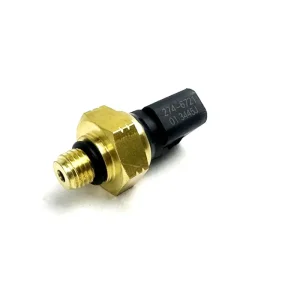
By using industrial components like the PCR-1B-05A Hydraulic Swing Motor or high-efficiency Electronic Control Units (ECUs), engineers can program variable speed transitions, smooth starting/stopping acceleration ramps, and establish failsafe system backups. When coupled with high-durability oil pressure sensors and custom wiring harnesses, these systems run flawlessly in harsh saltwater, desert heat, and freezing winter conditions.
Procuring motorized hammock swing components at scale requires meeting rigorous engineering standards. Corporate buyers prioritize manufacturers who understand load dynamics, duty cycles, and international mechanical safety codes. The transition toward smart systems requires specialized components that ensure high torque delivery without compromising thermal limits or structural integrity.
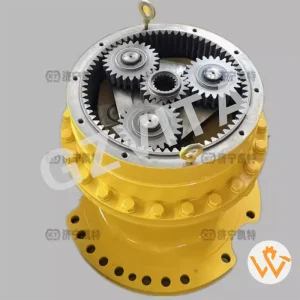
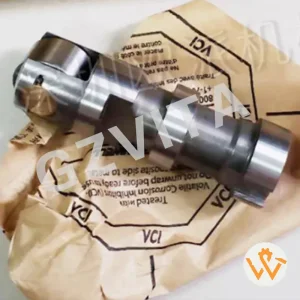
Heavy-duty systems require swing reduction gearboxes (like the Komatsu-compatible 208-26-00231 series) to handle high output torque at very low rotational speeds, ensuring a smooth, safe sway without jerky transitions.
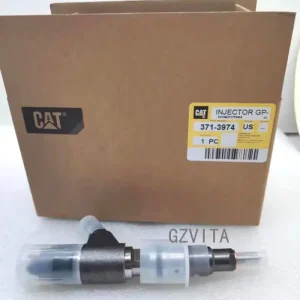
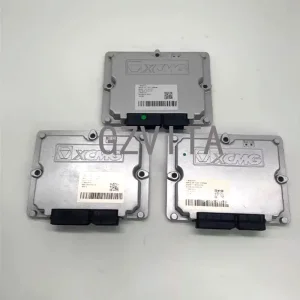
Modern commercial installations utilize custom controllers (such as the CAT-compatible 494-6473 and XCMG-compatible ECU systems) to calibrate sway speed, sense passenger weight, and interface with smart building management systems.
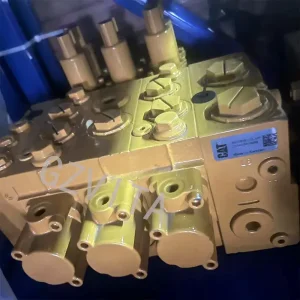
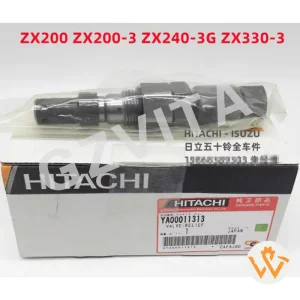
To meet strict global public safety guidelines, motorized assemblies incorporate hydraulic main relief valves (comparable to the EX200-5 / ZX330-5G series) to prevent system over-pressurization during unexpected impact loads.
Building a robust motorized swing mechanism requires mapping component compatibility across key performance metrics. Below is an engineering comparison detailing the load capacities, duty cycles, and typical industrial-grade drive components suggested for high-capacity motorized hammock systems:
| Application Scale | Target Load Capacity | Recommended Drive Unit | Primary Control Method | Compliance Standards |
|---|---|---|---|---|
| Single-User Residential / Luxury Suite | Up to 150 kg (330 lbs) | Low-voltage Brushless DC Motor | Standard Microprocessor & Sensors | CE, RoHS, FCC |
| Multi-User Commercial Lounge Swing | Up to 450 kg (990 lbs) | Heavy-Duty Electric Geared Motor | Custom ECU Controller (e.g., 494-6473) | EN 1176, ASTM F1487 |
| Industrial / Resort Public Installations | Up to 1,200 kg (2,640 lbs) | Hydraulic Slewing Pump & Swing Motor | Proportional Valve / ECM Loop | ISO 9001, UL Mechanical Safety |
The next generation of motorized hammock swings focuses on integrating telemetry and adaptive software profiles. Utilizing advanced ECU/ECM systems, manufacturers can deploy real-time monitoring algorithms that analyze torque requirements, adjust power consumption dynamically, and send maintenance alerts to operators before physical components fail.
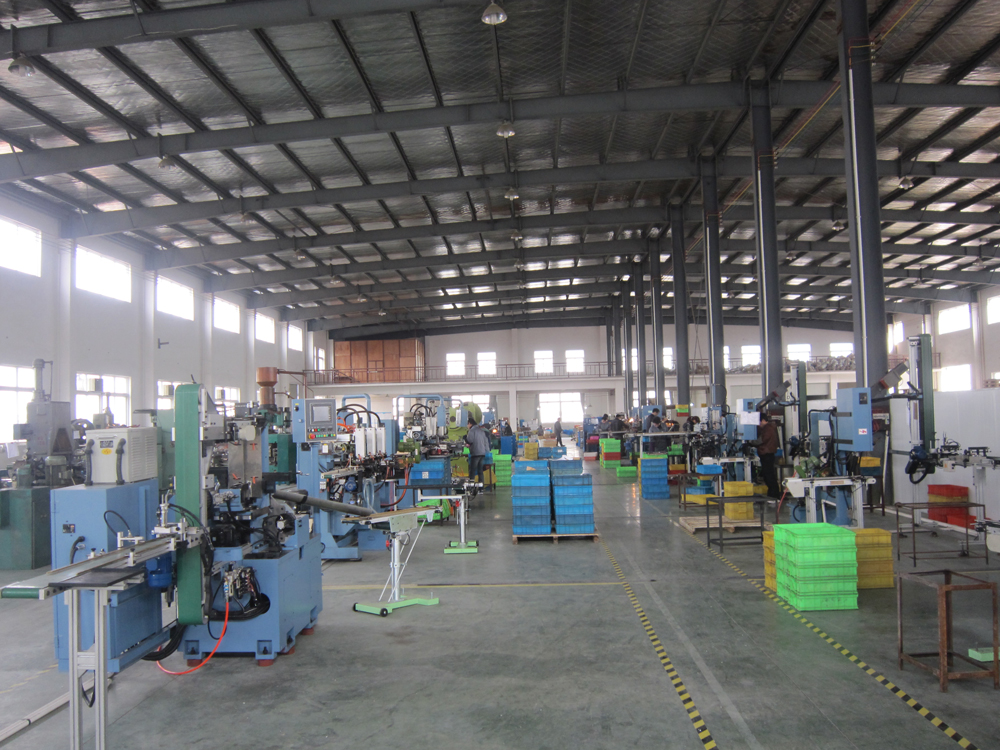
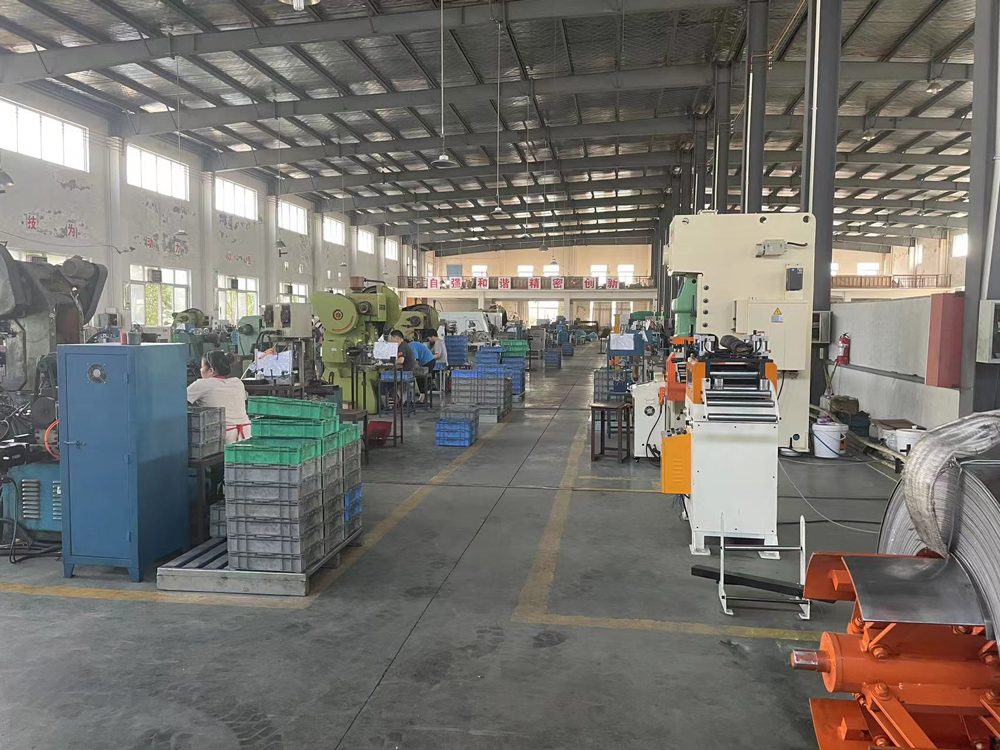
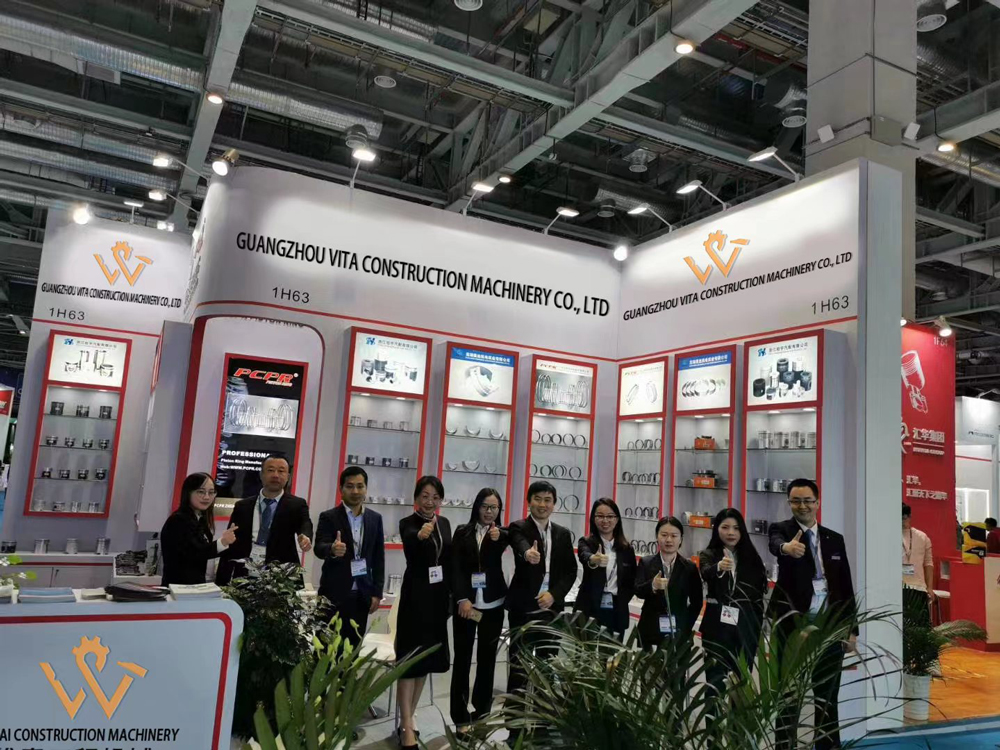
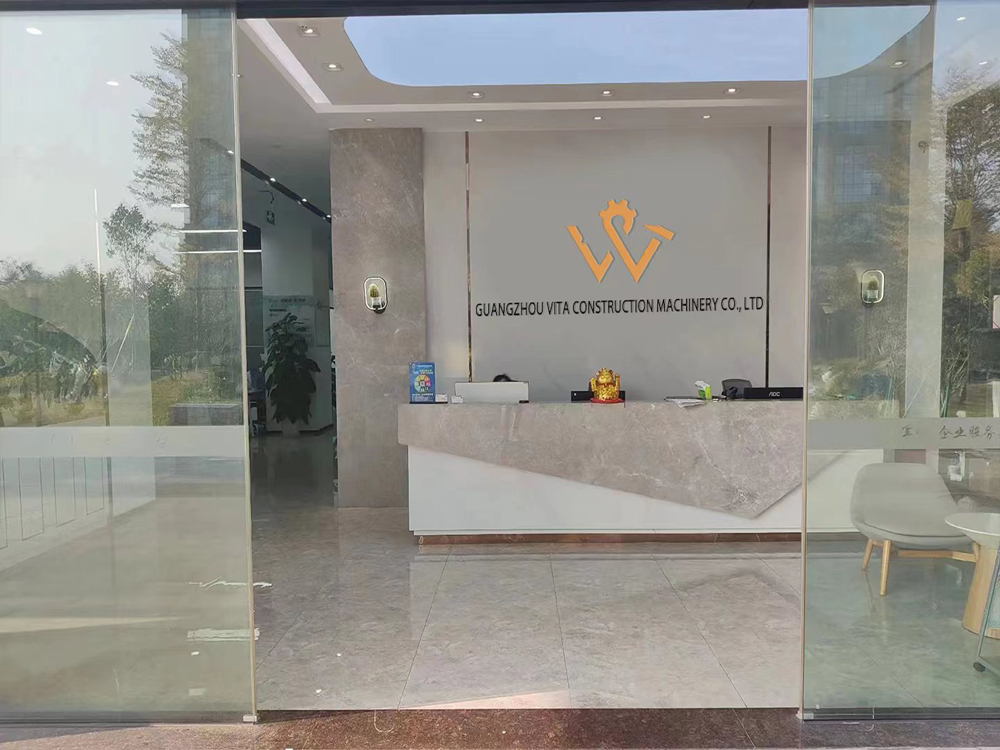
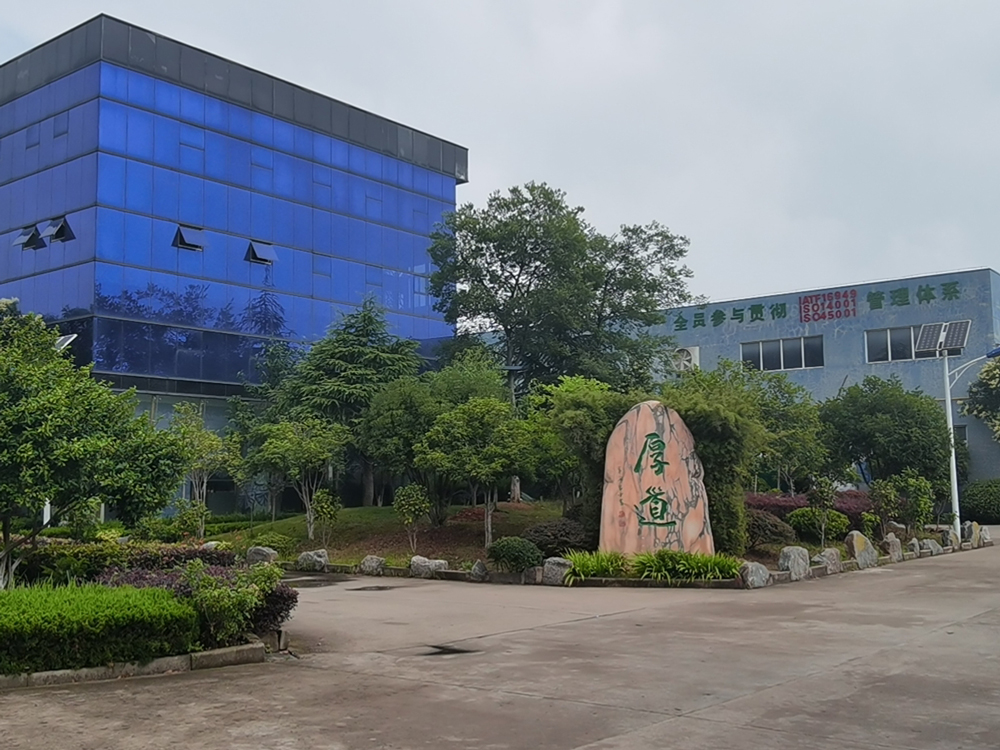
As an industry leader in heavy-duty component design, manufacturing, and international trade, Guangzhou Vita Construction Machinery Co., Ltd. offers unparalleled expertise in sourcing and fabricating the high-end mechanical components required for complex motorized structures. From our state-of-the-art 18,000 square meter workshop in Xiangyang City, Hubei Province, we utilize advanced production machines to guarantee precision-engineered parts built for performance.
In high-demand commercial environments, machinery and motorized swing system reliability is critical. We focus on providing top-tier mechanical and hydraulic parts, ensuring every assembly runs smoothly and efficiently under continuous use.
Beyond supplying assemblies, our dedicated engineering division helps B2B clients solve complex technical challenges during assembly, integration, and performance optimization.
We boast a professional engineering maintenance team. When required, we arrange for expert technicians to visit client facilities worldwide, ensuring system deployment and maintenance meet international standards.
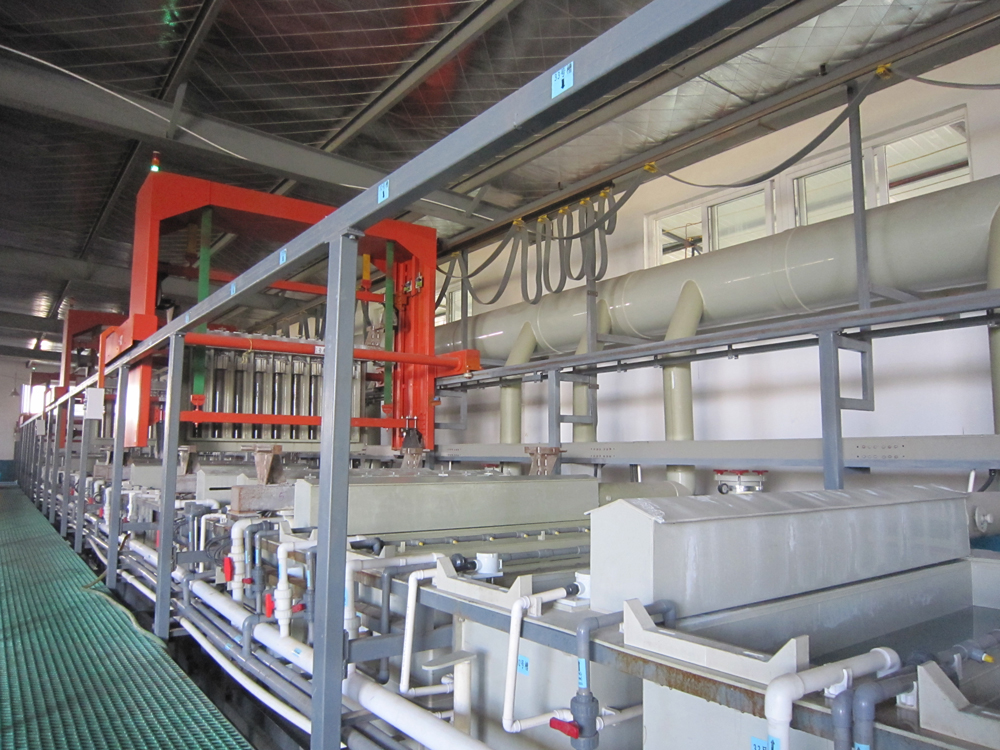
Explore our manufacturing facilities, quality testing bays, and precision machinery workshops.
Because motorized swings and hammocks carry human passengers, meeting structural safety and electronic standards is non-negotiable for commercial developers. Our engineering teams design and manufacture components that facilitate compliance with key international standards:
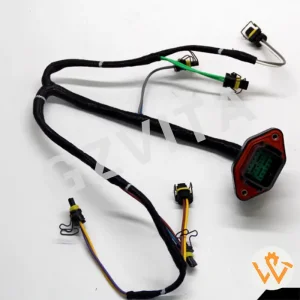
For motorized components, we ensure our assemblies meet CE (European Conformity) and UL standards. Harness systems (like the custom 5462154 Caterpillar series) protect electrical signals and deliver high-durability insulation against water ingress (IP67/IP68 rating), preventing failure in high-humidity outdoor installations.
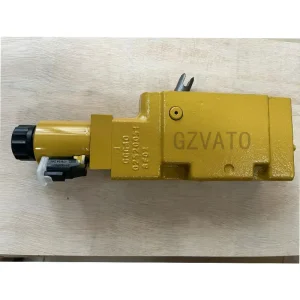
Safety parameters call for a minimum 4x static load safety factor for commercial leisure swings. Using robust hydraulic regulator pump control valves (e.g., 543-3728) and relief valves ensures that even under dynamic overloading or wind gusting, hydraulic pressure limits are managed safely without mechanical failure.
 Vita Construction