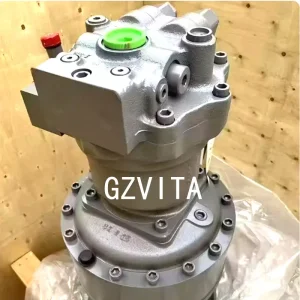
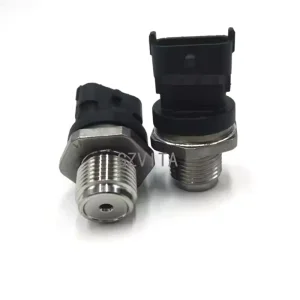
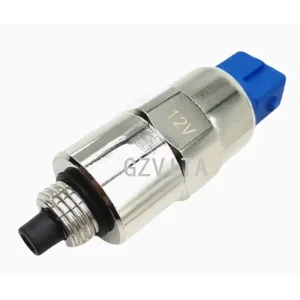
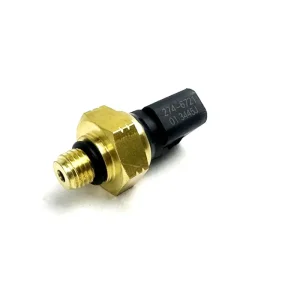
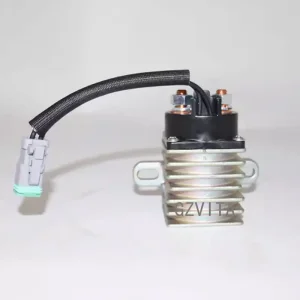
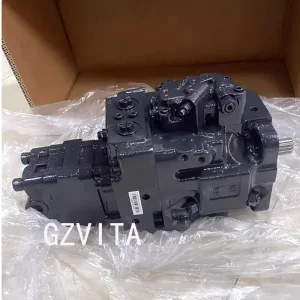
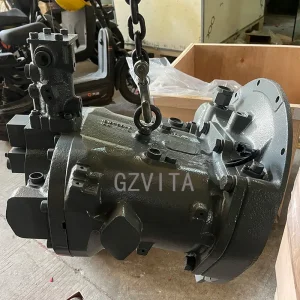
Explore our premium catalog of heavy-duty excavating components, hydraulic assemblies, and high-precision sensors engineered for continuous operations under high structural loads.
The connecting rod assembly is the mechanical bridge that converts the reciprocating motion of the piston into the rotational torque of the crankshaft. In high-performance, heavy-duty applications—such as construction excavators, marine diesels, and heavy transport engines—the connecting rod must withstand massive alternating loads, extreme inertial forces, and intense thermal strain.
Connecting rod shanks are subjected to structural compression up to several gigapascals during peak combustion, followed by intense tension under high inertial velocities at Top Dead Center (TDC). Designing for fatigue limits is critical to preventing catastrophic engine failure.
Modern requirements dictate transitioning from structural carbon steels to advanced micro-alloyed medium carbon steels (like 36MnVS4 or 42CrMo4) and powder metal matrix composites to achieve higher tensile strength with reduced reciprocating mass.
Tolerances for big-end and small-end bore alignment, ovality, and pin bore taper are measured in micrometers. Any deviation causes uneven bearing wear, micro-frictional welding, and eventual bearing seizure.
As global emissions guidelines (Tier 4 Final, Euro VI, and Stage V) force engine designs to optimize fuel efficiency, engine operating pressures have risen significantly. Peak Cylinder Pressures (PCP) now exceed 200 bar in advanced diesel layouts. Consequently, standard connecting rods no longer suffice; high-precision, optimized connecting rod assemblies with high-performance con-rod bearings are essential for modern internal combustion drivetrains.
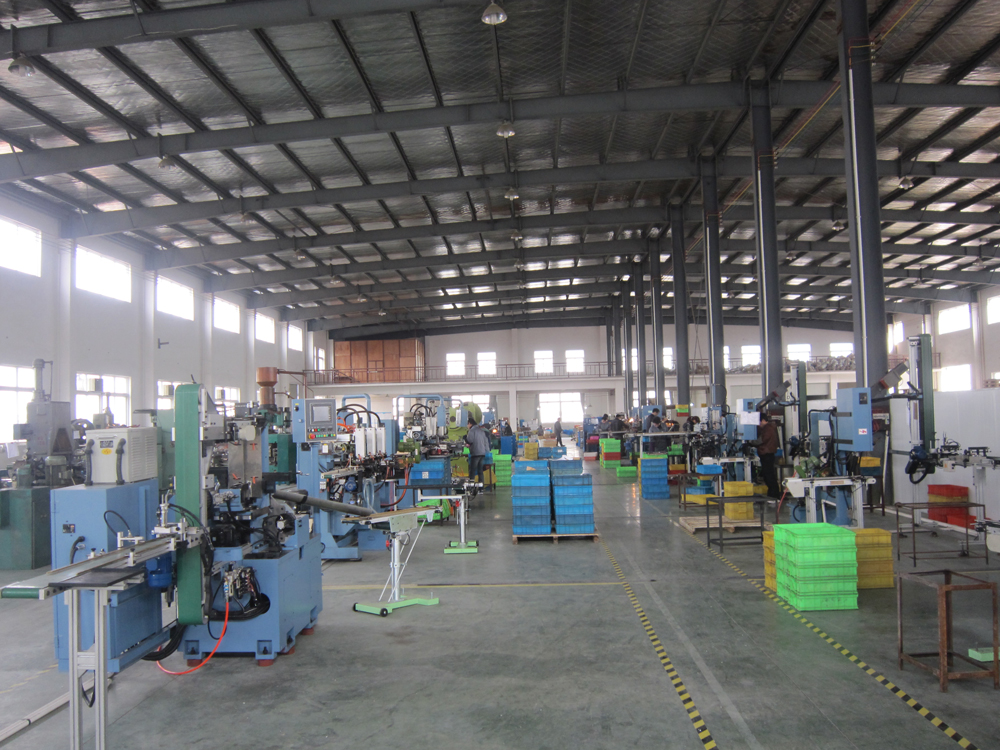
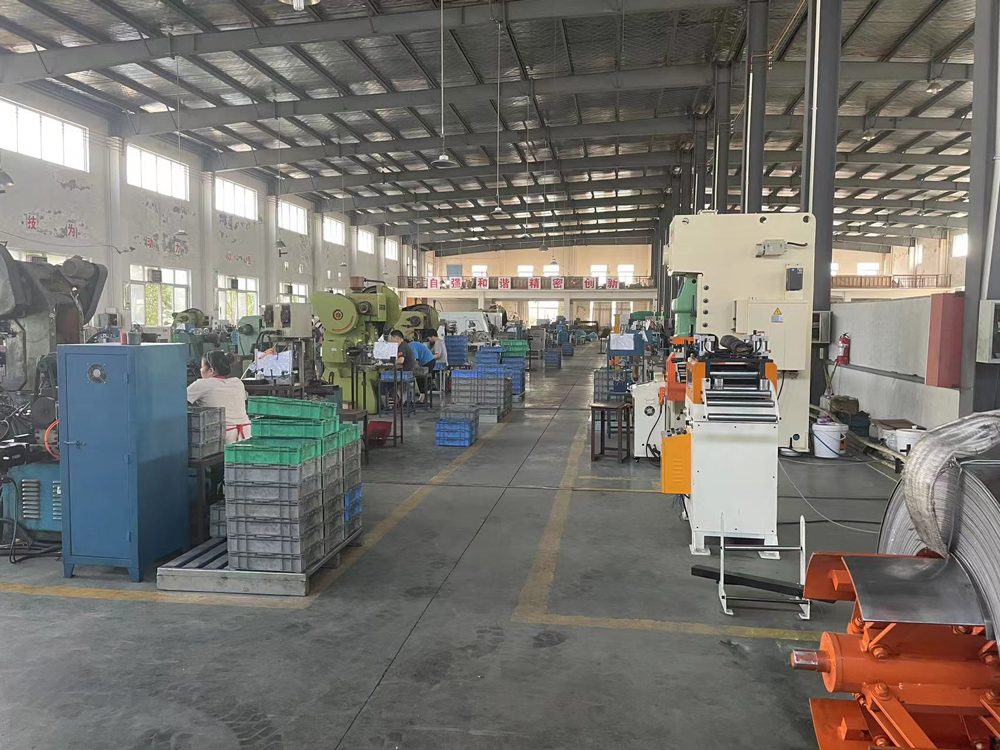
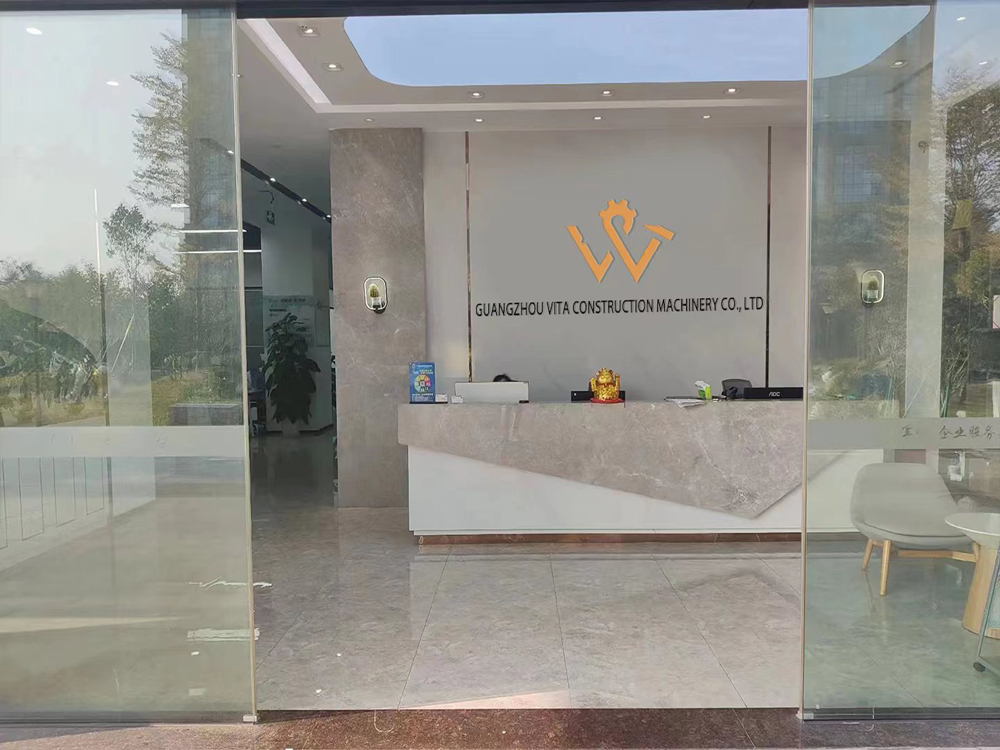
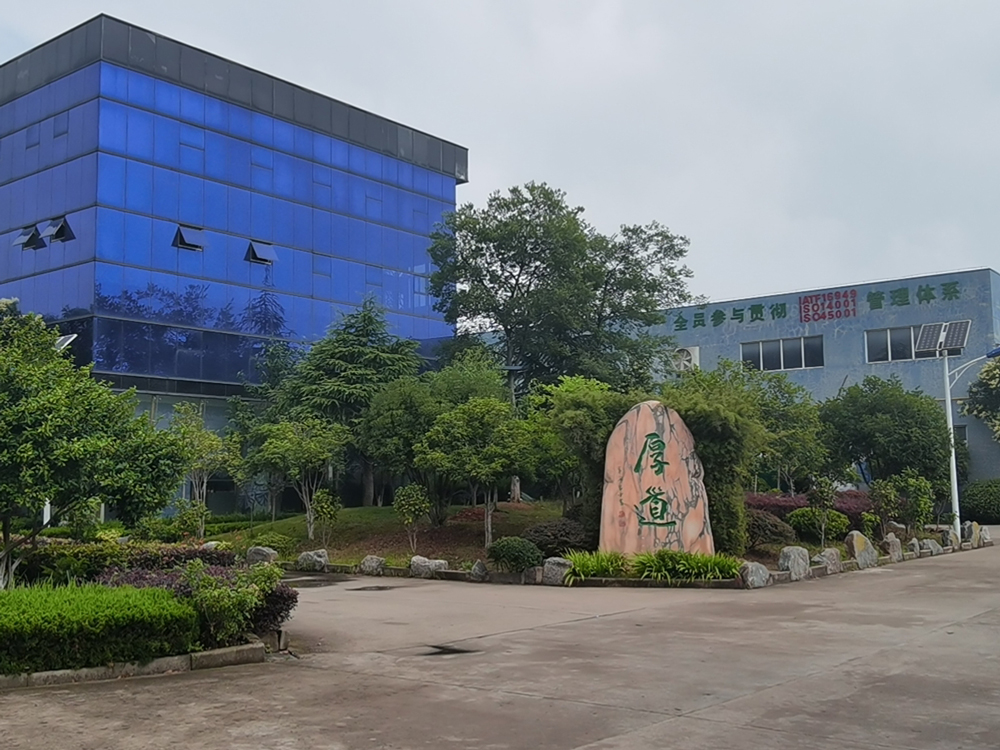
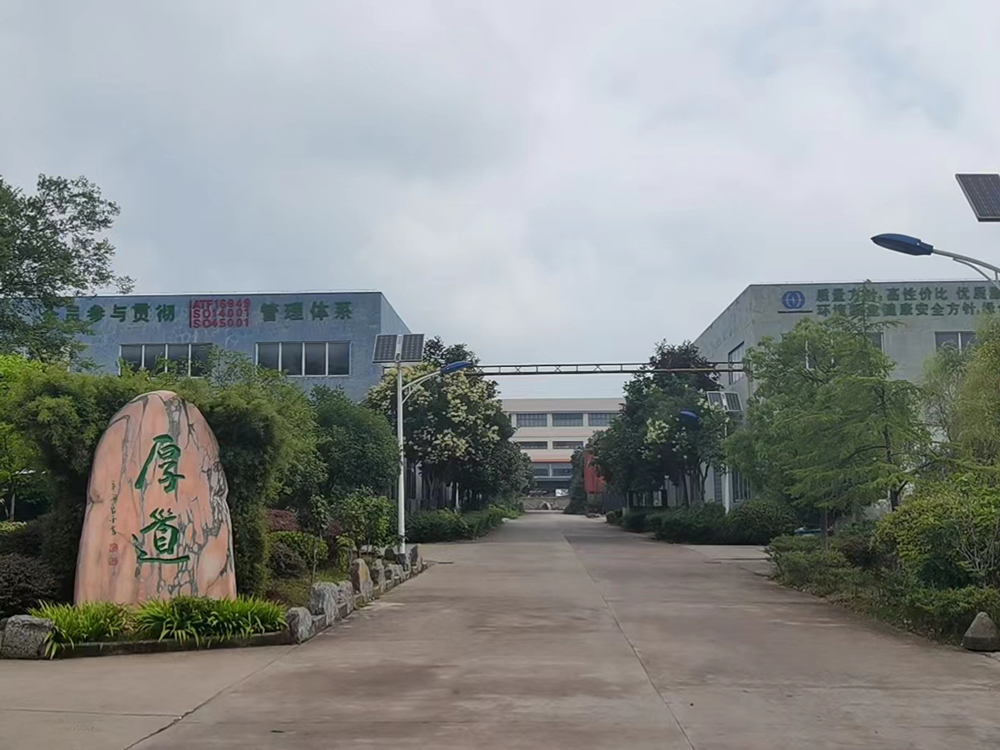
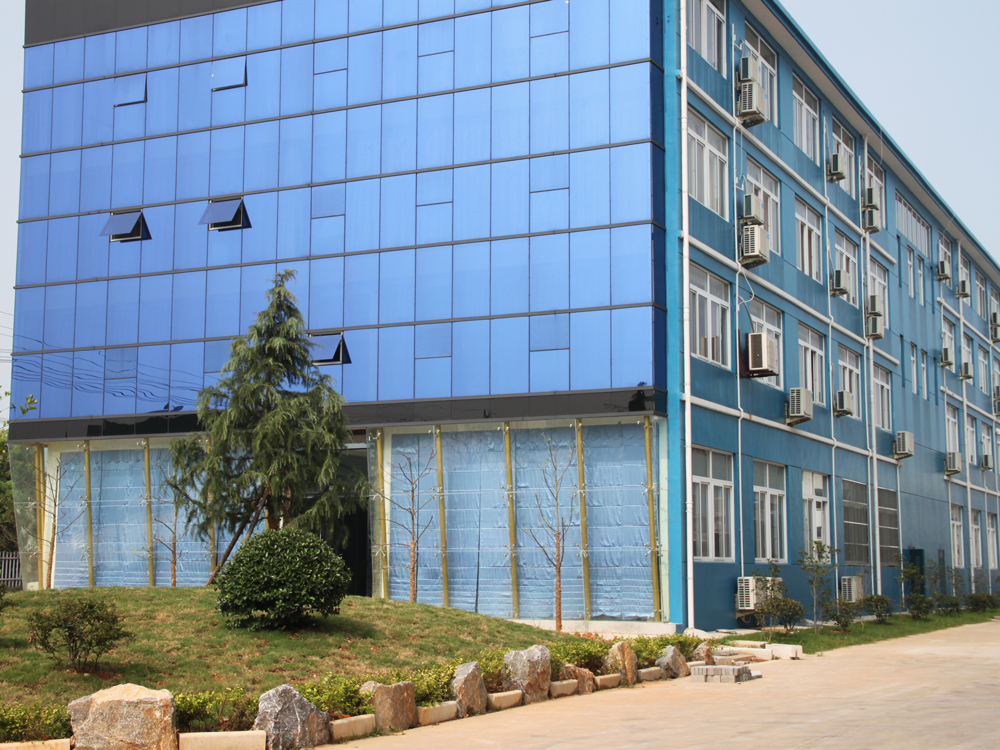
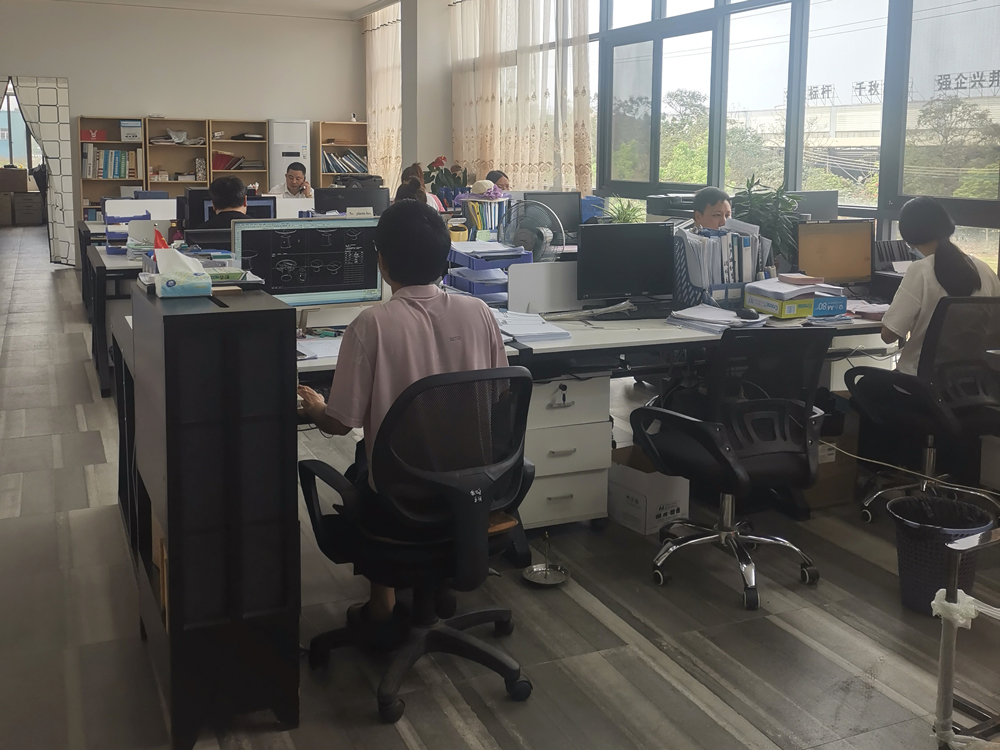
Guangzhou Vita Construction Machinery Co., Ltd. stands as a premium industry leader combining integrated precision manufacturing with international trade pipelines. Our specialized production plant, located in Xiangyang City, Hubei Province, spans a state-of-the-art 18,000 square meter workshop. Powered by advanced automated production machinery, the facility is operated by over 278 highly trained technical specialists alongside a dedicated engineering team of 8 senior diagnostic and metallurgical specialists.
This deep vertical integration enables us to deliver unmatched batch consistency, optimized shipping lead times, and comprehensive metallurgical testing for our global clientele. Our complete component offering extends from complete engines to complex hydraulic and mechanical subsystems, supporting nameplates such as Komatsu, Volvo, Sumitomo, Caterpillar, Kubota, Hitachi, John Deere, Kobelco, Hyundai, Kato, Sany, XCMG, and Sunward.
| Facility Parameter | Technical Capability Specification | Operational Impact |
|---|---|---|
| Workshop Footprint | 18,000+ Square Meters (Xiangyang City, Hubei Province) | High-volume continuous manufacturing & heavy safety stock capabilities. |
| Skilled Labor Force | 278+ Technicians & Machinists, 8 Senior Engineers | Rapid troubleshooting, custom drawings, and tight tolerance controls. |
| Core Brand Adaptability | Caterpillar, Komatsu, Volvo, Hitachi, Kubota, Kobelco, Sany, etc. | 100% geometric interchangeability with OEM specifications. |
| Metallurgical Verification | Spectroscopy, Magnetic Flaw Detection, Ultrasonic Internal Testing | Zero-defect deliveries for critical structural engine parts. |
To maximize durability, our factories apply advanced forging and machining methodologies. Below is the technical roadmap illustrating the core processing stages of high-performance con-rods.
Utilizing micro-alloyed steel (e.g., C70S6). Multi-directional closed die forging aligns grain flows, preventing cracking under peak cylinder pressure.
The big-end is hydraulically fractured instead of slit by machining. This creates unique matching surfaces that eliminate lateral shift during high-RPM operations.
High-velocity steel shot impacts the rod surface, introducing compressive residual stress. Gas nitriding improves surface hardness and fatigue resistance.
Piston pin bores and crank pin bores are honed to a tolerance of +/- 0.005mm. Bronze/steel composite bushings are press-fitted for high load bearing.
Historically, the big-end cap of the connecting rod was separated from the main rod by sawing or milling, followed by grinding the mating surfaces. This required aligning sleeves or locating dowel pins to ensure the cap and rod lined up perfectly during assembly.
Our modern factories utilize laser-scribed fracture splitting. By using a laser to score two opposing grooves on the inner bore, and then applying a sudden internal hydraulic pressure wedge, the cap is cleanly cracked away from the rod. The resulting microscopic, rough mating surface acts as an organic, multi-dimensional alignment lock. When bolted together at the specified torque, the cap cannot shift, improving bearing life and maintaining perfect bore roundness under severe load conditions.
Heavy-duty construction machinery operates in environments ranging from sub-zero arctic mining sites to hyper-arid desert infrastructure projects. A one-size-fits-all connecting rod assembly will fail under regional variations in stress profile and thermal cycles.
Regions: Northern Europe (Sweden, Finland), Canada, Siberia.
Challenge: Extreme low-temperature brittleness. Standard carbon steels undergo a ductile-to-brittle transition, risking catastrophic rod fracture at startup.
Solution: We supply nickel-alloyed forged steel connecting rods combined with customized engine pre-heaters to maintain high impact toughness down to -40°C.
Regions: Andean Plateau (South America), Tibetan Plateau, Rocky Mountains.
Challenge: Lower air density decreases combustion efficiency, leading to higher exhaust gas temperatures (EGT) and localized piston/con-rod heat transfer.
Solution: Rods feature oil-cooling galleries in the small end and specialized bronze bushings to withstand elevated thermal stresses without thermal fatigue.
Regions: Southeast Asian Archipelagos, Middle Eastern Port Infrastructure.
Challenge: Humidity and salt spray accelerate corrosion, causing micro-pitting on critical mechanical components.
Solution: Surface passivation treatment and moisture-proof packaging, combined with zinc-phosphate anti-wear oil coatings, ensure rust-free shipping and storage.
Guangzhou Vita’s strategic location in the industrial hub of Hubei Province provides our international clients with critical advantages in cost efficiency, technological integration, and logistics reliability.
Hubei Province has a robust automotive and steel-making supply chain, providing immediate access to high-grade alloy steel suppliers. This proximity minimizes raw material transport costs and eliminates production delays caused by supply line shortages.
We combine high-volume production with real-time inspection. Our testing labs utilize coordinate measuring machines (CMM), magnetic particle inspection (MPI) for crack detection, and spectral analysis of raw steel batches to ensure material consistency.
Guangzhou is our primary trade and customer service center, providing streamlined ocean freight shipping through major deep-water ports. This setup enables cost-effective LCL and FCL distribution globally, complemented by fast air freight for urgent repair components.
Our manufacturing systems utilize automated forging lines and CNC machining centers, minimizing human error and ensuring part-to-part consistency. By implementing lean manufacturing techniques, we can quickly scale production from low-volume custom orders to high-volume OEM supply agreements without compromising component quality.
At Guangzhou Vita, we understand that heavy machinery component failure causes costly project delays. We maintain a specialized field-service division ready to assist on-site. Our technical teams can deploy to regional hubs, helping clients diagnose mechanical failures, verify bearing wear, and optimize engine assembly procedures.
Additionally, our virtual diagnostic division offers video-linked inspection reviews and custom assembly instructions. If a fleet operator experiences repeated connecting rod issues, our engineers analyze the operational load data and recommend material modifications, custom dimensions, or upgraded bearing materials.
Our manufacturing and distribution processes comply with global quality management systems, including:
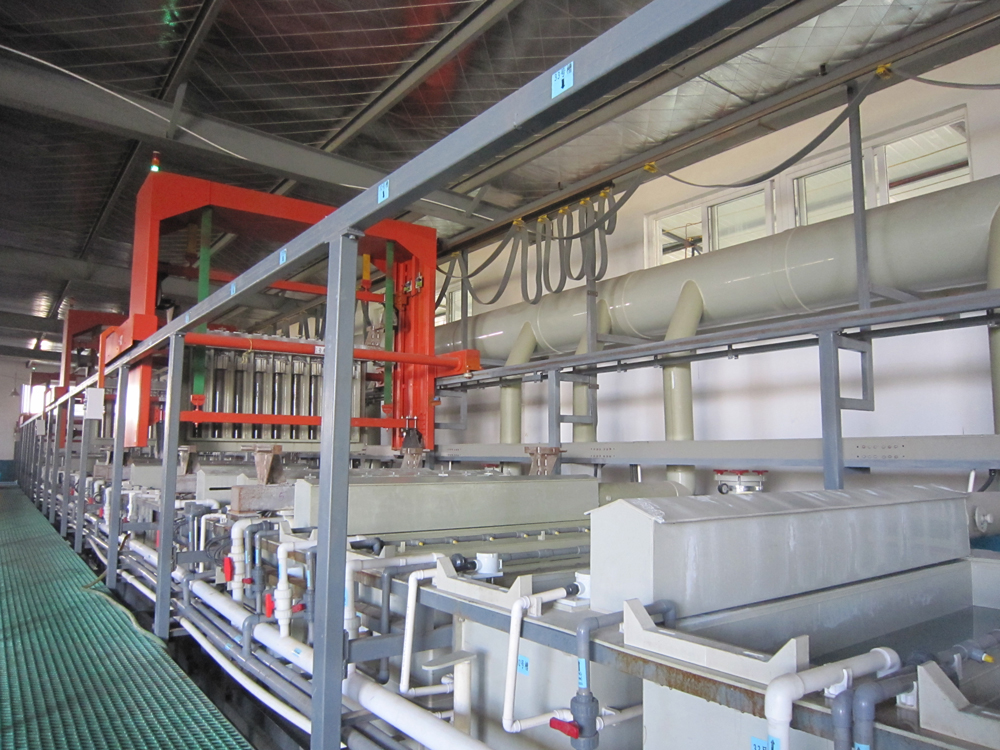
Take a virtual walk through our advanced production lines, automated testing workshops, and heavy machinery inventory warehouses in Hubei Province.
Get expert answers to common technical, manufacturing, and logistical questions about connecting rod assemblies and engine component sourcing.
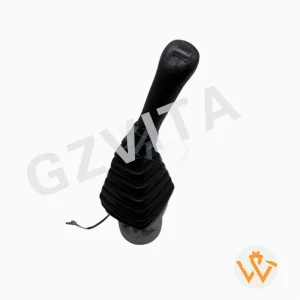
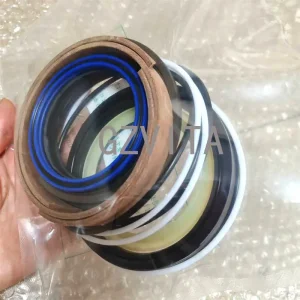
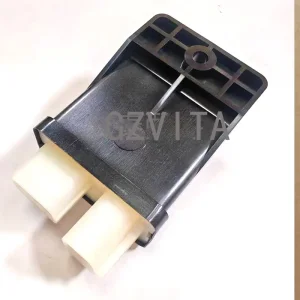
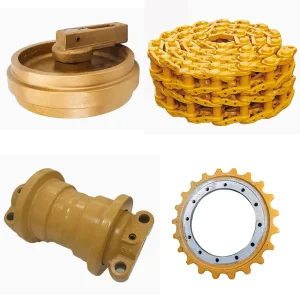
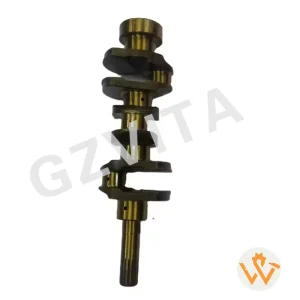
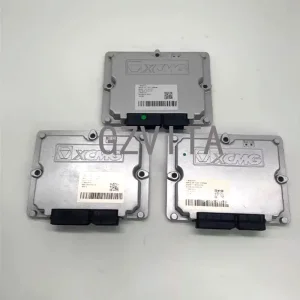
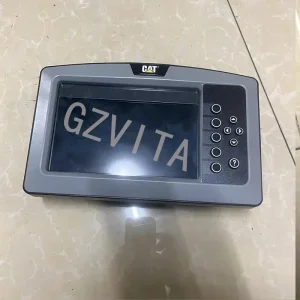
Complete your procurement cycle with our range of OEM-grade excavator joysticks, engine seal kits, crankshaft assemblies, and wear-resistant track link systems.
 Vita Construction