Direct from Factory: Wholesale Engine, Hydraulic, and System Assemblies Designed for Modern Construction Machinery
Understanding Tribological Performance, Supply Constraints, and OEM Compliance in Heavy-Duty Excavation Operations
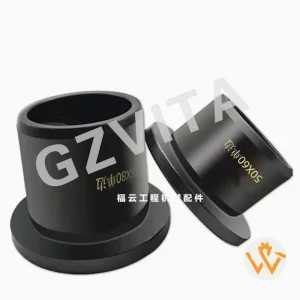
In heavy-duty internal combustion engines—particularly those found in excavators, mining rigs, and bulldozers—the connecting rod bearing represents one of the most critical tribological junctions. Tasked with bearing structural loads that frequently exceed tens of megapascals under extreme thermal variations, these micro-engineered sleeves prevent metal-on-metal contact between the rod journal of the crankshaft and the connecting rod itself.
For global fleet procurement officers and distributors, selecting the appropriate metallurgy (such as copper-lead or aluminum-tin alloys) directly impacts lifecycle maintenance schedules (TCO) and prevents catastrophic engine failures (e.g., spun bearings, crankcase destruction).
Modern heavy-duty diesel engines operate at higher injection pressures and tighter tolerances than legacy models. This shift demands that rod bearings demonstrate superior fatigue resistance (over 90 MPa load capacity) and adapt to low-viscosity oils without local surface seizure.
The Evolution of High-Performance Bearings from Bimetal Arrays to Nano-Coated Overlays
Commonly applied in medium-duty environments. Offers good corrosion resistance and conformability without lead compounds, aligning with global environmental restrictions (RoHS compliance).
Utilizes a steel backing, a copper-lead intermediate matrix, and an electroplated overlay. Designed to withstand mechanical forces exceeding 120 MPa, ideal for heavy-duty earth-moving diesel engines.
Application of Physical Vapor Deposition (PVD) to overlay polyamide matrices infused with molybdenum disulfide (MoS2) or carbon nanotubes. Offers dry run protection during startup phases.
Combining Advanced Metallurgical Craftsmanship with Global Logistics to Deliver High-Performance Spares
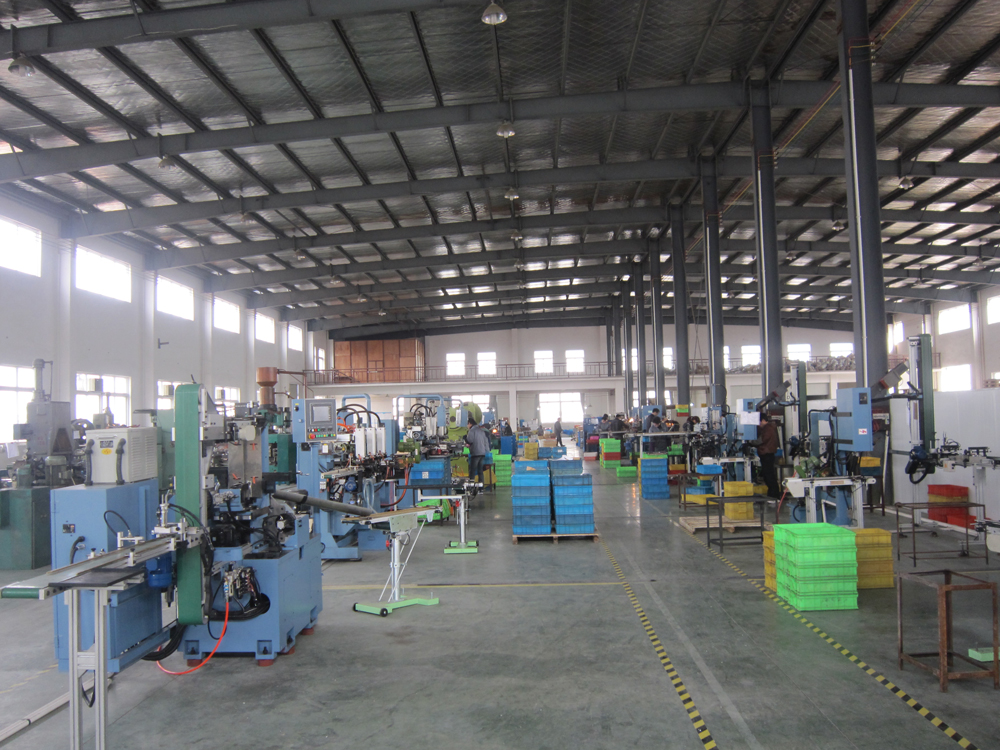
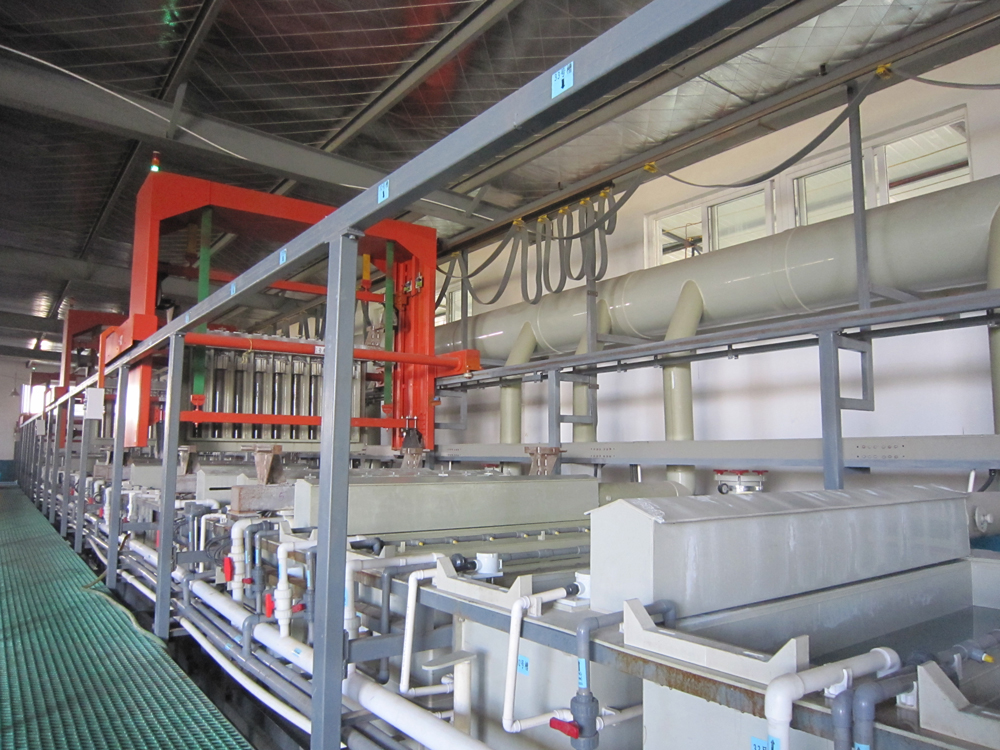
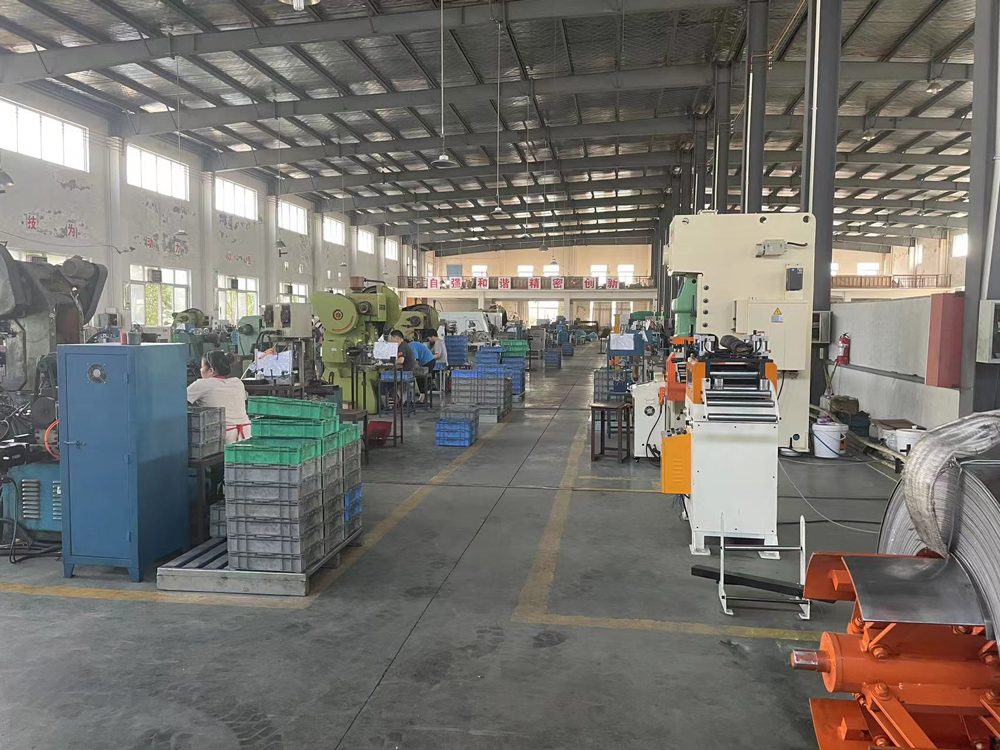
As a prominent leader combining advanced engineering and foreign trade, Guangzhou Vita Construction Machinery Co., Ltd. operates a highly standardized production facility located in Xiangyang City, Hubei Province. Spanning more than 18,000 square meters, our facility incorporates precision machining lines, metallurgical testing labs, and state-of-the-art packaging systems.
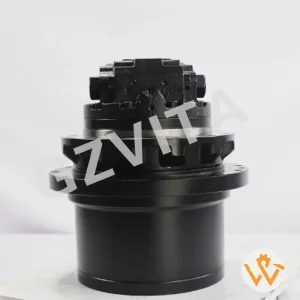
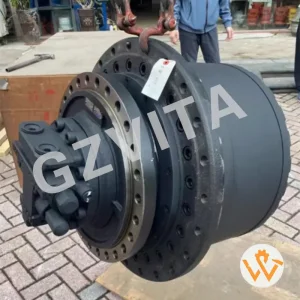
With 278 skilled workers and an engineering staff comprising 8 experienced engineers, we ensure strict quality compliance for engine bearings (including Main bearings and Connecting Rod Bearings series), crankshafts, hydraulic components, travel reduction gearboxes, and electrical components.
Pre-delivery fatigue-testing systems
OEM-matching tolerance limits
Support for 12+ international brands
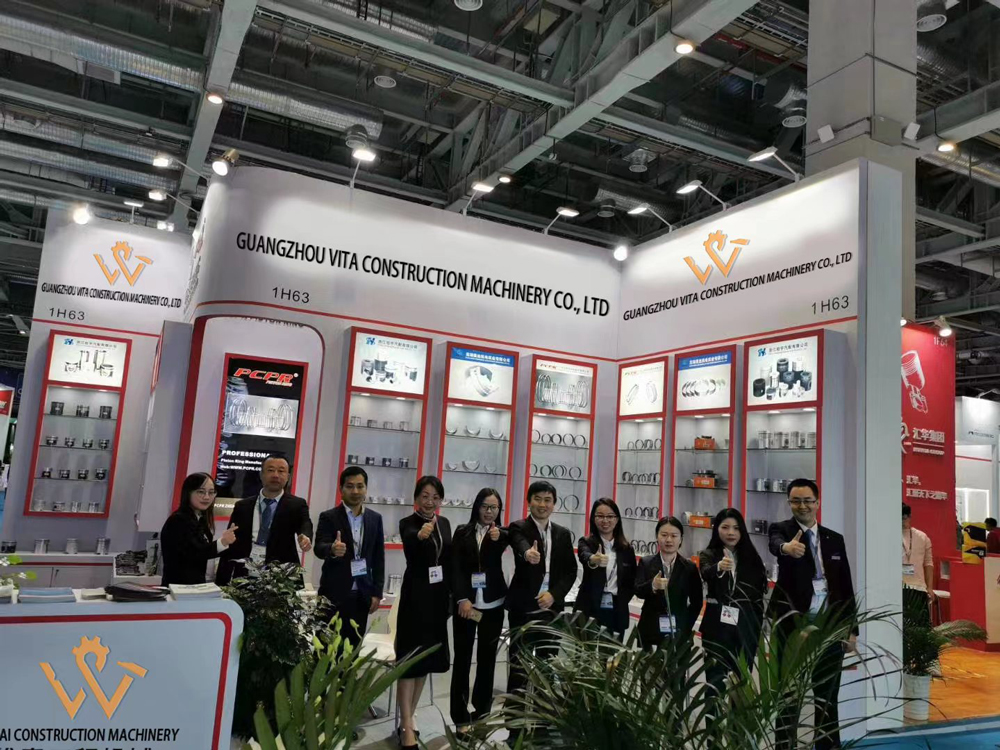
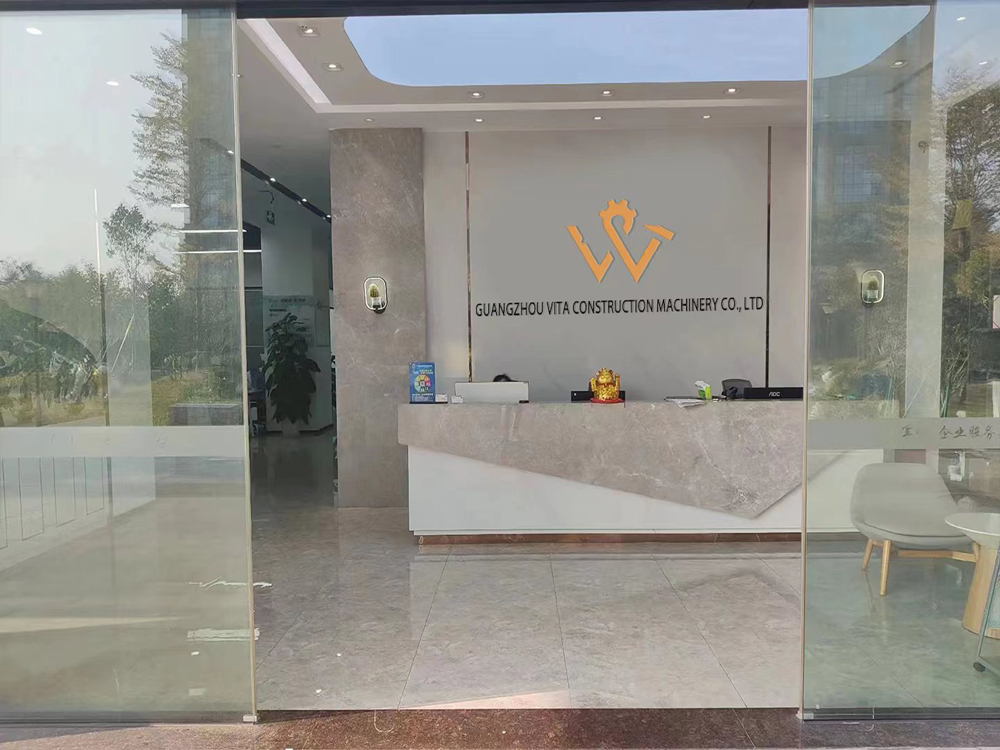
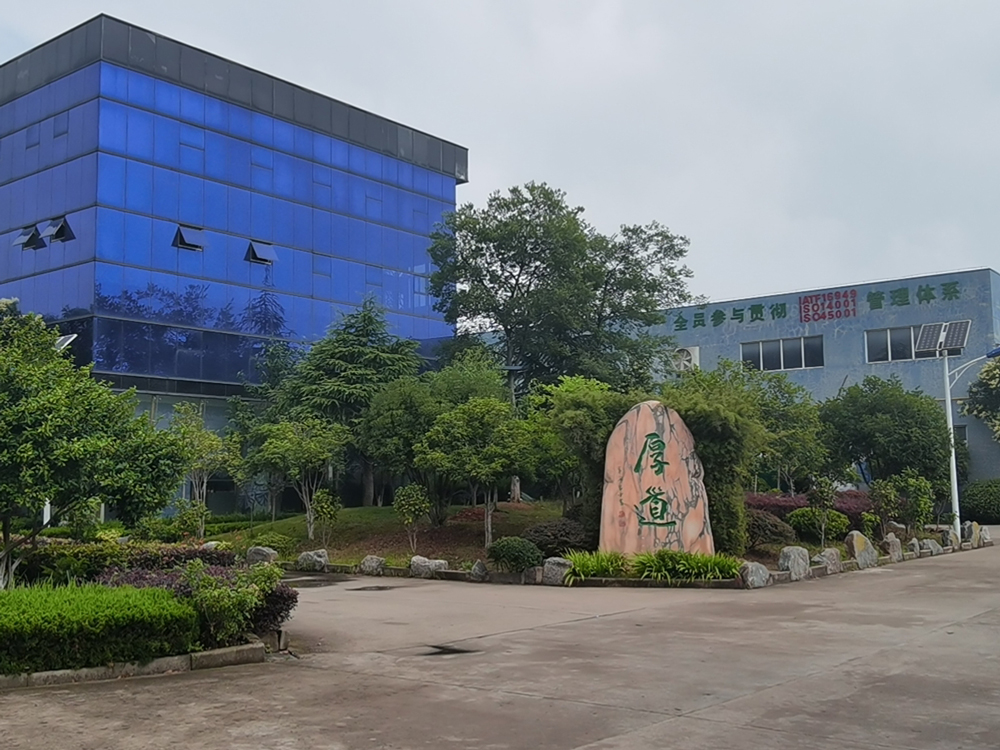
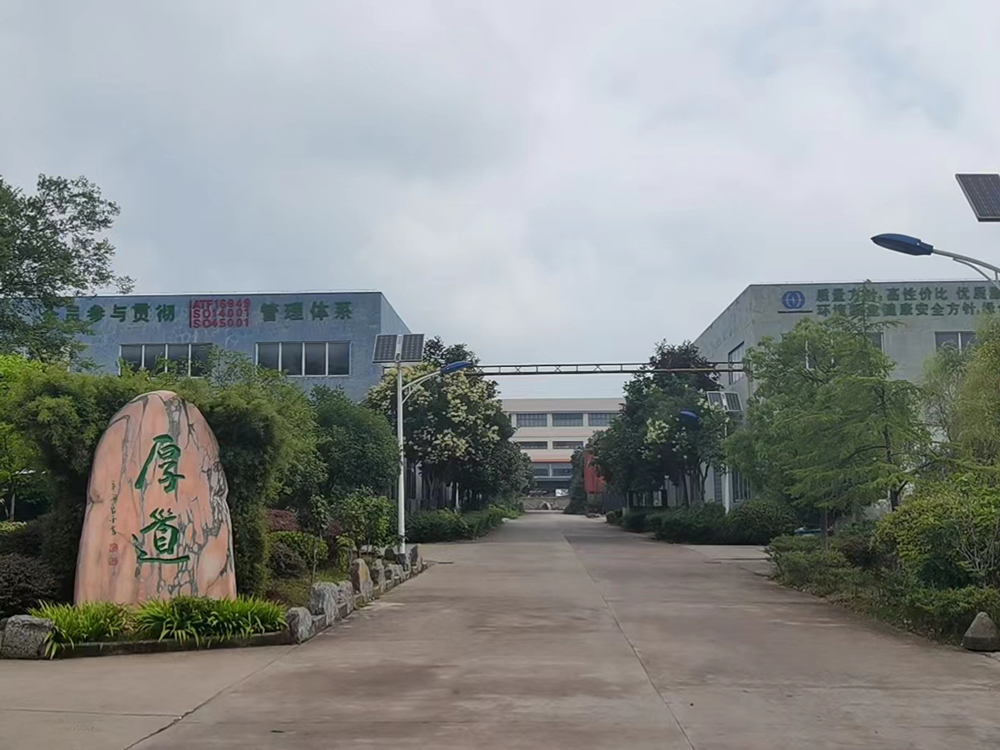
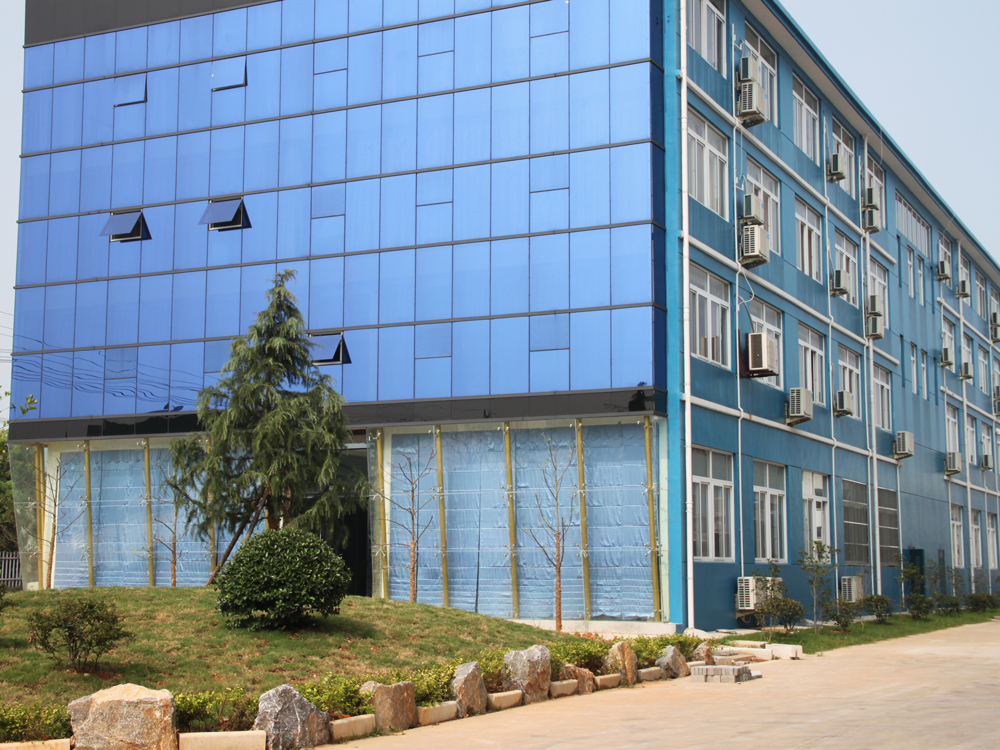
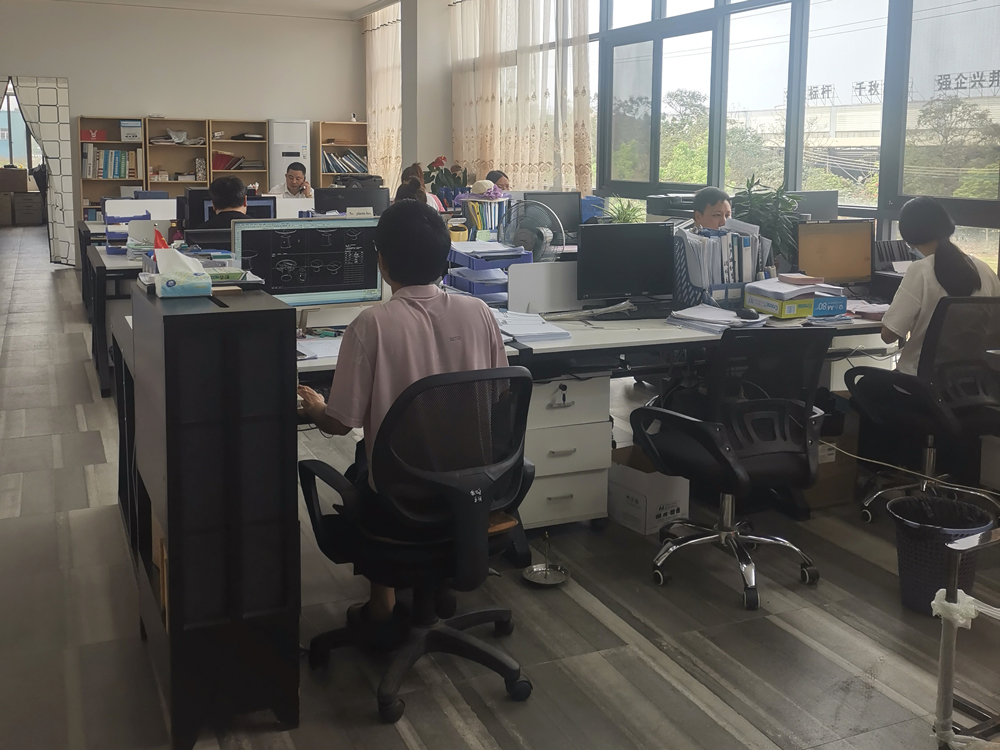
We supply replacement spares for major global earth-moving equipment, ensuring exact tolerance matching.
| Equipment Brand | Engine Series Compatibility | Connecting Rod Clearance Specs | Recommended Material Group |
|---|---|---|---|
| Komatsu | SAA6D107E, S6D102, S6D125, PC200-8/PC300-8 | 0.035 mm - 0.085 mm | Tri-Metal Copper-Lead Sputter Layer |
| Caterpillar | CAT 324D, 325D, 329DL, C7, C9, C13 | 0.040 mm - 0.090 mm | Bi-Metal Al-Sn-Si / Sputtered Overlay |
| Volvo | D6D, D7D, D12D, EC210B, EC360B, EC480B | 0.038 mm - 0.088 mm | Tri-Metal Lead-Bronze Alloy |
| Hitachi / John Deere | 4HK1, 6HK1, ZX200-3, ZX330-3 | 0.030 mm - 0.080 mm | Solid Lubricant Bonded Polymer Lining |
| Sany / XCMG / Zoomlion | D06FR, QSB6.7, SY485, XE490 | 0.035 mm - 0.085 mm | Lead-Free High Tin Aluminium Matrix |
Detailed technical answers addressing common installation, procurement, and maintenance questions.
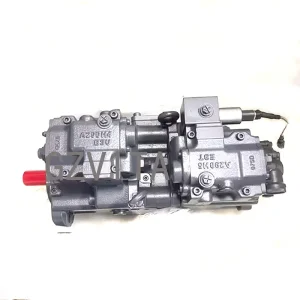
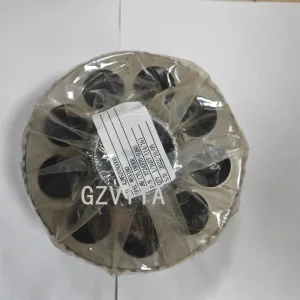
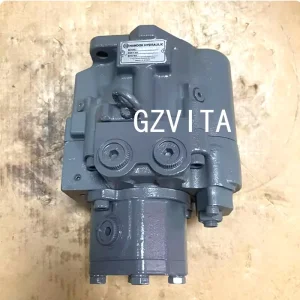
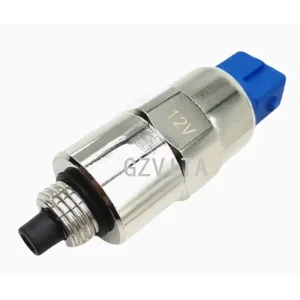
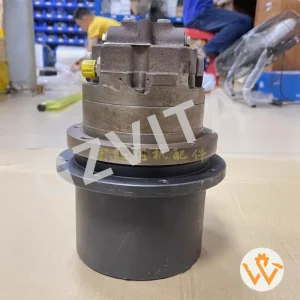
Complete your supply chain with OEM-grade cylinder liners, valves, hydraulic main pumps, and electronic control consoles
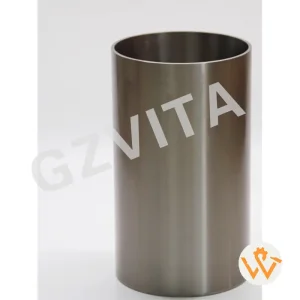
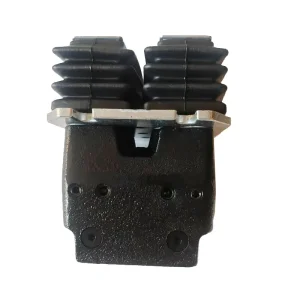
 Vita Construction