For modern fleet operations and automotive distributors, understanding control infrastructure begins with a fundamental question: "Does my vehicle or machinery platform have an Electronic Control Unit (ECU)?" The simple answer is that virtually all internal combustion, hybrid, and electric engines built after 1996 utilize an ECU to control ignition timing, fuel-to-air ratios, sensor diagnostics, and emissions parameters. In the industrial arena, heavy equipment like excavators (including Hitachi, Kobelco, Volvo, Sany, and Caterpillar models) rely on dedicated engine control modules alongside hydraulic controller units (HCUs) to optimize load sensing and machine telemetry.
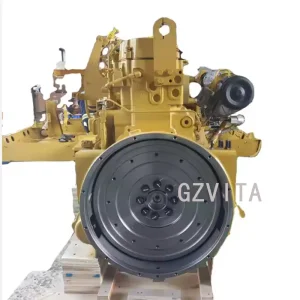
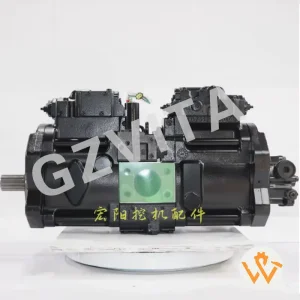
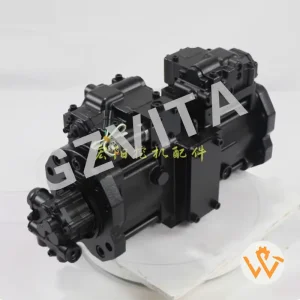
At the center of any modern control architecture, the ECU acts as the central processor, decoding inputs from vital engine components. If you are retrofitting or servicing systems using components like the Complete Engine AR-C0 5243092 for Wheel Loader 972M 966L or the Hydraulic Pump K3V112, synchronization between the physical sensors and the computer programming interface is essential to ensure long-term operation. High-performance microcontrollers embedded within our custom ECUs translate analogue pressure, temperature, and throttle values to manage engine dynamics efficiently and in real-time.
Collects real-time physical feedback including crankshaft position, engine speed, intake manifold pressure, and coolant temperature. Our OEM-certified interfaces maintain signal integrity even under high electrical noise.
Utilizes high-speed 32-bit automotive processors running real-time operating systems (RTOS) to calculate injection events and valve adjustments within microseconds to maximize fuel economy.
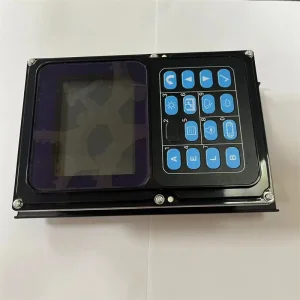
Employs industry-standard J1939 and CAN-Bus communication protocols, establishing seamless data links with displays like the PC228US-3 Monitor, hydraulic pumps, and safety shut-off valves.
The automotive and industrial machinery control ecosystem is shifting from decentralized microcontroller configurations (where discrete controllers govern independent sub-systems) to centralized domain and zone controllers. Legacy platforms commonly deployed up to 80 separate electronic controllers to regulate the engine, cabin comfort, hydraulics, and transmission interface. Today, smart machinery and vehicles are migrating toward Software-Defined Architectures (SDVs).
In our research and development pipelines at Guangzhou Vita Construction Machinery, we are anticipating these trends by engineering hybrid domain systems that handle both engine optimization and hydraulic pilot control loop coordination. In practice, this means linking hydraulic pressure telemetry, engine throttle outputs, and operator monitors (such as the 7835121013 Display Screen) into an integrated telemetry environment. This consolidation lowers harness complexity, removes single-point electronic failure vectors, and enables OTA (Over-the-Air) firmware calibration updates.
Industrial applications demand tough configurations capable of running in extreme environments. Our complete suite of parts goes beyond just electrical processors to encompass macro solutions that integrate core hardware with dynamic fluid routing systems.
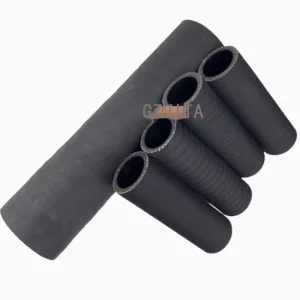
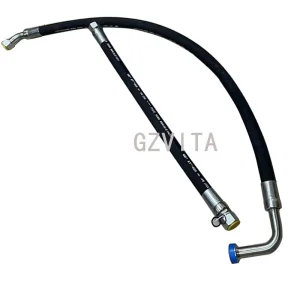
Integrating heavy mechanical links such as the Hitachi Excavator ZAX120 OEM Radiator Hose (4348414) and high-pressure hose configurations (such as the XT-6 ES High Pressure Hose Assembly 1E2836 for CAT336GC) alongside thermal sensor networks connected to the ECU to safeguard engines from overheating.
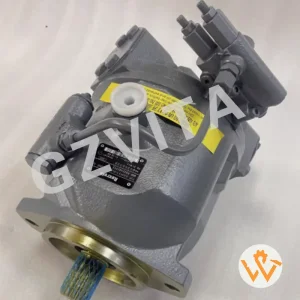
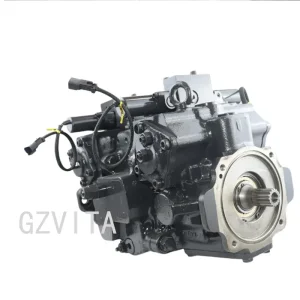
Linking displacement control solenoids on high-capacity hydraulic piston pumps (like the K3V63DTP Piston Pump for JCB130 or A10VO74 for Doosan/Lovol) to the controller. This allows for automated stroke-volume reduction when system pressure approaches maximum thresholds.
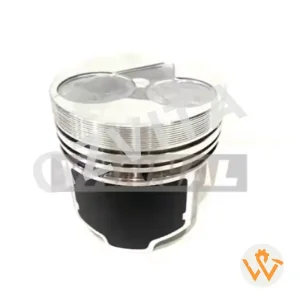
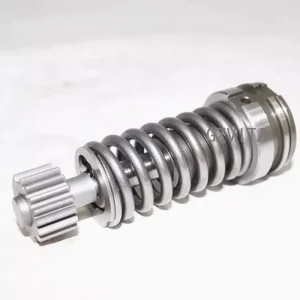
Implementing fuel injection calibration configurations directly designed for engine cylinder configurations, such as the Kubota D722 Engine Piston assembly and high-efficiency plungers (e.g. the 1W-6541 Fuel Pump Plunger) to control emissions and lower thermal stress.
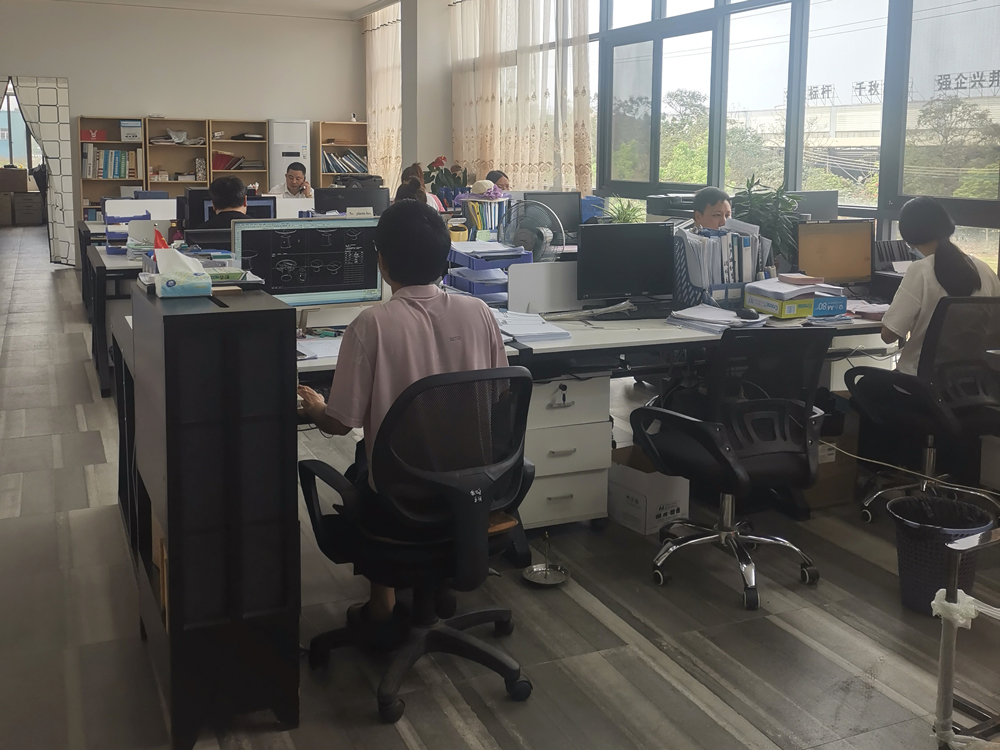
Guangzhou Vita Construction Machinery Co., Ltd. stands as a premier enterprise uniting industrial component manufacturing with global foreign trade. Operating out of our specialized factory located in Xiangyang City, Hubei Province, we run an advanced 18,000+ square meter workshop. Our high-precision production environment features advanced surface-mount technology (SMT) equipment, automated inspection systems, and automated pressure testing lines.
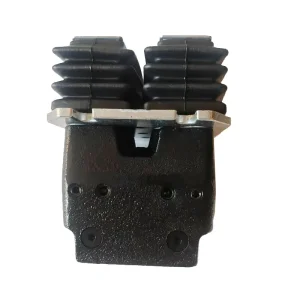
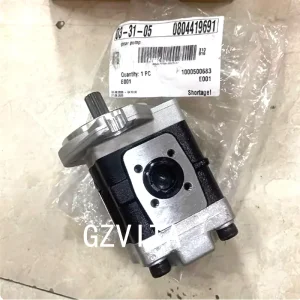
With a staff of 278 well-trained, skilled workers alongside 8 experienced engineers, we ensure that every excavator control valve, hydraulic pilot gear pump, monitor assembly, and custom radiator hose meets tight OEM tolerances and operates reliably in the field. Our manufacturing methods focus on quality control at every phase: from structural steel selection to electronic trace diagnostics and thermal profiling.
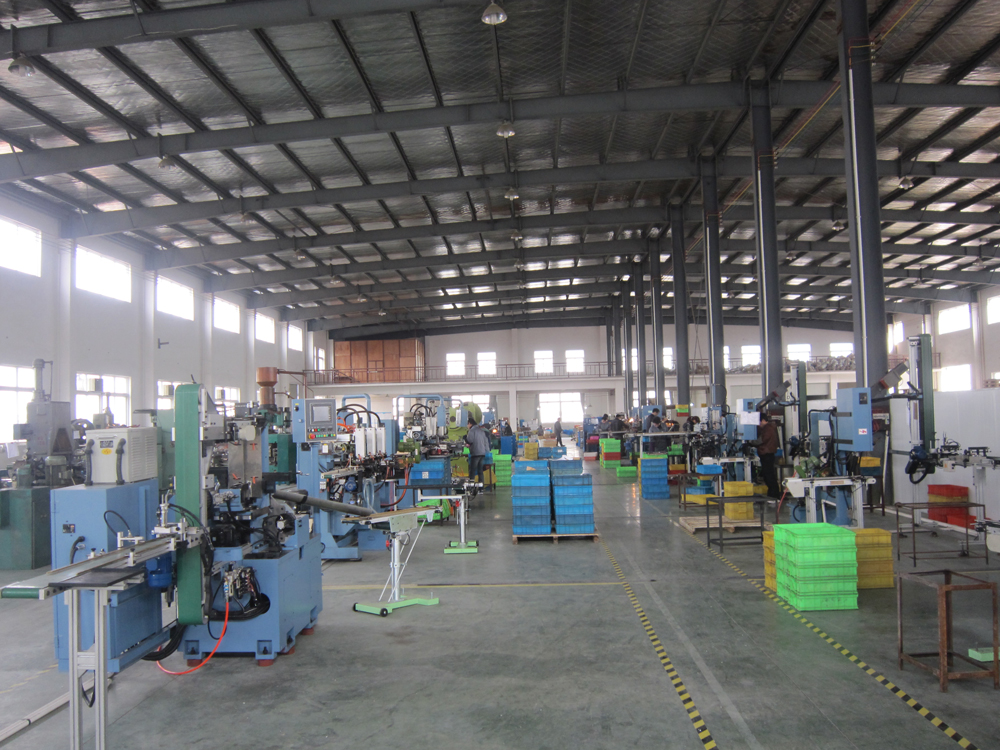
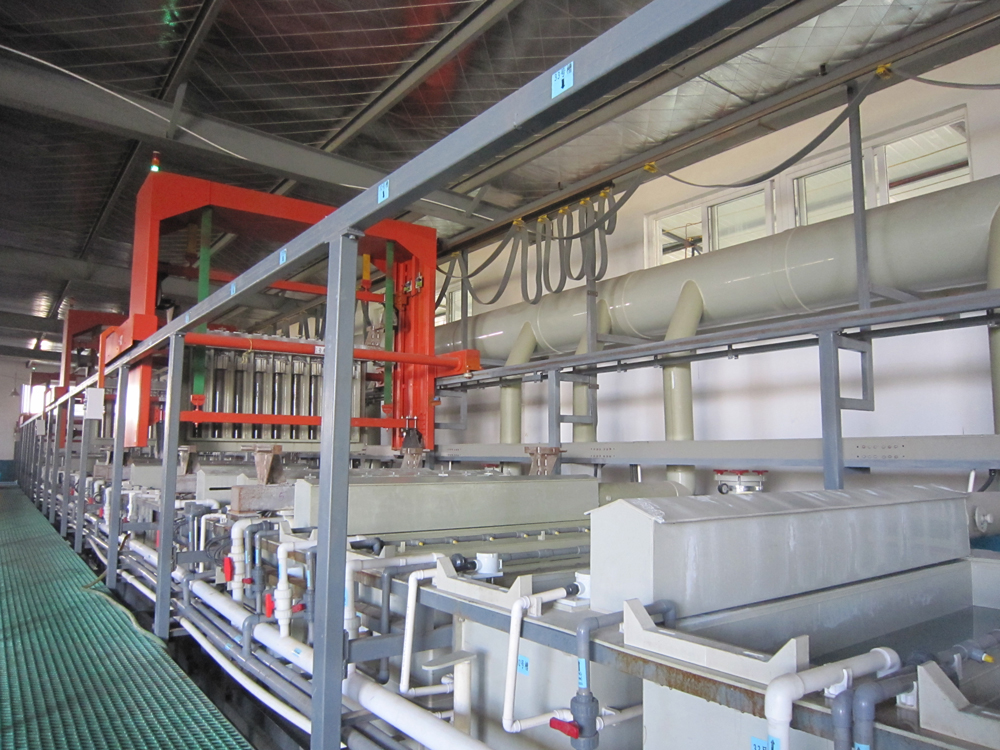
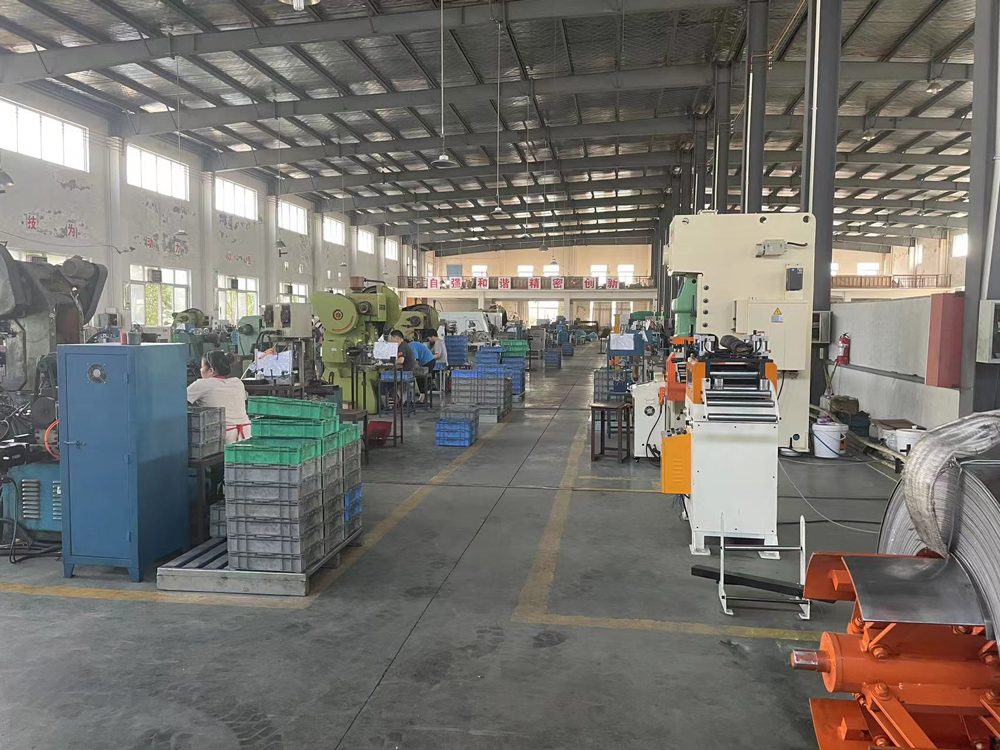
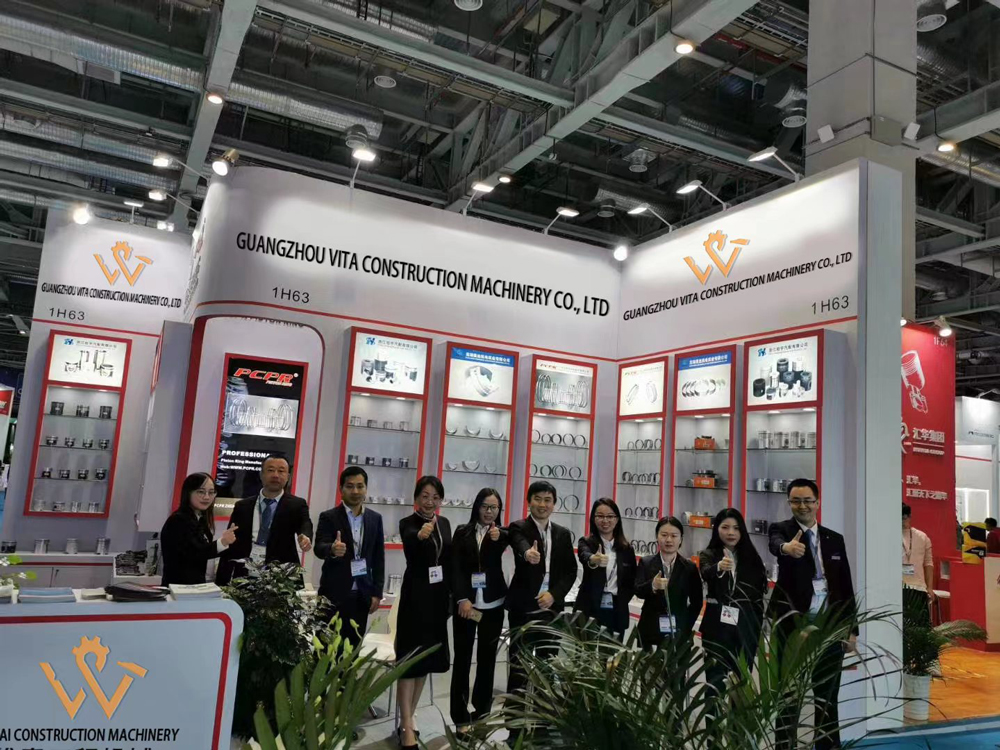
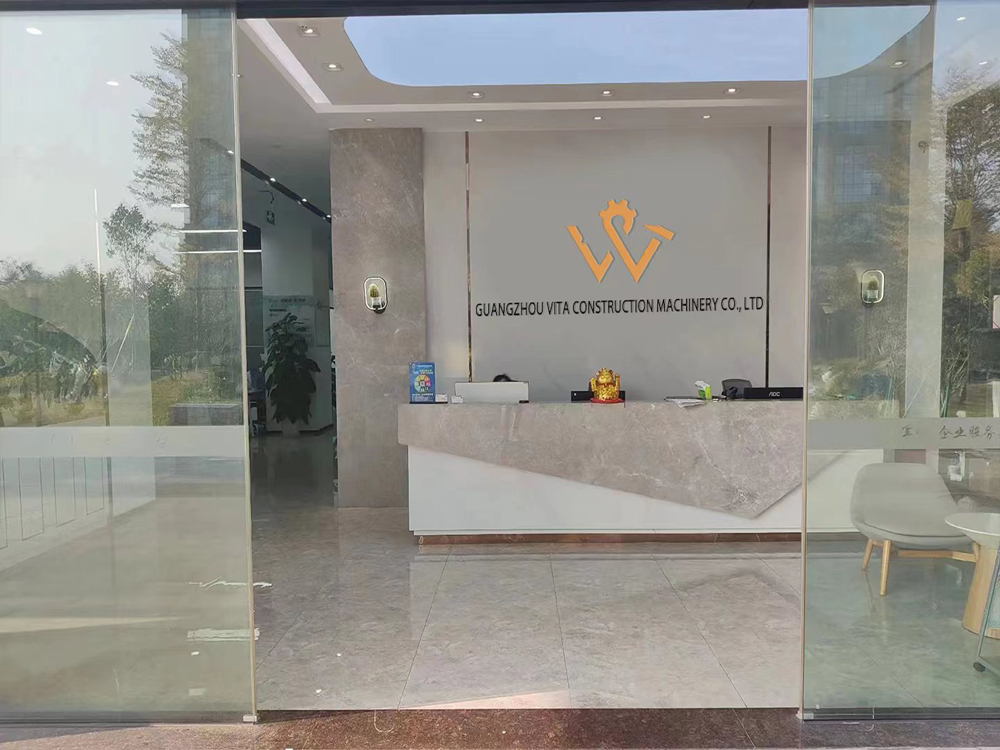
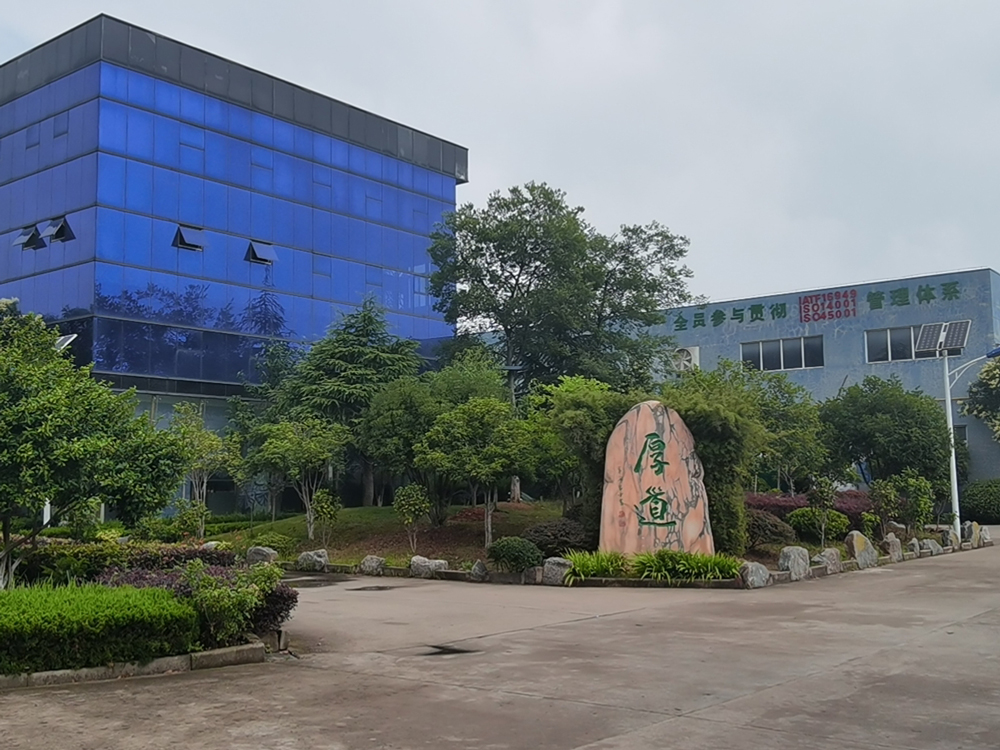
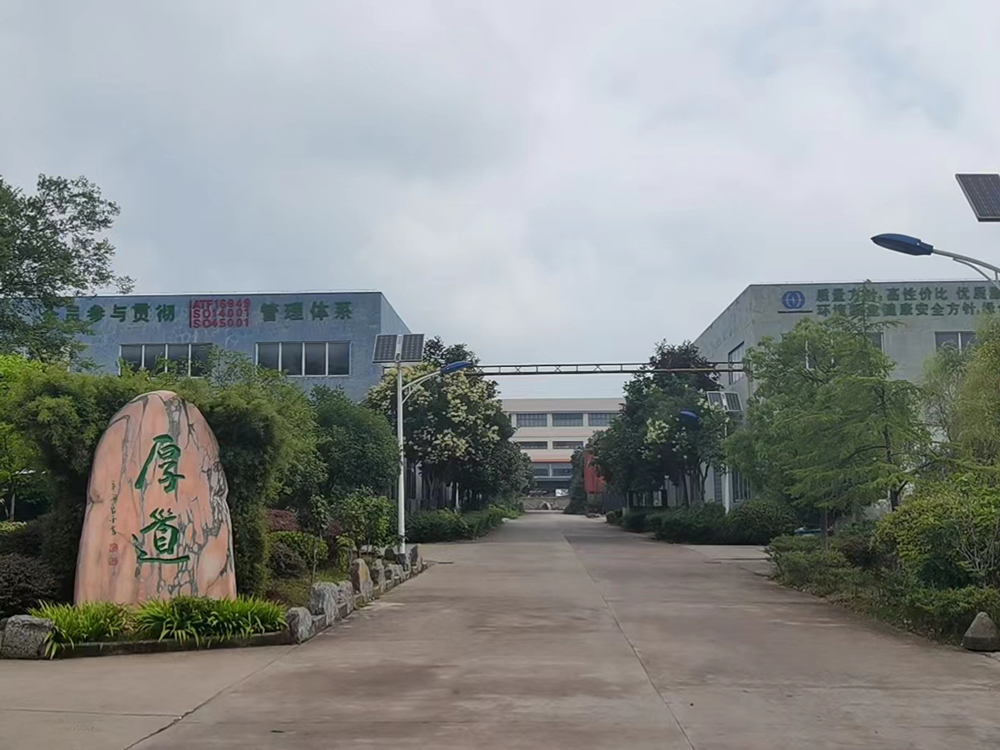
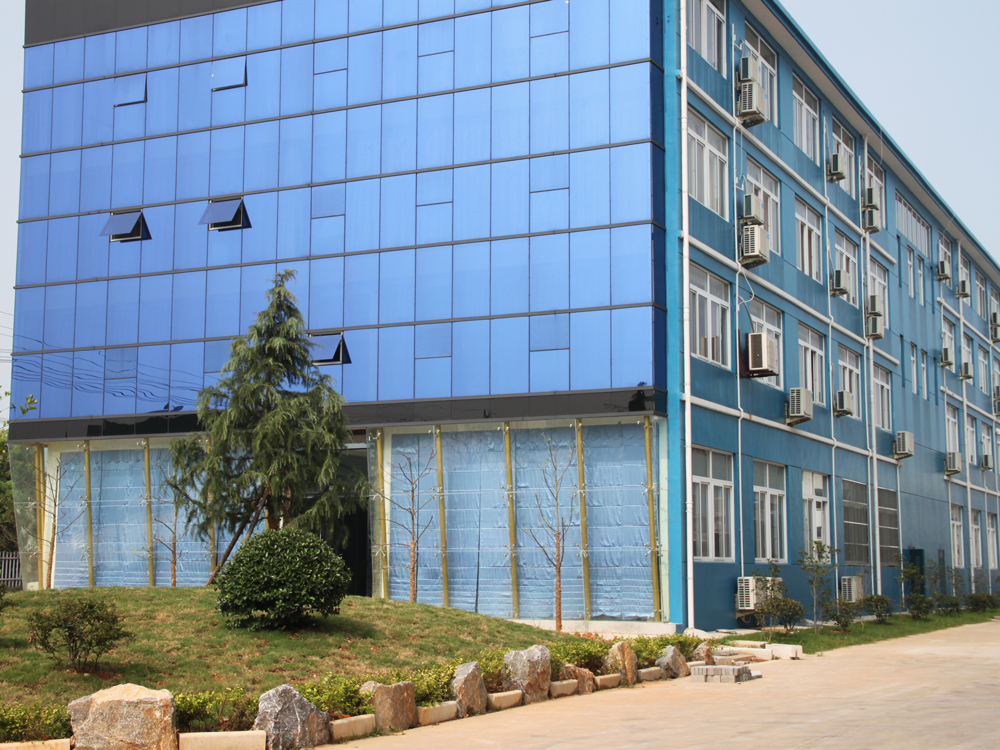
Industrial wholesale purchasing requires more than off-the-shelf electronic modules; it demands deep compatibility and verification processes. Large construction operations, mine operators, and parts distributors need to know that replacement parts match original OEM profiles. Guangzhou Vita Construction Machinery maintains compatibility across a wide range of leading global machinery brands, including: Komatsu, Volvo, Sumitomo, Caterpillar, Kubota, Hitachi, John Deere, Kobelco, Hyundai, Kato, Sany, XCMG, and SUNWARD.
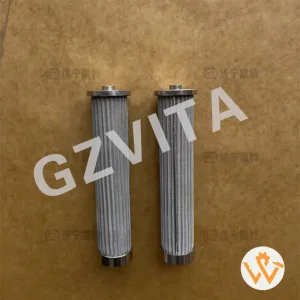
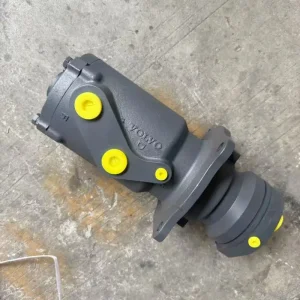
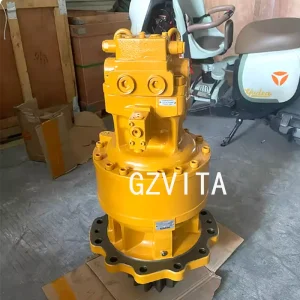
By streamlining our raw materials and maintaining high volumes of critical replacement assemblies—ranging from swing motor assemblies (like the M5X130 CLG210 CLG220 Excavator Swing Motor) to engine valves and oil filters—we help minimize operational downtime. For custom sourcing projects, we provide complete engineering files, hardware-in-the-loop (HIL) testing data, and shipping protocols that ensure components arrive safely at their destinations.
By sourcing raw metals, microprocessors, and sensor parts directly, we insulate our business partners from sudden changes in raw material costs.
All modules undergo CAN validation and mechanical clearance testing before shipping to confirm fitment with target machine displays and pilot systems.
We offer flexible sea, air, and express options, backed by accurate customs paperwork to simplify international import clearance.
To supply global markets, electronic assemblies and high-pressure components must conform to regional standards. Our engineering teams review production processes against major safety frameworks, ensuring smooth installation without compatibility or regulatory issues.
To provide reliable service, we have built a dedicated engine maintenance and diagnostic support branch. Beyond supplying raw engine parts and control systems, we help customers troubleshoot complex issues that arise during field installation and configuration.
We maintain an on-call technical service team. When necessary, we can arrange for skilled service technicians to travel to customer locations worldwide to assist with engine commissioning, software flashing, and hydraulic calibration. This hand-on support reduces troubleshooting times and helps keep machinery running productively.
You can verify by checking for the presence of an OBD-II diagnostic port (in cars) or a 9-pin Deutsch J1939 connector (in industrial machinery). Additionally, search the engine bay for a metal enclosure connected to a heavy wiring harness. Modern machines running common-rail diesel engines depend on an ECU to manage fuel delivery, throttle position, and exhaust aftertreatment.
Common warning signs include hard engine starts, sudden engine stalls, erratic cylinder operation, or loss of communication with diagnostic tools. On heavy machinery, ECU errors may also show up as communication drops with the pilot display or erratic behavior in hydraulic pumps, which can lead to low pressure and reduced system response.
We supply control units in both configurations. We can pre-flash standard engine maps based on specific machine VINs or engine serial numbers. Alternatively, we can ship blank modules for distributors to program using standard diagnostic and calibration software.
Our manufacturing facility uses automated optical inspection (AOI), x-ray component checks, and environmental stress screening (ESS). The ESS process subjects electronic boards to temperature variations and physical vibration cycles to confirm durability before final packaging and delivery.
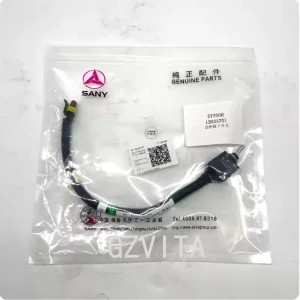
Yes. Because our modules utilize standardized J1939 and CAN protocols, they interface directly with OEM displays and common third-party fleet telemetry. We also supply compatible wire harnesses and adapter links to simplify retrofits.
 Vita Construction