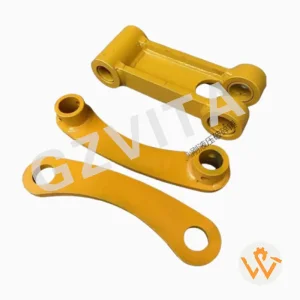
Direct access to our primary heavy machinery assemblies and fuel systems specified for immediate integration within Lombardy's emission-controlled zones.
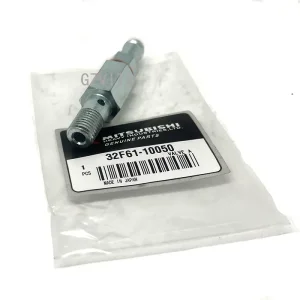
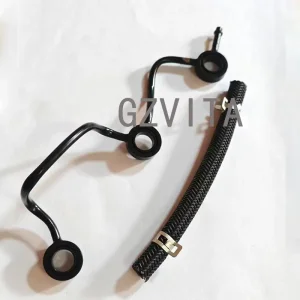
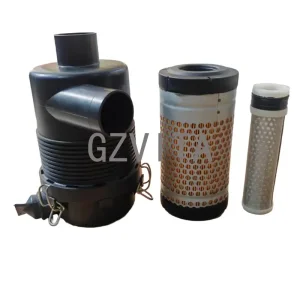
The Metropolitan City of Milan and the broader Lombardy region represent the absolute engine of Italy’s industrial and logistics economy. As a hub undergoing massive infrastructure transformations—such as the expansion of the Milan Metro System, redevelopment of key industrial areas like Sesto San Giovanni, and critical construction preparations for the upcoming Milano-Cortina Winter Olympics—there is an unprecedented demand for reliable, high-performance machinery. High-precision excavation, soil stabilization, and underground tunneling projects in the dense urban center of Milan require machines that operate under strict emission regulations and localized space constraints.
In this complex operating theater, Mitsubishi industrial engines (such as the S4S, S6S, and D04 series) and related power platforms have become structural benchmarks. These engines power a vast array of mini-excavators, heavy excavators, power generators, and logistics handling equipment across Lombardy. However, the operational continuity of these assets depends entirely on a highly responsive supply chain capable of delivering OEM-grade components. The strict European Stage V emission standards mandate that fuel injection systems, common rail valves, and air filtration units operate at peak factory parameters to avoid costly downtime and heavy environmental fines.
"In Milan's congested urban construction zones, a single day of equipment failure on a metro extension or municipal roadway can translate into tens of thousands of Euros in liquidated damages. Securing high-tolerance, wear-resistant aftermarket components is not just about maintenance; it is a vital strategy for risk mitigation."
Furthermore, local contractors and machinery rental companies (noleggiatori) across Northern Italy are shifting away from direct OEM sourcing for older fleets. Instead, they are turning to specialized, global production partners who can supply rigorously tested, interchangeable components. This demands a partner who understands the micro-engineering of Mitsubishi, Caterpillar, Yanmar, and Kubota systems, offering localized logistics solutions that bridge the gap between global production sites and the Milanese industrial corridor.
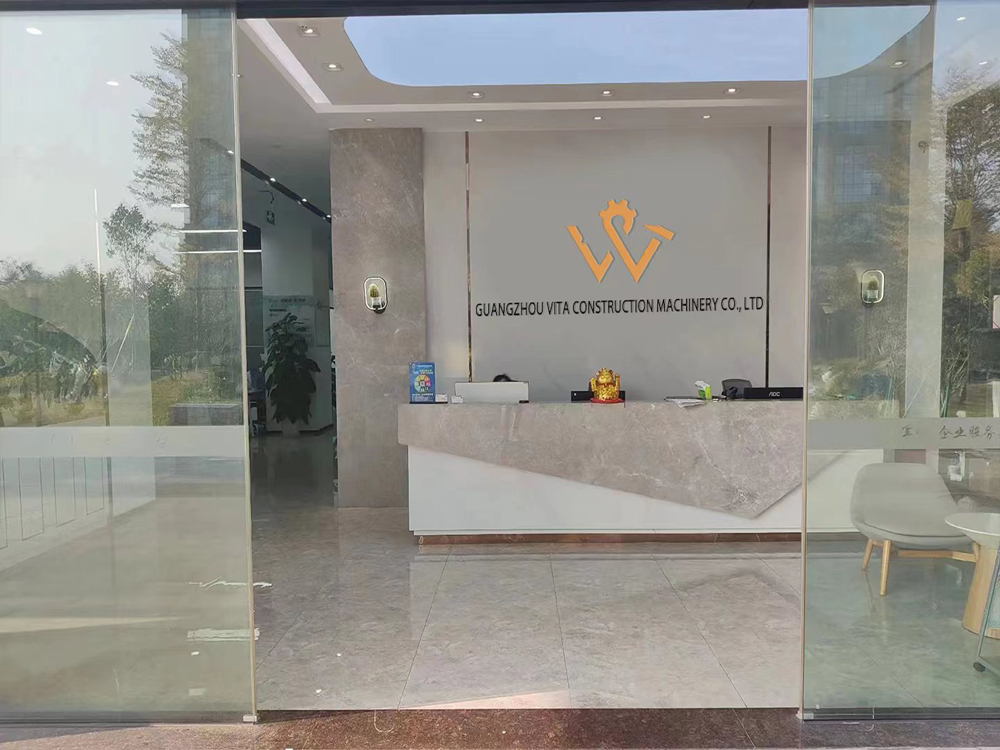
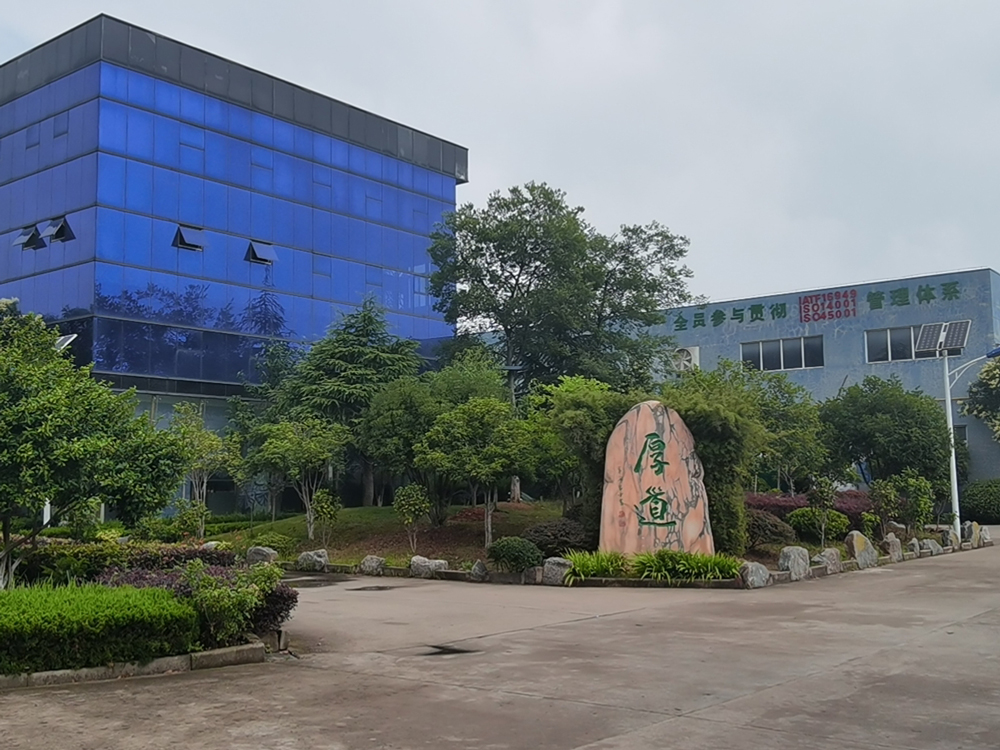
Guangzhou Vita Construction Machinery Co., Ltd. stands as a premier global enterprise integrating heavy-machinery component design, manufacturing, and international trade operations. Our main manufacturing headquarters is located in Xiangyang City, Hubei Province, boasting an expansive production workshop exceeding 18,000 square meters. Equipped with state-of-the-art precision machining centers, automated testing bays, and advanced calibration instrumentation, our facility is engineered to execute high-tolerance production protocols.
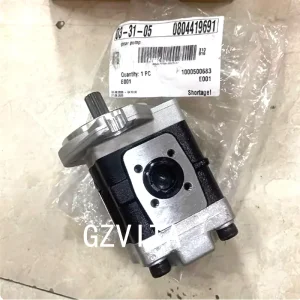
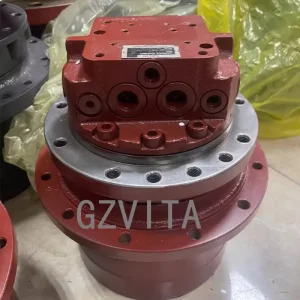
With a dedicated team of over 278 highly skilled technicians, assembly professionals, and 8 senior mechanical and hydraulic engineers, we maintain absolute control over product quality. We specialize in the development, manufacturing, and distribution of a comprehensive portfolio of construction machinery components. This includes complete engine assemblies, high-pressure hydraulic main pumps, robust final drives, electrical generating sets, crankshafts, engine valves, and precise undercarriage assemblies designed to replace components on leading brands such as Komatsu, Volvo, Sumitomo, Caterpillar, Kubota, Hitachi, Kobelco, and Sany.
Square Meters Factory Area
Skilled Technicians & Staff
Senior Engineering Specialists
Precision Calibration & Test Passed
Take a visual tour inside our Xiangyang manufacturing facility where mechanical tolerances are measured in microns.
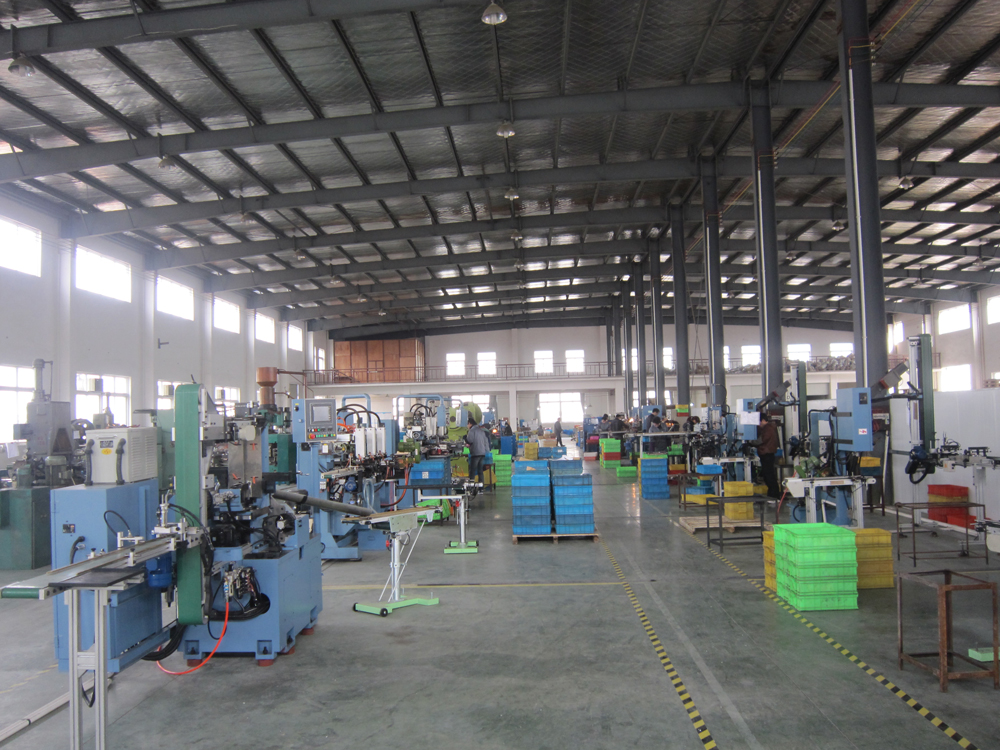
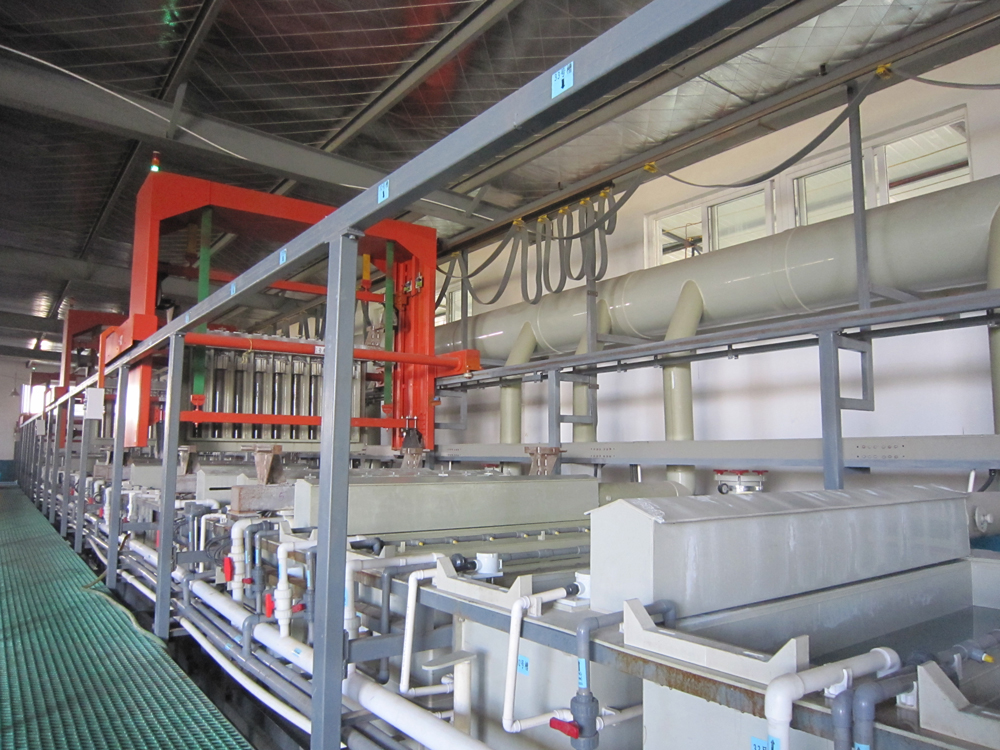
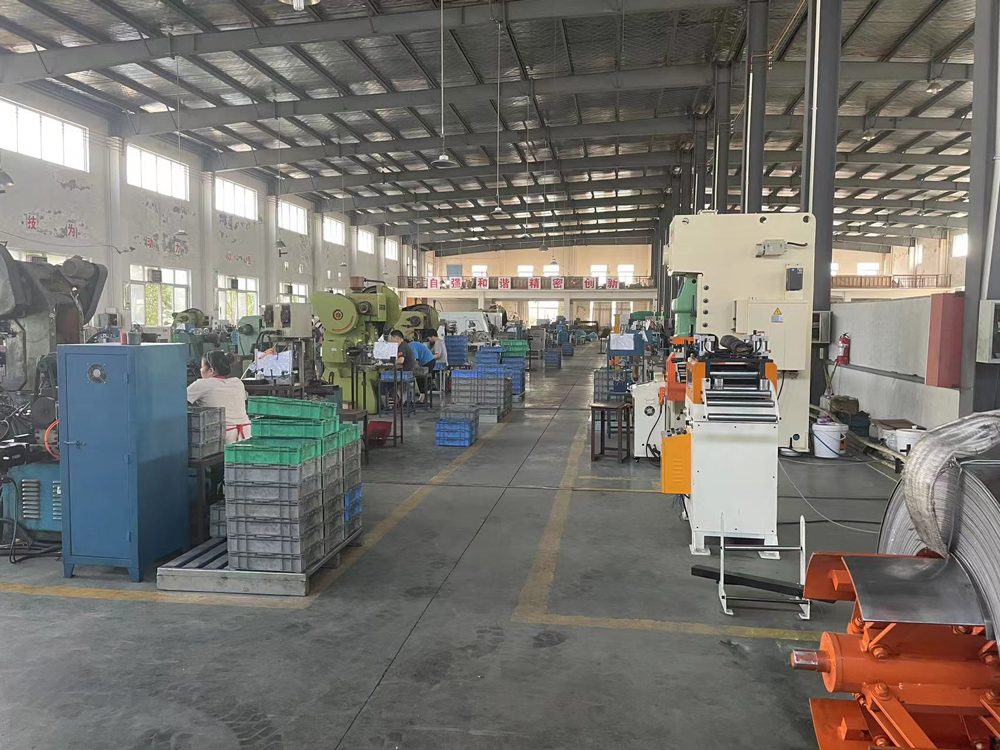
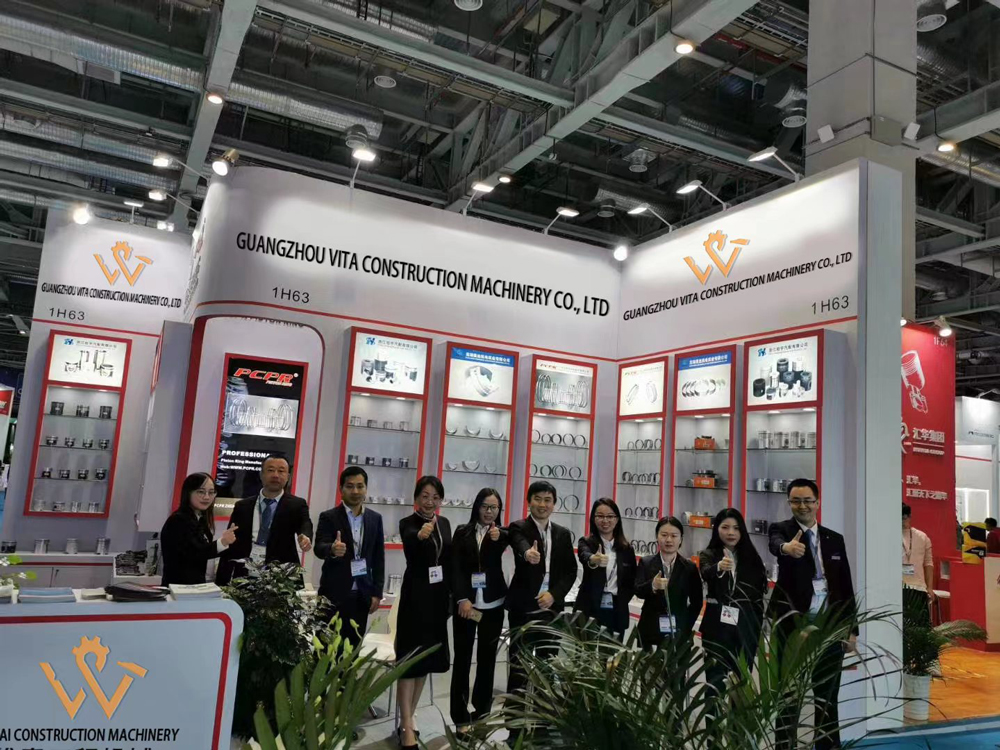
How we support the specialized technical requirements of global procurement networks and local engineering teams.
We source premium metallurgical alloys and execute rigid durability trials. Every common rail valve, hydraulic component, and sealing element conforms to international ISO standards to secure long-term thermal stability.
We do not just ship parts; we provide deep integration services. Our specialized engineers analyze engine operational diagnostics, helping you troubleshoot mechanical assembly and pressure-matching challenges.
For complex fleet overhauls and custom modifications, our dedicated technical team is available to travel globally, providing direct support for commissioning, calibration, and heavy-duty structural maintenance.
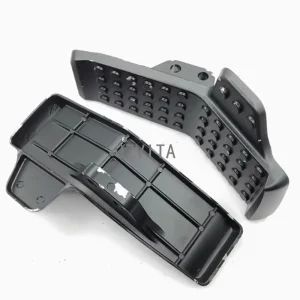
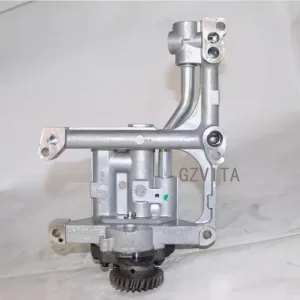
Real-world engineering applications of our high-pressure pumps and engine systems across Lombardy’s complex job sites.
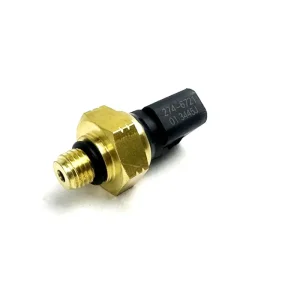
The mechanical architecture of modern excavators, earthmovers, and logistics systems has transitioned toward high-pressure, integrated electronic-hydraulic controls. To operate within the European Union (specifically regulated by the Italian decree DL 152/2006 regarding regional emissions in Lombardy), internal combustion engines must operate under high-pressure common rail injection protocols. Components such as the Common Rail Valve Assembly must manage fuel injection pressures upwards of 2,000 bar. This pressure is essential to optimize fuel atomization, minimizing particulate matter (PM) and nitrous oxide (NOx) output before exhaust gases reach the Selective Catalytic Reduction (SCR) systems.
From a metallurgical standpoint, components must withstand extreme shear stress and thermal cycling. The valves and oil pumps we engineer integrate specialized chromium-molybdenum steel alloys. These undergo vacuum induction hardening to prevent micro-pitting and surface fatigue. This micro-structural refinement guarantees that when a Mitsubishi or Caterpillar machine operates in Milan's winter conditions, fluid viscosity changes do not trigger mechanical wear or pressure loss.
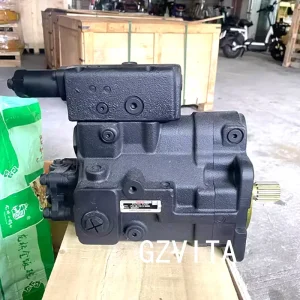
Simultaneously, the integration of high-pressure hydraulic piston pumps (such as the PVK-3B and related Rexroth-type systems) requires precise volumetric efficiency calibration. When these pumps feed main control valves and travel motors, any micro-cavitation or internal bypass leakage results in thermal buildup. This extra heat reduces fuel efficiency and leads to hydraulic drift during precision operations. By utilizing multi-stage inspection benches at our Xiangyang factory, we verify that each pump’s tolerances are held to within 3 to 5 microns. This level of quality ensures seamless pressure response times and consistent performance.
Technical answers to help logistics coordinators and fleet maintenance managers optimize their supply chains.
Get in touch with our technical sales division to receive custom compatibility profiles and rapid quote structuring.
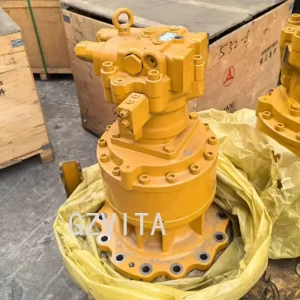
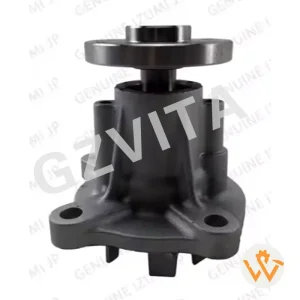
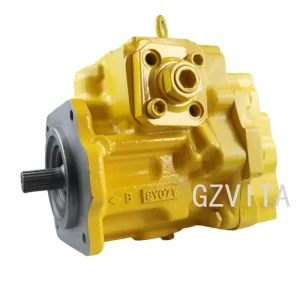
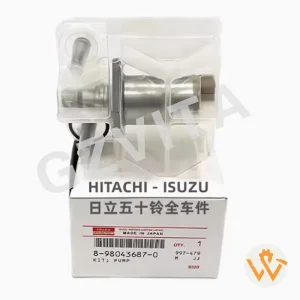
Send Inquiry NowExplore our primary inventory of heavy-duty mechanical elements, final drives, and hydraulic actuators engineered for high-duty cycle applications.

 Vita Construction