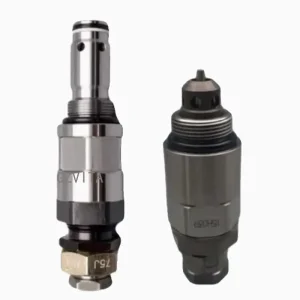
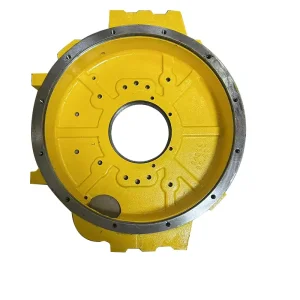
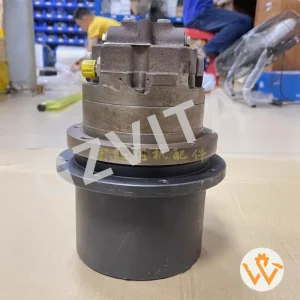
Explore our premium selection of heavy machinery replacement parts engineered to withstand extreme pressure and rigorous operating profiles.
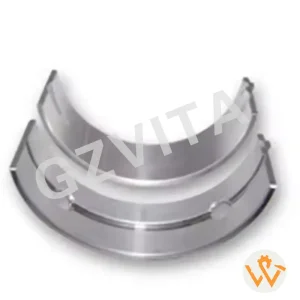
In high-performance internal combustion engines, the cylinder liner function represents the critical barrier between combustion energy conversion and structural degradation. As the cylinder wall interface, the liner must endure dynamic thermal cycles exceeding 600°C and mechanical pressures peaking over 150 bar. A failure in the liner's material structure or geometric consistency directly impacts sealing integrity, engine power output, lubricant longevity, and emissions control.
Advanced custom cylinder liners serve four fundamental physical purposes inside the engine block:
Custom manufacturers apply precise metallurgical profiles to achieve optimal microstructures. The base material is typically a high-grade centrifugally cast boron-alloyed gray iron. The addition of alloying elements such as nickel, chromium, molybdenum, and copper ensures a matrix dominated by pearlite. Hard carbon flakes in the graphite structure act as natural dry lubricants, reducing piston ring micro-welding and adhesive wear under boundary lubrication states.
For extreme-duty off-highway excavators and mining haulers, leading factories introduce advanced surface treatments. Processes like gas nitriding, induction hardening, and physical vapor deposition (PVD) create super-hard coatings (such as Diamond-Like Carbon or DLC). These surface enhancements decrease the friction coefficient to less than 0.08, promoting significant fuel savings and minimizing cold-start wear patterns.
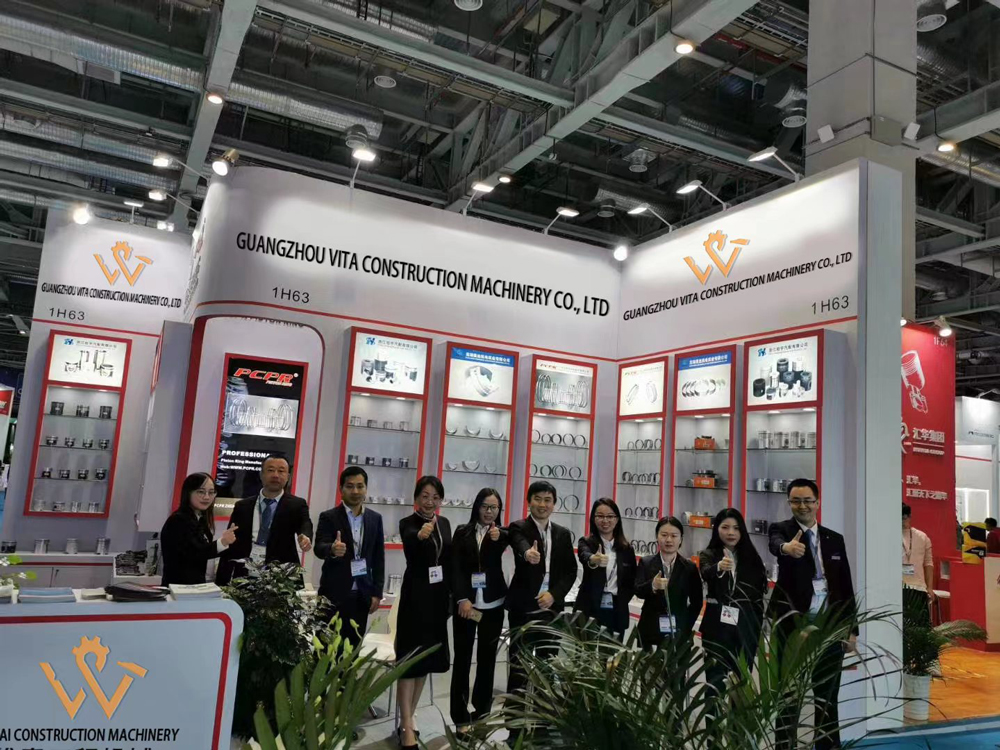
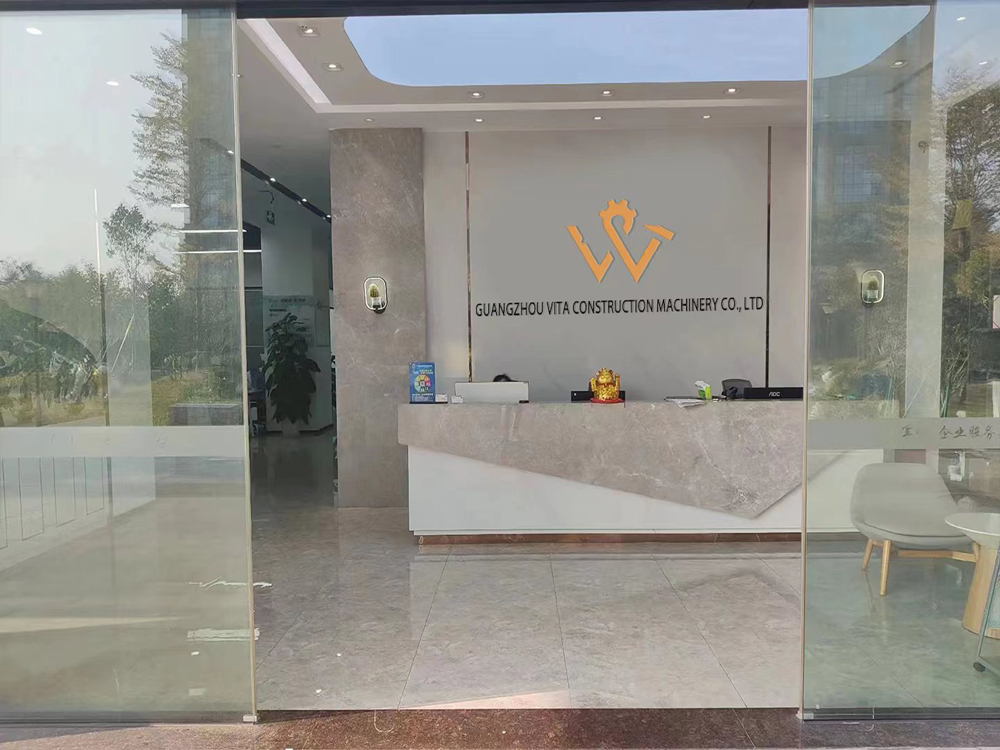
Guangzhou Vita Construction Machinery Co., Ltd. integrates state-of-the-art production facilities with professional foreign trade services.
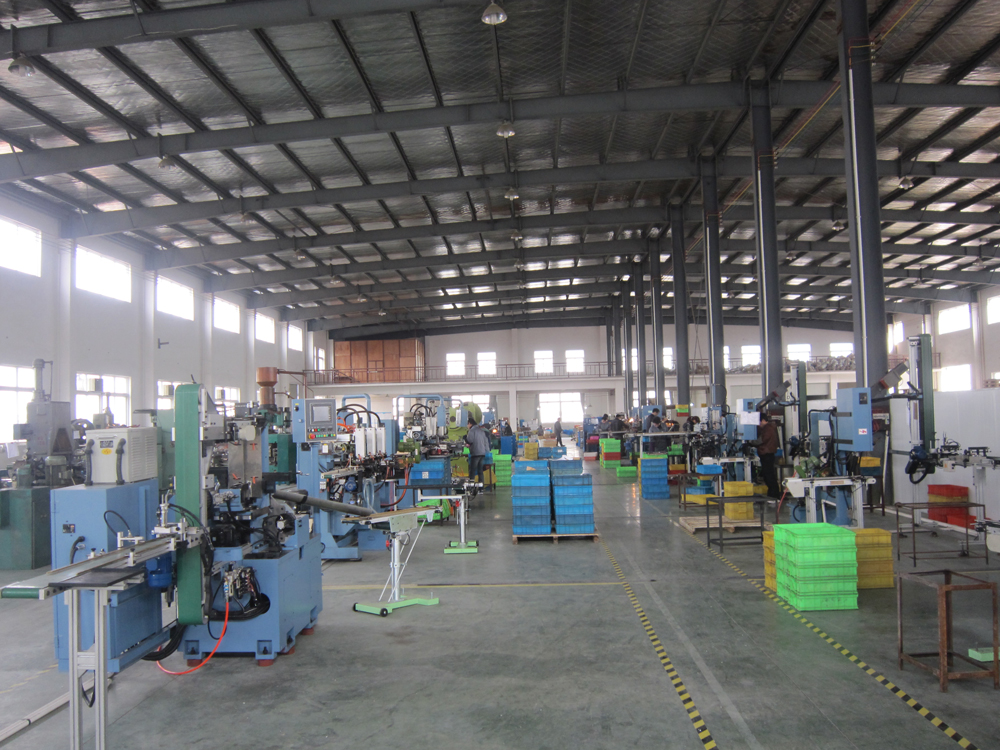
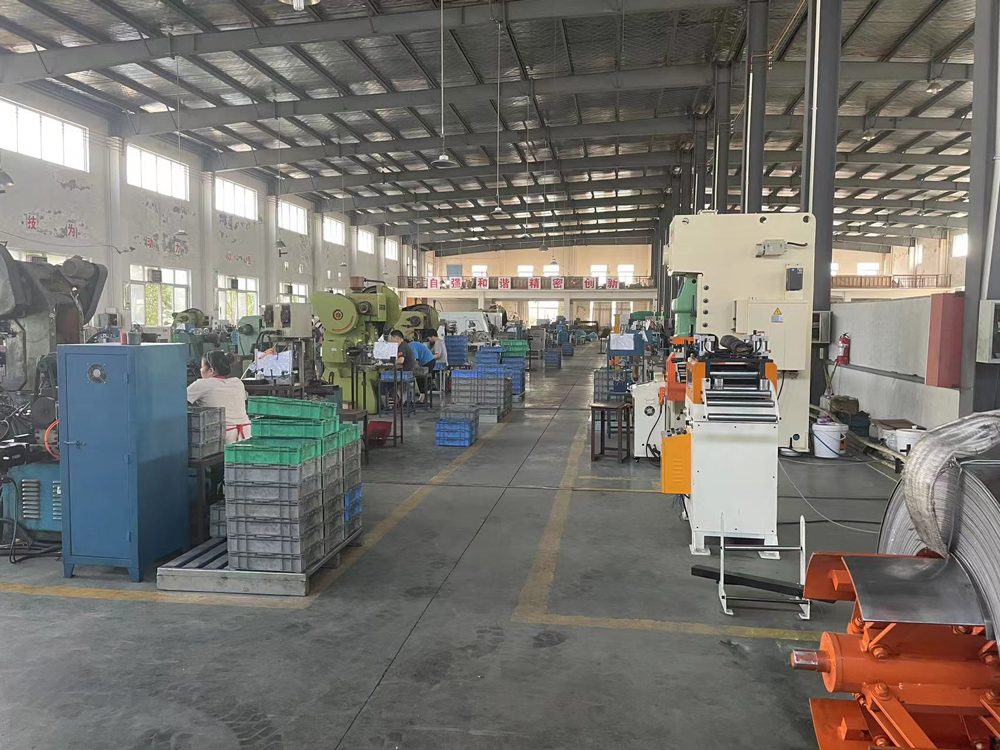
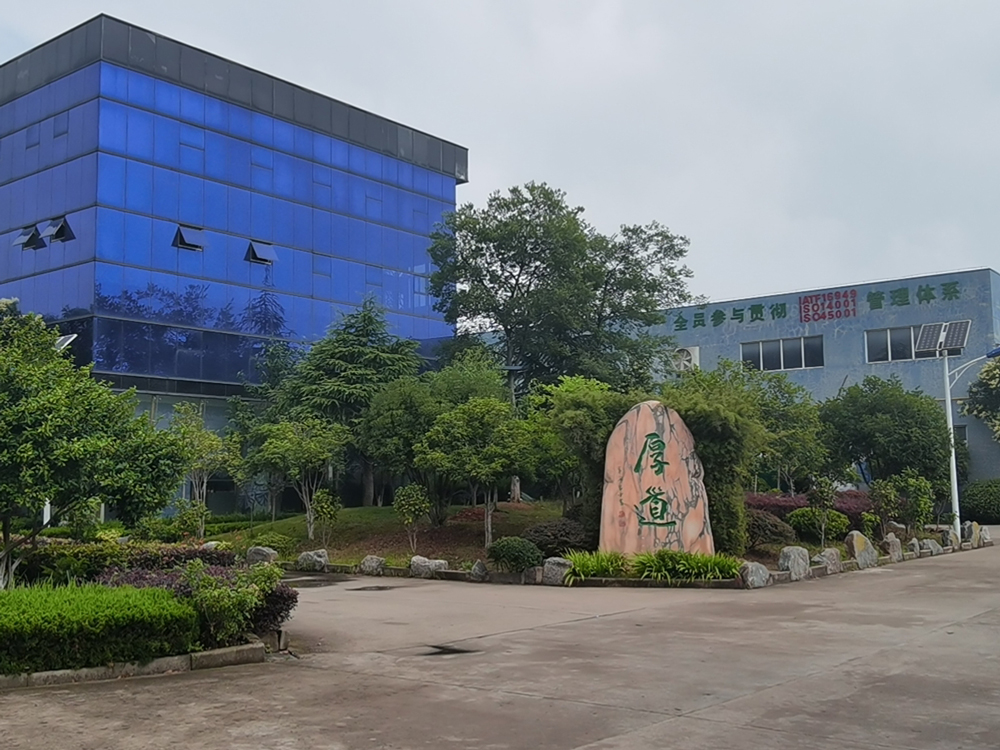
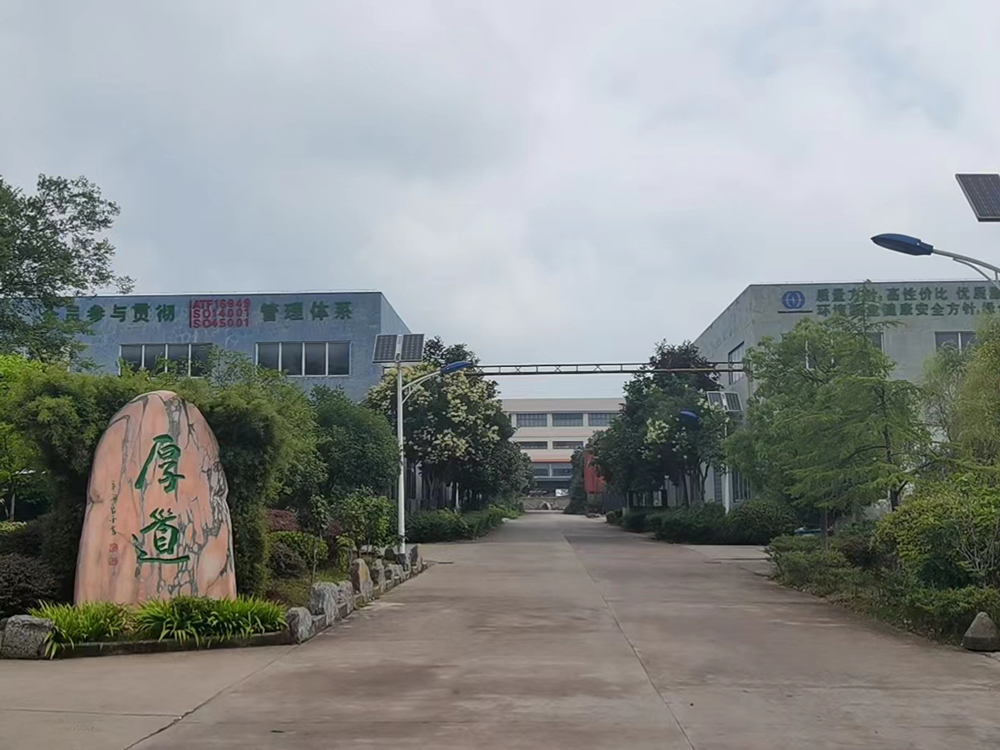
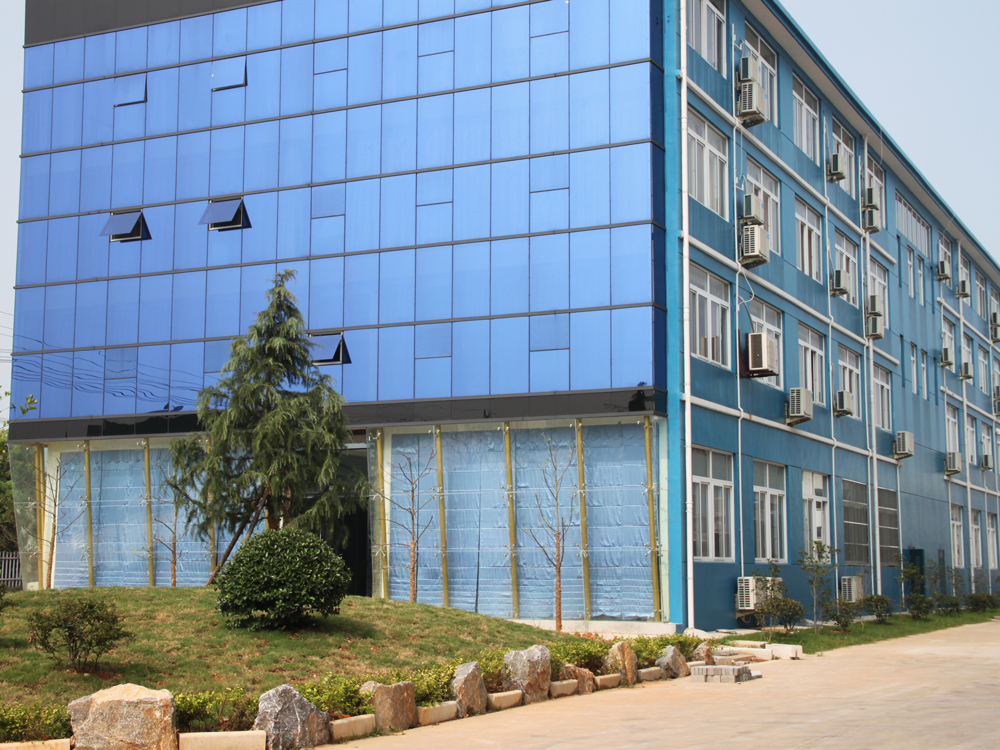
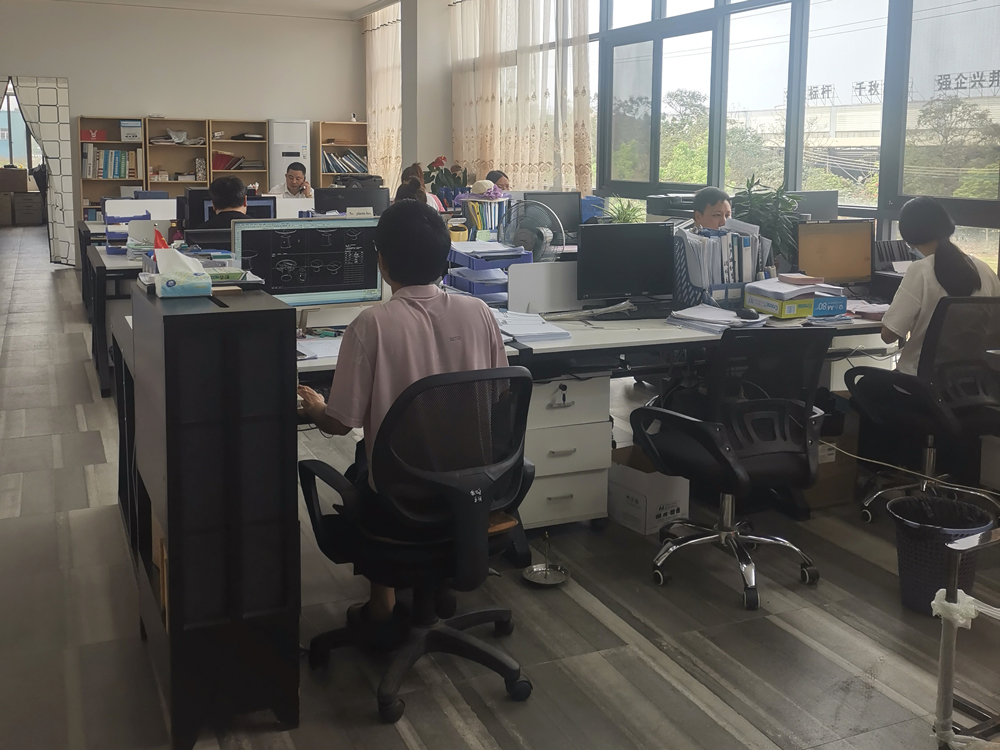
Guangzhou Vita Construction Machinery Co., Ltd. is one of the largest comprehensive companies combining direct manufacturing infrastructure with global trade operations. Our main factory, located in Xiangyang City, Hubei Province, features a modern 18,000+ square meter workshop. The plant is equipped with advanced automated machining cells, CNC honing equipment, and non-destructive metallurgical evaluation centers. Backed by over 278 highly trained and skilled workers and an engineering R&D team consisting of 8 experienced engineers, we ensure that every critical cylinder liner and engine component conforms to the tightest dimensional tolerances and geometric limits.
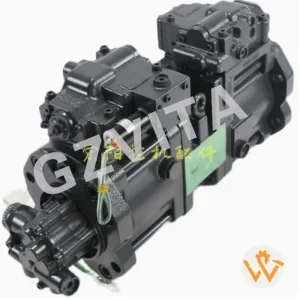
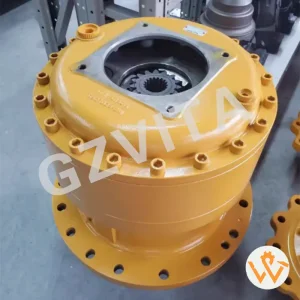
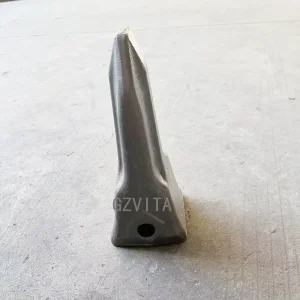
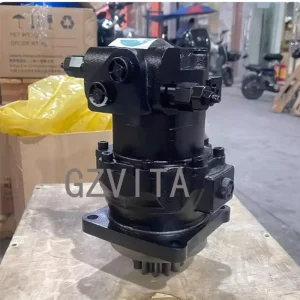
We specialize in designing, developing, and exporting a comprehensive range of construction machinery components. Our main portfolio includes complete engine assemblies, hydraulic pumps, final drives, electric generating sets, high-precision engine bearings (Main bearings and Con-Rod bearings), crankshafts, engine valves, gear pumps, cylinders, industrial filtration units, excavator buckets, and robust undercarriage components for both bulldozers and crawler excavators.
Our aftermarket and OEM replacement parts are fully compatible with world-leading industrial equipment brands including: Komatsu, Volvo, Sumitomo, Caterpillar, Kubota, Hitachi, John Deere, Kobelco, Hyundai, Kato, Sany, XCMG, SUNWARD, and other major heavy equipment systems.
Engineered solutions, strict QA procedures, and direct access to field maintenance support.
In the fast-paced construction industry, machinery downtime directly impacts project margins. We ensure that our cylinder liners and critical engine bearings are machined to precise roundness standards. Continuous quality controls guarantee long-term operational wear resistance under severe operating conditions.
Beyond component supply, we operate a dedicated engine maintenance development center. We help operators resolve complex issues related to engine mechanical tolerances, piston-liner thermal clearances, oil consumption anomalies, and structural alignment challenges during assembly.
We maintain a specialized global support and field-maintenance department. When required, our technicians can deploy internationally to assist fleet owners with on-site engine diagnostics, overhaul operations, and precision component installation inspections.
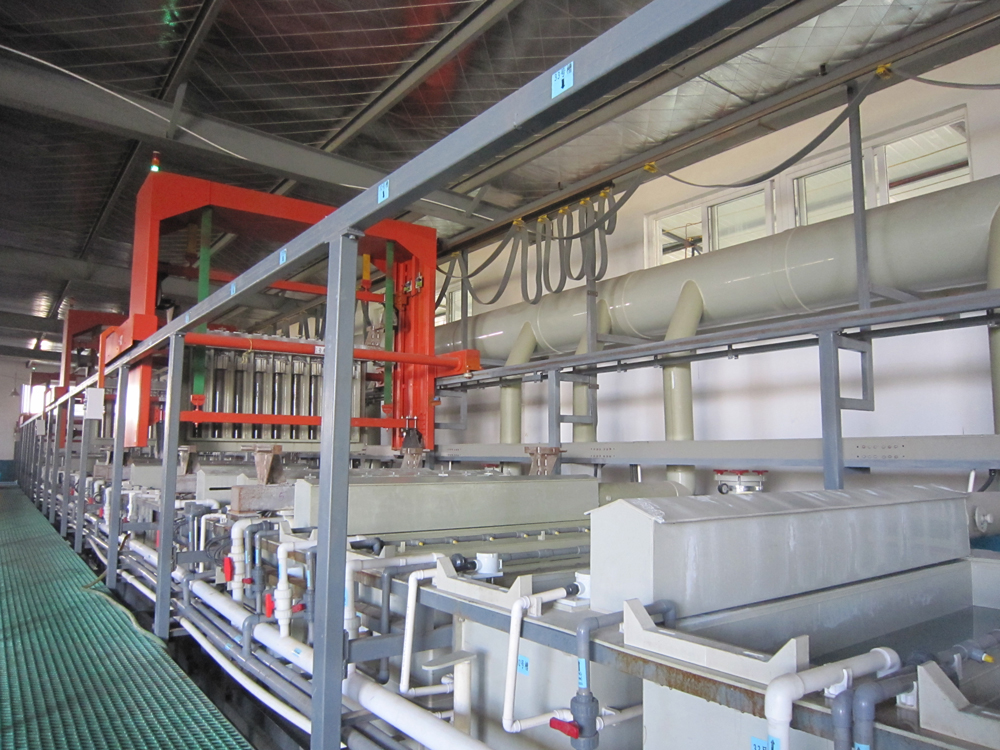
Step inside our manufacturing lines in Hubei to view our advanced production machinery, rigorous calibration setups, and storage centers.
The development of heavy-duty cylinder liners is increasingly guided by strict global emission regulations (such as US EPA Tier 4 Final and EU Stage V) and the shift toward zero-emission powertrains. Next-generation internal combustion systems, including clean diesel, hydrogen combustion engines (H2-ICE), and e-fuel hybrids, subject the piston-liner interface to challenging thermodynamic and chemical environments.
To meet these requirements, our R&D roadmap focuses on two core manufacturing technologies:
Industrial machinery operates under varied conditions. Off-highway equipment working in remote mines or high-altitude excavation sites requires components engineered for specific environmental stresses. Standard aftermarket options often fail to account for local variables like high dust density, wide temperature swings, or variable fuel qualities.
Guangzhou Vita offers application-specific customization:
Our main factory in Xiangyang City, Hubei Province, operates under modernized manufacturing principles to combine quality consistency with cost efficiency. By employing advanced centrifugal casting machinery, we achieve uniform metal grain alignment, minimizing micro-porosities that can lead to structural cracking under thermal stress.
This automated production line allows us to maintain tight tolerance controls:
• Outer diameter run-out: kept within 0.015 mm.
• Bore roundness: maintained within 0.005 mm.
In addition, our location in Hubei provides direct access to primary raw material supplies and reliable logistics routes. This keeps our production lines supplied and insulated from global raw material fluctuations, enabling consistent, on-time delivery for volume orders.
For procurement officers managing international fleets or large distribution networks, initial purchase price is only one part of the equation. The key metric is the Total Cost of Ownership (TCO), which is determined by component durability, shipping lead times, and ease of installation.
By purchasing directly from a combined factory and trading supplier like Guangzhou Vita, fleet managers benefit from:
Our export operations comply with international quality management standards, including ISO 9001:2015. We maintain traceability records for every production batch, tracking materials from raw iron melt to the finished product. In the event of field installation issues, our engineering support team is available to assist with diagnostic and installation troubleshooting.
Get authoritative answers to technical questions about cylinder liner functions, material selection, and installation best practices.
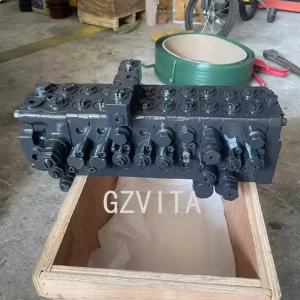
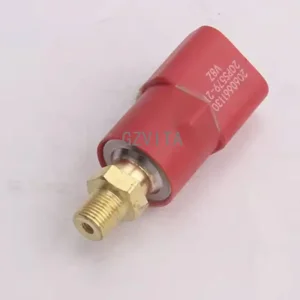
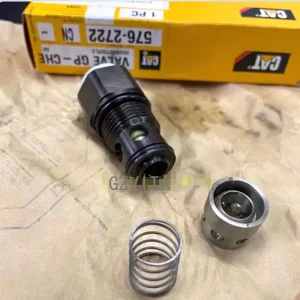
Browse our wider range of high-pressure control valves, sensors, hydraulic pumps, and drive assemblies.
 Vita Construction