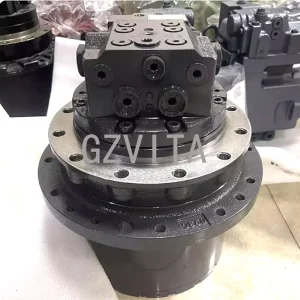
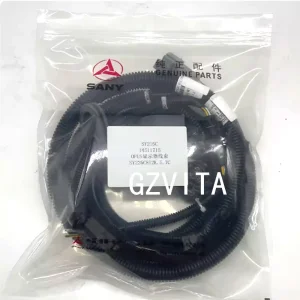
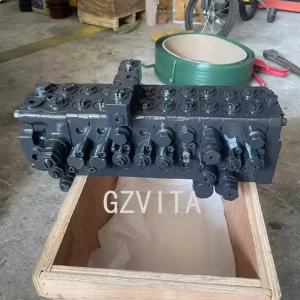
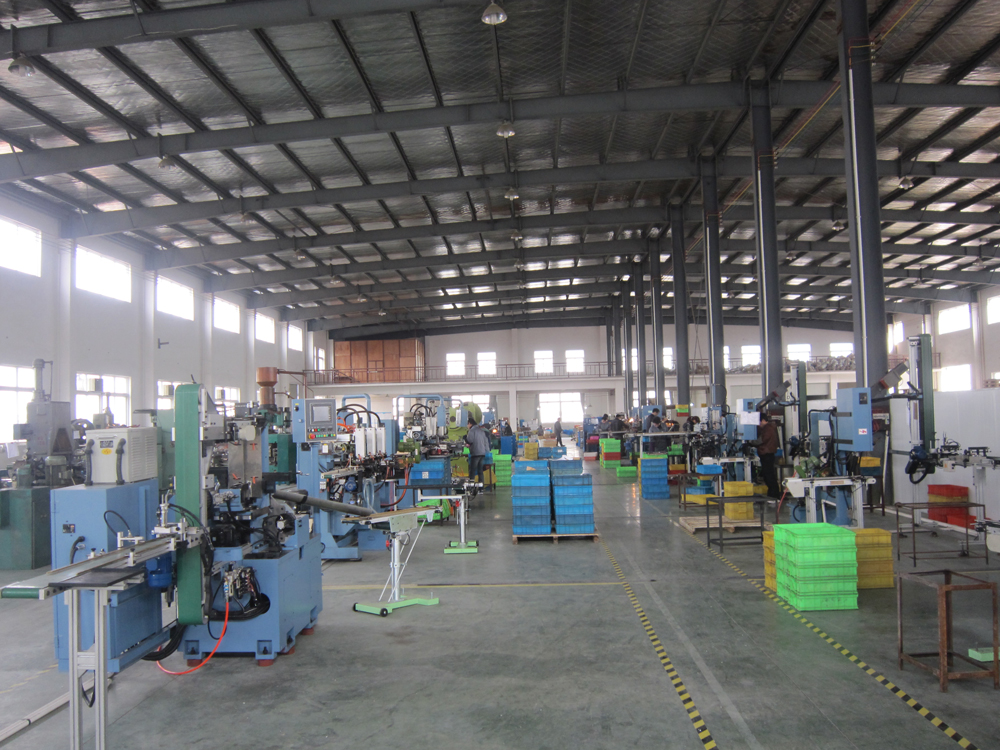
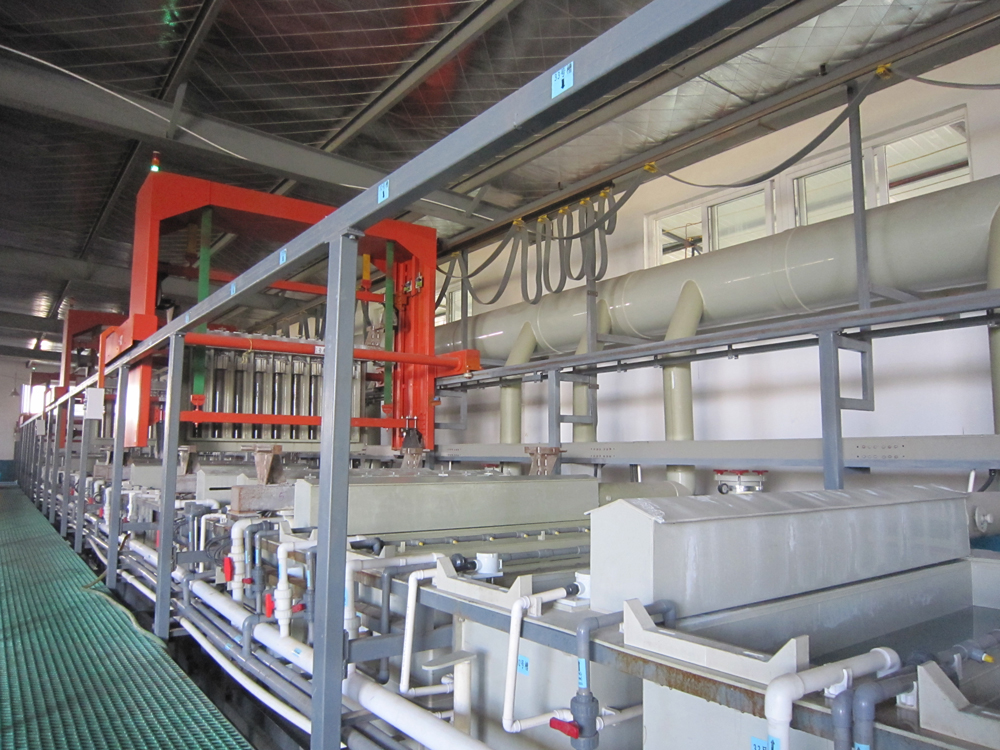
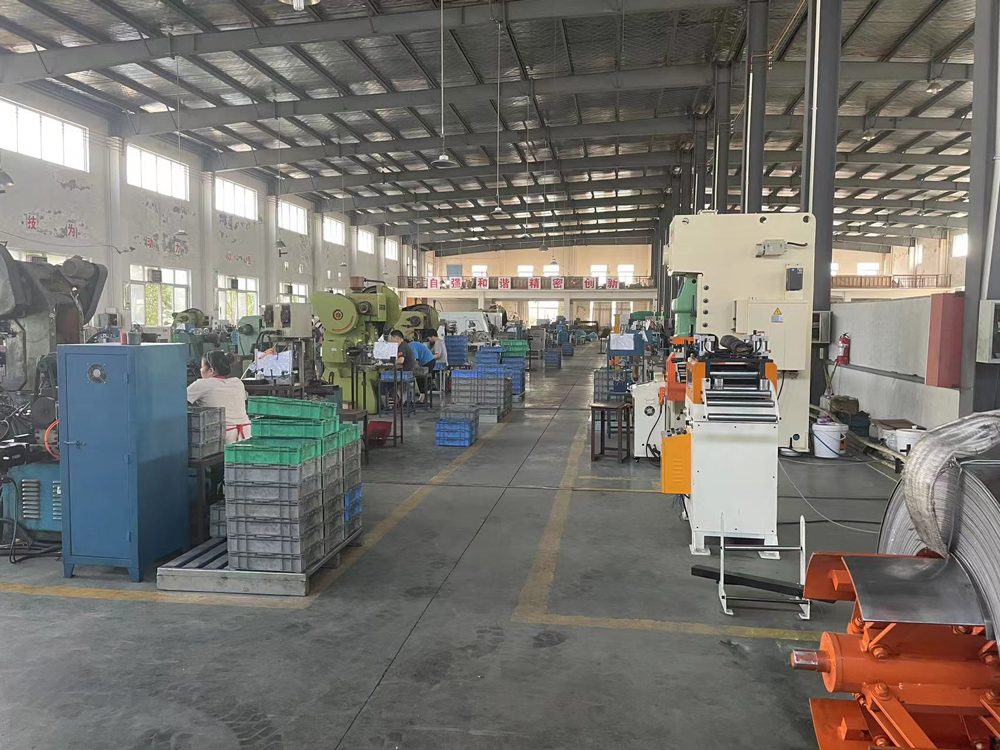
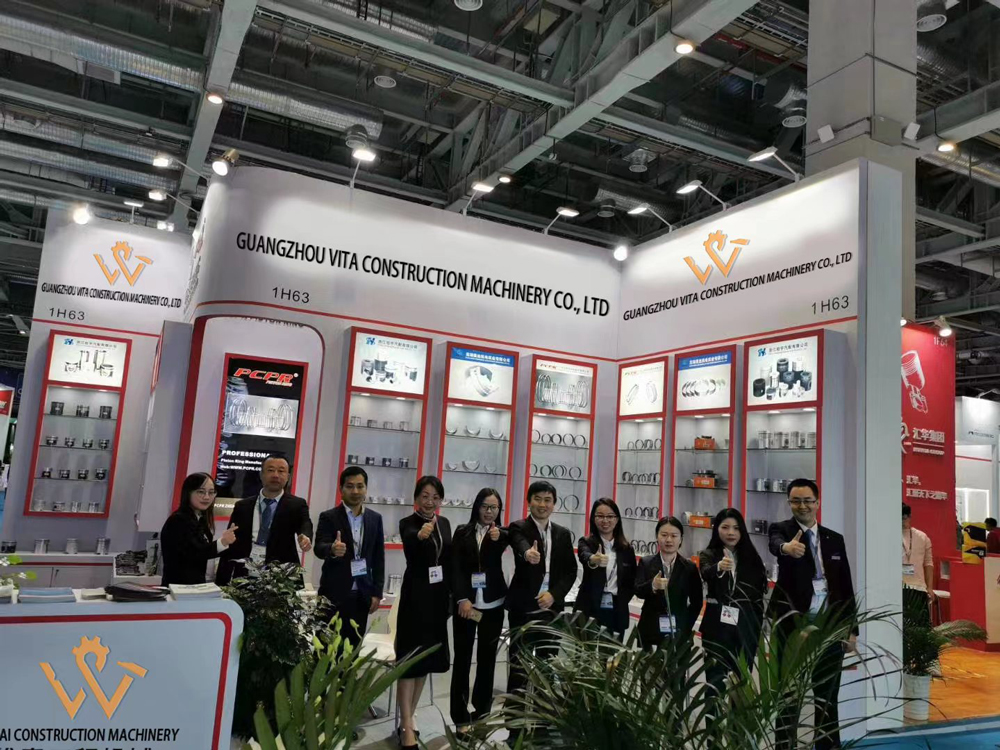
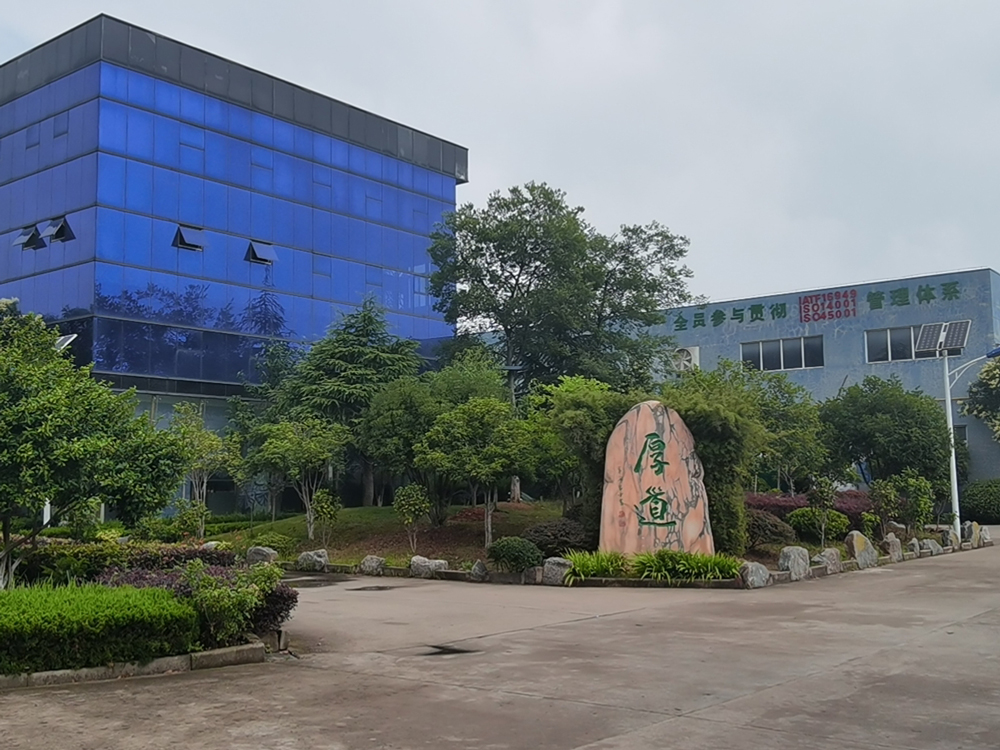
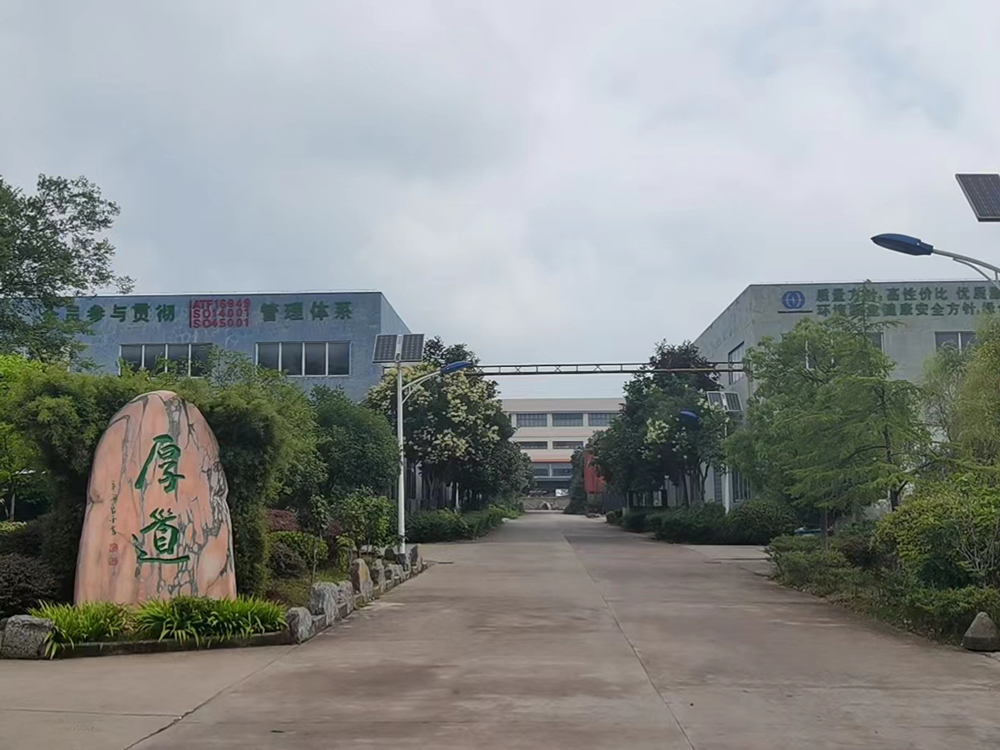
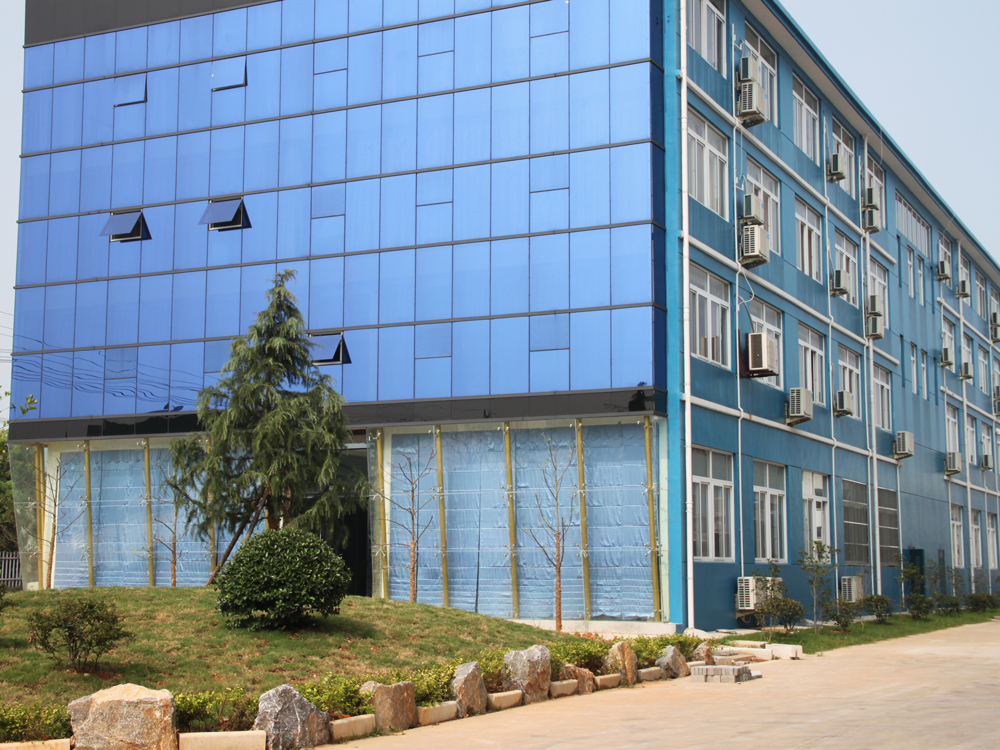
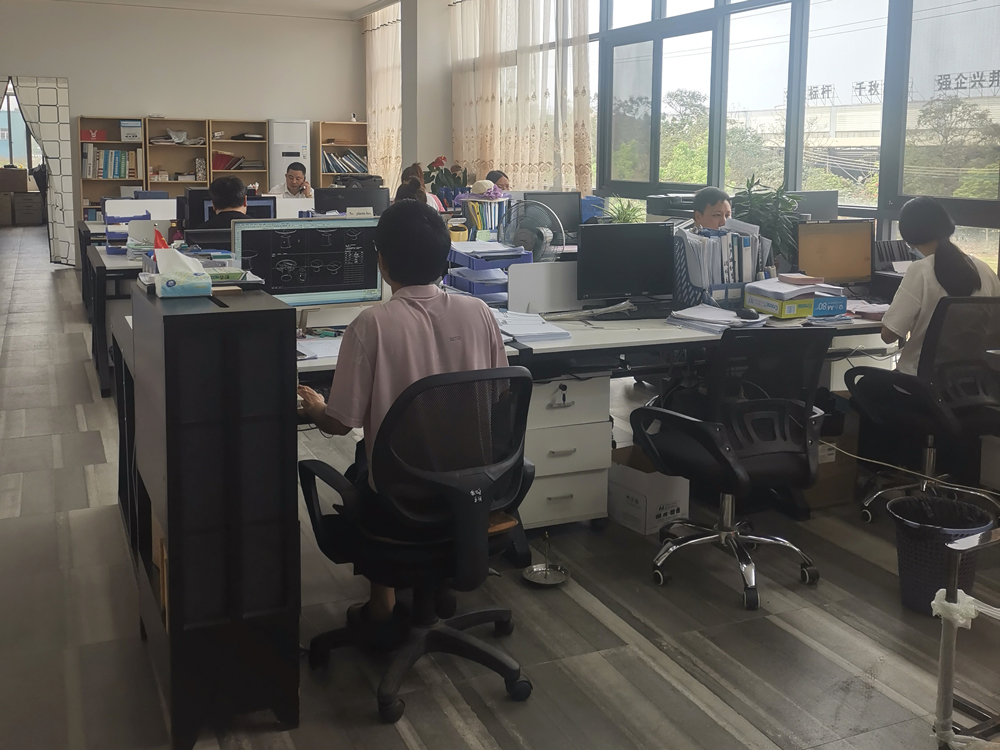
Guangzhou Vita Construction Machinery Co., Ltd. stands as a premier hybrid entity integrating industrial-scale manufacturing and global foreign trade. Our central factory, strategically nestled in Hubei Province, spans a state-of-the-art facility of over 18,000 square meters. The plant operates advanced production lines, manned by more than 278 highly skilled technicians and 8 experienced mechanical engineers dedicated to maintaining strict QA protocols, precise dimensional controls, and expedited global dispatch workflows.
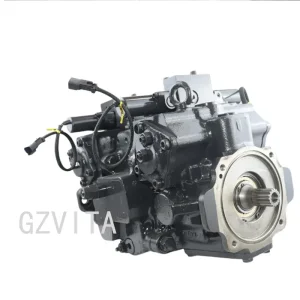
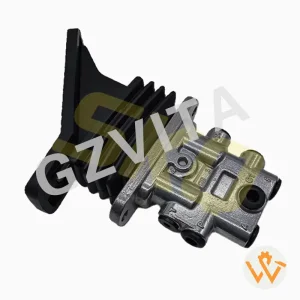
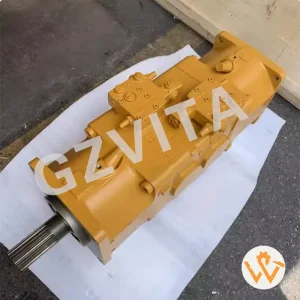
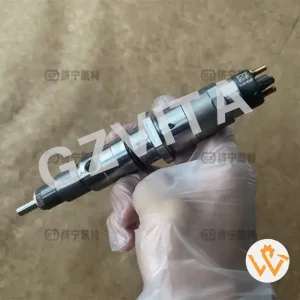
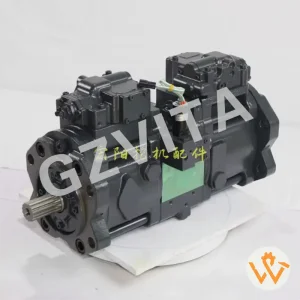
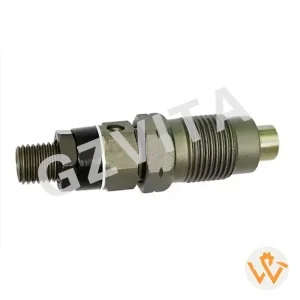
We specialize in developing and distributing a robust portfolio of heavy machinery components. Our manufacturing lines produce complete engine assemblies, hydraulic systems, final drives, crankshafts, engine valves, cylinder blocks, filtration products, and undercarriage components designed for Sany, Sany S550H, Volvo, Komatsu, Caterpillar, Kubota, Hitachi, Hyundai, and Daewoo platforms.
Advanced Production Workshop
Skilled Technical Professionals
Senior R&D Engineers
OEM Dimensional Compliance
We deploy ultrasonic flaw detectors, roughness instruments, and metallographic microscopes to ensure every Daewoo D2366 main bearing set meets dynamic load thresholds without micro-fissuring.
Beyond distribution, our engine maintenance department assists fleet managers in solving crank misalignment, structural clearances, and rotational shear problems during assembly.
Our on-site engineering team can travel globally to assist enterprise clients in reconstructing heavy-duty engines, troubleshooting major crankshaft bearing failures.
The Daewoo D2366 and its turbocharged variants (such as the D2366T and DE12T series) are legendary in the heavy-duty diesel industry, powering long-haul transport trucks, industrial generators, and large crawler excavators. Within these heavy-duty setups, the crankshaft is subjected to intense cyclic combustion forces. Main bearings support the crankshaft journals, allowing smooth rotation under immense radial pressure.
When selecting components for the D2366 engine, main bearings are the most critical wear-part defense line. High-quality main bearings prevent metal-on-metal contact by facilitating hydrodynamic lubrication. In this state, a pressurized oil film separating the crankshaft journal from the bearing shell prevents frictional welding, structural galling, and catastrophic crankshaft breakage.
Historically, copper-lead based alloys have served as the standard for high-performance diesel engines. In the case of the Daewoo D2366, we engineer Tri-Metal Main Bearings to provide superior load capacity:
Industrial data reveals that main bearing issues are rarely spontaneous; they stem from systemic lubrication, alignment, or contamination factors:
The supply network for Daewoo D2366 parts spans critical industrial hubs worldwide. As developing markets upgrade their construction fleets and developed markets maintain existing infrastructure, the demand for high-durability replacement engine bearings remains high.
We observe a major increase in aftermarket demand in Southeast Asia, the Middle East, and South America, where Daewoo engines are widely used in regional logistics fleets and concrete mixers. Having a reliable supplier that can provide consistent clearances and high material density is essential to minimize fleet downtime.
With shifting global environmental standards, the industry is transitioning away from lead-containing overlays. The next generation of D2366 replacement bearings features Aluminum-Silicon-Tin (AlSn20Cu) bi-metal and lead-free tri-metal variants.
These lead-free layers are harder and offer excellent wear resistance, but require precise crankshaft geometry and filtration systems. Additionally, we are exploring physical vapor deposition (PVD) to apply micro-thin sputter coatings to main bearings, extending engine life under start-stop cycles.
For heavy fleet operators, maritime service companies, and engine rebuilding facilities, a bearing replacement involves significant labor and downtime costs. A single premature main bearing failure can require a complete engine overhaul, costing thousands of dollars in lost productivity and replacement parts.
Guangzhou Vita Construction Machinery Co., Ltd. addresses this issue through our Pre-Engineered Engine Maintenance Solutions:
Our bearings are machined to precise tolerances, maintaining oil clearances between 0.04mm and 0.08mm for the D2366 crankshaft.
Advanced bonding technology between the steel backing and copper lining prevents thermal hotspots at high loads.
We supply main bearings together with connecting rod bearings, thrust washers, and cylinder liners for complete engine overhauls.
Step inside our 18,000+ sqm manufacturing center in Xiangyang, Hubei Province
 Vita Construction