 Vita Construction
Global Industrial Demand & The Science of Custom Radiator Hoses
Within the intense operating conditions of heavy industrial machinery, diesel generators, and earthmoving excavators, thermal management plays a deterministic role in overall system health. Over 40% of engine-related failures in heavy equipment stem from cooling loop deficiencies. At the center of this network sits the humble radiator hose—a critical pathway that must survive relentless vibration, dramatic thermal cycles (-40°C to +150°C for standard cooling circuits, and up to +250°C in high-performance silicone bypass loops), chemical degradation from glycols, and high mechanical pressure.
OEM standard hoses often fall short when machines are retrofitted for specific tasks or when operated in severe environments such as open-cast mining or ultra-cold arctic civil engineering. As a result, EPC contractors and fleet maintenance procurement divisions are turning away from generic off-the-shelf parts. Instead, they seek out custom replace a radiator hose manufacturers who can supply custom-molded silicone, reinforced EPDM, and multi-ply aramid braided assemblies engineered to fit non-standard bends, withstand elevated burst pressures, and limit downtime.
Why Custom Engineering Matters in Cooling Systems
Standard radiator hoses lack the elasticity, reinforced structures, and exact geometry required for customized engine rebuilds. Here is where specialized engineering comes to the forefront:
- Material Upgrades: Standard EPDM fails under persistent exposure to aggressive hydraulic oils and excessive heat. Modern manufacturers use High-Consistency Silicone Rubber (HCR) reinforced with multiple plies of Polyester or Nomex/Aramid.
- Dynamic Vibration Isolation: Excavators and bulldozers operate under constant shock loads. Custom-engineered bellows and hump hoses permit relative movement between the engine and the chassis radiator without stressing connection points.
- Anti-Ozone & UV Protection: Exposed engine bays in construction and mining fields encounter high UV exposure. Advanced external layers resist cracking, dry rot, and environmental oxidation.
China's Manufacturing Excellence & Supply Chain Fluidity
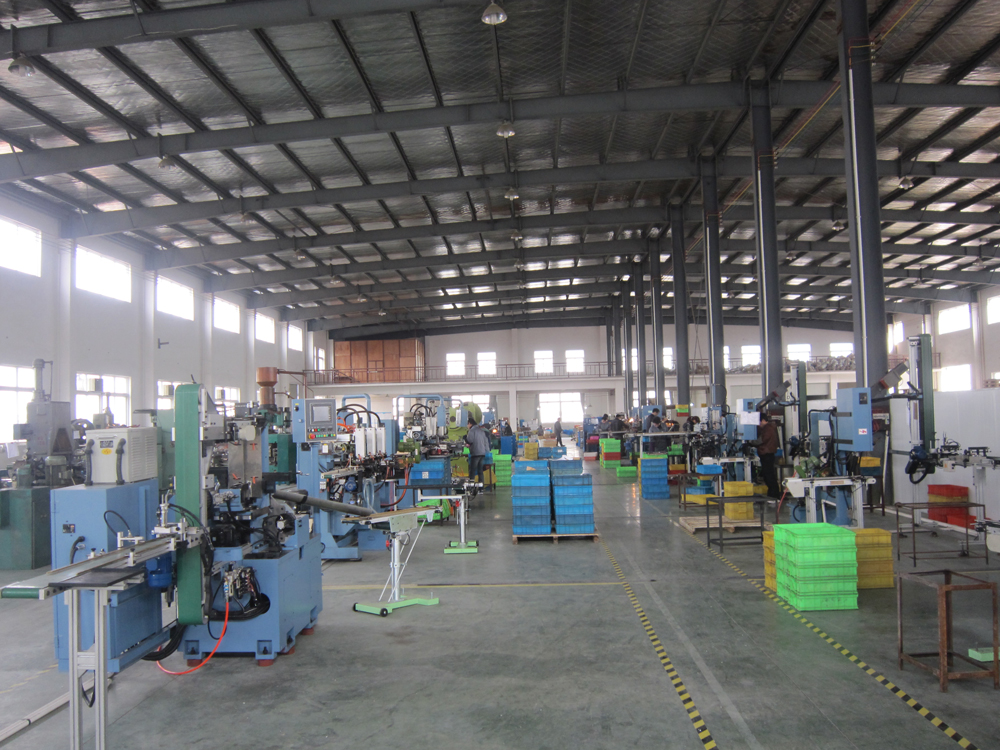
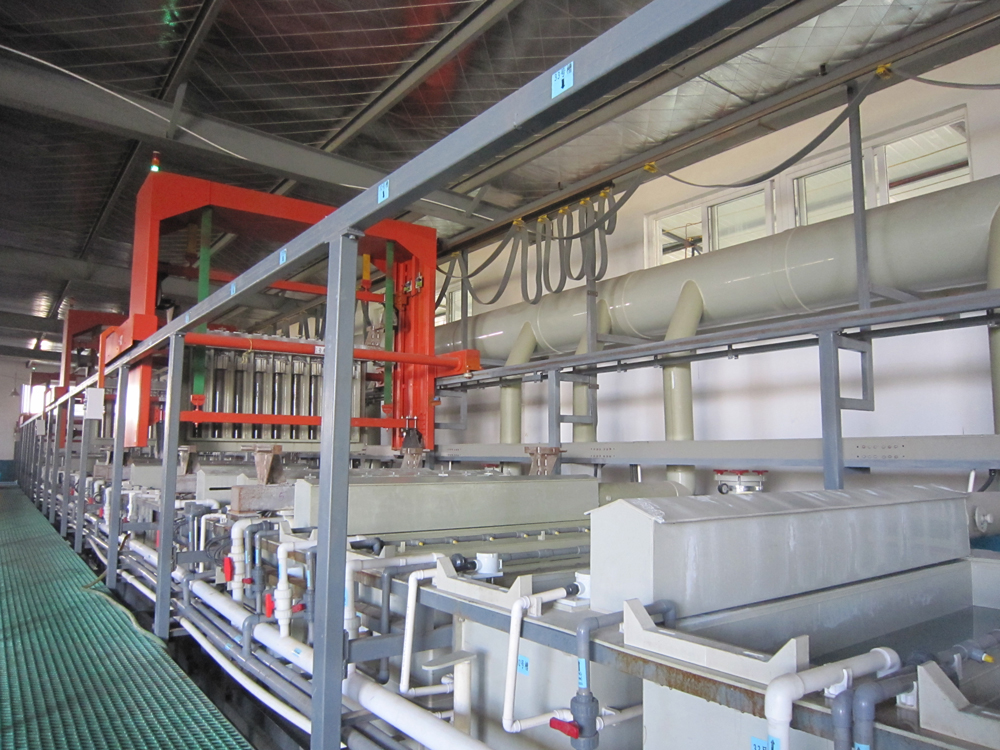
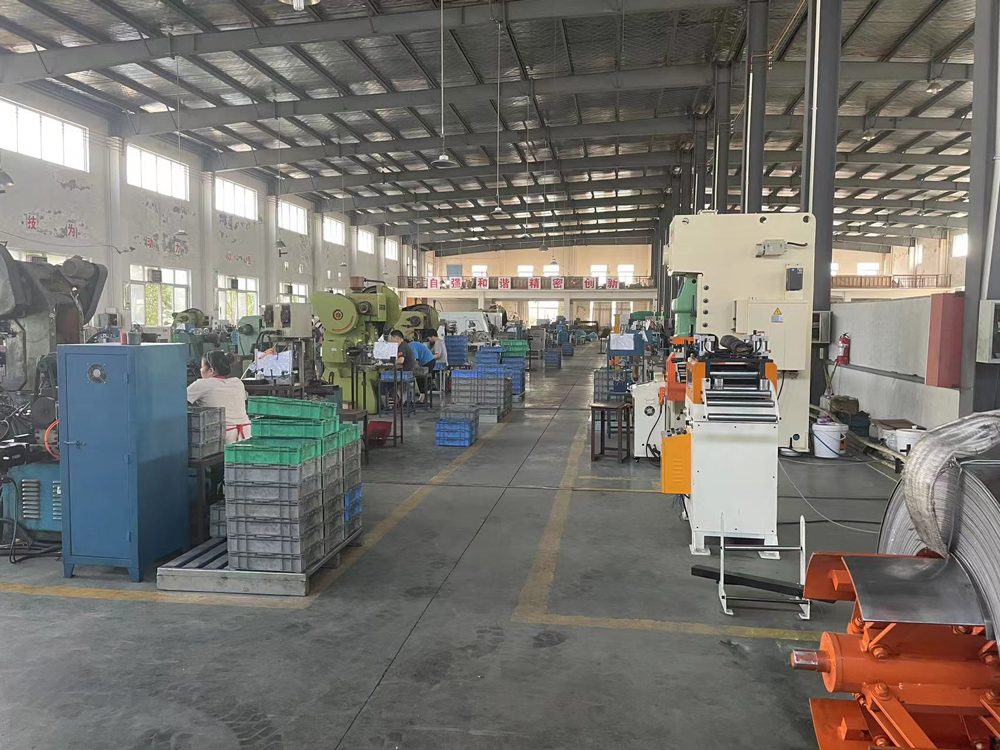
China has evolved into the absolute hub for high-performance elastomer manufacturing. The advantage does not rest solely on cost-efficiency; it is built on a highly integrated supply chain, rapid mold-making technology, and technical expertise. Modern factories in China utilize computerized laser measuring setups and automated vulcanization autoclaves to achieve incredible precision.
For custom radiator hose runs—which require prototype molds—Chinese factories can slash engineering timelines from the typical 6-8 weeks found in Western markets down to just 10-15 working days. This rapid turnaround is essential for large-scale mining operations and infrastructure projects where every day of inactive machinery represents thousands of dollars in lost yield.