Direct supply of precision-engineered aftermarket assemblies, fully compatible with Japanese heavy equipment operations.
Japan’s construction and civil engineering sectors represent one of the most mature, technologically advanced markets globally. In a region dominated by strict domestic OEMs (Original Equipment Manufacturers), contractors face the continuous challenge of managing fleet operations under tight municipal budgets, rising labor costs, and compressed project schedules. The transition of Doosan heavy industries under the Develon brand has introduced high-performance crawler excavators, wheel loaders, and specialized material handlers into the Japanese landscape, particularly in urban development, disaster mitigation, and waste management sectors.
To remain competitive, Japanese procurement managers are actively seeking alternative, high-quality aftermarket and OEM-equivalent parts suppliers. This transition is not merely cost-driven, but focused on downtime minimization. Japanese fleet managers expect sub-micron tolerances, verifiable metallurgical integrity, and direct compatibility with existing hydraulic and mechanical systems, ensuring that replacement parts perform under extreme operating pressures without causing secondary system failures.
Our company bridges this gap by manufacturing parts that strictly align with Japanese Industrial Standards (JIS) and European ISO qualifications, offering global fleet managers an authoritative alternative to direct OEM pricing without compromising operational reliability.
We deploy localized support to navigate the distinct regulatory and environmental requirements in Japan, ensuring compatibility with Tier 4 Final / Stage V emission systems and complex hydraulic telemetry systems standard on local fleets.
An inside look at our manufacturing capability, engineering philosophy, and strict quality assurance processes.
Reliability in heavy construction cannot be compromised. We execute rigorous QA processes, including non-destructive testing (NDT), coordinate measuring machine (CMM) dimensional validation, and pressure-cycle testing to ensure parts endure continuous stress.
Our dedicated engineering department specializes in component reverse-engineering and system optimization. In addition to manufacturing base assemblies, we diagnose structural weaknesses and advise fleet operators on preventative modifications.
We extend our service beyond manufacturing. Our specialized field technicians are available to advise international customers, assist with complex engine overhauls, and coordinate on-site system integration globally.
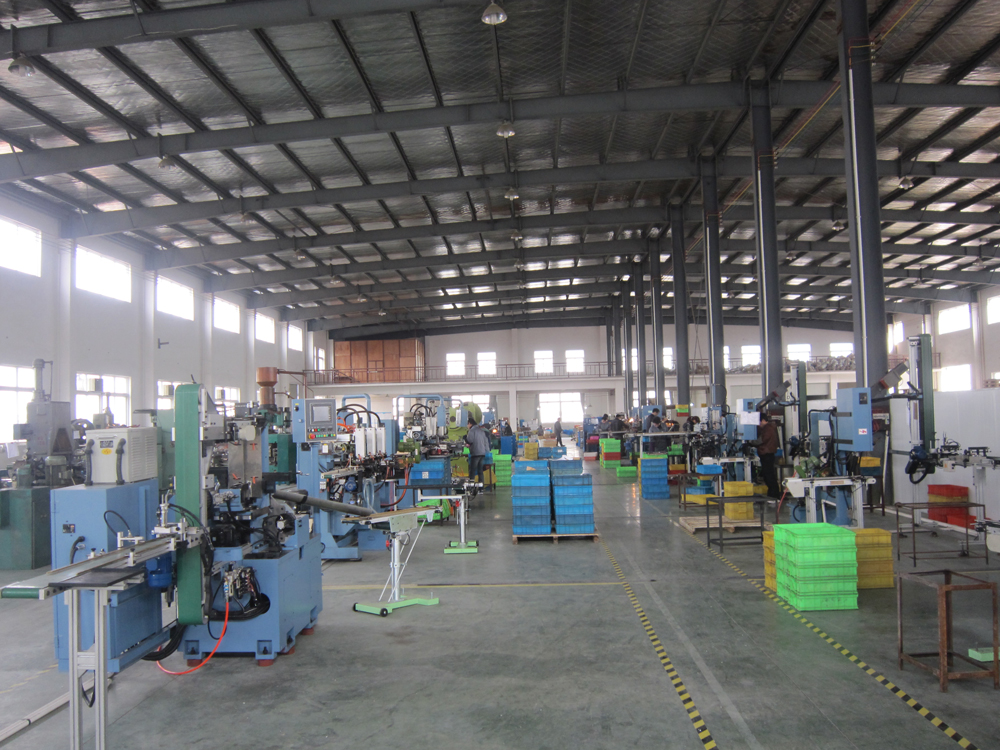
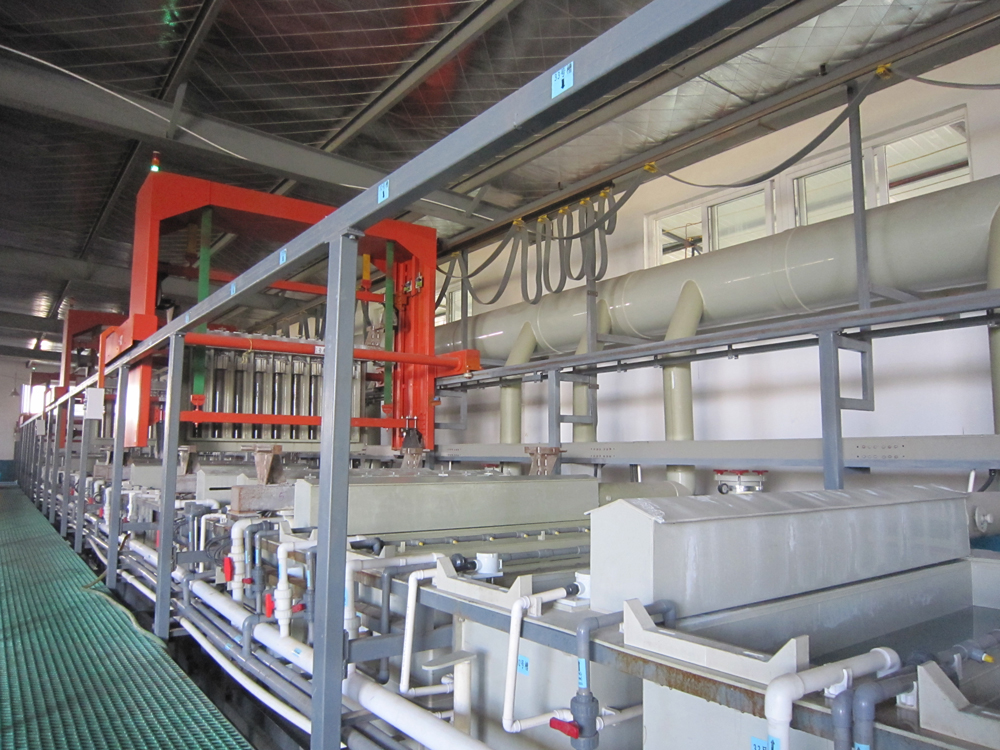
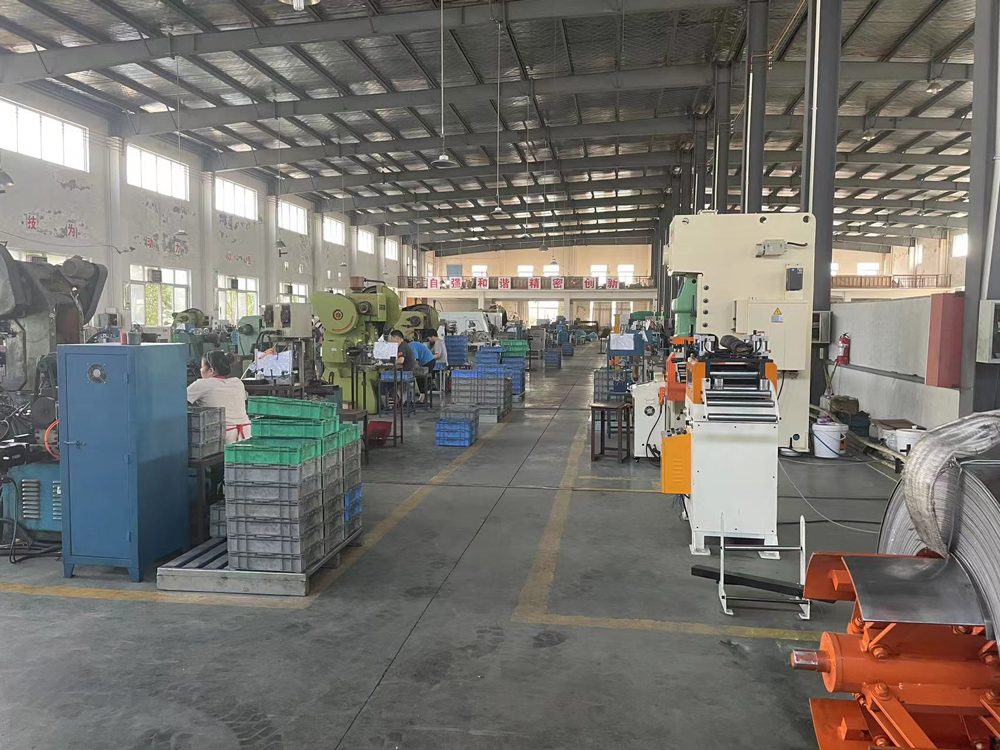
Our primary manufacturing facility located in Xiangyang City, Hubei Province features modern production floors housing CNC grinding complexes, automated heat treatment furnaces, and ISO-certified dust-free assembly rooms.
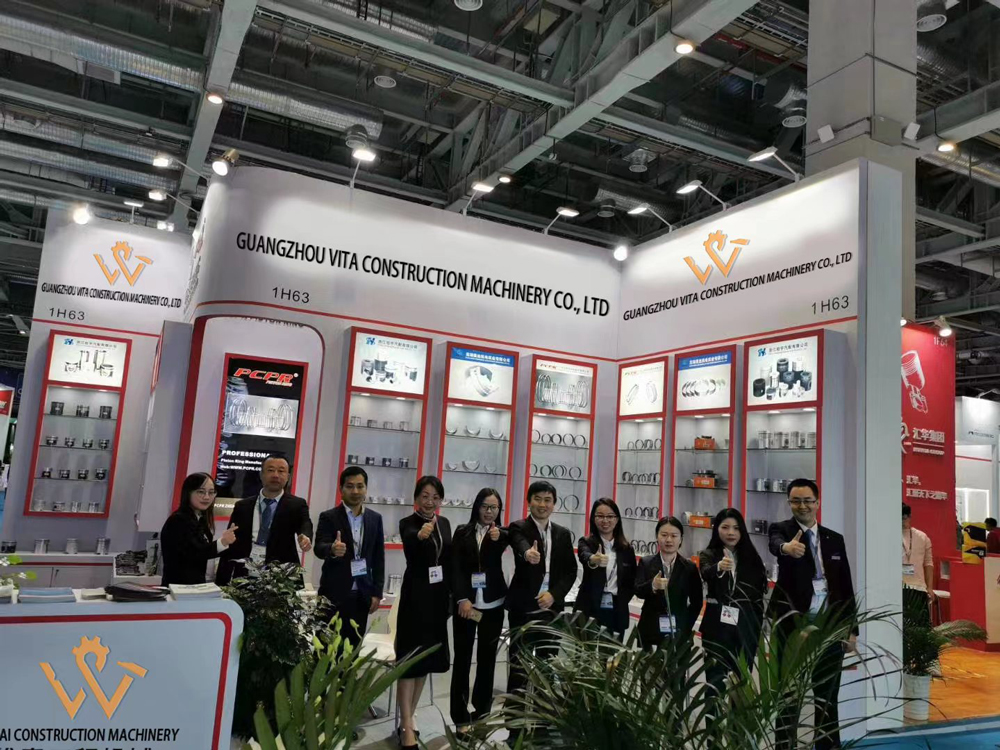
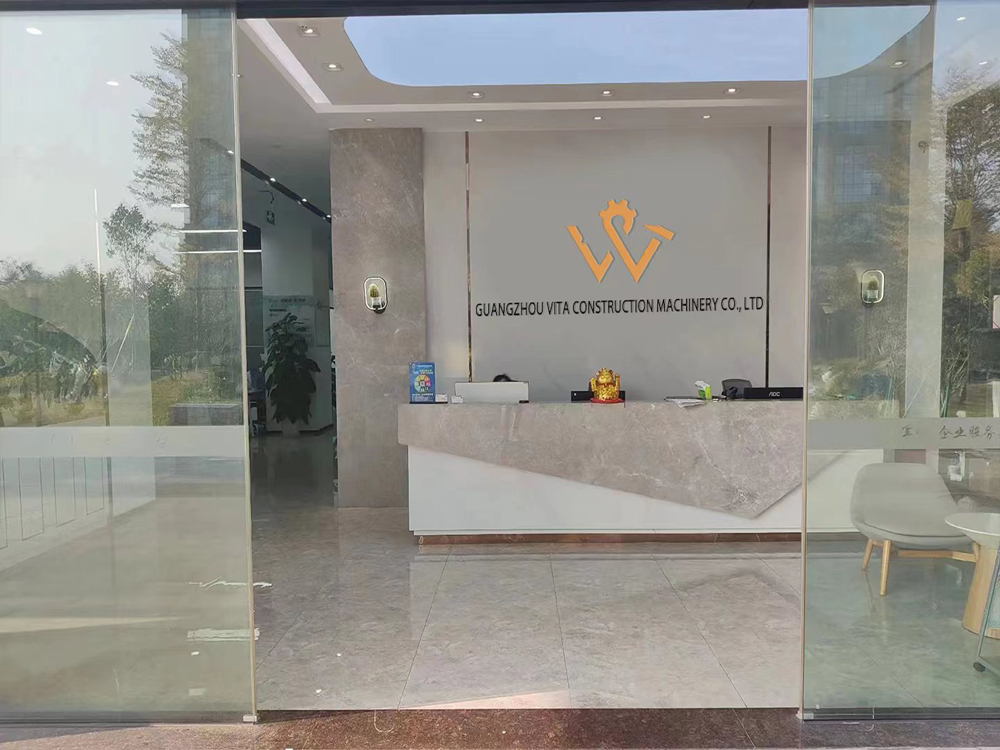
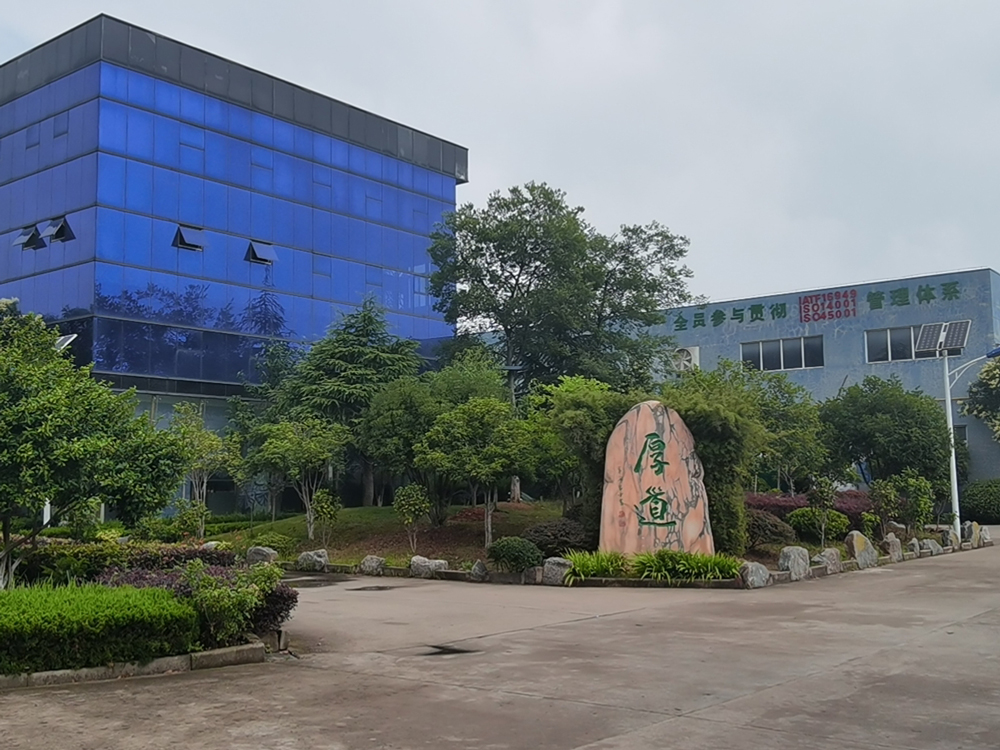
How the integration of Hubei heavy manufacturing and Guangzhou global distribution delivers premium components at optimal lead times.
By splitting our activities between the heavy industrial base in Xiangyang, Hubei, and the logistics hub of Guangzhou, we leverage raw material pricing, metallurgical expertise, and sea/air freight links to Japan.
We verify and calibrate all aftermarket components against OEM drawings. Every batch undergoes dimensional checking to ensure seamless plug-and-play installation for Japanese mechanics accustomed to OEM fits.
How our technical components perform under the specific geological and urban environments of the Japanese archipelago.
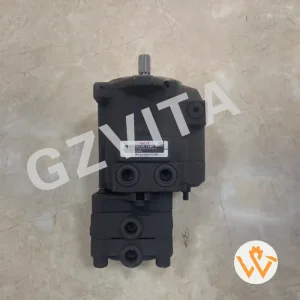
In dense urban centers like Tokyo and Osaka, utility excavation requires mini excavators utilizing ultra-smooth hydraulic controls. Our pilot valves and compact pumps support precise maneuvering within tight spaces, preventing utility strikes.
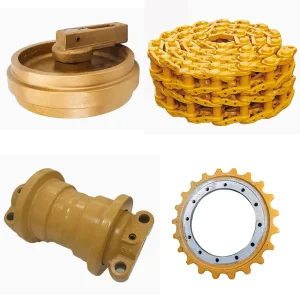
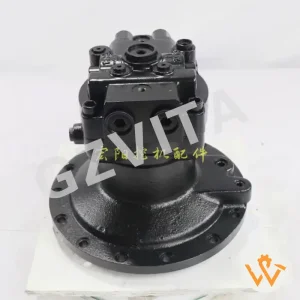
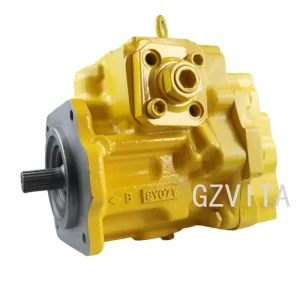
Steep terrain and frequent seismic activity demand structural integrity from undercarriage and hydraulic systems. Our track links and main pumps ensure machines maintain tractive and lifting capacity during stabilization and recovery operations.
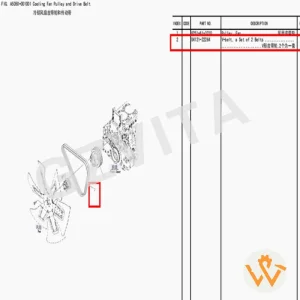
In the forested regions of Hokkaido and Tohoku, high torque, continuous duty cycle components are vital. Our heavy-duty bearings, fans, and cooling hoses resist thermal stress in rugged conditions.
Premium replacement elements for hydraulic, structural, engine, and electrical systems.

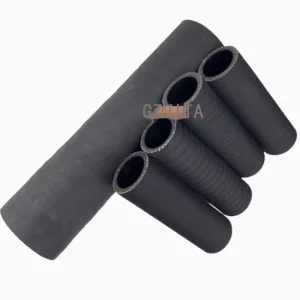
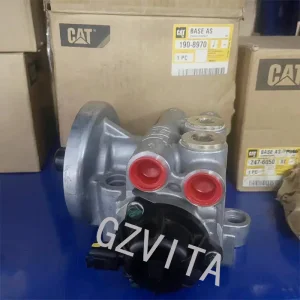
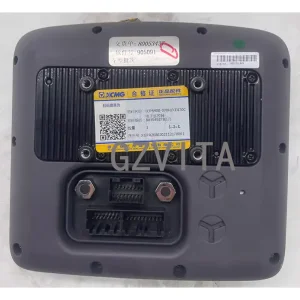
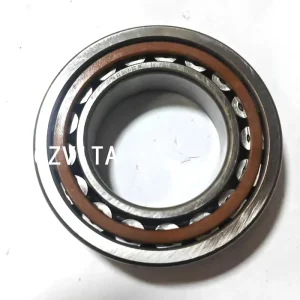
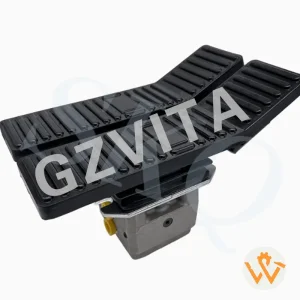
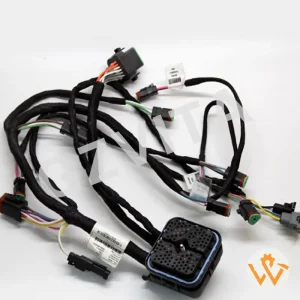
We maintain extensive tooling files for global diesel platforms, hydraulic motor configurations, and heavy wiring assemblies:
Staying ahead of industry shifts in environmental policy, equipment digitisation, and global supply chains.
Modern Japanese fleets rely on IoT sensors (such as Komatsu's KOMTRAX or Develon's MY DEVELON system) to predict part failure before it occurs. Replacement components must match OEM communication protocols. Our sensor-integrated and electronic modules (such as LCD controller screens) are pre-calibrated to interface with telemetry systems, ensuring zero system error codes.
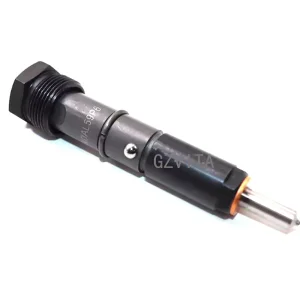
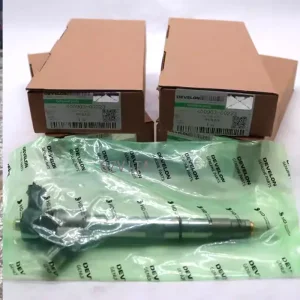
Japan's Ministry of the Environment maintains strict limits on diesel particulate matter (PM) and nitrogen oxides (NOx). Fleet components, especially fuel injection assemblies (like Doosan D18/D24 injects) and exhaust systems, must optimize combustion pressure. Our fuel injectors deploy ultra-fine nozzle patterns designed to maximize fuel atomization, minimizing soot formation and ensuring compliance with local emissions tests.
Expert insights on mechanical tolerances, hydraulic compatibility, and international procurement logistics.
 Vita Construction