 Vita Construction
1. Macro-Industrial Landscape: Driving Hungary’s Infrastructure & Construction Sectors
Hungary's strategic geographical location in Central and Eastern Europe makes it a vital logistical and transit corridor. Over the past decade, massive investments in heavy transport infrastructure, such as the Budapest-Belgrade High-Speed Railway project, the expansion of the Budapest ring road (M0), and the construction of state-of-the-art gigafactories in Debrecen and Győr, have catalyzed the demand for robust earthmoving equipment. Backhoe loaders, heavy excavators, and telehandlers are the operational workhorses of these developments. Among these, JCB machinery remains highly prevalent.
As the pace of construction accelerates, contractors face a critical operational threat: downtime. High-temperature summer operations along the Great Hungarian Plain (Alföld) coupled with heavy winter freezing put extreme stress on hydraulic and electrical systems. Original equipment manufacturers and local enterprises serving the Hungarian market require immediate access to precision-engineered aftermarket and OEM-standard replacement parts, especially control valves, planetary final drives, and highly sensitive electrical monitoring systems.
2. Engineering Excellence: The Criticality of Hydraulic Systems and Final Drives
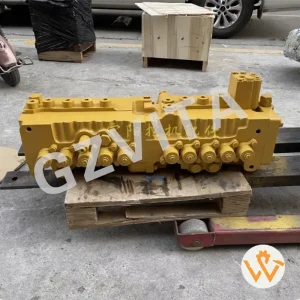
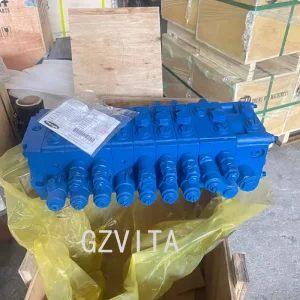
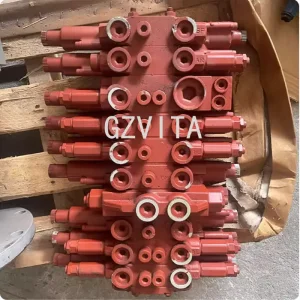
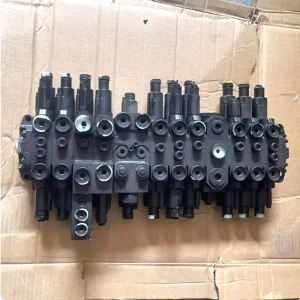
In civil engineering and agricultural reclamation projects across Hungary, hydraulic power density dictates project timelines. Main control valves (such as the HVS-18 series and custom distributor blocks) act as the central nervous system of any excavator, managing oil flow with micro-millimeter precision. A pressure drop of even 5% due to spool wear can lead to slow cycle times, excessive fuel consumption, and hydraulic fluid overheating.
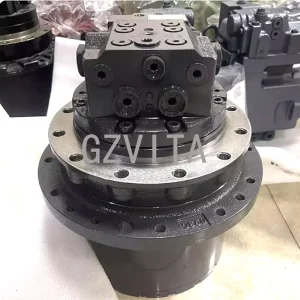
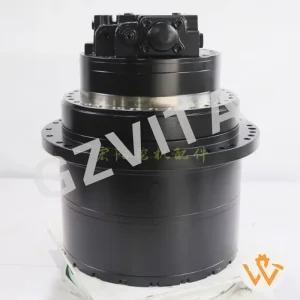
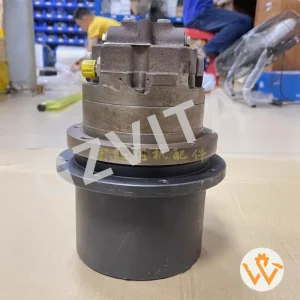
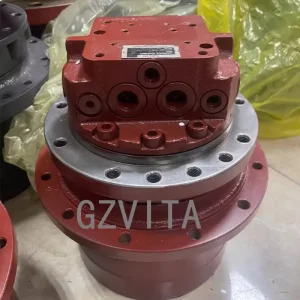
Similarly, the crawler track systems of excavators operating in clay-heavy Hungarian soils (such as those surrounding Lake Balaton) depend heavily on final drive units (like the TM40 and PHV-390-53B travel gearboxes). These final drives convert fluid energy into torque. The gearboxes must feature double-cone mechanical seals to prevent abrasive mud, sand, and water from infiltrating the planetary gears, which would otherwise result in catastrophic gear tooth failure.